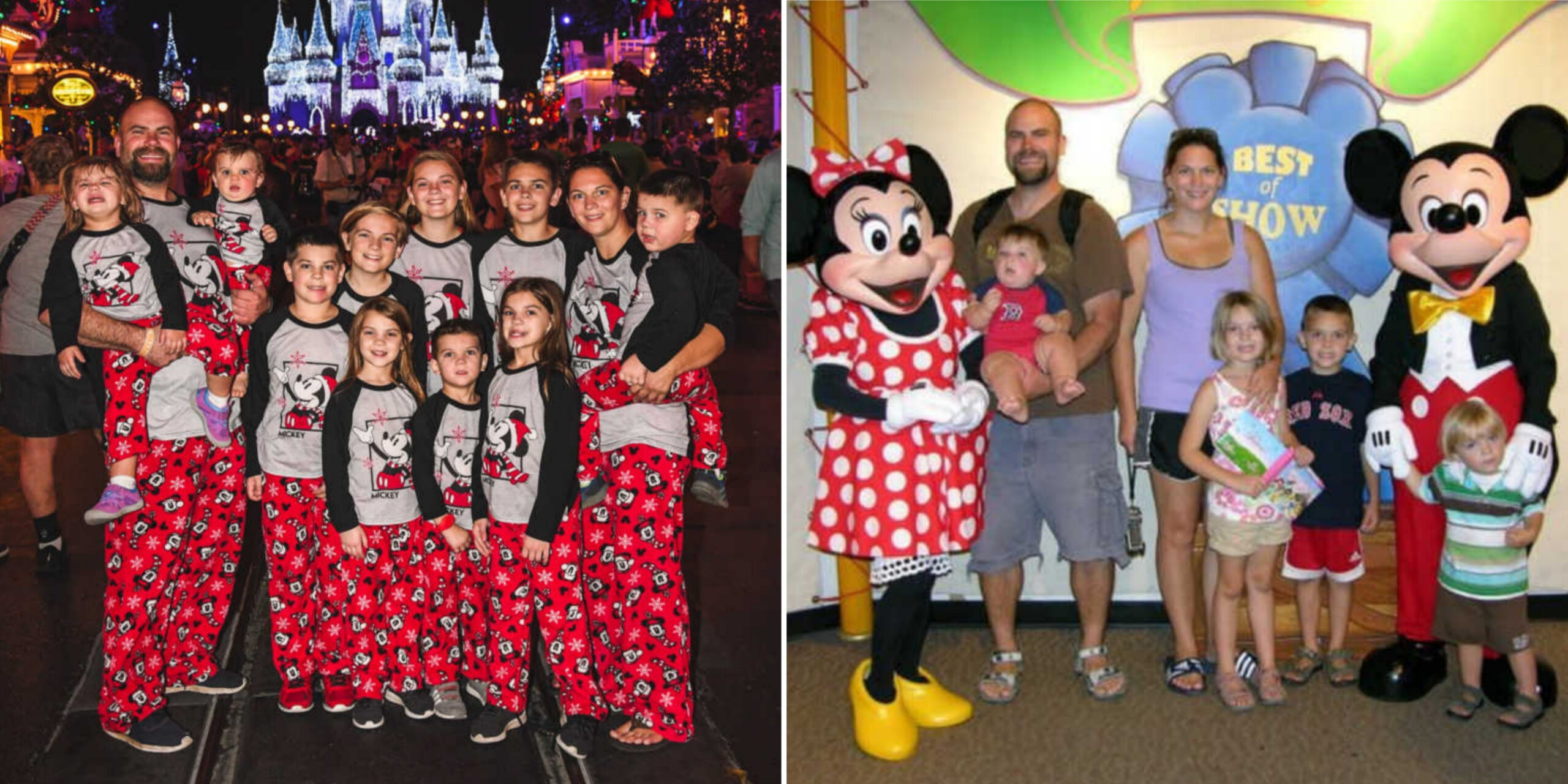
It all began with a single picture: my happy family standing in front of Cinderella’s Castle, smiles wide, hearts full, beaming with excitement at being in our favorite place. Then, like a sharp jab, a comment appeared on my Instagram: “Surely one of your daughters will have loftier goals than breeding and choose an education instead of a baby.” It wasn’t the first time strangers had criticized the size of our family, but something about this one cut deeper than most. I took a deep breath, set my phone aside, and reminded myself I’ve built a thick skin over the years. Still, it stung in a way I wasn’t expecting.
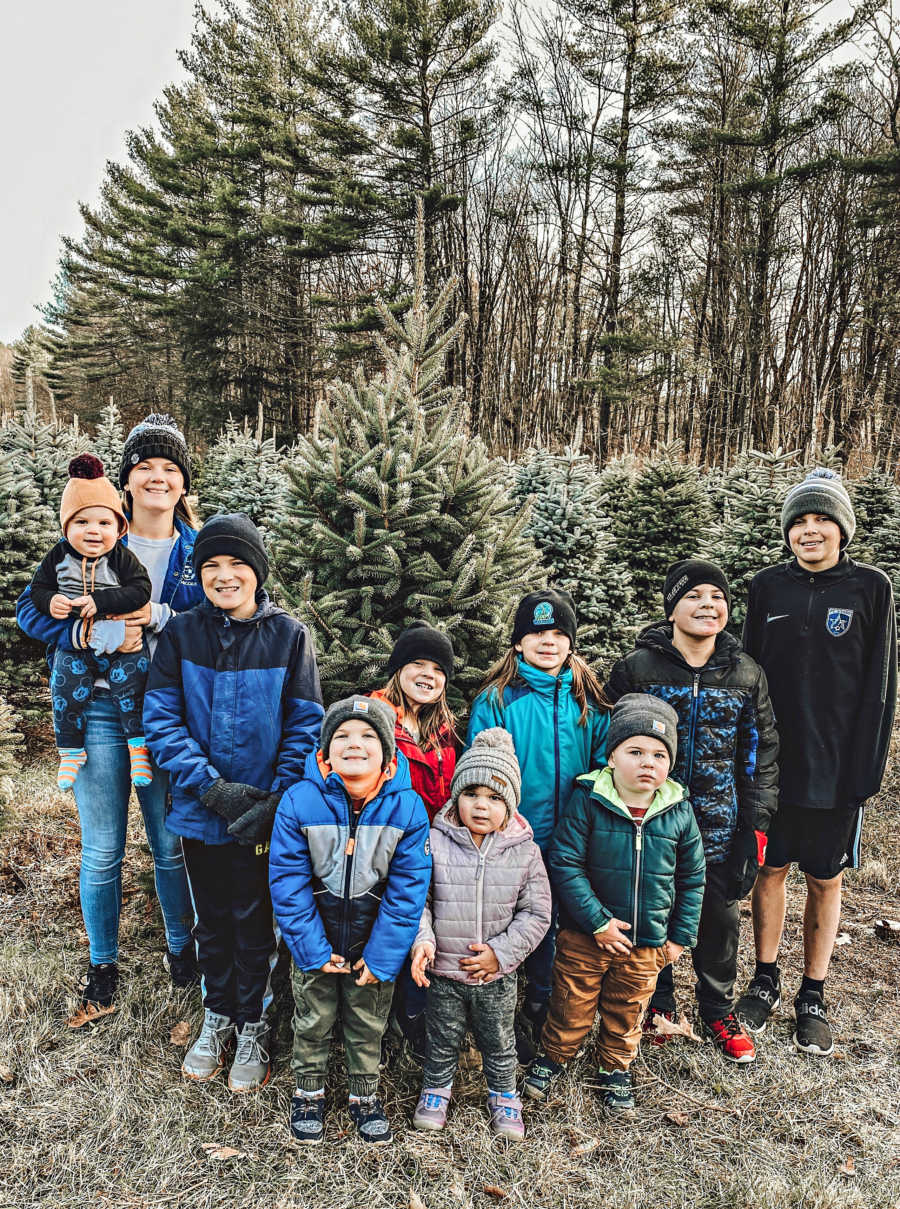
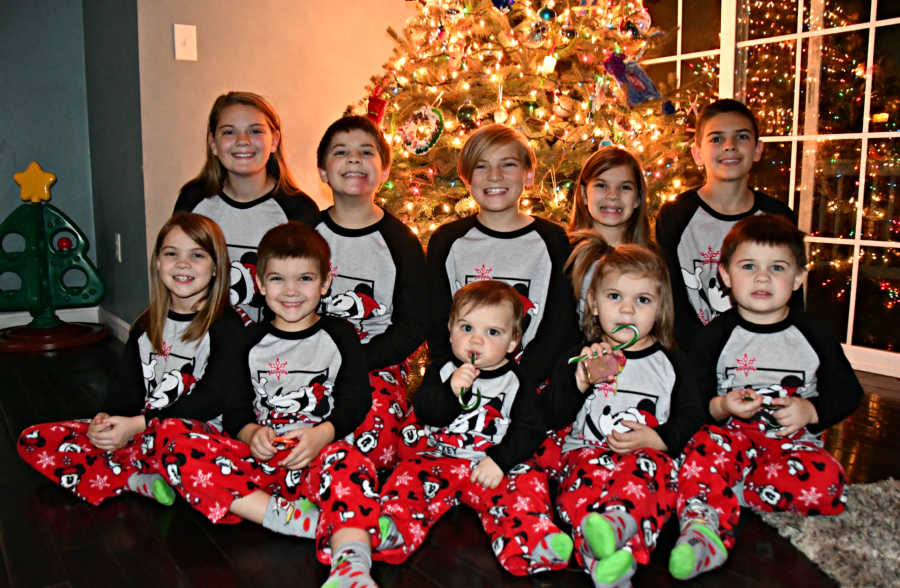
When my husband and I first met, we dreamed big—dreamed of a soccer team full of kids, a bustling house filled with laughter and chaos. In 2004, our first daughter arrived, and parenthood was everything we had imagined and more. We were so eager to expand our family, to nurture, guide, and watch our children grow. By 2010, three sons had joined us, and our dream of a large family was beginning to take shape. Looking back, I was naïve about the scrutiny we’d face. Our children were happy, loved, and thriving—how could anyone have anything negative to say about that? Yet, as we welcomed more children into our lives, the comments began. Not just the casual “Wow, you have your hands full,” but angry, biting remarks. Having a stranger scold me with words like, “You should have used birth control,” was something I had never imagined as a mom.

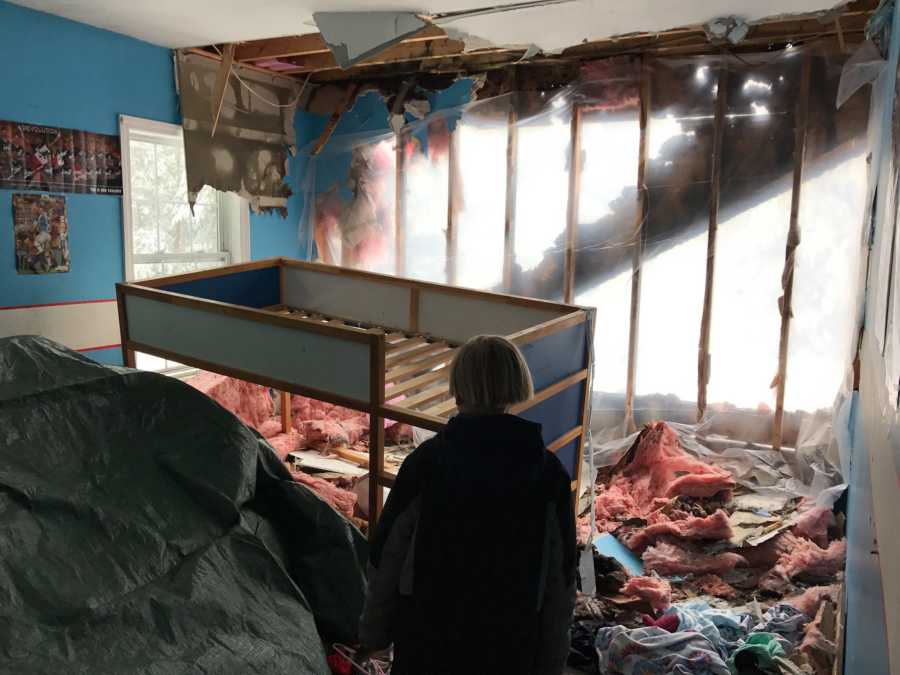
The hostility escalated when she texted me: “I’d love to see you in 10 years when you have nothing for higher education, emergencies, investments.” Little did she know, life had already tested us in ways she couldn’t imagine. I’d endured early miscarriages, but nothing prepared me for the devastating second-trimester loss of our fourth child. Walking into an ultrasound room filled with joy, only to be told our perfect little baby had no heartbeat, shattered me. Years later, we would face another unimaginable trial: escaping our burning home with children screaming, helpless, as flames consumed everything we knew. Those moments were traumatic beyond words. My kids still flinch at alarms, and I still grieve the little girl I never got to hold. Yet, those so-called “emergencies” didn’t destroy us. They strengthened us, bound us closer, and taught us to treasure every fleeting, precious moment of life.
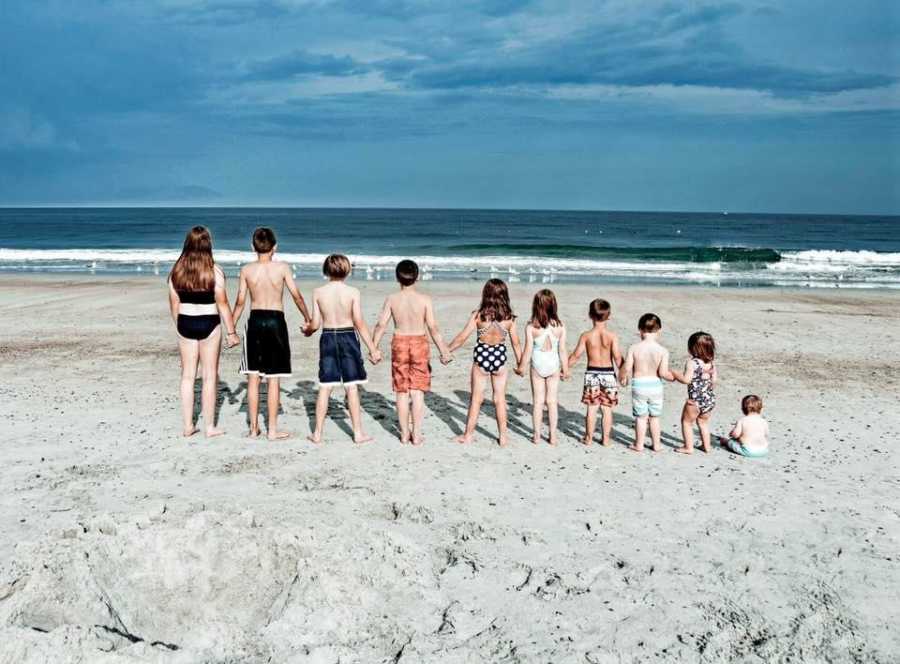
As we continued our day at the castle, I carried her words in the back of my mind, but I refused to let them overshadow the joy around me. I focused on my children’s laughter, the sparkle in their eyes, the warmth of their little hands in mine. This stranger didn’t know us. She didn’t know the grief of babies lost too soon, the postpartum anxiety that followed the death of my aunt just six weeks after our rainbow baby was born, or the seven months we spent in two tiny trailers while our home was rebuilt. She didn’t know our story—she only saw a single snapshot and assumed she understood it all.
I’ve always been a word-lover, majoring in English Lit in college, but this time I paused. I wanted to respond with the truth: that my daughters are brilliant, that my oldest earns straight A’s and shines on the soccer field, that my youngest girls radiate love and kindness. I wanted her to know that every child in our family is nurtured to be compassionate, that we’ve survived heartbreak and chaos, and that the size of our family is just a number—not a measure of our worth or our capability. But instead of arguing, I simply asked if she needed a hug.
Because I believe that those who are angry and cruel often need love the most. And this woman, more than anyone, needed it. Being a mom is hard enough, but being a mom who hears cruel words about her children is even harder. I choose kindness, and I am teaching my ten children to choose it too. At the end of the day, the love, laughter, and happiness in our home matter far more than any comment from a stranger on the internet. Her words do not define us—our family, full of love and resilience, defines us.