Read the first part of Liz’s story here.
“I love you baby and I always will
I love you baby and I always will
I love you baby and I always will
Ever since I put your picture
In a frame. – Tom Waits
I once worked with a girl who was placed into foster care for the very first time on her 10th birthday.
She was picked up right in the middle of the school day, ripped abruptly from everything familiar, and thrust into a completely new life. Her belongings were crammed into garbage bags that were already waiting in the car.
Maybe her classmates had planned a party for her that day. She’ll never know. Maybe her best friend had bought her a gift. She’ll never know. Maybe the celebration was meant to happen after recess, but she didn’t get to stay that long. She’ll never know.
Just like that, everything changed. Abruptly. Harshly. So abruptly that it left her with emotional whiplash.
In the larger scheme of trauma inherent in foster care, why do the small things matter so much? Why does it matter what kind of bag carries a child’s personal belongings? Why does it matter if a child is removed from home on their birthday? What does it all add up to?
These details matter because they send a message, often unintentionally:
You are invisible.
You don’t matter.
You are a throwaway kid now.
You are trash.
This is what children feel when they are treated carelessly. And in many ways, I understand it. I’ve been that worker, shoving clothes into garbage bags in a rush to get papers signed, in a rush to get a child settled in a new home before dark. I know the exhaustion. I know the pressure. I know how the system overwhelms good people who are simply trying to do their best.
Workers are overburdened, the system underfunded, and despite all our efforts, it is never enough. There are too many kids, too many broken families, and all of it feels impossible. We do not mean to devalue these children—but we do. Every single day.
Yet, the way a child moves from home to home matters profoundly.
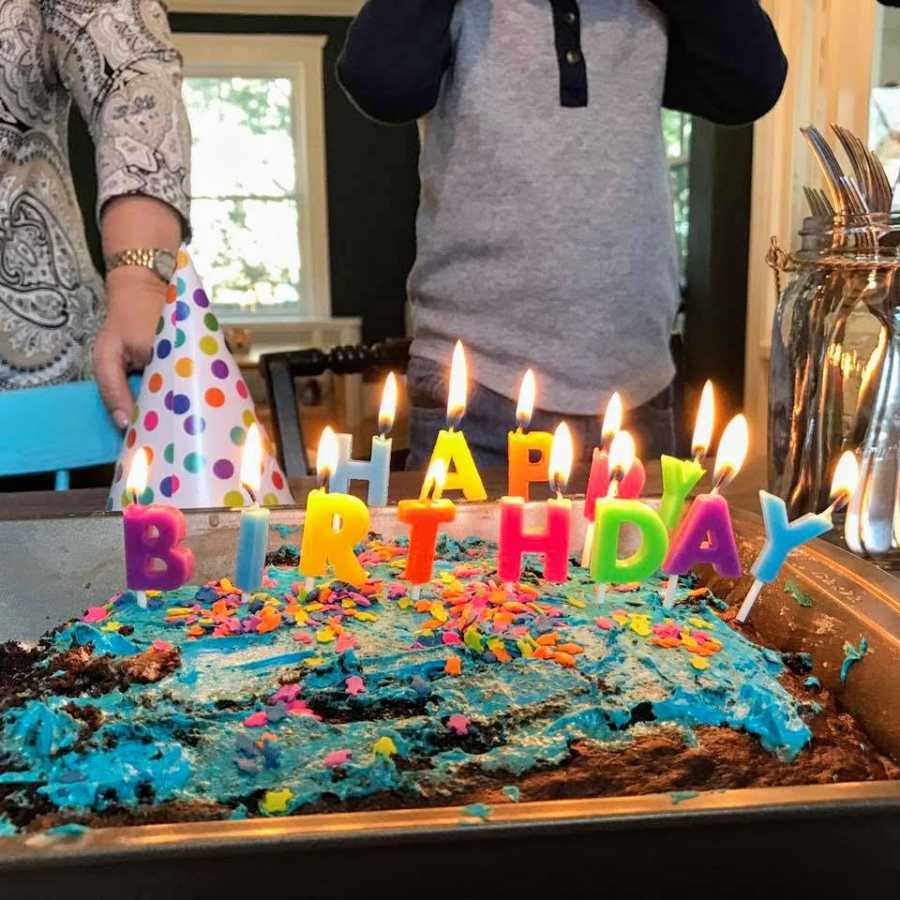
It matters if it happens on their birthday. It matters if their belongings are stuffed into garbage bags. It matters if a favorite stuffed animal is lost in the shuffle. It matters if no one knows how they like their eggs or what their favorite snack is. It matters if they need a nightlight and there isn’t one. It matters if bedtime requires four stories to feel safe, and someone forgets the fourth.
It matters that every new home smells unfamiliar. It matters if summer arrives and the child still wears winter clothes because the allowance check hasn’t come. It matters if the Christmas presents are meant for a different age, leaving them to question whether Santa exists at all. It matters if the walls hold pictures of the biological family but none of the foster child.
These things matter to children. They matter more than we often realize.
So how long before a child sees themselves reflected in a frame? How long before the absence of that picture embeds itself in their psyche? How long before a child, unseen and unacknowledged, becomes invisible—and how will we ever recognize their pain?
We must pay closer attention. All of us.
Children need stable families. But they also need real, tangible care. They need proper luggage, their own stuffed animals, a nightlight, and sometimes a fourth bedtime story. They need not to be moved on their birthdays unless it’s an absolute emergency. They need systems that notice these details.
We may not be able to provide everything, but we can help. We can support agencies and workers with our time or money. We can mentor. We can speak up when a child is mistreated. We can advocate. We can train to become foster parents. We can talk openly about adoption and learn what it truly takes to give a child a safe, stable home.
Because these kids need a lot. They need families that will stick. They need one constant person in their lives. And most of all, they need their picture in someone’s frame—so they can finally see themselves as someone who matters.