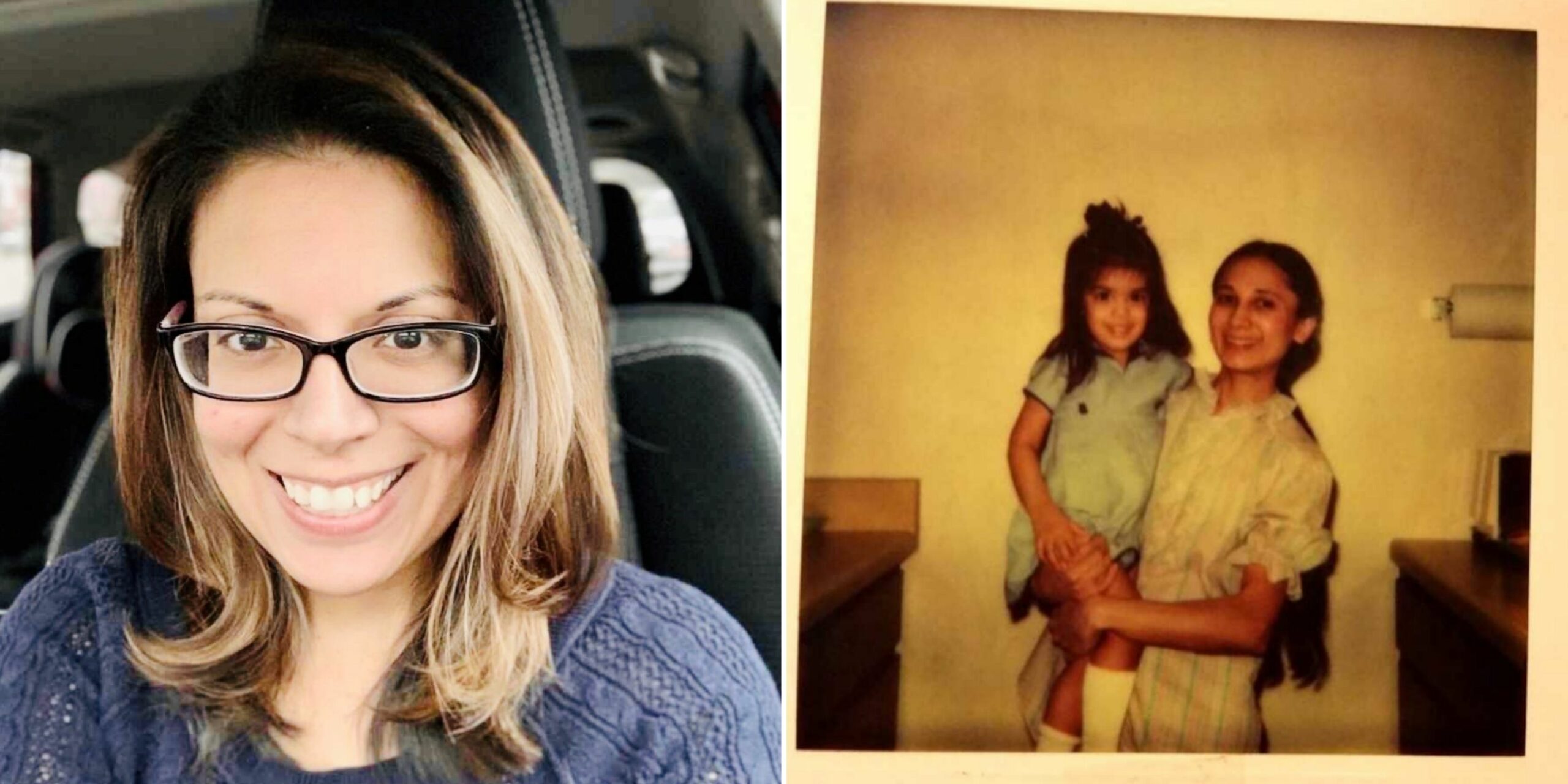
Disclaimer: This story contains details of child abuse that may be upsetting to some.
“‘You’re a whore.’ ‘You’ll never amount to anything without me.’ Imagine being told, every single day of your life, that you are worthless. Imagine feeling disposable, invisible, unwanted. Imagine watching children in the grocery store who were clearly loved and protected, while you stood frozen as your father threatened your mother over buying an iron—just so she could iron his underwear and clothes. How old do you think I was when I first felt, saw, and understood all of this? I was only eight years old. Those words still echo in my mind and haunt me to this day.
My father passed away five years ago, yet he still occupies space in my head. The space gets smaller as time goes on, but he still owns a plot. One day, I imagine it will shrink down to nothing more than a blade of grass, mowed over on a hot summer afternoon. Until then, his memory remains the painful prologue to my story.
My dad was a conman by nature. He stayed in this country through a Green Card marriage. I think he wanted to stay with her, but Pakistani culture dictated otherwise. They divorced five years later, and my dad immediately returned to Pakistan to find his next victim. I don’t know much about that first marriage, except that my mom once mentioned visiting occasionally with a little boy who looked just like him. For all I know, I have a half-brother in Florida I’ve never met.
His abuse started with my mother. He preyed on the fact that she didn’t speak English and was isolated from her family. He literally locked her inside the apartment while he conned his way in and out of jobs, the last one ending in 1979. I later learned, as a middle schooler, that the only reasons I was born were societal pressure, the desire for a son, and the welfare checks he could collect in my name. I was born in 1984. He abused my mother while she was pregnant with me—hitting her, screaming at her, isolating her in every way imaginable.
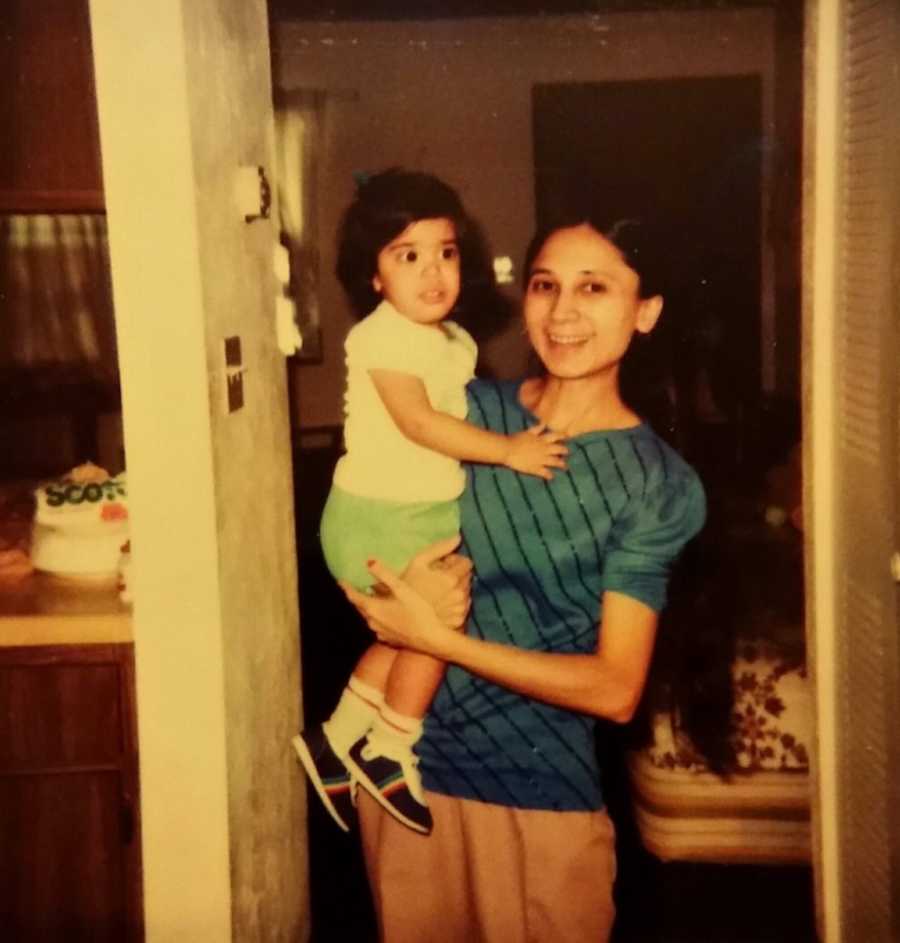
After I was born, he initially adored me. I would later discover the monster he truly was when I was around five years old. If I cried, he hit her. He wouldn’t let me out of my walker even though I could already walk. He did everything possible to protect what he saw as his “meal ticket.”
My parents decided I would have a “better” life by uprooting me and taking me to Pakistan, supposedly to protect me from the corruption of friends and a normal childhood. In reality, they were determined to fix their disappointment that I wasn’t a boy. I remember my mother buying boys’ clothing before we left the States. I was a highly observant four-year-old—an old soul even then.
The first trip was brief and hazy. The second one is burned into my memory forever. I remember stepping out of a taxi in Gainesville, Florida, in the middle of the night. It was breezy. The last thing I saw on American soil was a TV guide bent open to an HBO ad. We lived in Pakistan for nine months, though it felt endless. My mother, frustrated by her inability to conceive, took it out on me—slapping my loose teeth out of my mouth and striking my face. I spent hours on the balcony, watching rickshaws and traffic pass below, wishing I could go home. I missed America. I missed television. I thought often of a monarch butterfly I had seen when a kind neighbor in Florida gave me candy and said goodbye. It was free. I wasn’t.
My dad threw away my toys, and my mom helped him. They abandoned everything I loved, whatever their endgame was. In Pakistan, my thoughts of going home slowly turned into thoughts of dying. I wanted to jump from the balcony just to escape the abuse—from my parents, my aunt, and my teachers who hit me for not knowing enough Urdu. I lost much of my English and later landed in ESOL after returning to the States.
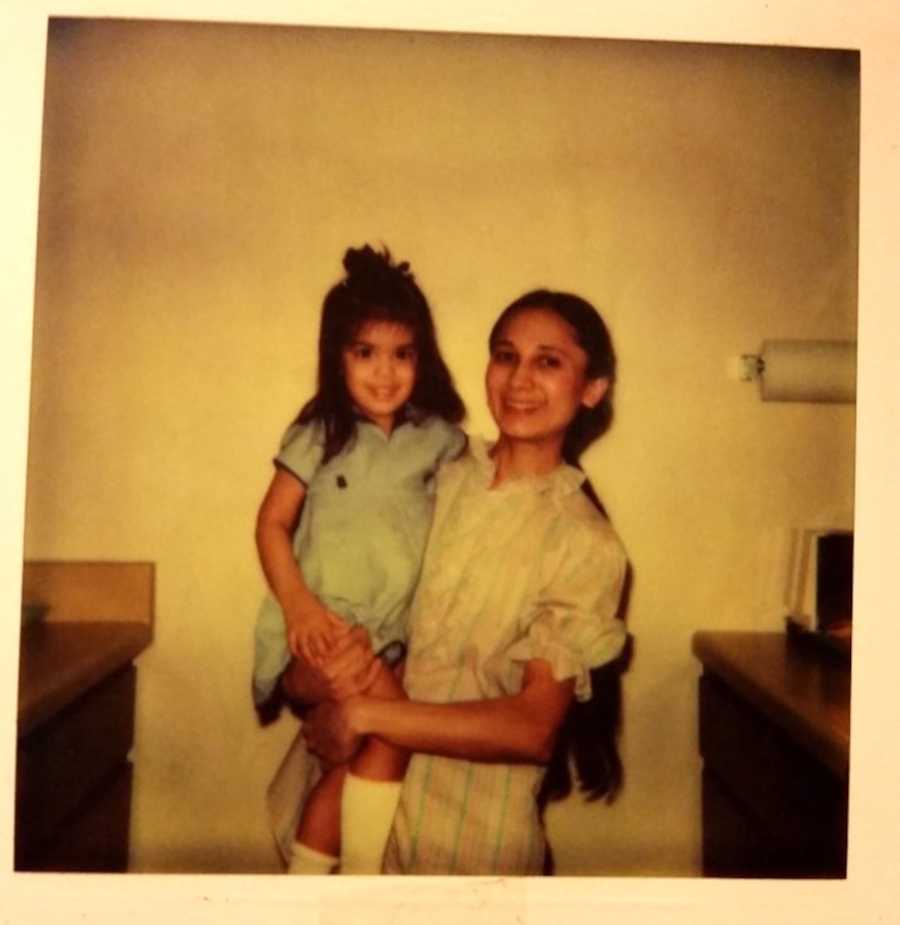
Eventually, my mom had an epiphany. My parents separated. She moved to Chicago with family, and my dad went to Georgia to live with his brother. They had never been legally married in the U.S. I finally had a childhood—if only for one year. In Chicago, my cousin and I walked to school. I had friends. My cousins took me places. I went to McDonald’s for the first time. My uncles bought me toys. I felt innocent again.
I’ll never forget my last day of first grade. Mr. Khan came to take my cousin and me to ESOL. What I didn’t know was that my classmates were making goodbye cards. One card, from my teacher, still breaks my heart. It showed two cartoon bears holding handkerchiefs as a family moved away, with the words, “We’re sorry to see you go.” My mom threw away the kids’ cards but kept the teacher’s. I didn’t want to leave either.
I remember the Pan-Am flights. The airports. My mom quitting her job as a seamstress to return to my dad, believing his empty promises that he would change and buy her nice things with jobs he never had. We landed at Atlanta’s Hartsfield airport on a cold, rainy night. After a McDonald’s drive-through—apple pie and fries—his brother left, and my dad ripped my mom’s new earring from her ear with a single blow. I cried myself to sleep that night.
I grew up sleeping on the floor, in the same room as my parents. My bed was a pile of blankets with cockroaches living underneath. Night after night, beatings and screaming shattered whatever illusion of safety I had. I was no longer “daddy’s little girl.” The abuse turned toward me—sexual comments, invasive control, constant humiliation. I wasn’t allowed to close doors. He stole my allowance. He pretended he couldn’t read school notes. I loved music and dreamed of playing the violin. My teacher was willing to help. My parents said no. I was kicked out of chorus because he wouldn’t drive ten minutes to school.
In 1995, we moved to Orlando, Florida. I moved constantly as a child, but Florida remained home. We lived in a mold-infested apartment for over twenty years. I was bullied in high school. My belongings were constantly searched. My mom started working at Kmart in 1996, leaving me alone with my dad on weekends. I was denied a childhood again. If I got sick, they accused me of being pregnant. They timed my walk from the bus stop. I learned to hide everything—crushes, dreams, myself. He intercepted my pleas for help. Nothing was safe.
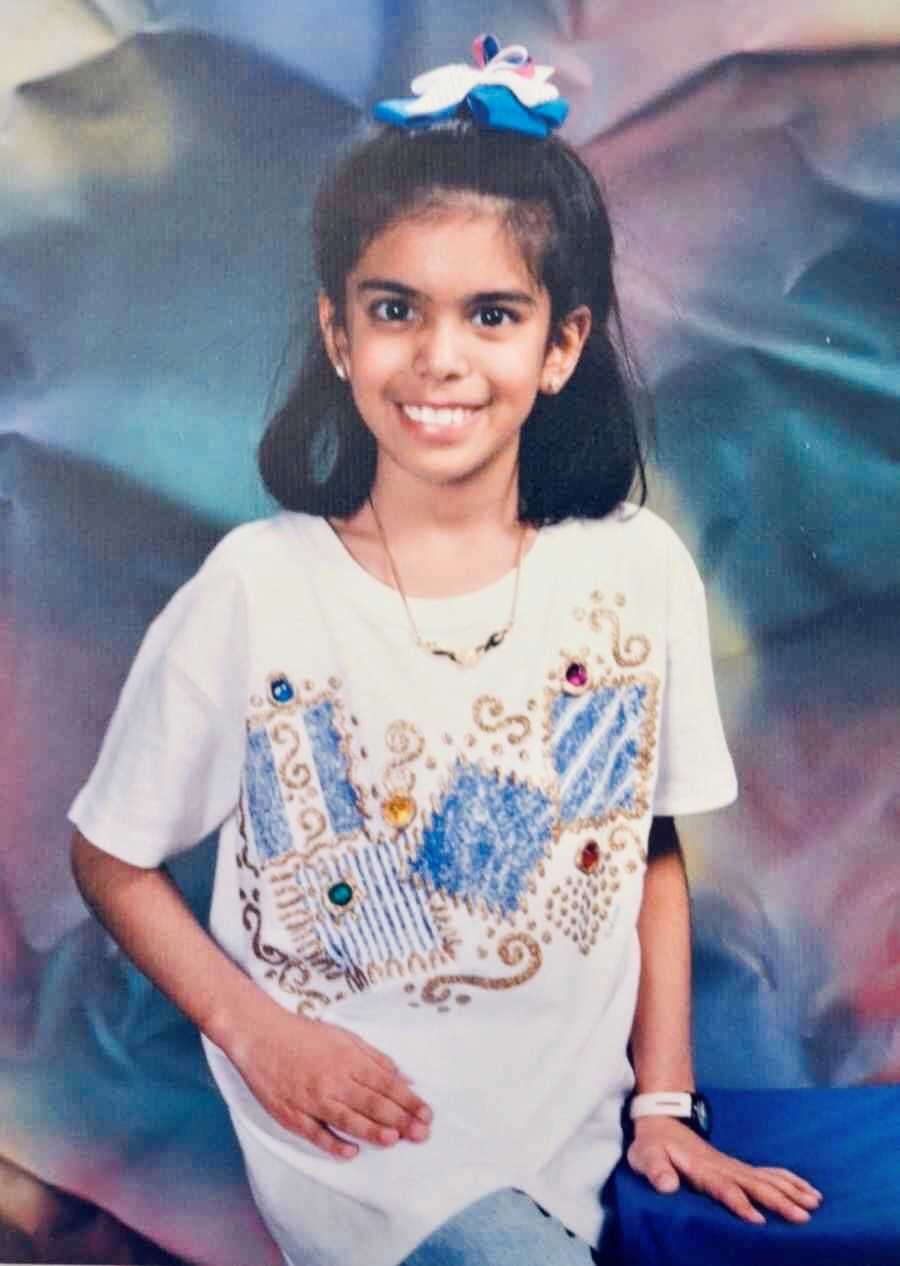
I became smarter. I learned to hide notes in menstrual pad wrappers, shoeboxes, lockers. I finally had a computer. AIM became my escape. Music, books, and the internet gave me a world where I mattered. He found my diary. He humiliated me. They tracked my periods. Birthdays were spent at strip clubs. He told me he respected strippers more than me—a straight-A student. Once, he threatened to kick me out unless I kissed his feet. I did. I wished I were dead.
I graduated from the University of Central Florida in 2007 with a degree in Elementary Education. I loved UCF, but his shadow loomed until he left for Pakistan in 2005. That day—August 14th, Pakistani Independence Day—was freedom. I went on my first date. Had my first kiss. I was date raped. I survived a car accident. I begged him to come back, and he didn’t. I vowed never to live under his roof again.
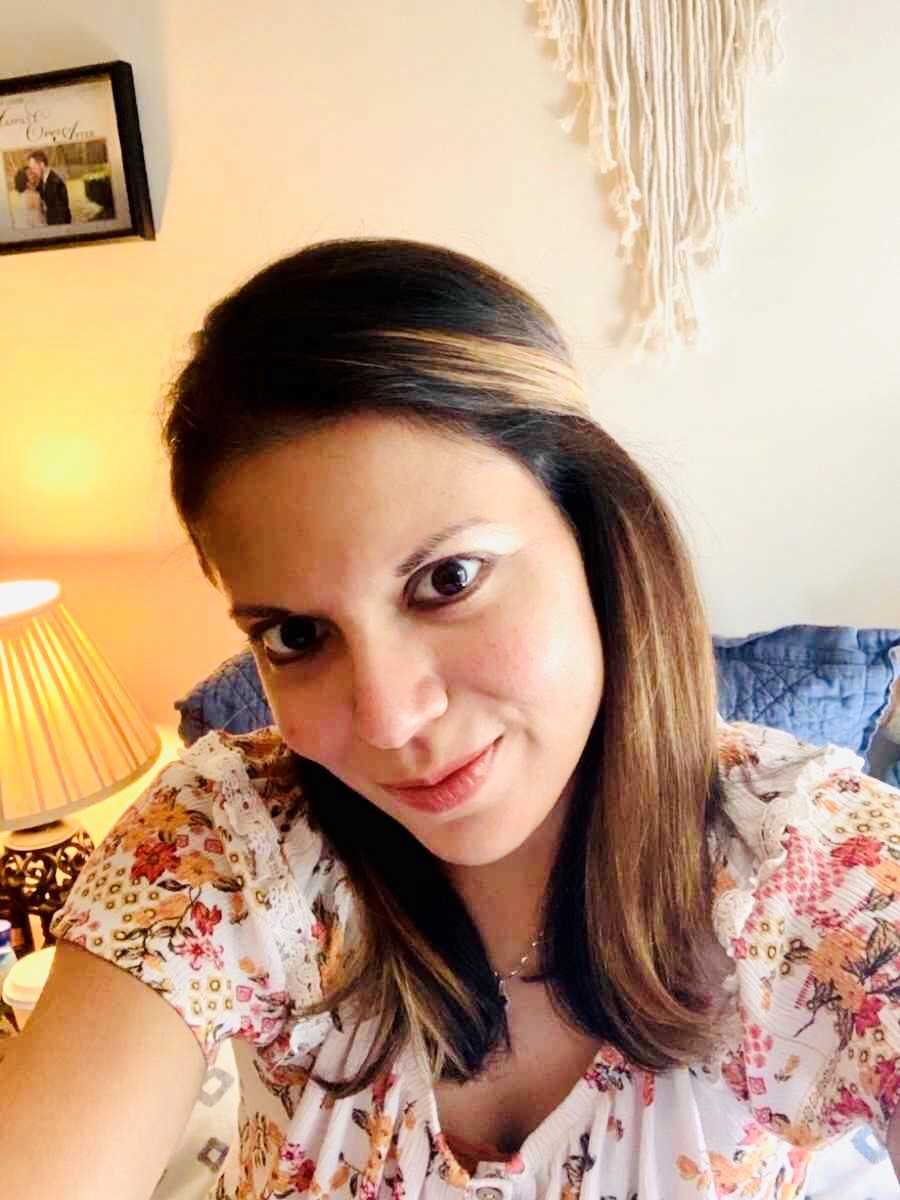
He returned unannounced in 2010. By then, my boyfriend—the kind soul who saved me—had moved me out. I fled to Jacksonville, taking the Honda in my name. Life there was better, but I battled untreated depression and anxiety. I kept rising, even when it burned.
I married that kind soul. We’ve been together nearly thirteen years and married for eight. We have a son, Henry. He gives me a reason to live every single day.
So if you’re reading this—you will survive. You will find your purpose. There will be days you cry alone in your car, and days you sit with the sunroof open, realizing you made it. You’re still alive. You escaped. Your life is worth fighting for. And no one—ever—gets to tell you otherwise.