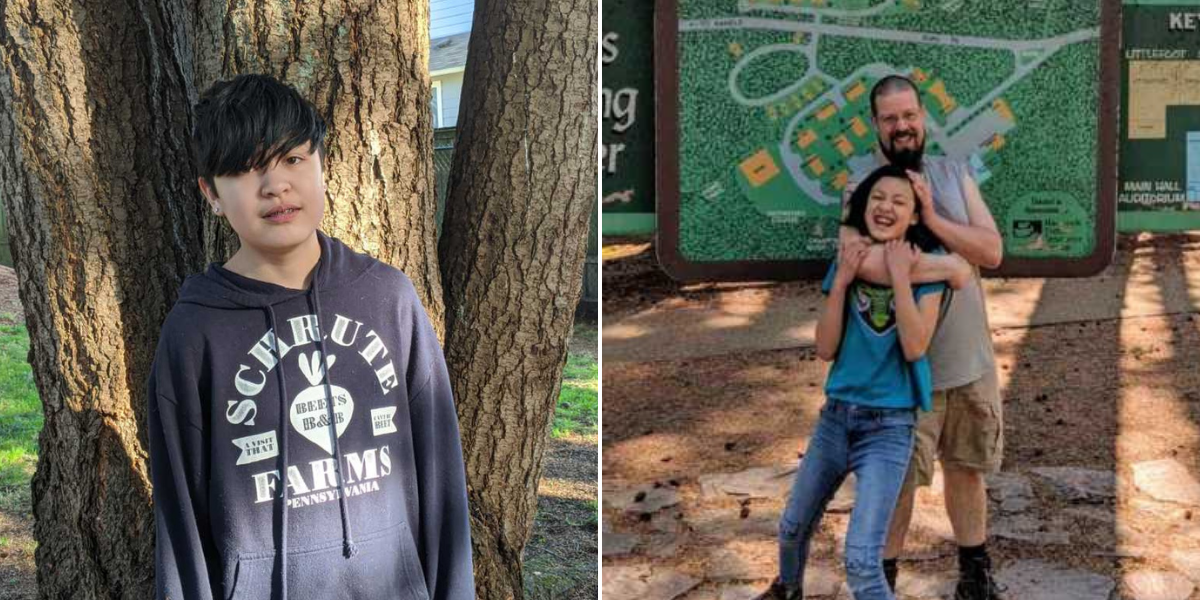
My Amazing Trans Son
“‘Dad, can I have three dollars?’
‘Sure. What do you need it for?’
‘My friend needs a chest binder, and his parents aren’t supportive. I’ve been asking everyone for a few dollars so we can get one.’
That moment, simple as it seemed, shows just how much has changed over the last few months since my son came out to me as Trans at 11 years old.

Now, he’s proud of who he is, supportive of his friends, and willing to talk openly with me about everything. But the path hasn’t been easy, and the journey is still unfolding.
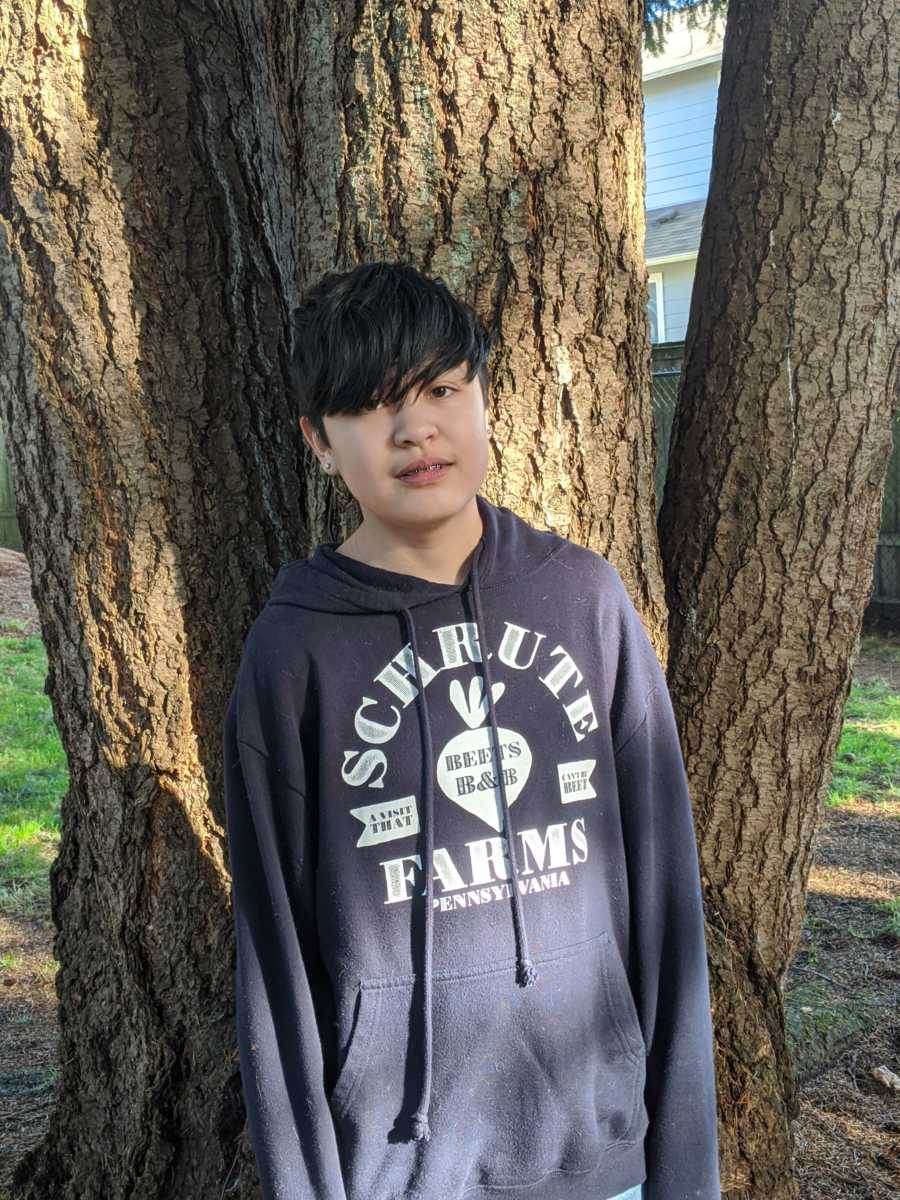
How I Support My Trans Child
We have some tough, honest conversations now—sometimes about things I never imagined discussing with my 12-year-old. Sexuality, for example, comes up naturally as he grows.
‘We have something super awkward to talk about,’ I said one day.
‘Okay… what is it?’
‘I know you’re in middle school, and sometimes kids your age start thinking about sex. I’m worried and want you to wait. I don’t want you to experience sex for the first time as the wrong gender and get hurt.’

He looked thoughtful and said, ‘I know. I don’t think I’d enjoy it with the body I have anyway. So I want to wait until I’m older.’
Moments like this fill me with pride for his courage, but they also remind me how complex our lives have become. Between correcting friends and family about his gender, doctor visits, counselor appointments, and the emotional weight he carries daily, life is full. He faces challenges inside his own head and heart that I never experienced as a child.
There are days I feel so exhausted and overwhelmed that I cry. I carry a heavy weight in my love and support for him. Yet, when he tells me about friends who are gay or trans and whose parents aren’t supportive, I’m reminded how much worse things could be without love at home. That makes every tear and every sleepless night worth it.

Reflections from My Own Childhood
I remember growing up struggling with my weight, sensitivity, and anxiety. My parents were loving and supportive in the big ways, but they couldn’t always see the small, daily battles I faced. Those experiences now help me understand the importance of being present for my child, not just in moments of crisis, but in everyday life.
Our conversations are sometimes awkward but always honest. Like the day he told me he had a boyfriend.
‘So, I have a boyfriend, and we spend a lot of time together,’ he said casually.
‘Do you like him? Does he make you happy? He’s nice?’ I asked.
‘Yeah,’ he smiled.
Hearing him speak about his boyfriend—whose parents aren’t supportive—with such ease and pride reminds me that many children in our society lack that fundamental love and safety. My son doesn’t have to fear that, and he knows I’ll always be there for him. That is the most incredible feeling.
Take Pride in Your Children
Life is hard. We all feel weak, alone, sad, and afraid sometimes—I certainly do. But as parents, we have one of the most vital jobs in the world: to love our children, to support them, to teach them to take pride in who they are, and to raise them to be kind, empathetic, and supportive of others.

Tears, loneliness, and fear will still happen—they are part of being human. But the joy of being a parent, of knowing my son will face fewer of those days because of love and support, makes it all worthwhile. Even though he belongs to one of society’s most vulnerable groups, he can live with courage and pride. And that, more than anything, is why I keep showing up for him, every single day.