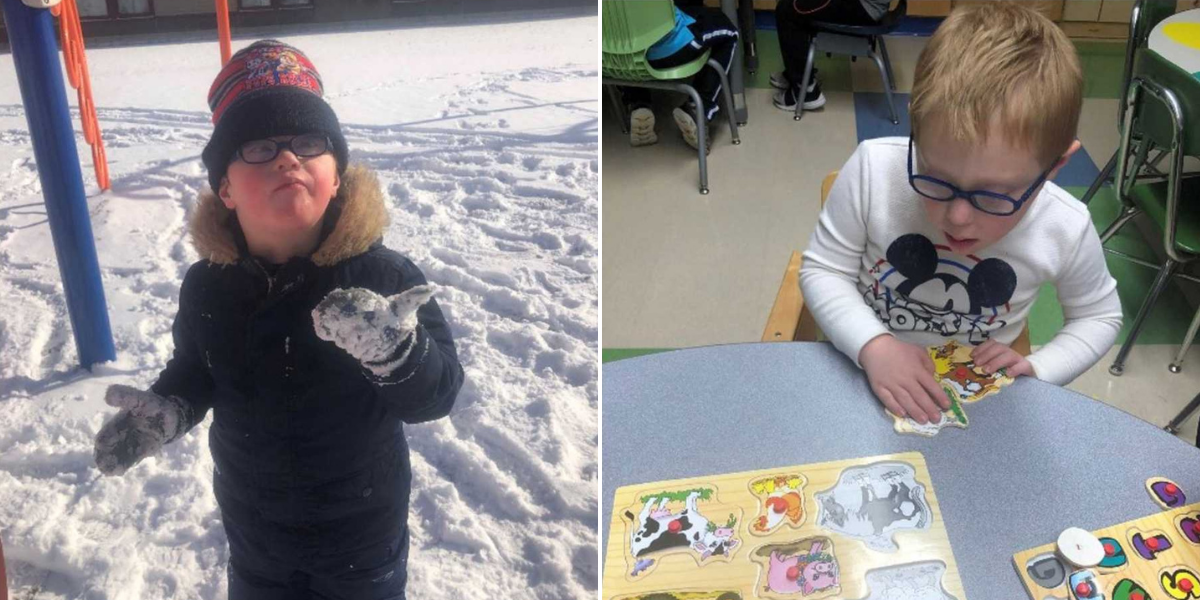
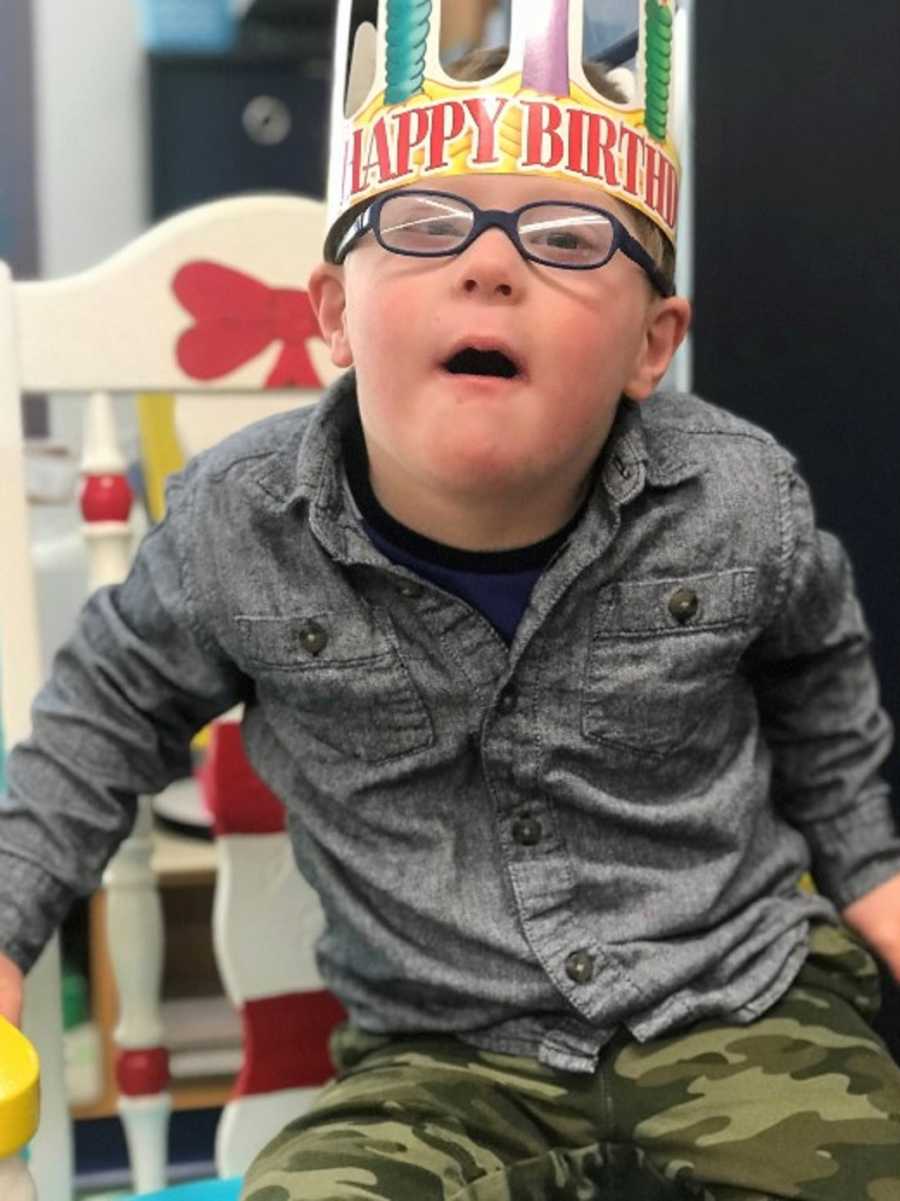
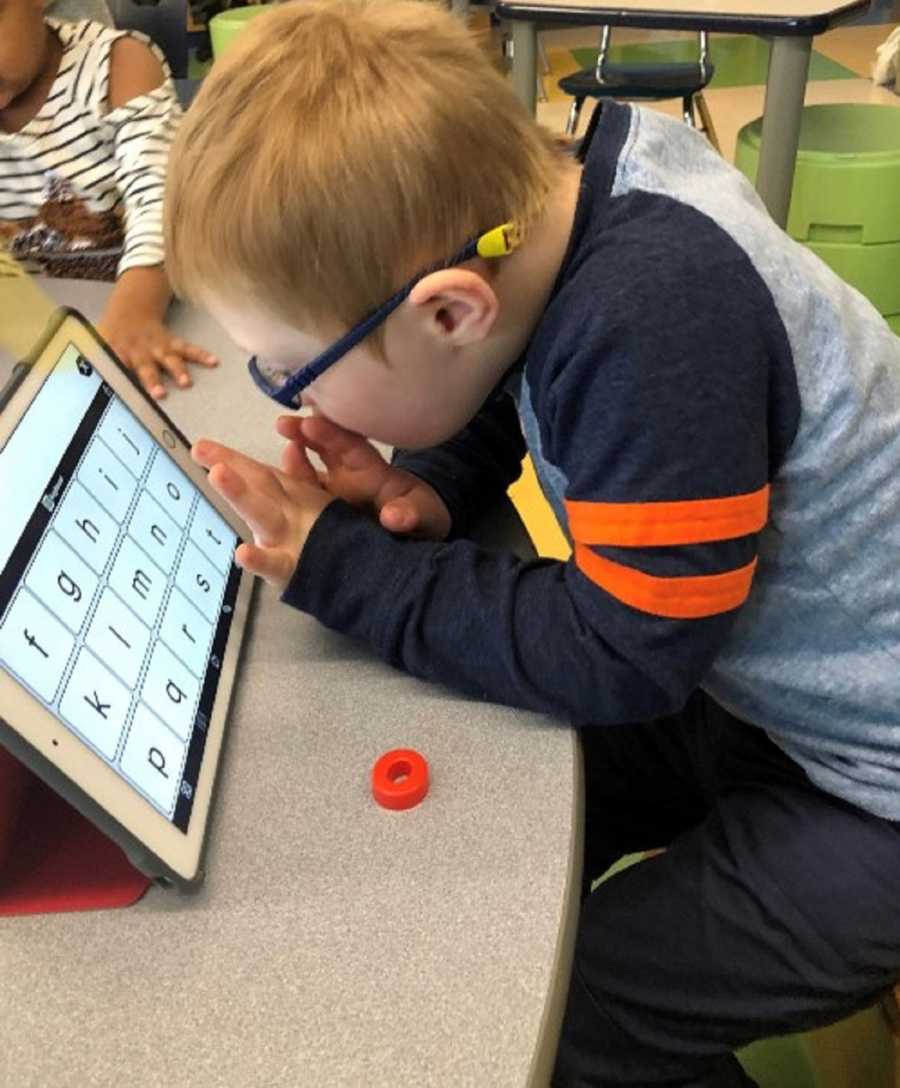
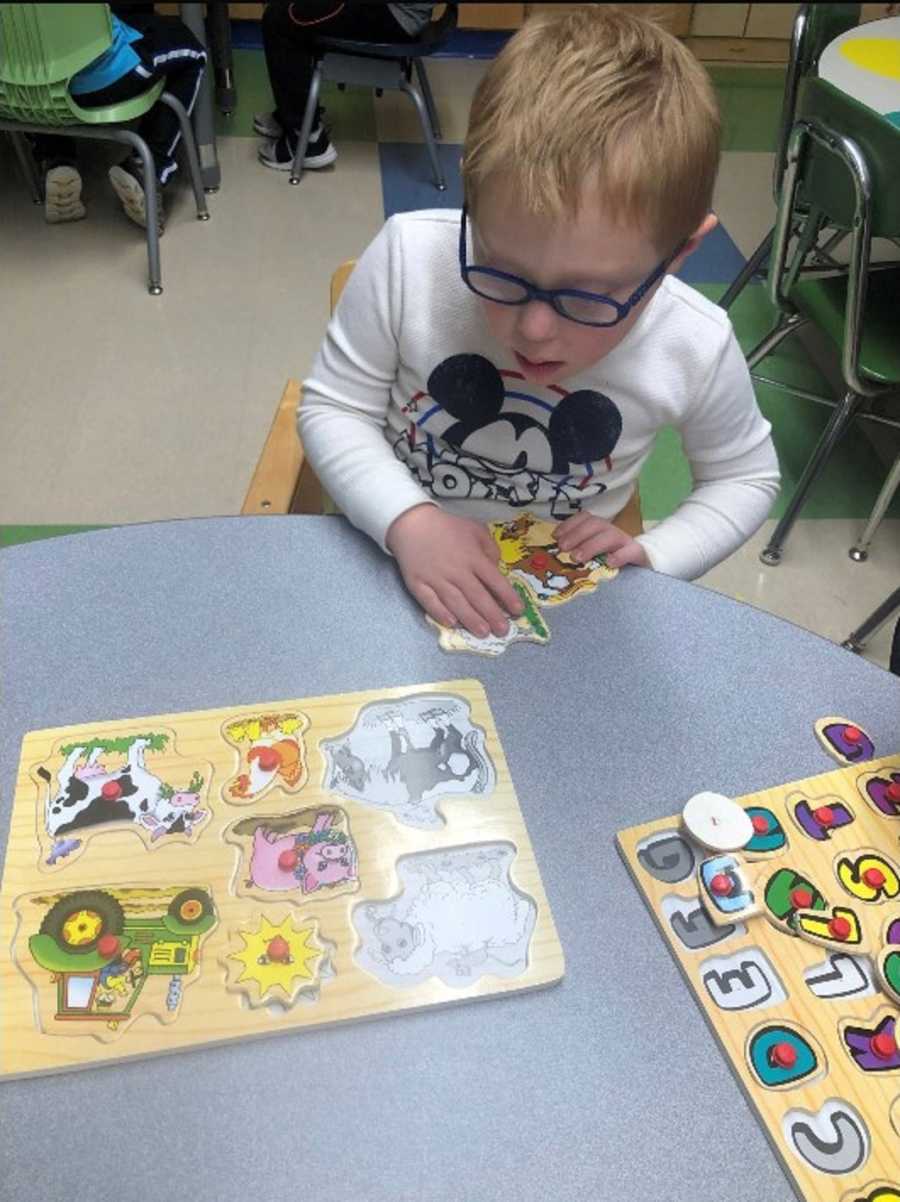
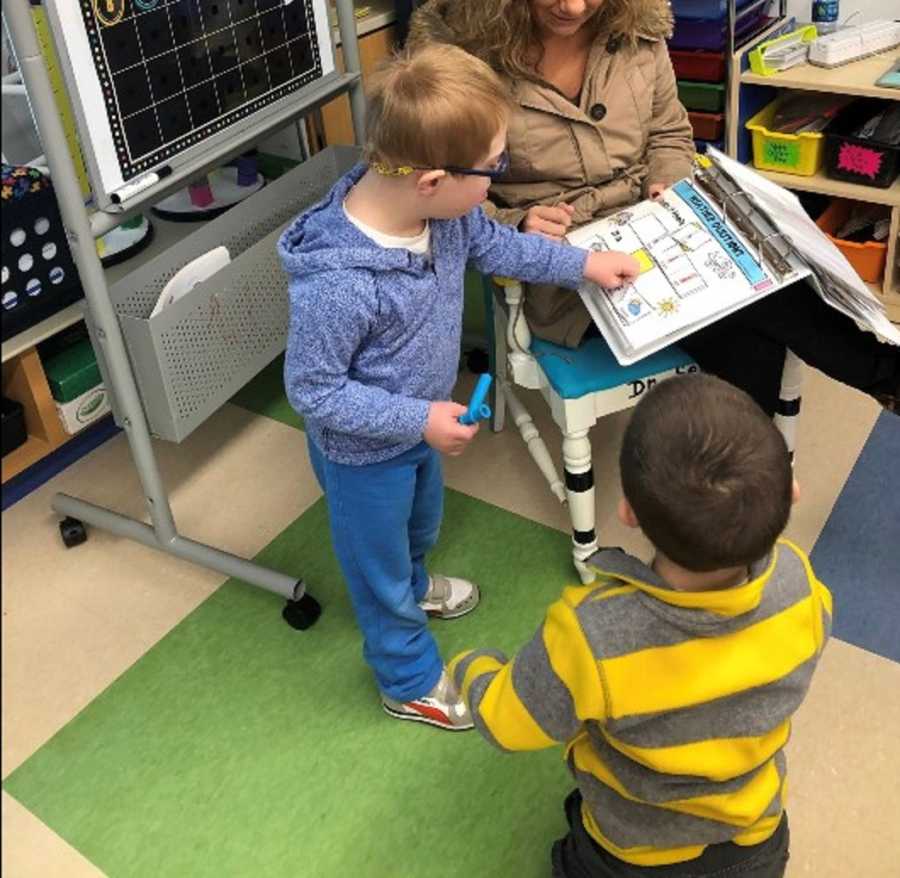
This summer, I faced one of the hardest goodbyes of my life: leaving Judah’s private preschool. It was a place that loved him so well, embraced inclusion fully, and whose name, translated, means “to set free.” It was a bubble of warmth and acceptance, and the thought that it would be popped the moment Judah walked into public school for kindergarten was almost unbearable.
When fall arrived, I approached the new school year with an open, yet cautious heart. I’m a kindergarten teacher myself in a public school, so I knew exactly what awaited Judah. I knew the expectations, the pace, the tsunami of obligations that can overwhelm even the most capable teachers—and now, my son would face it all as the youngest student in his class, having missed the cutoff date by a single day.
Early in the year, we held a meeting to set Judah’s goals. Around the table were his teachers, physical therapist, occupational therapist, speech therapist, adaptive physical education teacher, vision therapist, my husband, and myself. I was familiar with this kind of circle, having been part of them countless times in his preschool. Back then, we’d laugh over Judah’s quirky charm, marvel at his hugs, celebrate his efforts—and then talk about delays, leaving my stomach knotted, my eyes brimming, as I reminded myself this was the path to get him the support he needed.
This circle felt different. It celebrated Judah a little less and reminded me, a little more bluntly, that he was functioning closer to a three-year-old than a five-year-old. Leaving the meeting, I felt uneasy—but we’d put some good things in place, and we had already found some wins. And here’s a truth for any parent reading this: we cling to those wins. They are the lifeline that keeps us fighting.
A few weeks later, that familiar marigold envelope appeared in Judah’s backpack. I hadn’t expected his report card yet, but I was eager to see the evidence of his goals in action. Instead, I was met with shock: the page was littered with the lowest possible scores. My stomach lurched, my ears burned, my blood boiled. Before I could even process it, I took a screenshot and sent it to anyone who might help: former teachers, friends in the district, colleagues, special education specialists, family. The responses started pouring in—logical explanations—but my motherly instincts were still furious.
I decided to speak up. I wrote a letter to the person who developed the report card, CC’ing the head of special education. Here’s an excerpt:
Dear ****, Per your request, I would like to offer feedback on the current report card. As both an educator and the mother of a child with Down syndrome in your district, I am deeply concerned about how my son is represented. Judah, a 5-year-old who turned five just one day before the cutoff, works hard and loves school. He’s been in school since age one and received early intervention from just 13 days old.
His report card shows all 1’s, mostly ‘L’s’ in habits of the worker. While my colleagues explained that these scores reflect standards-based measures Judah has not yet met, my concern is the ongoing impact. How will he feel, and how will parents feel, when a report card paints a picture that contradicts the growth they witness daily?
I urge you to meet these students where they are, to adapt report cards to reflect daily growth, or focus solely on IEP goals. Legal documents like report cards must not diminish the progress of children with disabilities.
In solidarity, Beth
I never received a response, but sharing the letter on social media brought an unexpected wave of support. People understood:
“Absolutely! Celebrate progress from Point A to Point B—every child moves at their own pace.” “He is a precious boy. I cheer with you for every gain he makes.” “The IEP shows progress far better than the report card ever could.”
And that’s the truth I want every parent to hear: pay attention to the people who love your child. Focus on wins, no matter how small. You know your child better than anyone else. And when you feel anger or frustration, channel it. Use it as fuel for advocacy.
A side note: I was a solid C student growing up. Report cards made me physically ill because I feared disappointing my parents. The moment I stopped caring, all my grades were A’s and B’s—but the point is this: report cards can leave us feeling self-doubt, sadness, shame, or fear. They don’t define your child’s worth or your love for them.
So hold onto your wins. Keep advocating. Keep loving. Keep celebrating. That marigold envelope may be a legal document, but it will never capture your child’s heart, effort, or brilliance.