“You just have the baby blues.” That’s what I was told when I called my OB’s office at two weeks postpartum, my voice breaking, my chest tight with desperation. I had finally mustered the courage to reach out for help, and instead of being met with understanding, I was brushed aside and lumped in with everyone else.
Through tears, I said the words I had been holding inside: “I think I have postpartum depression.” The receptionist transferred me to the intake nurse, who asked a series of standard questions meant to assess if I was a danger to myself or others. I distinctly remember her asking, “Are you having thoughts of harming yourself or others?” Too ashamed to admit that I actually was, I quietly said no. Then came her verdict: “It is NOT postpartum depression because you aren’t suicidal.” She added, as if my guilt wasn’t already crushing me, “Try to calm down as much as you can. Stress can pass through your breastmilk and upset your baby’s stomach.” She told me to buy essential oils and, if I ever felt like this again, to call so she could “talk me off the ledge.”

I hung up and could barely breathe from crying so hard. I felt invisible, like I was speaking and everyone around me was deaf. I turned to my husband and said, “This is why we lose so many women during the postpartum period. We find the courage to ask for help, and we get ignored.” But I didn’t give up. Five days later, I called again, insisting on an appointment with my doctor. The very next morning, I was seen and finally diagnosed: severe postpartum depression and borderline psychosis.
This wasn’t my first experience with postpartum struggles. My older son was born in January 2018, and though my symptoms lasted only two weeks, I now realize I had undiagnosed postpartum anxiety. At the time, I chalked it up to being a first-time mom and slightly neurotic. But I lived with terrifying thoughts about what could happen to him. I rarely let anyone else hold him, and the only time I left him was when I had my second child. My anxiety escalated into obsessive-compulsive disorder—I had to perform repetitive actions and speak certain phrases at night, fearing something terrible would happen if I didn’t. I insisted my son wear the same pajamas every night to protect him from SIDS, and I spent hours obsessively Googling every tiny concern.
At the same time, I loved being a mother with every fiber of my being. Being a stay-at-home mom was my dream. But I wished I could feel more relaxed. I thought, this is just the kind of mother I am.
Fast forward to September 2018, when I found out I was four weeks pregnant with my second child. I had never felt so terrified in my life. I experienced every emotion imaginable. I tried to reassure myself: nine months to adjust, I’ll be ready by May. But by March 2019, at around 30 weeks pregnant, I felt emotions I had never experienced before. Overwhelmed with a clingy toddler, a husband working shifts, and no breaks from my children, my mental state began to unravel.
The pivotal moment came one day at home with my toddler. Holding him while heavily pregnant, my dog’s barking triggered an intense, uncontrollable rage. I smashed the window of our door while holding my child. Immediately, ashamed but aware something was deeply wrong, I called my husband. At my 30-week appointment, I told my OB, “I think I’m suffering from depression.” His response: wait until the baby comes, see how you feel, and if things don’t improve, we’ll reassess.
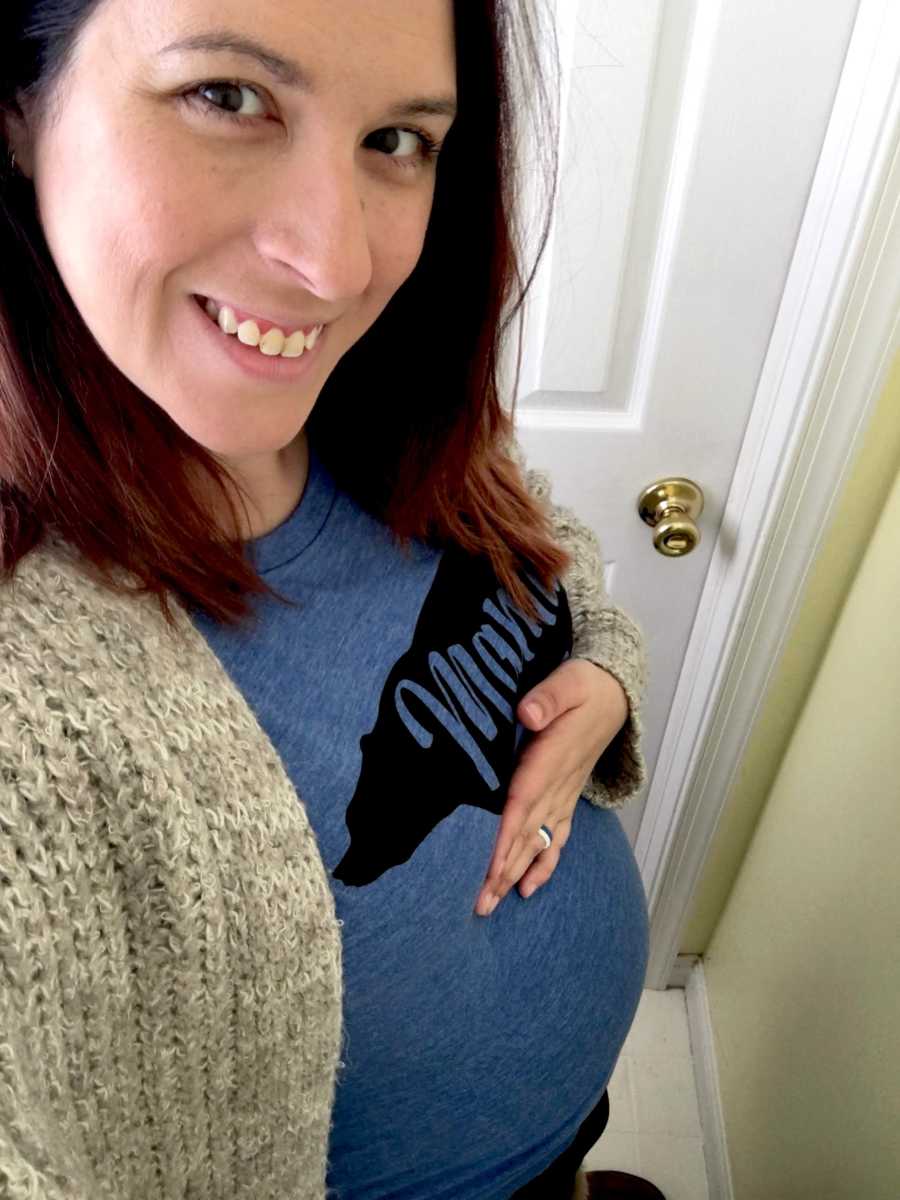
The last ten weeks of pregnancy were hell. I cried every day. I resented the baby growing inside me, wishing I could leave him at the hospital, viewing him as a burden rather than a joyful addition. I was too ashamed to speak about my thoughts, even to my husband, terrified that if anyone knew, my children would be taken from me. I knew I wasn’t crazy, but my thoughts felt utterly wrong.
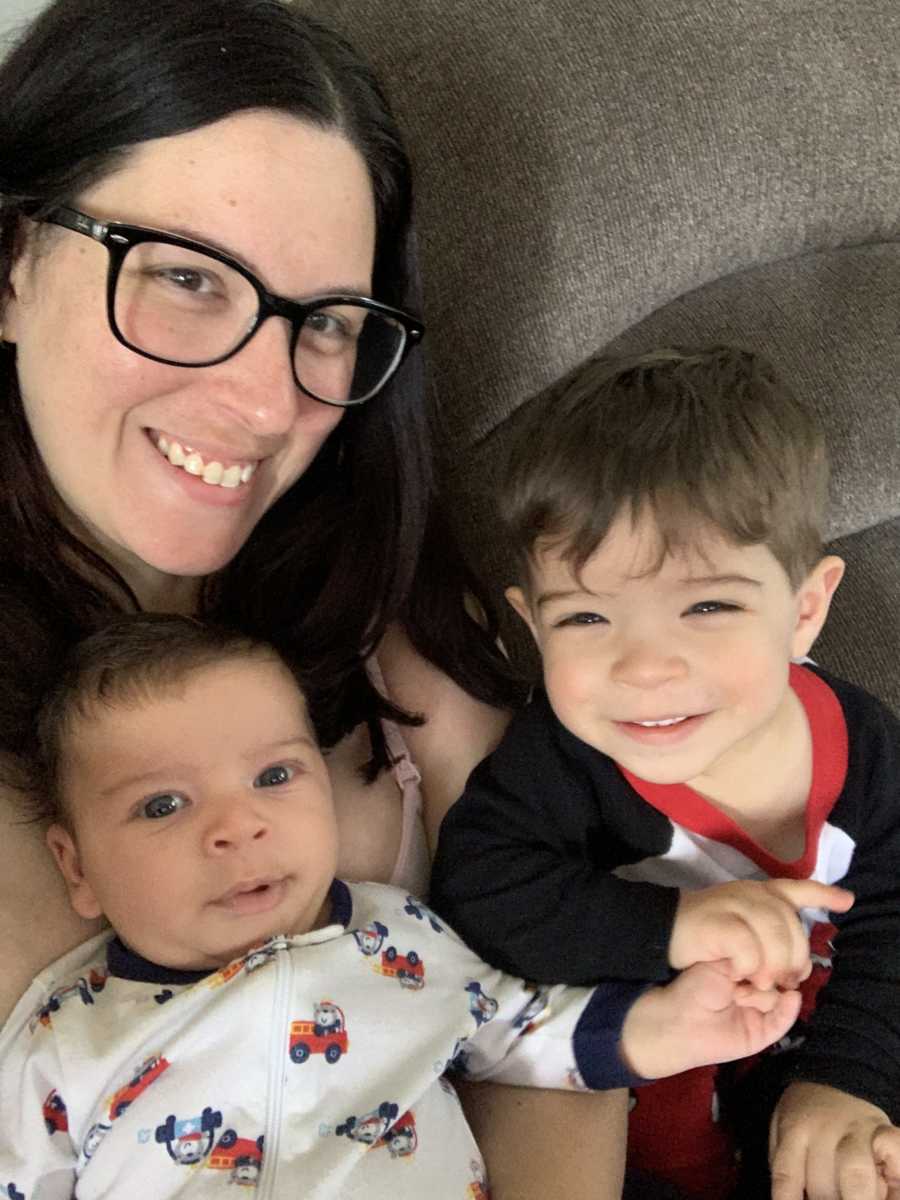
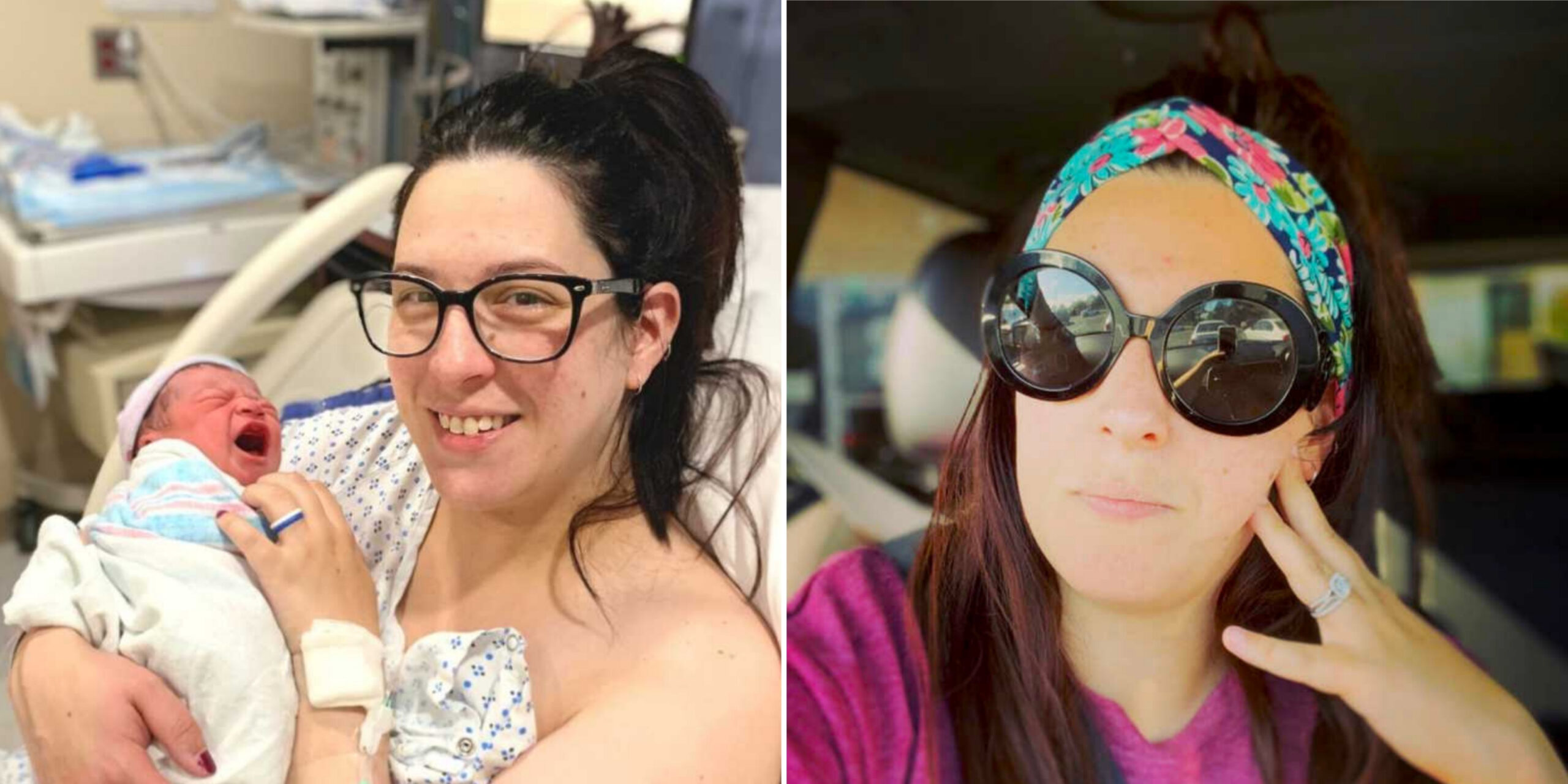
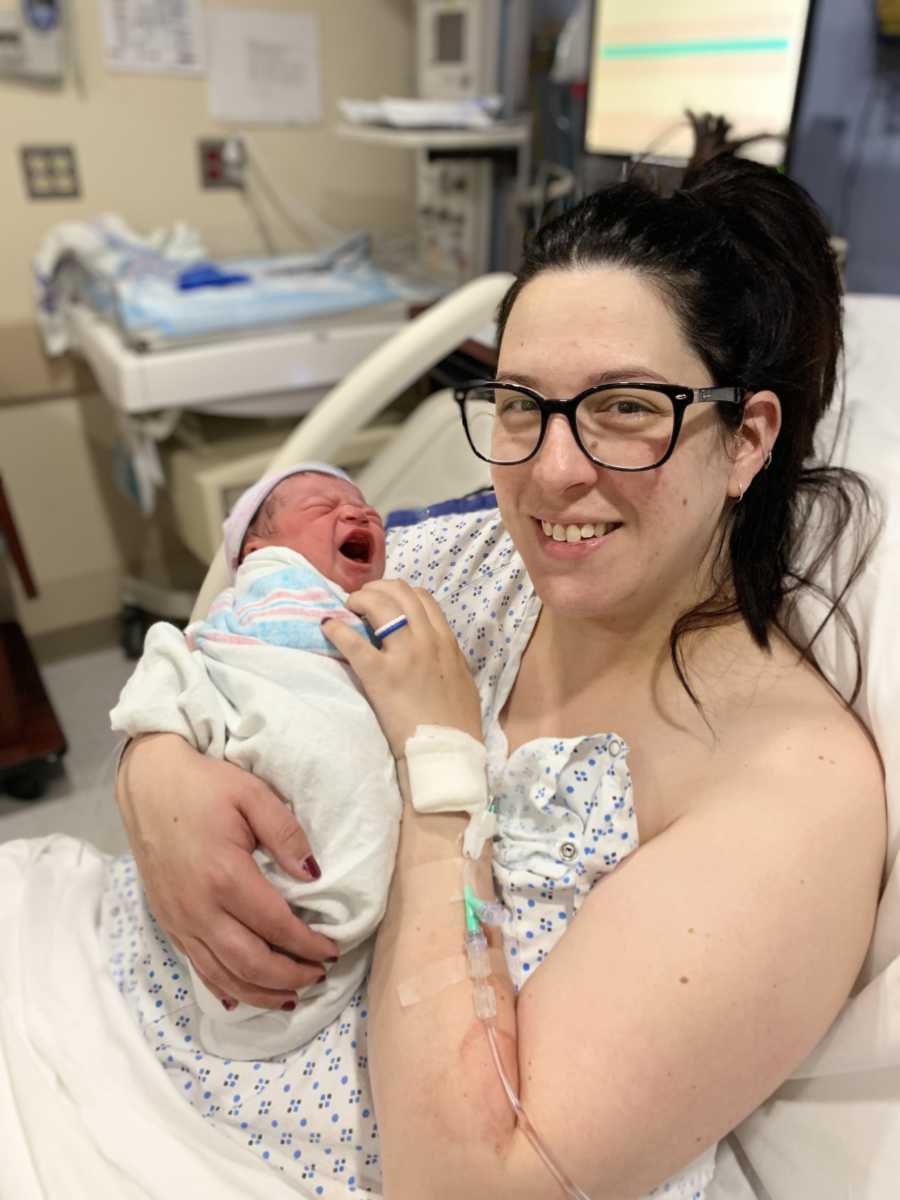
In May 2019, I delivered a healthy baby boy—but the darkness deepened. After being diagnosed with postpartum depression, I started Zoloft and therapy. After three and a half months, I saw no improvement. I decided to leave therapy and search for a specialist in postpartum mood disorders. This was far from simple. Insurance issues meant I would have to pay out-of-pocket, an almost impossible burden for a single-income family with two children.
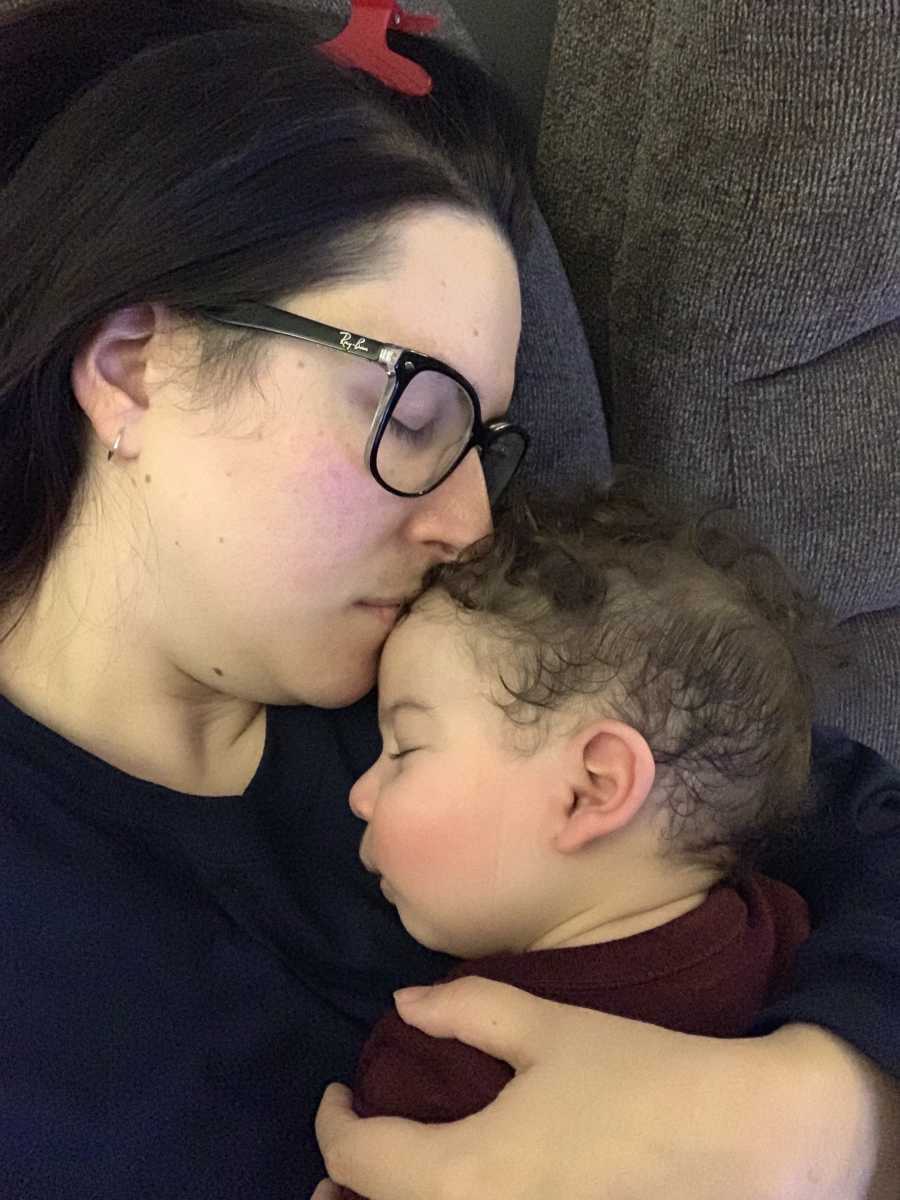
I found hope in the support of an incredible advocate from 2020MOM, Joy, who became my confidant and cheerleader. She gave me a platform to speak about the struggles of accessing maternal mental health care and even invited me to share my story at a summit in LA in February. Her relentless advocacy helped me finally find a postpartum psychologist. It took months—months in which my depression was allowed to fester. Now, after three sessions with my new therapist, I feel a glimmer of hope, a sense that I am finally heading in the right direction. But I mourn the nine months of suffering that my family cannot get back.
To anyone navigating postpartum mood disorders: I see you. I know how isolating it feels, but giving up is not the answer. Your children and partner are never better off without you. Advocate for yourself, seek help, and hold on.
Months of therapy with the wrong provider taught me I needed someone who truly understood postpartum struggles. My new psychologist listens, validates, and guides me without pushing me beyond my limits. I feel heard. I feel re-energized. And while I never gave up, I now know I finally have the right people behind me.