In 2011, my oldest daughter was born via emergency cesarean. I was exhausted, physically drained, and heavily medicated—so much so that my milk didn’t come in for days. She struggled to latch because of a lip tie, something I didn’t even know existed. I blamed myself constantly—for not knowing better, for not being prepared, for everything. Leaving the hospital, I had no support and was left to navigate motherhood alone. I fell into a dark trap of thinking, “I don’t breastfeed my child, so I’m not good enough.”
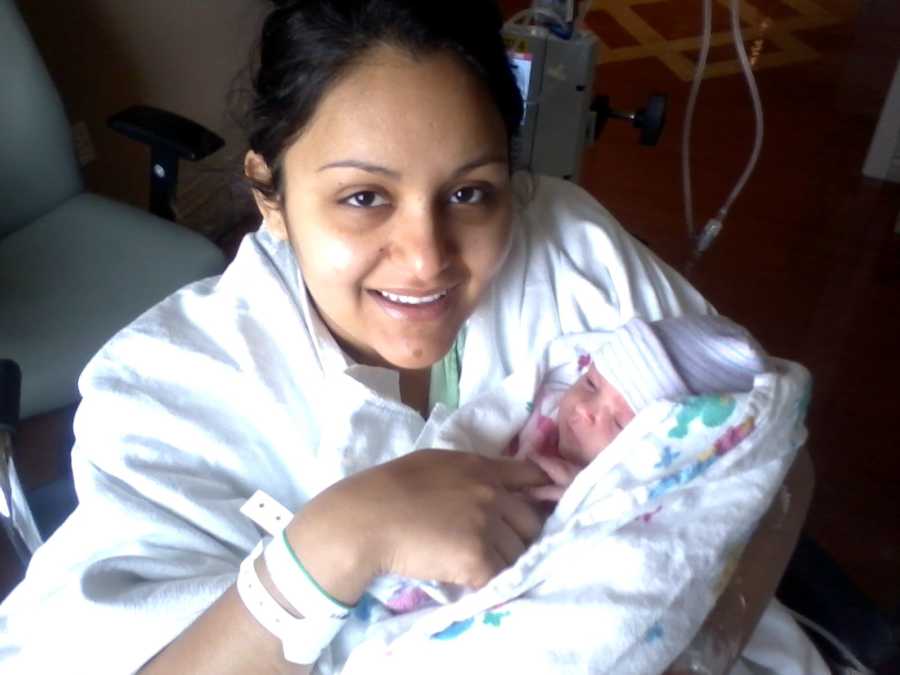
We began supplementing with formula, and I felt an overwhelming sense of guilt. My body wasn’t able to provide what my daughter needed, and the pressure I placed on myself as a new mom felt crushing. I had countless expectations that I simply couldn’t meet, and the result was a deep sense of defeat, isolation, and self-doubt. I hated myself for not being able to do what everyone said should come so naturally.
Have you ever felt that way?
Breastfeeding is often portrayed as the ultimate, effortless bond between mother and baby, but no one talked about their struggles. For us, it just didn’t work. I remember sitting on the couch, tears streaming, my nipples bleeding, and wondering, “Why is my body failing? Why is this happening? What am I doing wrong?” I was devastated.
My husband tried to reassure me, saying, “It’s okay. As long as our baby is healthy and happy, everything else doesn’t matter.” But I didn’t feel that relief. I was confused, lost, and hopeless.
For the first four months of her life, we relied entirely on formula. I was ashamed of that choice, too embarrassed to tell friends or family. We would get pre-made formula to avoid any judgment or questions when we left the house. I carried the weight of feeling like I had to prove something—not to them, but to myself, to this invisible standard of “perfect motherhood.”
Over time, I’ve learned something important: what we feed our children does not define us as mothers. Whether it’s breast or bottle, breastmilk or formula, donor milk or pumped milk, organic or generic—none of that makes us “better” or “worse.” Every family’s story is unique, and no one else can fully understand the struggles behind your choices.
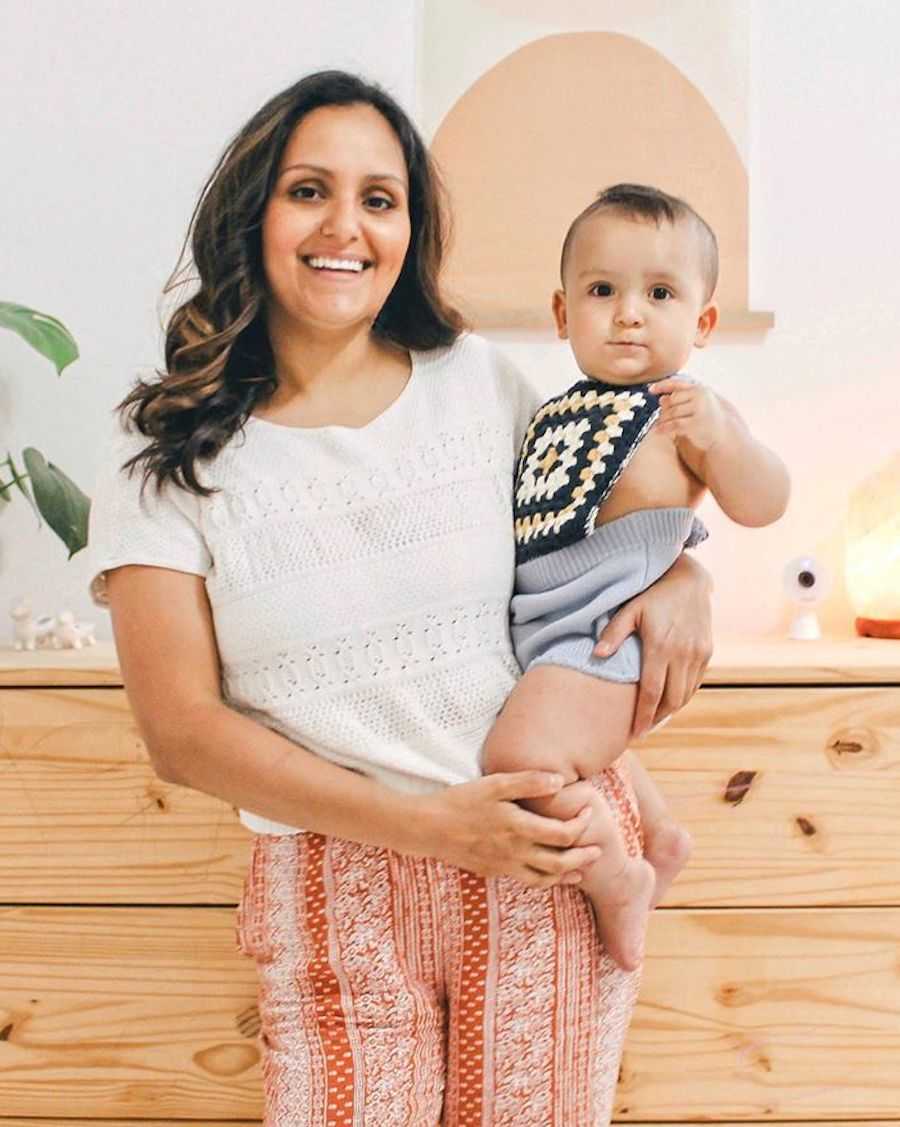
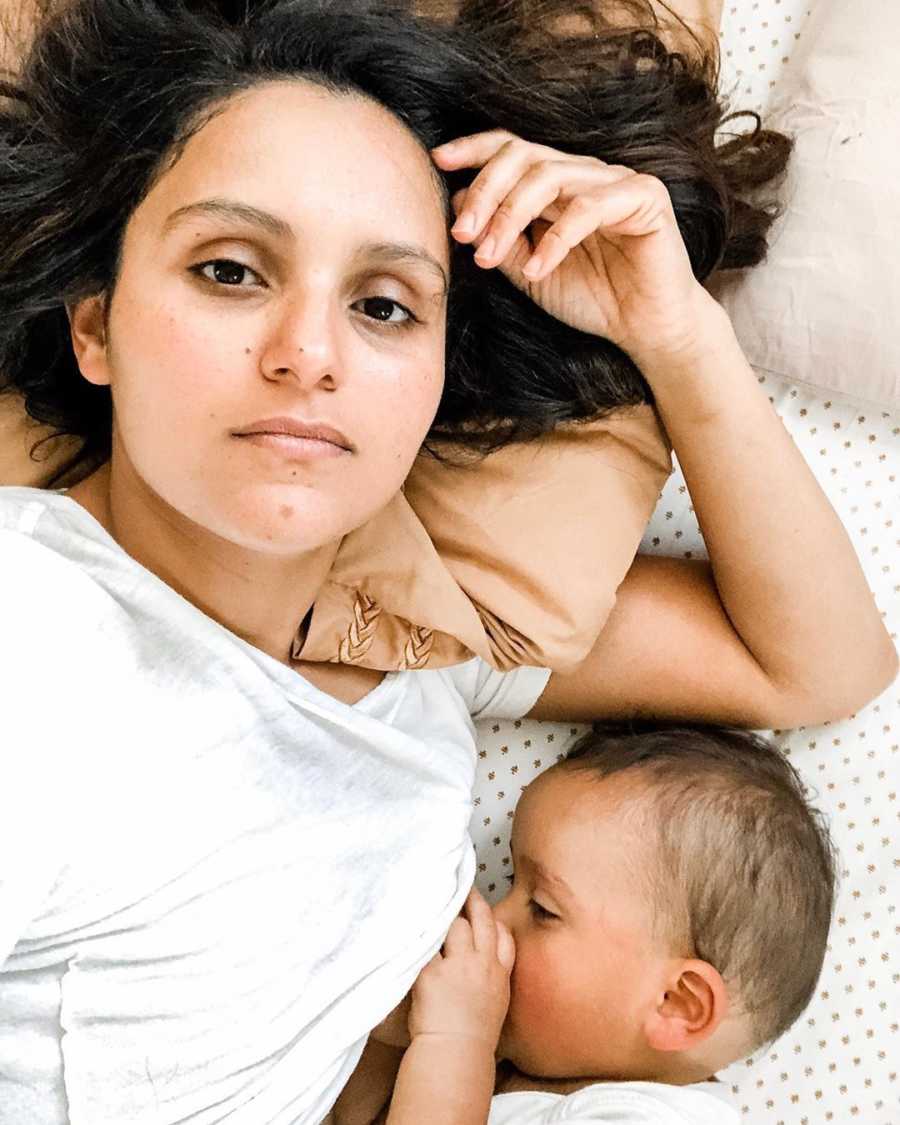
I’ve used formula. I’ve breastfed nonstop for eight years. I’ve tandem nursed while pregnant. And just last week, I pumped and bottle-fed.
Through it all, the love I have for my children never changed—not because of what they ate, but because of every sleepless night, every comforting hug, every sacrifice I made for them.
I hope no parent ever feels ashamed of their feeding choices. You don’t need to defend them. Parenting is hard. You are enough. You are doing an amazing job.