Most kids dream of becoming a doctor, an astronaut, or a veterinarian. I had similar aspirations, but deep down, I always knew my greatest desire was to be a wife and a mother. In 2012, one of those dreams came true—I married my best friend. I thought love alone might bring a baby, that if my husband simply looked at me the right way, I would get pregnant. I couldn’t have been more wrong. The next six years were filled with heartbreak: unexplained infertility, loss, and crushing disappointment. One doctor’s words still haunt me to this day. As she glanced down at my chart and spoke, she said, “You know, sometimes you just have to be honest and stop kidding yourself. You have to know when to quit.” Her words pierced my heart like a knife and hacked away at my hope for the next three years.
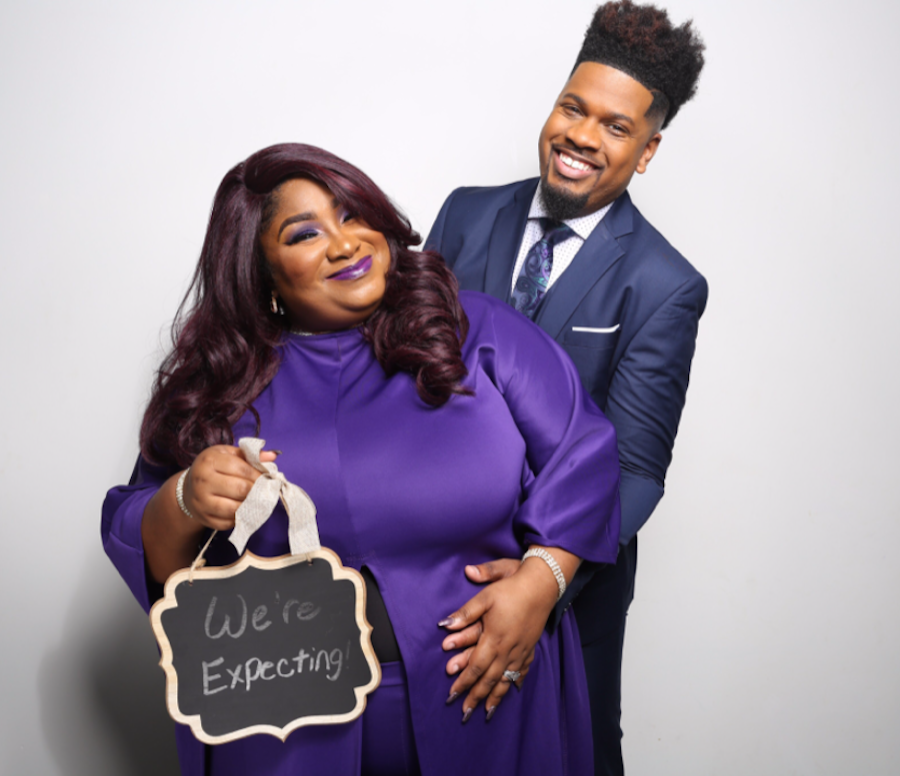
By the fall of 2017, I had shifted my focus to other goals, earning my Bachelor’s degree, yet the ache for a child never left me. In early October, I began experiencing pregnancy symptoms—but intensified. Fear of heartbreak kept me from embracing hope. After a week of my husband practically begging me, I finally gave in and took a pregnancy test. Before it even touched the counter, I saw the line and screamed: “WE ARE FINALLY PREGNANT!” From that moment, my pregnancy felt like a dream. I was followed closely by a high-risk fetal medicine doctor, with lab work and ultrasounds at every appointment.
At my 24-week checkup, my regular doctor had an emergency, so I saw a partner. I was seeking clearance to fly cross-country for a show and babymoon with my husband. A little ankle swelling was dismissed since my blood pressure was normal. He didn’t order repeat labs, and I left feeling confident. In Las Vegas, the swelling quickly worsened. My legs were so swollen I could barely walk, and by evening, I was winded just moving. Overnight, I couldn’t lie flat without struggling to breathe. Fear gnawed at me. I messaged my doctor and began self-diagnosing on WebMD—while trying to convince myself I was fine. Her urgent reply sent us home immediately.
At the airport, walking became nearly impossible. Airline staff helped us navigate to the plane. Mid-flight, a sharp upper abdominal pain hit, and I realized my feet were bursting the seams of my shoes. Exhausted, unhydrated, and having not eaten in over 20 hours, I took Tylenol and tried to push through. Upon landing, my vision blurred, and I lost color perception. Fear gripped me. We headed straight to the hospital.
Labor and Delivery initially redirected me to the ER. When vitals were finally taken, the numbers shocked everyone—BP 262/148. A red alert brought a dozen staff rushing in. The next hour was a blur of labs, x-rays, fetal monitoring, and medications. A doctor explained: I had severe preeclampsia, with significant protein in my urine. I would remain hospitalized until delivery. Then, the reality hit harder: I had sudden-onset, severe preeclampsia and HELLP syndrome—my kidneys and liver were failing. I needed an immediate emergency cesarean at just 26 weeks.
The doctors’ words felt like an 18-wheeler crushing me: my daughter could face brain bleeds, seizures, cerebral palsy, or developmental delays. I would undergo general anesthesia, unable to have my husband by my side. Saying goodbye, I was wheeled to the OR, fear engulfing me. A nurse whispered a prayer as I drifted into unconsciousness.
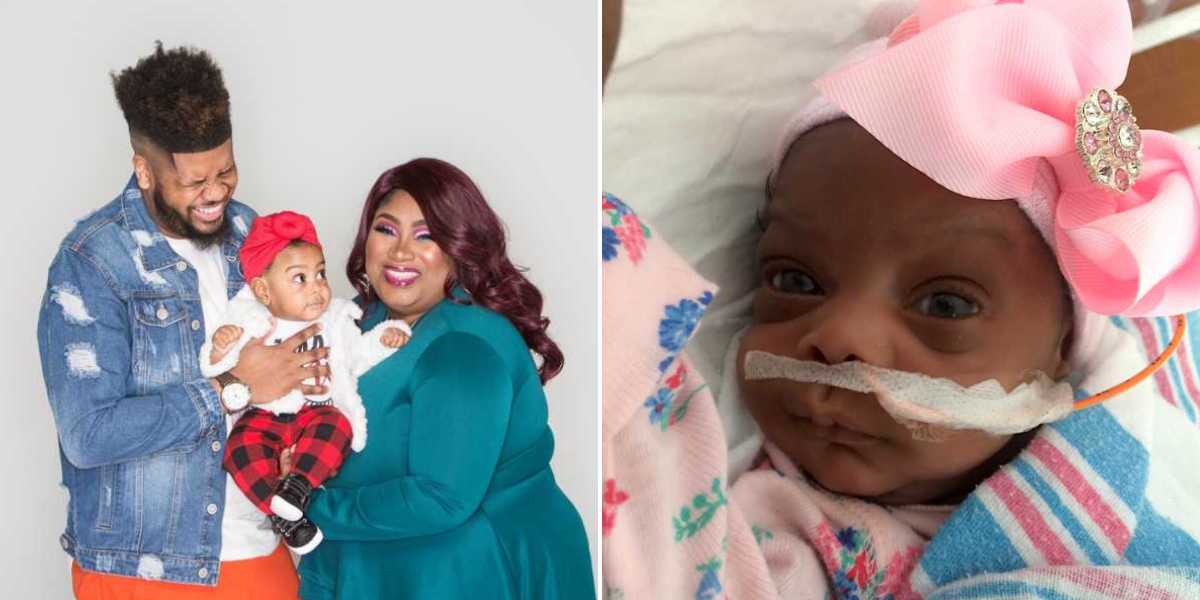
I awoke in a ventilated haze, groggy and panicked. Two doctors explained that although the c-section went well, my organs were still recovering. Luckily, I avoided a liver transplant. My husband arrived with news: our daughter, Reign, was born at 6:32 p.m., weighing 1 lb 15 oz and measuring 15.5 inches—an incredibly long baby for 26 weeks. Twelve hours later, my vitals stabilized, and I was wheeled to her incubator. Tiny and fierce, she grabbed my finger, and in that moment, I knew we would survive this together.
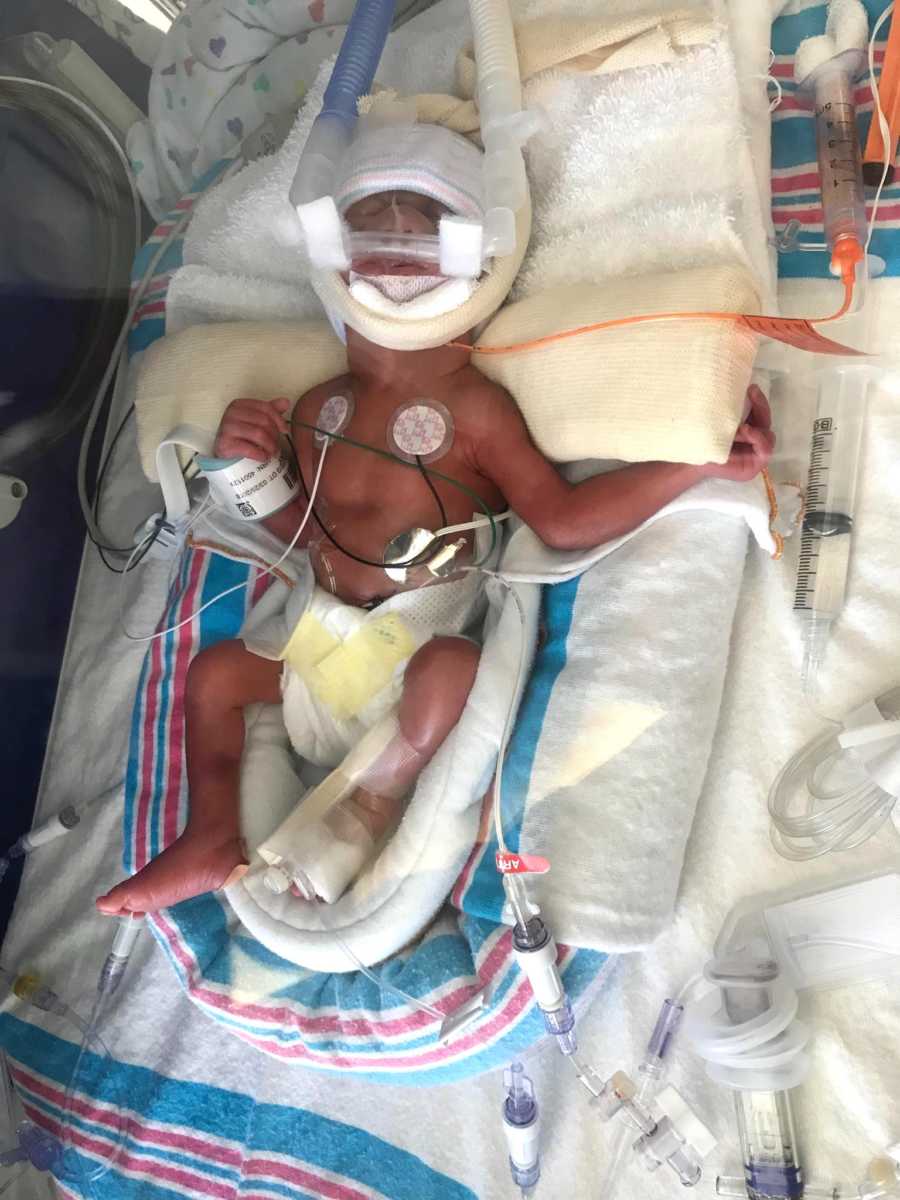
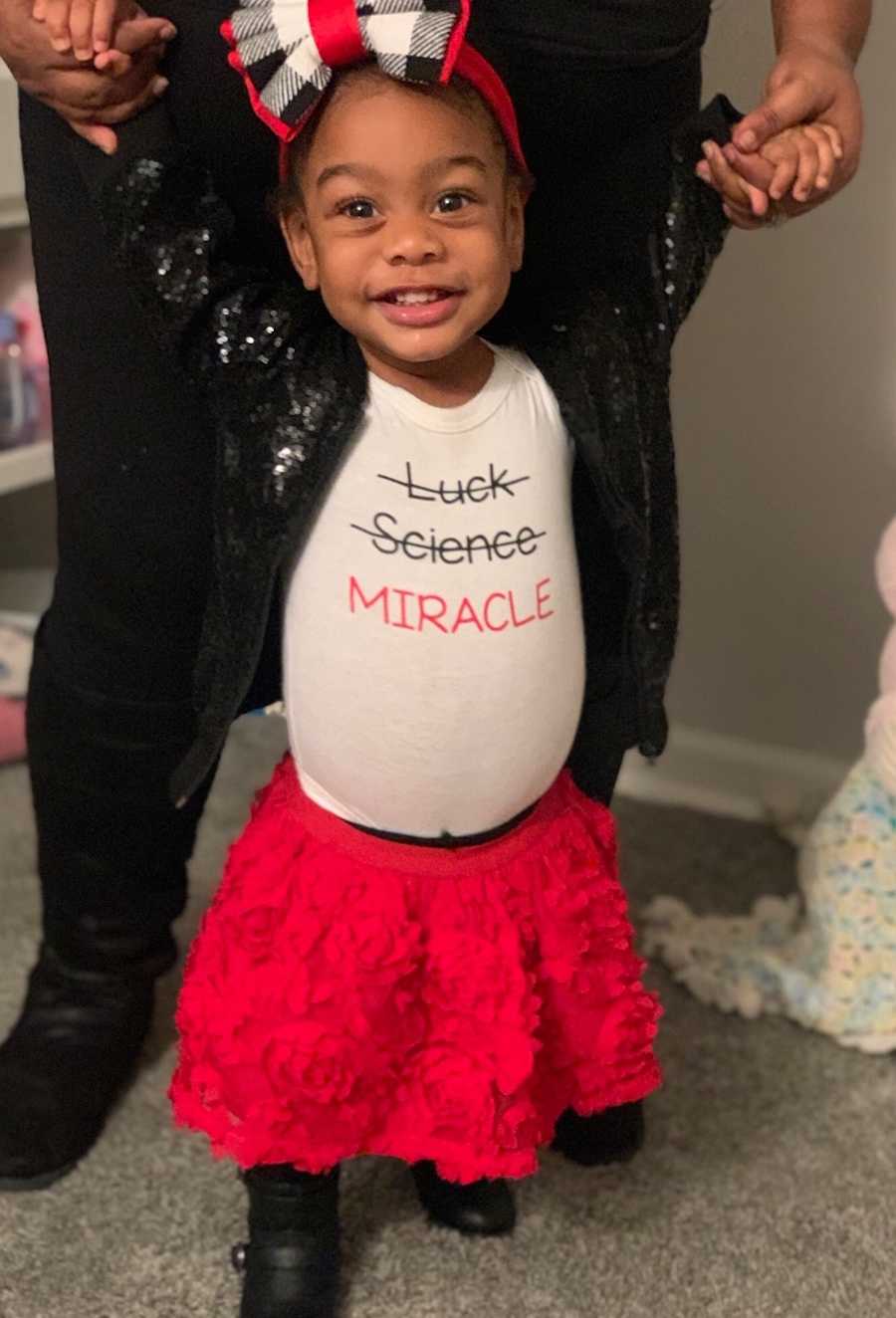
Reign struggled initially, requiring ventilation and suffering two lung collapses in her first five days. Chest tubes, blood transfusions, and bubble CPAP became part of her fight—but by week seven, she was breathing entirely on her own. For her 80-day NICU stay, she led the milestones, undergoing eight blood transfusions and two rounds of phototherapy for jaundice, but ultimately left weighing 6 lbs 10 oz—three weeks earlier than predicted—without oxygen, monitors, or medications. Her homecoming was a celebration shared with family, friends, and social media followers who had prayed for her journey.
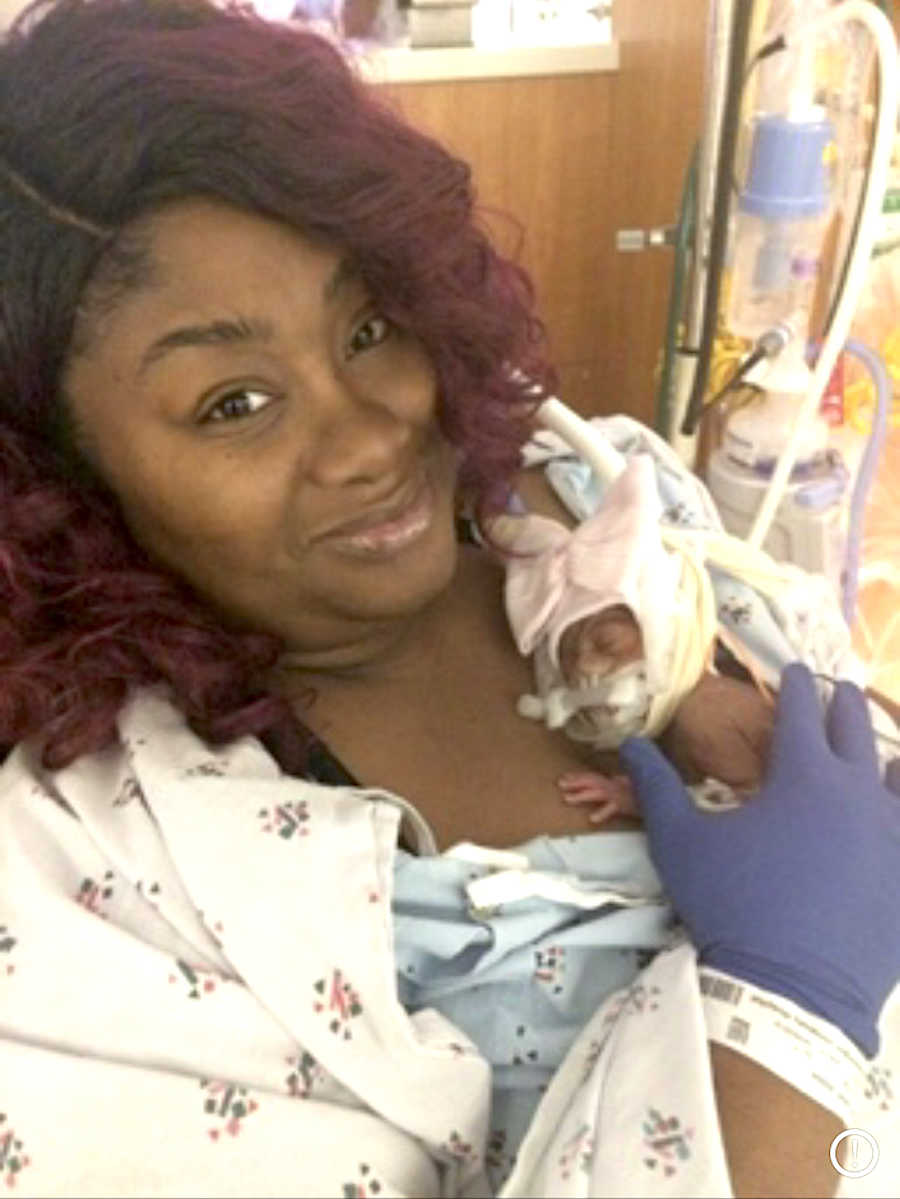
Even after returning home, Reign’s lungs remained fragile. She battled croup, bronchiolitis, pneumonia, and RSV twice, requiring oxygen support into the spring of 2019. Yet despite the initial grim predictions, she hit all her developmental milestones and now thrives at 25 lbs. Our journey through prematurity, near-death birth, and parenting a medically fragile child inspired us to become advocates for March of Dimes, mentoring NICU, preemie, and medically fragile parents. Most recently, we participated in the March of Dimes “It’s Not Fine” campaign, sharing our story to remind others that even in the darkest, scariest moments, hope can REIGN.