Child abuse is war.
It was in November of 2013 that I made a decision to completely change the trajectory of my life. At the time, I was 150 pounds overweight, cheating on my girlfriend, battling a persistent bacterial infection from drinking too much, smoking nearly two packs of cigarettes every day, and getting high from the moment I woke up to the moment I went to sleep. I was thriving professionally—as a wedding photographer building a name for myself, running an e-commerce clothing brand, and juggling a third job to cover the expenses of the second business—but my personal life was a total disaster. I was a workaholic consumed by a million projects, which meant I didn’t have to face myself or the chaos of my relationships. Photography had opened doors to incredible opportunities: working with large companies and gaining recognition in multiple publications. Yet behind the curtain of success, my life was nothing short of CHAOS.
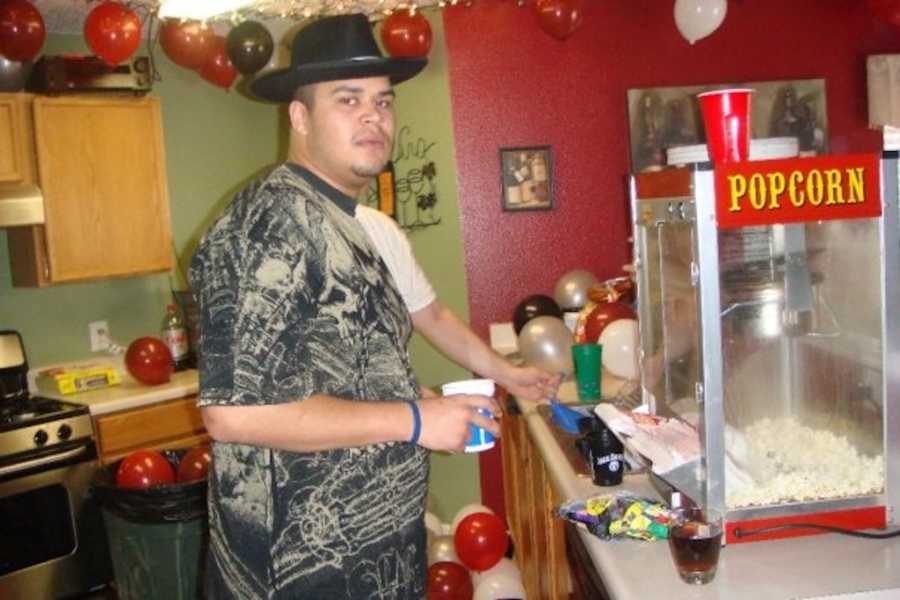
I woke up one morning, my lungs on fire, my head pounding, my body shaking, feeling more lost than ever. Guilt and shame circled my brain like a police siren after getting extremely intoxicated and cheating again. I felt the pain of knowingly sabotaging my life, which only made me spiral further, caught in a cycle of self-destruction. I was trapped in The Vortex. The voice inside my head screamed relentlessly: “You are a fcking loser. Look at your life. You are a piece of sht.” I couldn’t argue with it, because the voice was speaking the truth. There’s no lying to yourself when self-talk is brutally honest.
I had mastered deception, spinning elaborate stories, hiding the truth from myself, and orchestrating chaos. But I couldn’t hide the darkness that was spilling into the world around me. I couldn’t hide the shame of being 150 pounds overweight as I struggled to button a size 4XL shirt or wrap size 47 pants around my waist. I couldn’t hide the truth that I was drinking and smoking myself to death, avoiding intimacy, compassion, and vulnerability, and was terrified of my own potential.
TRAUMA, by definition, is a deeply disturbing or distressing experience, and I was forged in its fire. I was a living embodiment of trauma. The person in the mirror wasn’t me, not really, and I knew it.
My journey mirrors that of millions around the world. I grew up surrounded by chaos. My mother, Donna, was a drug addict and alcoholic. When I was almost four, she cut off my finger, claiming it was a bicycle accident—but my grandmother told me otherwise. I will never know the truth. My mother was narcissistic, manipulative, cold, cruel, and ultimately a victim of the very abuse that shaped my siblings and me. She was bipolar, manic depressive, suicidal, and always put herself before her children. She often wandered the house naked and high. Reading The Truth by Neil Strauss helped me understand that our relationship was covertly incestuous: she often slept nude next to me when my stepfather or other men weren’t around, labeling me the “man of the house” and rewarding me for being her “big man.” I learned manipulation, lying, and theft from watching her weave deceitful webs to get what she wanted. I believe her own abuse shaped her path of self-destruction, which left a lasting imprint on my siblings and me. Our home became another example of intergenerational child abuse manifesting itself.
When I was 18, I made the hardest decision of my life to preserve what little safety I could: I told my mother, “You and I will never speak again.” That night, she attacked me in my sleep, and I had to defend myself physically. Until that night, I had never hit her, even in self-defense, but her drug-fueled assault was the last straw. From that moment until her death, I had almost no contact with her. Eventually, the little pills—the rounds of narcotics—would take her life.
My father, Michael, after whom I am named, abandoned me when I was barely two. When people ask about him, I often say I never met him, but the truth is more complicated. I met him once, around my fifth birthday. He picked up my brothers and me from our rundown westside Indianapolis apartment, promising to take us to buy presents at a northside mall. Instead, there were no gifts, only a slice of pizza in the food court. When we asked to ride the penny horses, he beat us in front of onlookers who did nothing. I never understood why, but that memory is seared into me. Carrying his name has been both a burden and a motivator: part of me wants to change it, while another part strives to prove my strength in spite of him.
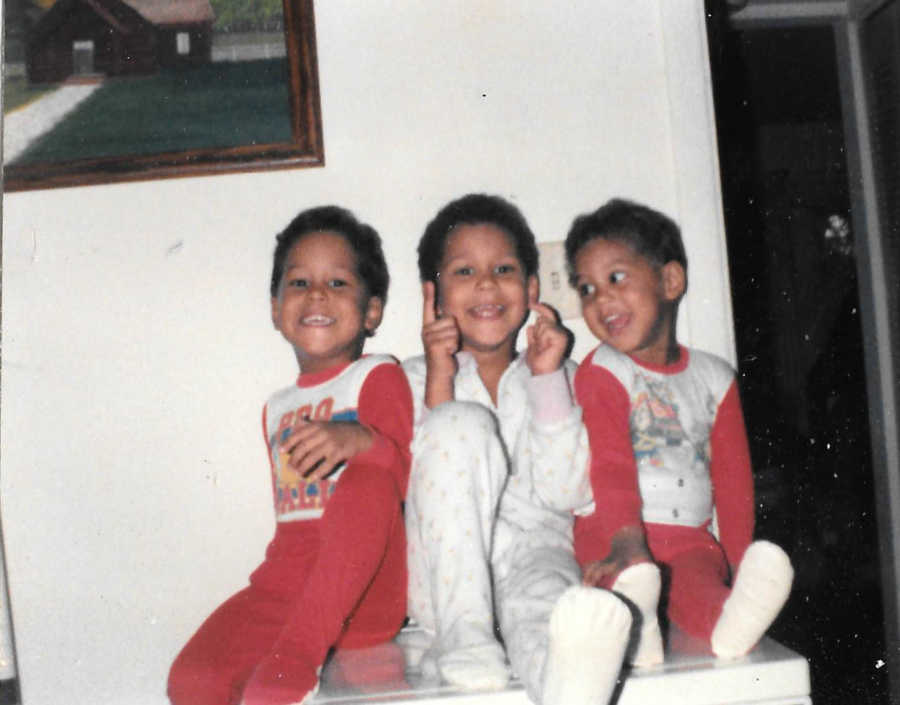
My stepfather, Sebastian, was hyper-abusive. He enjoyed tormenting me: flicking my head, calling me fat and worthless, hitting me for asking questions. Once, when I confused the word “Pisces” with “feces” while reading my baby brother’s horoscope, he slammed me into the closet door. My youngest brother was his only biological child and the only one spared from abuse. My stepfather took pleasure in waking my brothers and me to beat us. He would scream, “Keep crying and I’ll give you something to cry about!” Over time, I learned to stop crying, to accept pain as a normal part of life. The night he beat us so hard that I passed out on the kitchen floor marked the end of my childhood. The “punishments” we endured were harsher than what most people inflict through the worst crimes. At school, I faced bullying, but home was worse.
The few nights my stepfather was gone offered me small solace. Working hundreds of miles away as an over-the-road truck driver, his absence allowed me brief moments of safety. I would hear his car door close in the driveway and sprint to a window, knowing the time between his arrival and entering the house was just enough to hide a teddy bear in my underwear to take the brunt of the punishment. At 6’4” and over 200 pounds, his punches hurt more than I can describe. From closets to walls to constant fear, my life was a perpetual state of anxiety.
I understand that like my mother, my stepfather likely endured torment in his own childhood. During summer breaks, we occasionally stayed with his mother, Mary, who babysat my siblings and me along with her four foster children. The way she treated those children rivaled any horror story. They were starved, beaten, and humiliated. Once, after a girl hid a corn muffin to eat later, Mary dragged her by the hair to the garage, stripped her naked, beat her, and forced her to eat the muffin off the oil-soaked floor in front of all the other children. This was so routine that I was desensitized. I had encountered terrible people before, but her cruelty was on another level.
I grew up in the Mormon Church, often homeless or impoverished. Church parishioners took us in or offered money for bills, but during these times, I was molested by one of the ward’s mothers. When I confided in my mother, she forbade me from saying anything. Later, when I brought it up again, she denied it, calling me a liar. I carried this shame for decades. I also witnessed abuse in other homes I stayed in through the church, living with as many as 30 different families. Behind their closed doors, horrors hid beneath Sunday smiles.
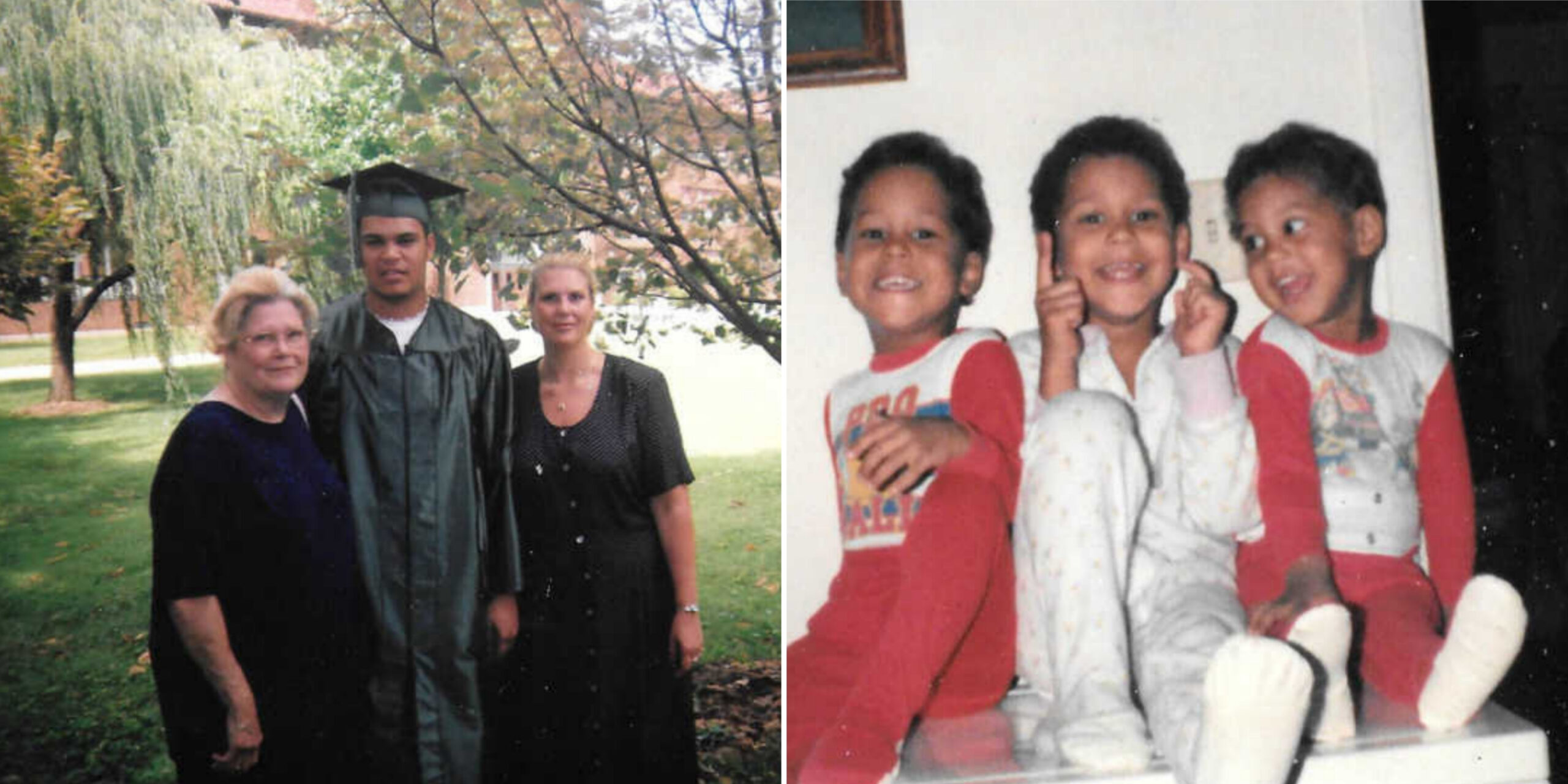
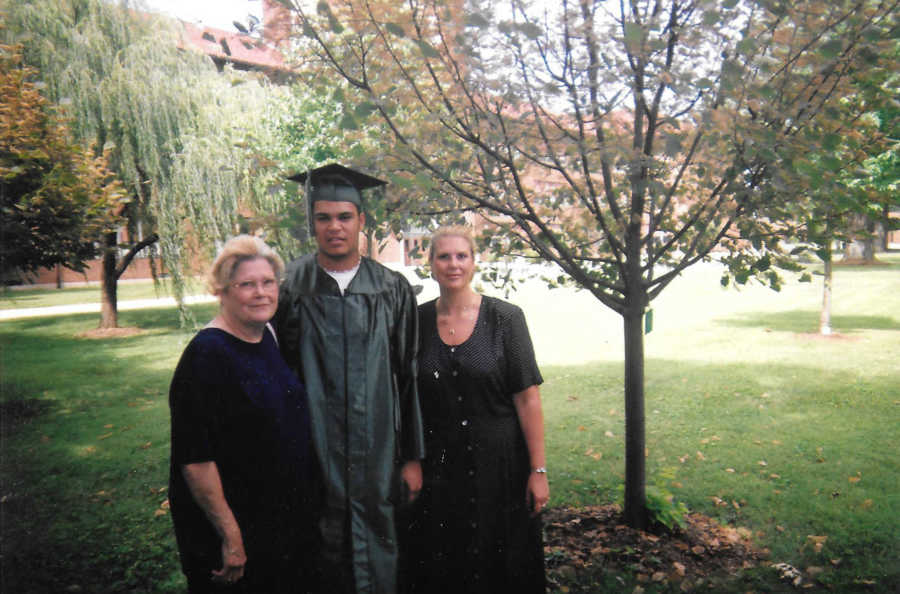
I began drinking daily before graduating high school, as did many of my peers. I was on a fast track to failure until two teachers changed my trajectory. Mr. Hollingsworth, the only man who showed genuine belief in me, recognized my potential in wrestling and in school. He was the first to notice that something terrible had happened in my life, and he told me I would do something meaningful. His belief shaped me profoundly, and I am forever grateful.
I knew I was destined for a life beyond homelessness and abuse but didn’t know the path except through wealth and power. I resolved to legally earn six figures by 21. I believed money would free me from the insanity of my youth. I worked tirelessly, eventually succeeding in corporate America at one of the largest insurance companies in the country. At 21, I was making more than anyone I knew, but success only fed the darkness inside me. Eventually, I left that lifestyle to pursue my dream of becoming a professional photographer. Yet the demons I carried remained, waiting to consume me.
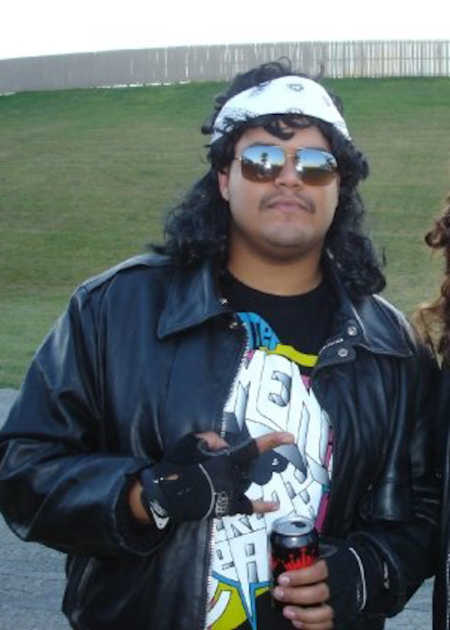
On my 26th birthday, I put a gun in my mouth as my girlfriend pounded on the bathroom door begging me not to kill myself. I can still taste the cold metal against my tongue. I pulled the trigger, and the gun failed to fire. Guns had been in my life since childhood, yet this one misfired. Two days later, at the firing range, it worked perfectly.
Fast forward three years. My photography and e-commerce businesses thrived, but everything else was collapsing. My relationships were lies, fueled by addiction to sex, porn, and toxic people who enabled my destructive path. Being young and wealthy opened doors to the best and worst possibilities. I drank and smoked daily, seeking numbness. I weighed over 340 pounds, smoked two packs of cigarettes a day, and battled depression, anxiety, panic attacks, and suicidal thoughts. I couldn’t face the truth that I needed to reclaim my life.
I had to admit one of the hardest truths: I survived relentless, undeserved trauma, and yet I had lost my way. Truth can free you, but only if you acknowledge it and feel it. I had to confront my reality head-on to be released from its grip.
The road to healing was more daunting than the trauma itself. Discovering who I truly am proved more complex than becoming the person the world expected me to be. The day everything changed, I accepted responsibility for creating the Michael I saw in the mirror. Today, I stand as the same man, but with one fundamental difference: I love myself. I love my strength, courage, heart, mind, and body. I walked through the ashes of the life that once engulfed me, forging the Michael I am today.
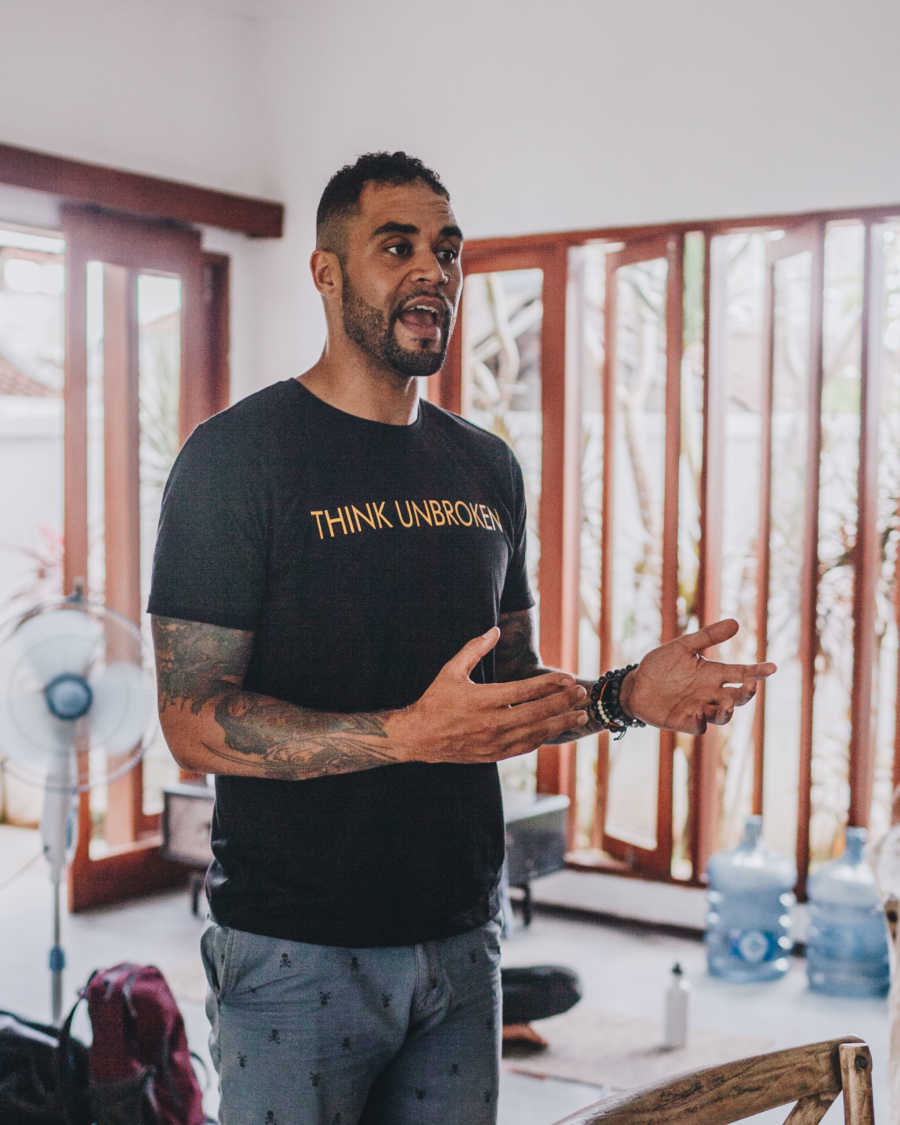
Society once labeled me an outcast, drunk, stoner, liar, cheater, and thief. Those labels were true—but I never accepted being called BROKEN. I was not broken; I longed for someone to guide me through the healing process. None came. That is why I wrote Think Unbroken: it’s what I needed when I began my journey.