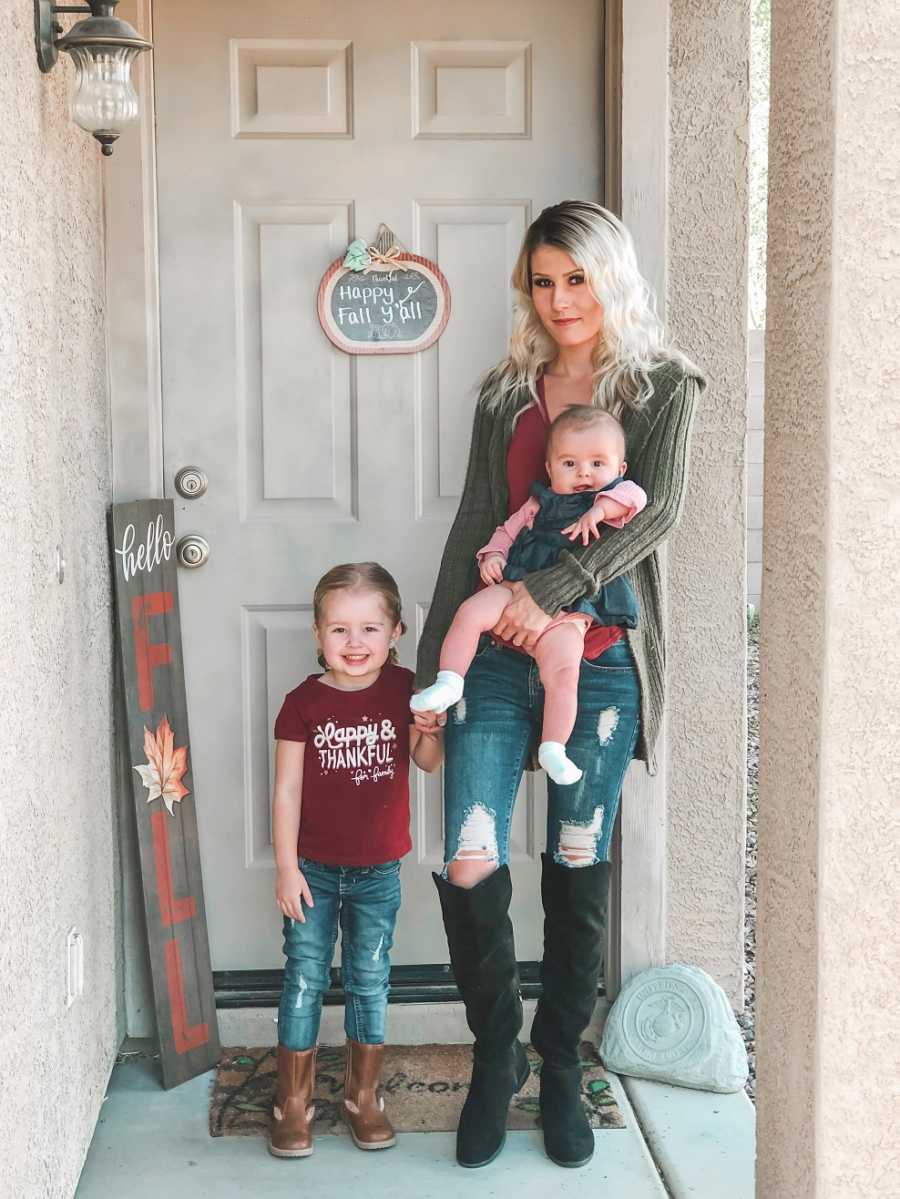
It’s wild to think that there was a time in my life when I didn’t want kids—or even to get married. Back then, the idea of family felt complicated, messy, and distant.
My parents had my sister when they were just 17, and I came a couple of years later. It’s no surprise that it didn’t work out. My dad ended up with full custody of us when he was barely 20. Money was always tight; in fact, we had almost none. But my dad worked tirelessly, day in and day out, to give us a life away from bad influences and bad situations. He sacrificed everything to provide stability, love, and safety.
That kind of responsibility, especially at such a young age, was monumental. My mom, meanwhile, was battling drug addiction for most of my childhood. She came in and out of my life, often only when it suited her—or when she was clean for a short while—and then she would vanish again. As a kid, I didn’t understand the long-term impact this would have on my perception of love, trust, and family.

I remember yearning for her attention, for even the smallest moments together. One summer, when I was six or seven, I stayed in a hotel with her because she didn’t have a permanent place. We didn’t do much—just watched TV and ate fast food—but to me, it was magic. She promised me then, “I will move closer. You’ll see a lot more of me. I finally want to be the mother you deserve.” I couldn’t wait to tell my classmates about my “perfect” summer.
Seven years passed before I heard from her again. During that time, she had two more daughters, both with men who weren’t involved in their lives. I felt helpless and heartbroken for them, knowing the pain they would face. I couldn’t understand how a mother, biologically wired to nurture, could abandon her own children. My anger toward her simmered for years—I told myself I would never forgive her.
She sobered up when I was 13, showing up more frequently. I tried to hold onto my anger, but deep down, the little girl in me still longed for her mother’s love. Then, when I was 14, she died in a car accident. That short year we had together made her absence feel unbearable. I was left with questions, unresolved anger, and grief that had nowhere to go.
Growing up with a single dad had its own challenges. My dad, strong and relentless, worked long hours to make sure my sister and I had what we needed. He dated women who could help care for us, sacrificed sleep and personal time, and showed me what hard work and integrity look like. But he couldn’t show me what a long-term, healthy relationship looked like—or what marriage should feel like. That absence shaped my early experiences with love.
As a teenager, I struggled. At 14, I dated an 18-year-old, unaware of how unhealthy it was. At 16, I fell for a narcissistic, verbally abusive partner. Trust and abandonment issues ran deep. After high school, I tried to build a life on my own—moving into a small apartment, working at a tanning salon, paying my own bills, making friends. I finally felt free, but relationships still felt like ticking time bombs. Living with a serious boyfriend taught me just how exhausting and unbalanced relationships could be, reinforcing my belief that love always fails.
Then I met my husband. I was 20, freshly out of a two-year relationship, and he was 23—a regular at the bar where I worked. Life had been chaotic, but somehow, he arrived at just the right time. One of the first things he told me was that he had a two-year-old daughter. I appreciated his honesty, and as we dated, he shared about his difficult relationship with his ex and the distance from his daughter. We were both navigating challenges, and somehow, we clicked.

Three months into dating, I found out I was pregnant. Shock, fear, and anxiety hit me all at once. I had no idea how to be a mother, and unresolved feelings about my own mother bubbled to the surface. For a moment, I considered ending the pregnancy. But I chose to carry it—deciding I would create a different kind of life for my child, one with love and stability.
My husband rose to the occasion in ways I couldn’t have imagined. I was the worst pregnant person imaginable—morning sickness, migraines, fatigue, the works. I couldn’t work, I could barely move without feeling sick. He stepped up. He went to school in the mornings, worked late nights, kicked out a roommate to give us space, and never complained about my “lack” of contribution. He fought to build a relationship with his daughter and paid over $1,000 a month in child support, even with the obstacles. We struggled financially—sometimes with only $32 to our name—but he never let me give up hope.
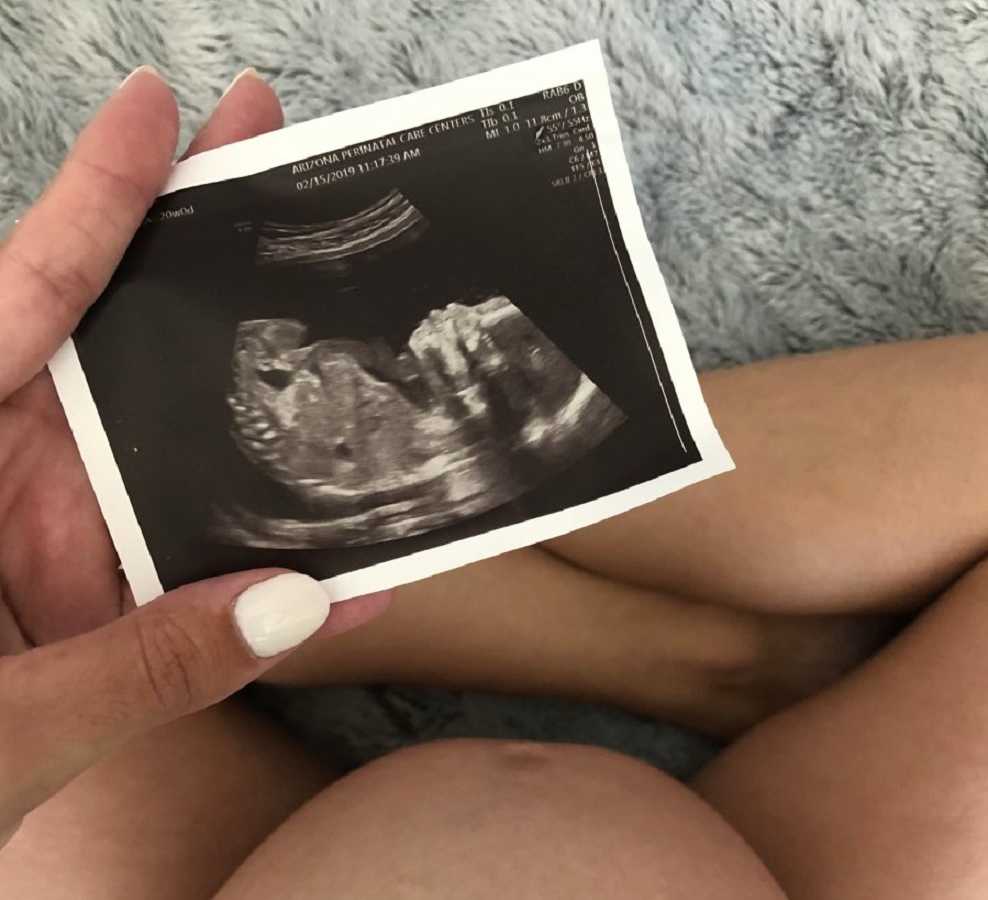
When I was six months pregnant, we moved to Washington state for a job opportunity, leaving everything behind except what we could fit in a Jeep. We stayed with family temporarily, navigating pregnancy without a proper “nest.” It was scary, unfamiliar, and exhausting—but we survived, together. Eventually, we found our own place again, I returned to work, and for the first time, we had stability and pride in the life we were building.
Life threw us another curveball when my husband’s job ended. We had to move back to Arizona, live with my dad again, and start over. He found a new career path through trucking, earning his CDL, and slowly we built our home and our family from scratch. It wasn’t easy—our relationship, finances, and patience were tested—but we persevered.
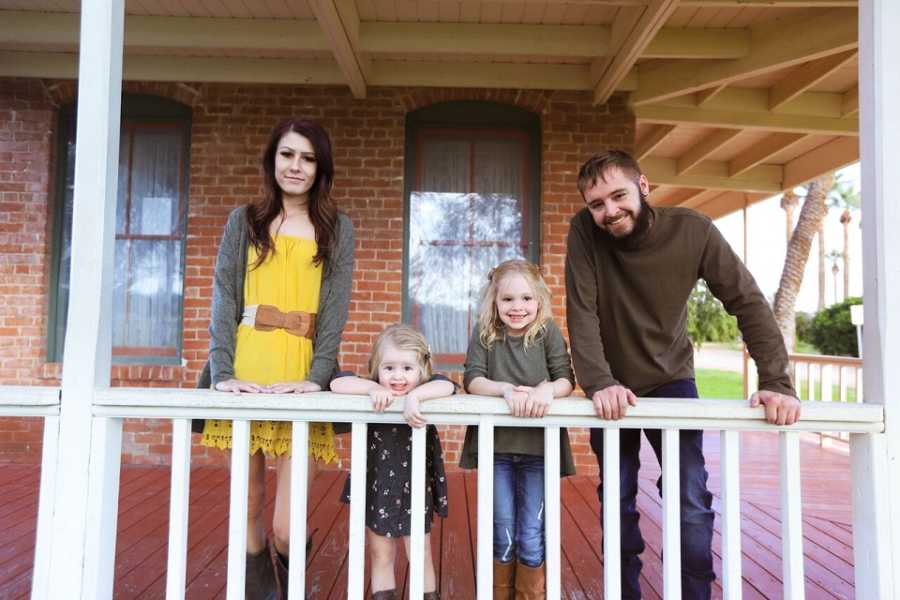
Today, our family has grown. We continue to fight for his oldest daughter, and I have the joy of loving three incredible girls. I’ve returned to school to pursue a career I’m passionate about, aiming to become a paralegal and eventually a lawyer. Every struggle, every setback, every heartbreak shaped me into the mother and woman I am today. I’ve found strength, resilience, and purpose I never knew I had.
My husband and I are teammates. We support each other, lift each other, and face life’s challenges together. Marriage is about partnership, not competition, about shared victories and shared burdens. And though I once swore off marriage and motherhood, I now know I have everything I ever wanted. Our family is built on love, honesty, and strength. It is the safe, nurturing, healing home my inner child needed.

It’s in the small moments—the silent glances across the room, the morning cuddles, the laughter around the dinner table—that I feel truly content. Life is messy, unpredictable, and sometimes heartbreaking—but it’s also beautiful, and ours is everything I could have ever dreamed.
Life really is crazy, isn’t it?