In December 2015, I went for what I thought would be just a routine mammogram. I had always eaten well, stayed active, and considered myself healthy, so I didn’t give it a second thought. Soon after, I went on a vacation to France, carefree and oblivious. But when I returned, an urgent letter awaited me—one that I had missed during the trip—asking me to come back for a biopsy. They managed to fit me in on December 22nd. The procedure was painful and uncomfortable, lasting an hour—a nightmare for someone like me who is needle-phobic. I spent that Christmas with my family, forcing smiles and trying desperately not to think about it.
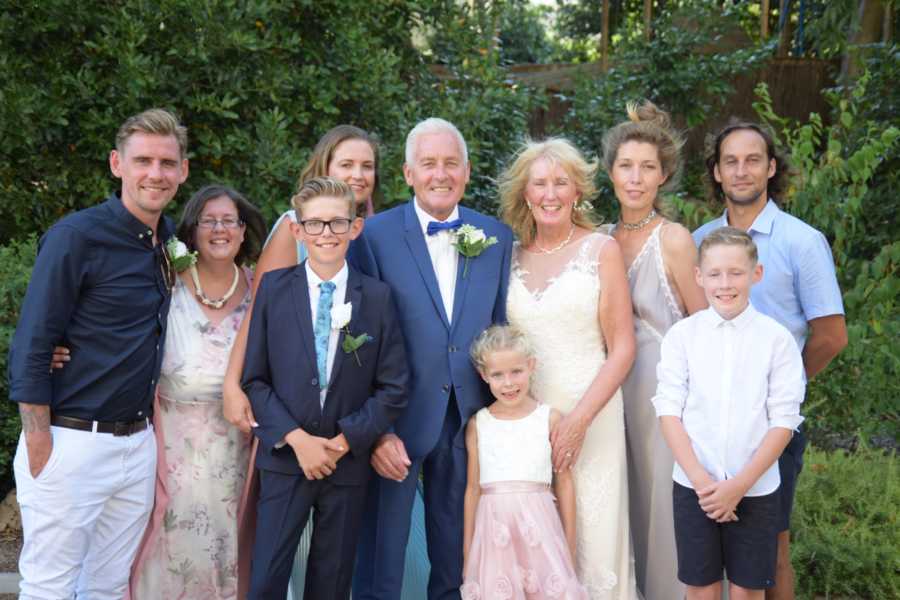
My family carried on as if nothing had happened, and I didn’t want to cast a shadow over their celebrations. The grandchildren—aged 4, 7, and 10—were too young to understand, and I wasn’t ready to explain anything. Yet, inside, I was in another world of worry. The only person who truly knew how anxious I felt was my wonderful husband, Gordon.
Because of the holidays, my results were delayed, and every day felt unbearable. Then, on December 30th, Dr. Patel—who runs the local breast cancer charity I had supported just weeks before at their annual dinner—came into the hospital to deliver the news. I was completely unprepared. I knew almost nothing about breast cancer, and hearing those words left me like a rabbit caught in headlights. By January 6th, I was admitted for a total mastectomy with reconstruction of my left breast using fat from my belly.
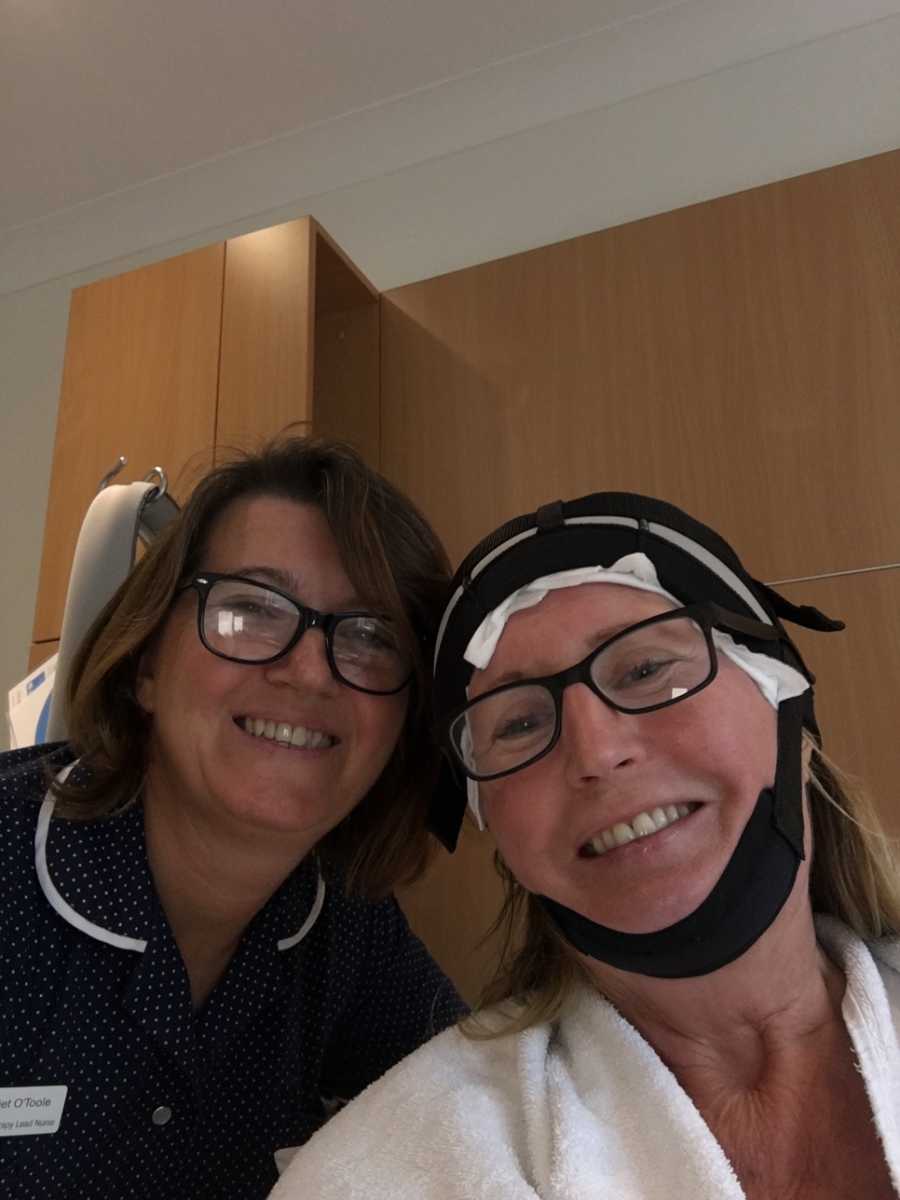
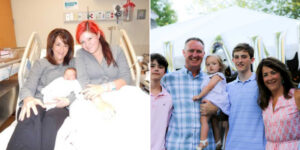
The following days were grueling. I spent four days in intensive care with a backache and migraine caused by being immobile with eight tubes attached to my body. Feeling completely powerless is an understatement—being strapped to a bed, reliant on tubes, unable to move, with a pounding headache and the smell of your own sweat and breath—it strips away everything. I looked terrible and avoided visitors, though Emma, my eldest daughter, came on the second day, unable to be held back any longer by Gordon. Kim visited on the fourth day, and seeing me like that broke her tough exterior—she burst into tears, even though I thought I was improving.
Through it all, I clung to hope. I endured 15 sessions of radiotherapy, each day weakening me physically. The hour-long journey to the treatment center was exhausting, so I booked a hotel with a spa nearby, pretending the last week was a holiday. At the end of my treatment, the oncologist declared, “Go home, you are cured.” My family’s and my reaction? “Of course you are. After all, you’re Linda—superwoman.”
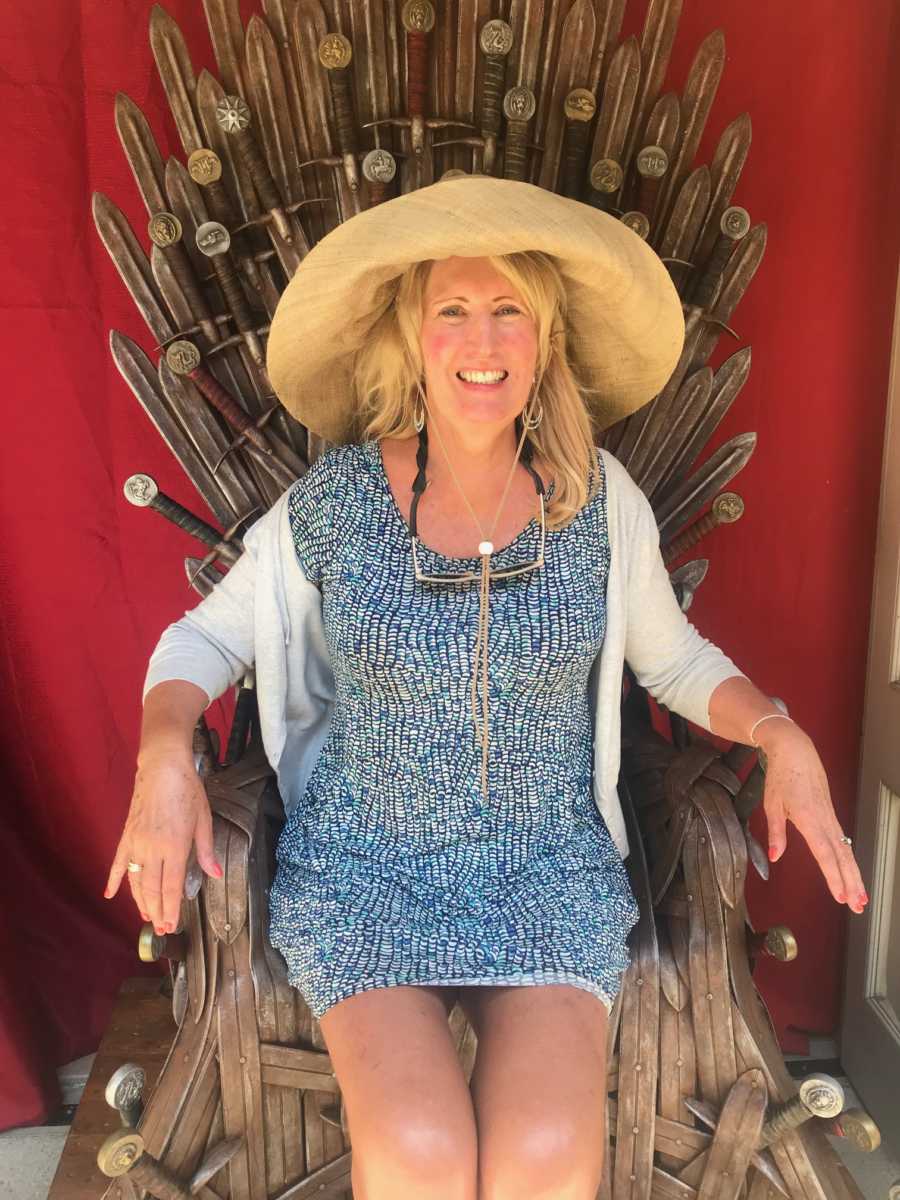
But life had another twist in store. During my next appointment, 18 months later, I asked for a CT scan of my chest, expecting nothing but reassurance. Instead, an urgent message on my answerphone revealed a tumor on my lung. I was numb, shocked, and in disbelief. Surgery followed, and though I initially felt fine, my breakfast orders in intensive care backfired—vomiting, headaches, and exhaustion followed. The tumor was removed, but to be safe, the oncologist recommended chemotherapy. One session was enough; I was so ill that I told the oncologist I would rather die than endure more.
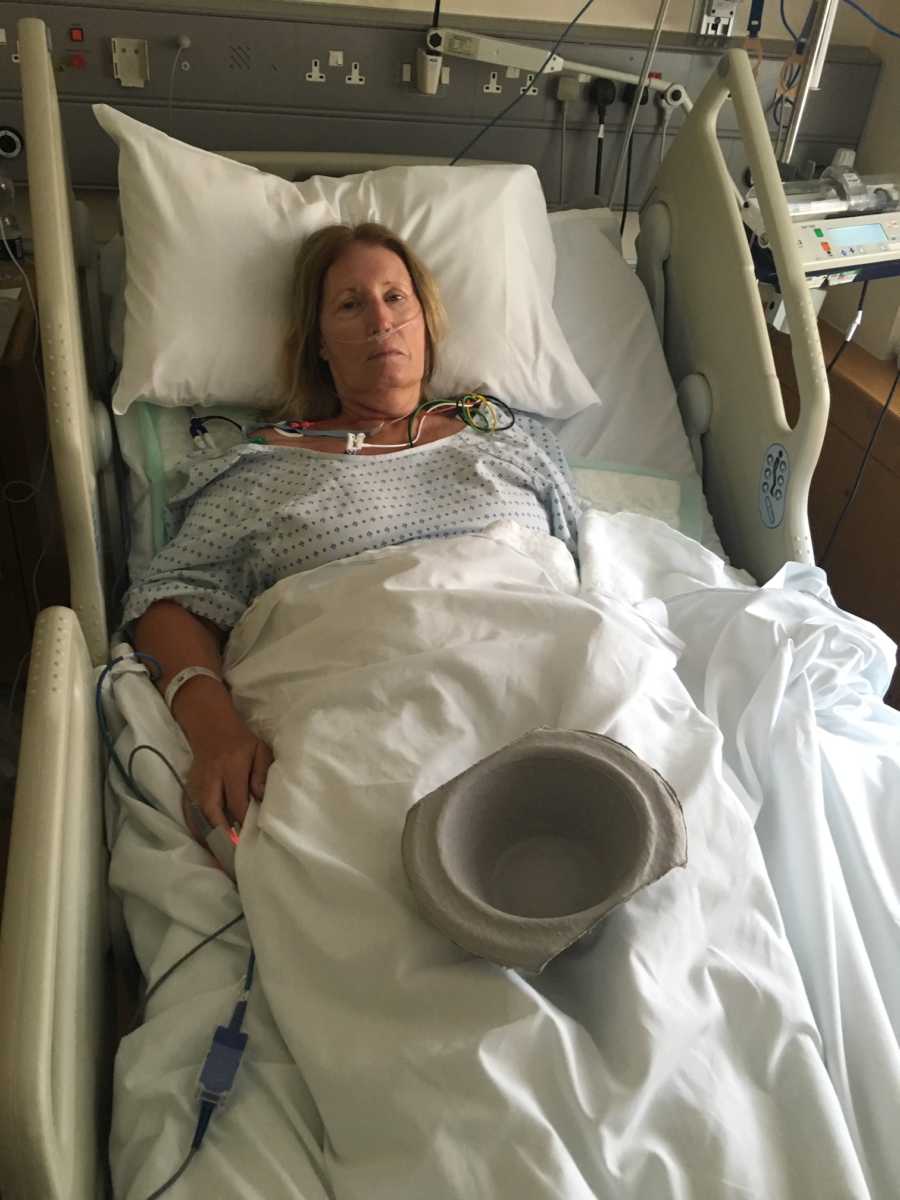
Yet more tests revealed the cancer had metastasized to my liver. This time, I refused the drastic surgery described to me—a cut from sternum to pubis—but my oncologist suggested biological medication targeting tumor cells. It’s helping, but it’s not a cure. I felt powerless again.
My life became a cycle of hospital visits, treatments, and decisions made for me. Through it all, Gordon has been my rock—always there with a comforting kiss, endless patience in waiting rooms, and unwavering support. My lowest point came when I rang the Macmillan Cancer Helpline. I couldn’t speak without crying, and the person on the other end listened to my sobs for 15 minutes straight. That release, though emotionally draining, was a turning point—I refused to remain powerless. I decided to take back control, starting with what I put in my body.
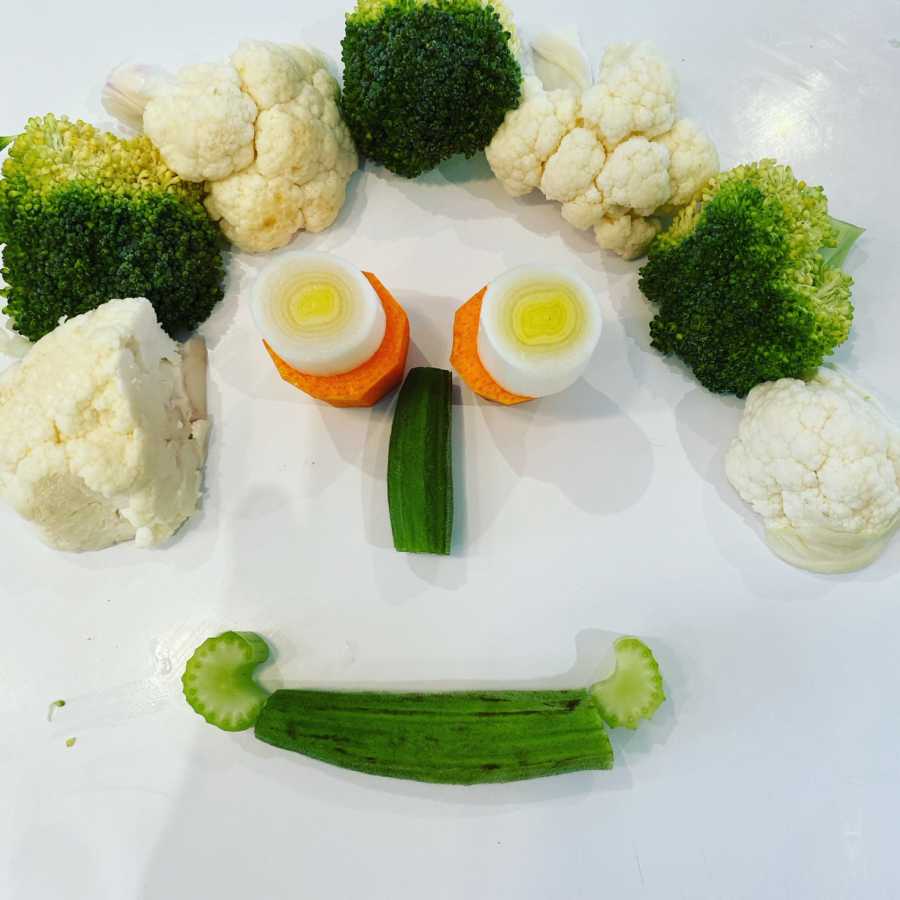
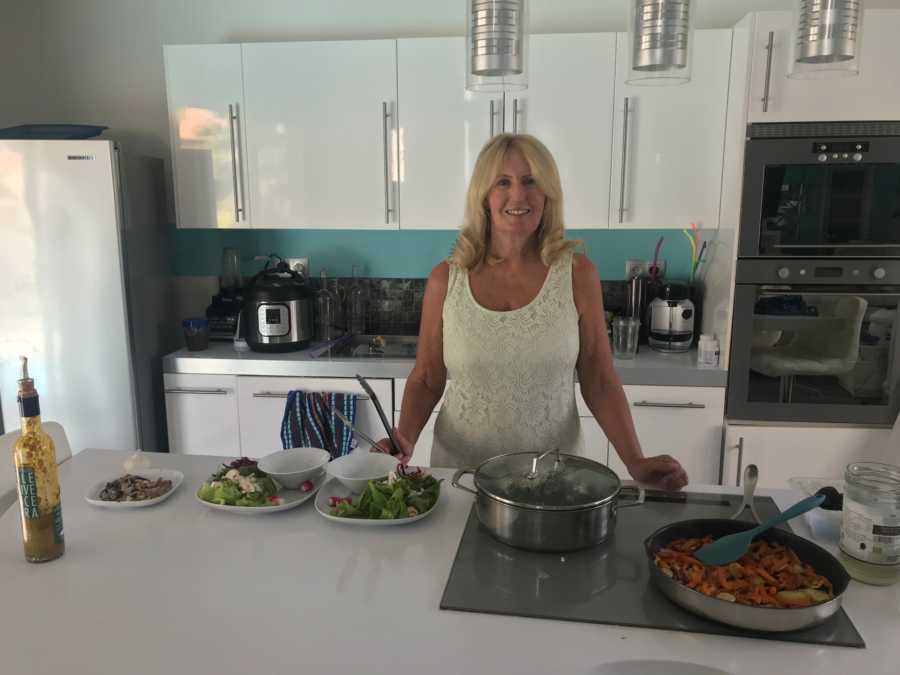
I devoured every book and research paper I could find on nutrition and cancer. My goal isn’t a miracle cure, but to make my body as strong as possible to fight back. My family loves me fiercely, though they’re in denial about my prognosis. I am the matriarch and breadwinner, and I’m slowly preparing them for what may come, while still cherishing every day. I live next door to my daughters and four grandchildren, and today Emma and I went to a Zumba class for the first time, giggling through every misstep. My grandchildren also help me with my “Get Well” diet, turning it into moments of joy rather than fear.
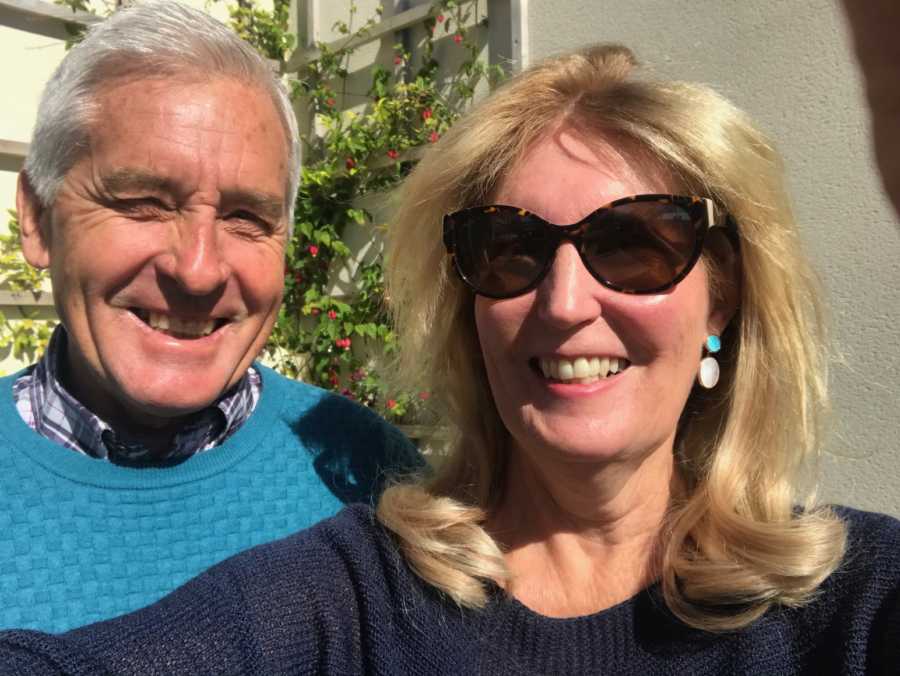
I know I have stage 4 cancer, but it no longer defines my life. I’ve reclaimed control, researching gut health, cancer-fighting foods, and experimenting with recipes. My goal is to post 100 recipes before Christmas. I am neither a doctor nor a professional cook—but I am determined to make every day meaningful, filled with love, laughter, and resilience. Cancer is a part of my life, but it is not the focus—I am.