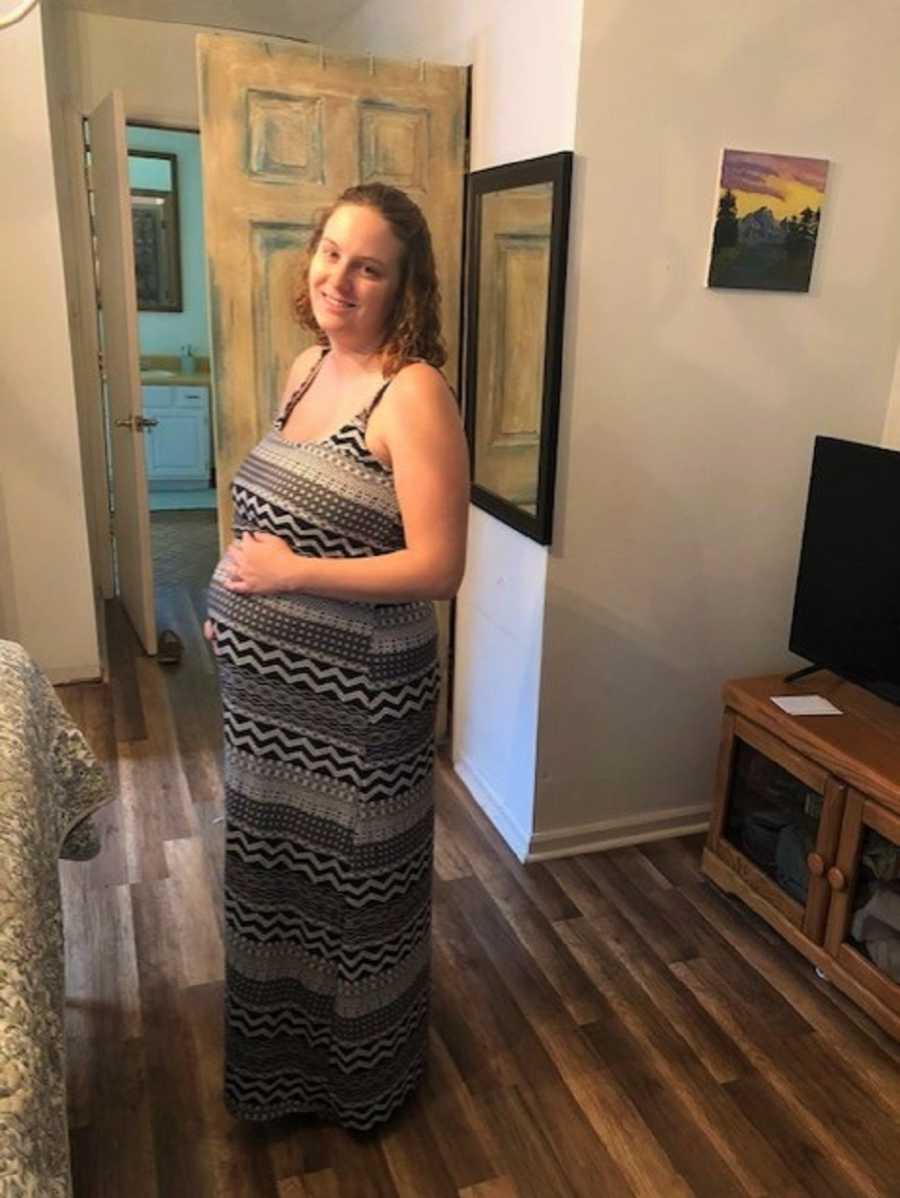
January 27, 2019, is a day I’ll never forget—I found out I was pregnant. The look on my husband’s face when I told him was priceless: equal parts shock and joy. Honestly, we weren’t necessarily trying, so the news caught both of us by surprise. The first half of the pregnancy was beautiful, as any pregnancy should be, though I struggled with intense morning sickness. You can imagine the countless trips to the bathroom; it felt like my best friend lived in there with me.

Doctor appointments were every four weeks to start, and for the most part, everything seemed normal. Our baby was growing healthy, and our family was overjoyed at the thought of welcoming another child. A few months in, a blood test revealed we were having a girl. The search for the perfect name began, and after much deliberation, we landed on Paisley Renee. It just felt right—it clicked with our hearts and our family.
Everything seemed fine until my 20-week appointment, when our world began to shift. Normally, this is a routine ultrasound, measuring the baby, checking organs, and confirming growth. But Paisley wasn’t cooperating—she was difficult to capture on screen. The measurements they did get showed she was measuring short. At first, we shrugged it off, thinking, “Short people run in the family.” But after a second ultrasound still showing her size as concerning, worry began to creep in. The doctors recommended a specialist appointment to do a more detailed ultrasound of all her bones, organs, and fluid—a session that could last three to four hours. My heart sank. With my son’s pregnancy being uncomplicated, this was new territory, and fear began to grow.

The day of the specialist appointment was nerve-wracking. The ultrasound tech said little—professionals aren’t allowed to give results—but we cherished every moment we got to see Paisley again. She was stubborn, wriggling and hiding her little body, and while it was stressful, we found a small sense of humor in her determination. After an hour and a half of imaging, we waited in the cold, silent anxiety of the waiting room to see the doctor. Every minute stretched endlessly, praying for a miracle.
When the doctor finally called us in, the expressions on their faces said it all. He gently—but grimly—told us, “Your daughter, Paisley, has a severe, rare form of skeletal dysplasia called Thanatophoric Dysplasia, or TD.” Before he could even finish, tears streamed down our faces. We learned that there was little chance she would survive birth. Shock, anger, sadness, and confusion consumed us. Suddenly, this pregnancy became fraught with fear, anxiety, and the unknown.
Thanatophoric Dysplasia is a severe skeletal disorder causing extremely short limbs, extra folds of skin, and a narrow, bell-shaped chest that prevents proper lung growth. The term “Thanatophoric” literally means “death bringing.” Incidence is rare—only one in 20,000 to 50,000 births. The oldest living survivor documented was 29 years old. After research and connecting with families living with this condition, we realized Paisley’s life would be full of challenges, and she would likely not exceed two feet in height. Despite the grim outlook, we were determined to fight for her, no matter how long or short her life might be.
The remainder of the pregnancy was a blur of stress and fear. I had two appointments every week—specialist and regular doctor—and underwent constant monitoring, blood work, weekly ultrasounds, and stress tests. At each appointment, I prayed her tiny chest would grow enough for her lungs to function properly. Her limbs measured around 17 weeks, her head remained on track at 34 weeks, and her chest reached only about 20 weeks. Yet an MRI revealed 80% lung tissue—an incredible sign given her diagnosis. Each report from doctors remained grim, yet I refused to consider ending the pregnancy. Paisley deserved life, even if only for a short while.
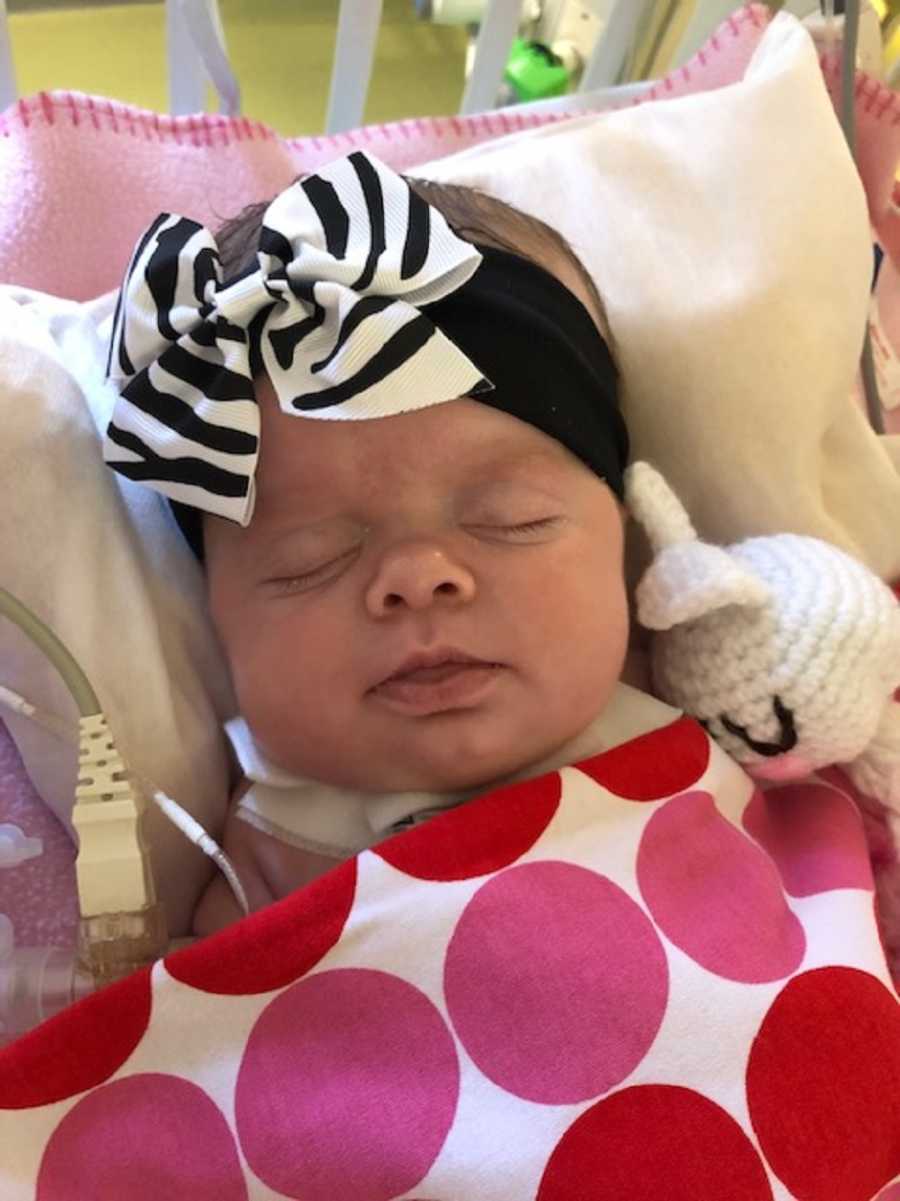
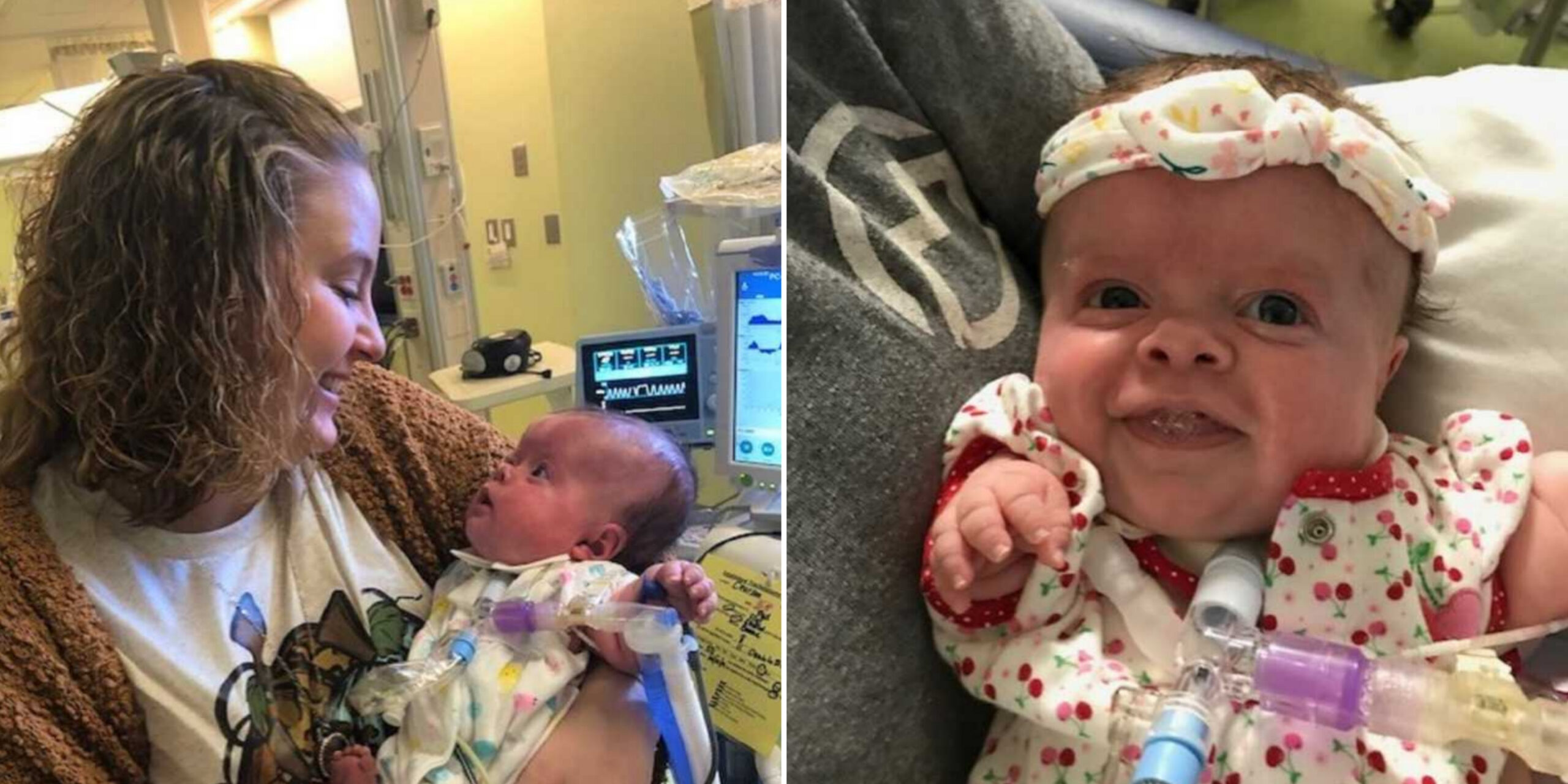
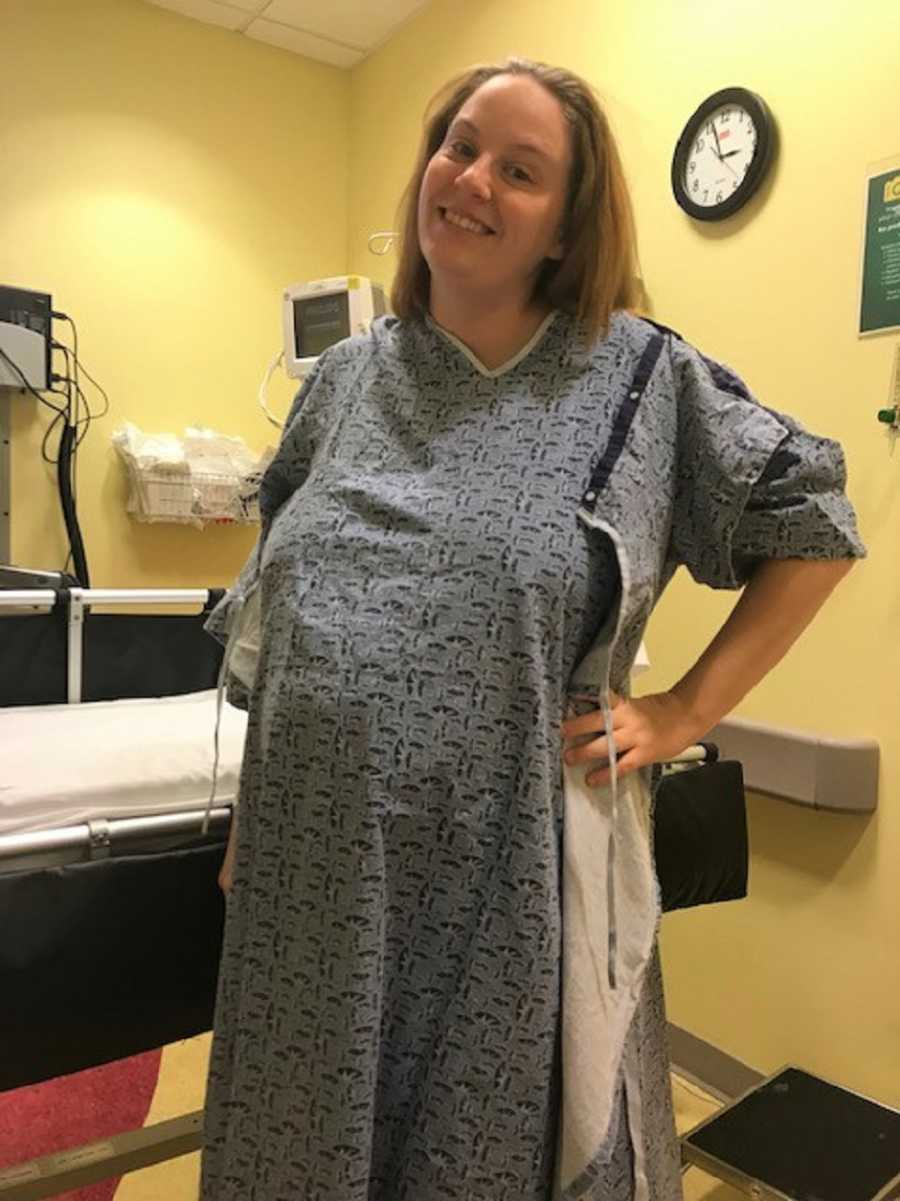
On August 28, 2019, I went to the hospital due to constant contractions and high fluid levels, a complication of her condition. My doctors allowed labor to progress, and I was finally ready to meet my daughter. Born six weeks early, Paisley cried immediately—a sound that brought immeasurable relief to our hearts. She weighed 5 lbs. 2 oz., above expectations, and was rushed to the NICU for ventilator support. We had no idea what the future held, but at that moment, she was alive—and that was everything.
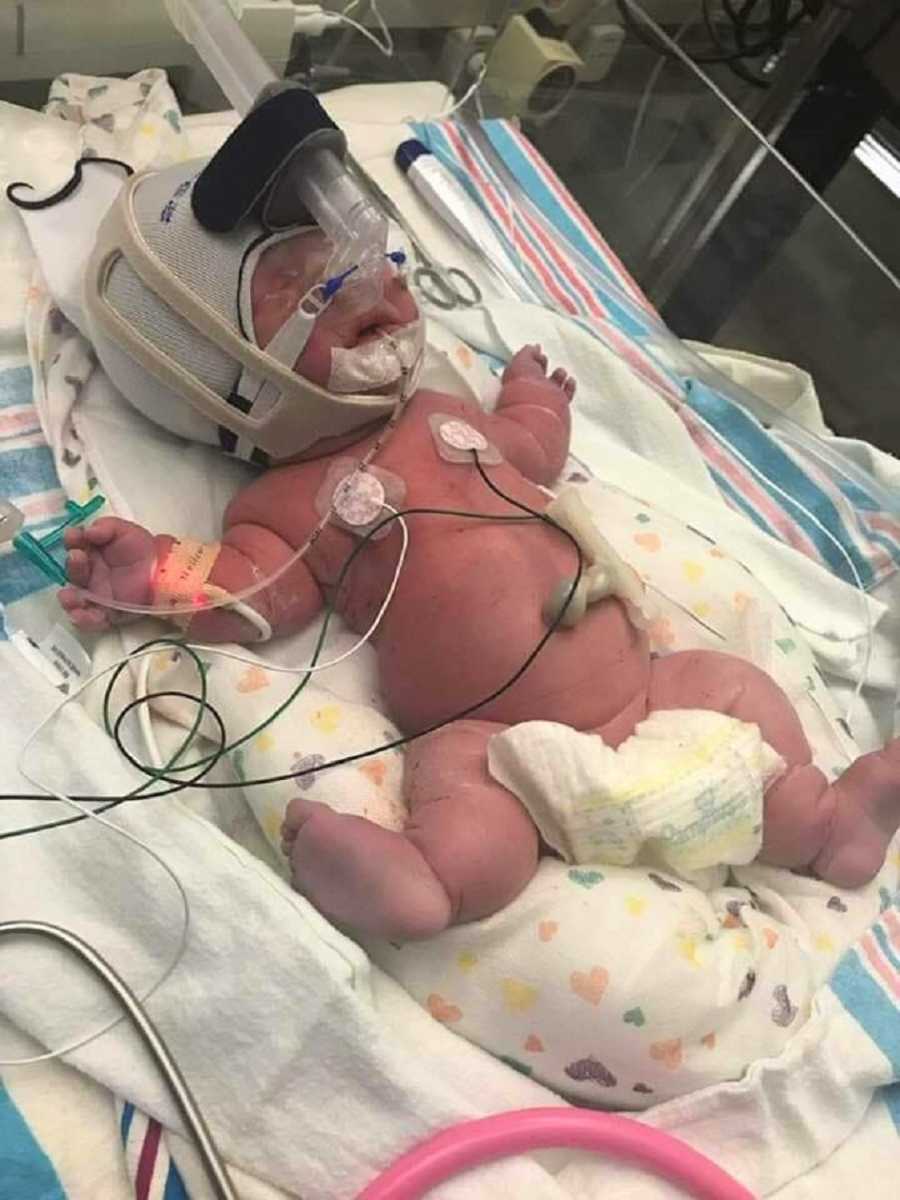
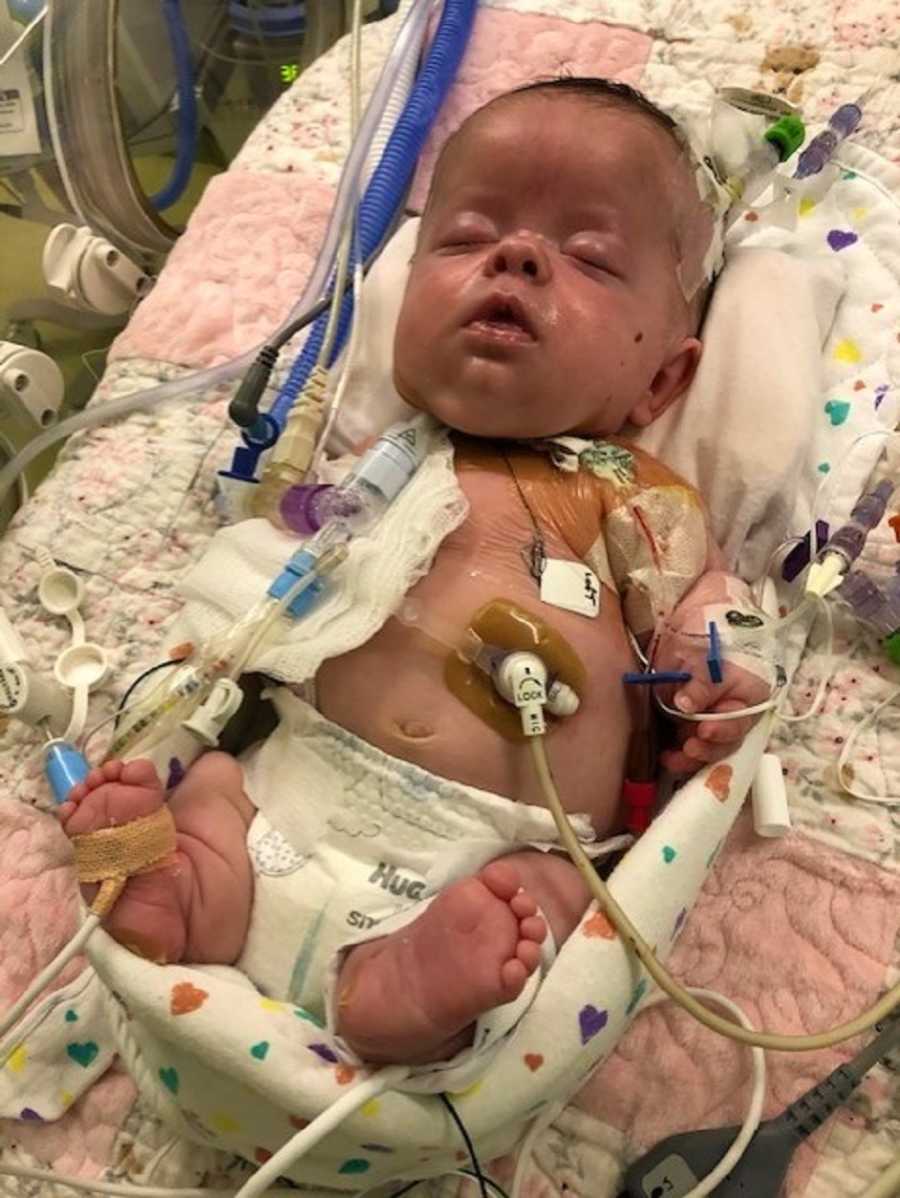
Blood work later confirmed TD. Paisley faced life-threatening complications, requiring an Oscillator ventilator and nitric oxide therapy. I didn’t hold her until a week later, enduring the hardest week of my life. Eventually, she transitioned to a regular ventilator, but our hospital couldn’t perform the surgeries she needed. We transferred her to Children’s Healthcare of Atlanta, where she underwent a tracheotomy for breathing and cranial decompression to relieve pressure around her spine and skull. She was only two months old, but her strength and resilience amazed us.
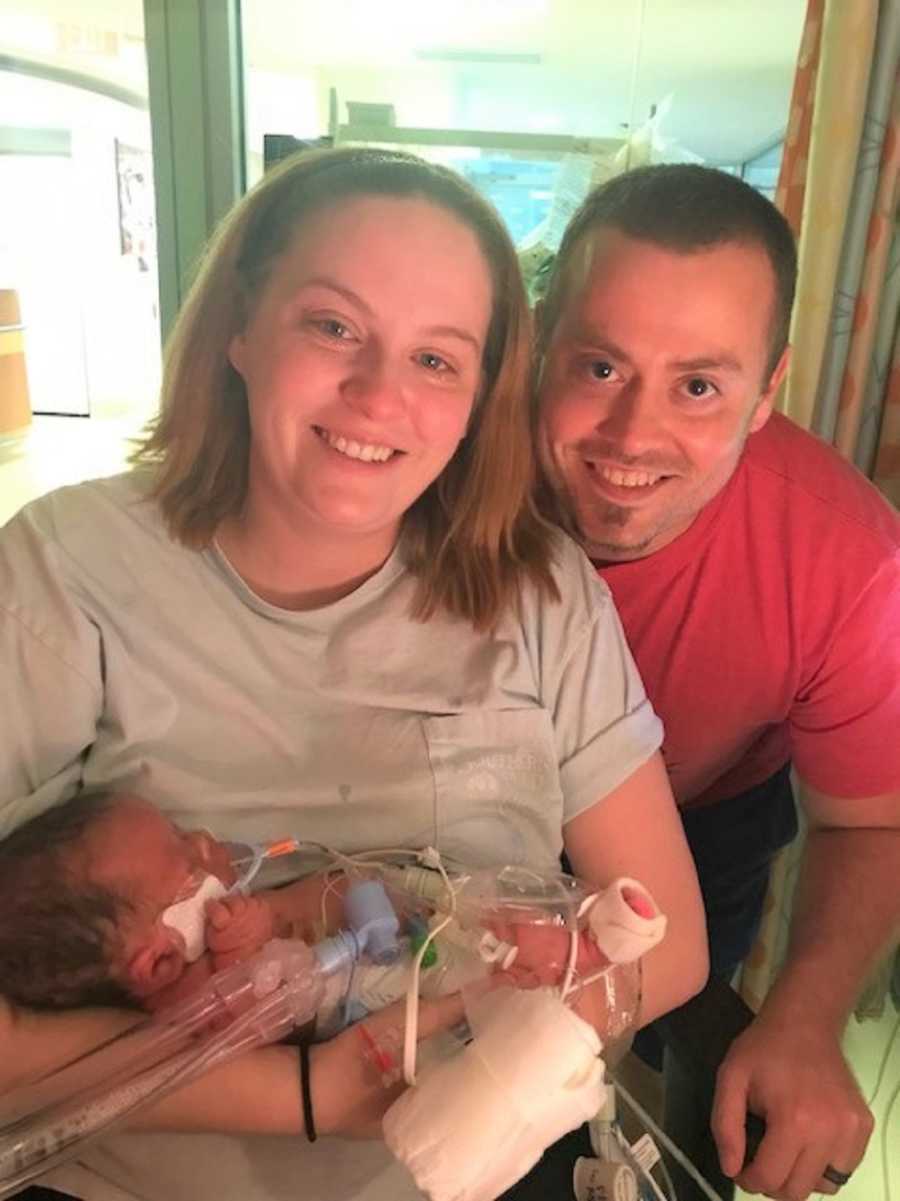
Now, after 113 days in the NICU, Paisley continues to defy expectations. She is transitioning to a home ventilator and preparing for TICU training so we can care for her at home. I will be her primary caregiver—a responsibility that feels immense—but we are grateful for this opportunity to nurture and protect our little miracle. Paisley’s journey has humbled us, showing us true resilience and faith.
To any parents facing similar challenges: fight for your children, lean on loved ones, and honor every small moment. Do not blame yourself, journal your feelings, and be thankful for each day. The ultrasounds, the diapers, the hospital visits—each is a gift. Through this journey, we have learned to be grateful, to trust God’s plan, and to cherish our little miracle, Paisley Renee, who continues to inspire us with her courage, strength, and unwavering spirit.