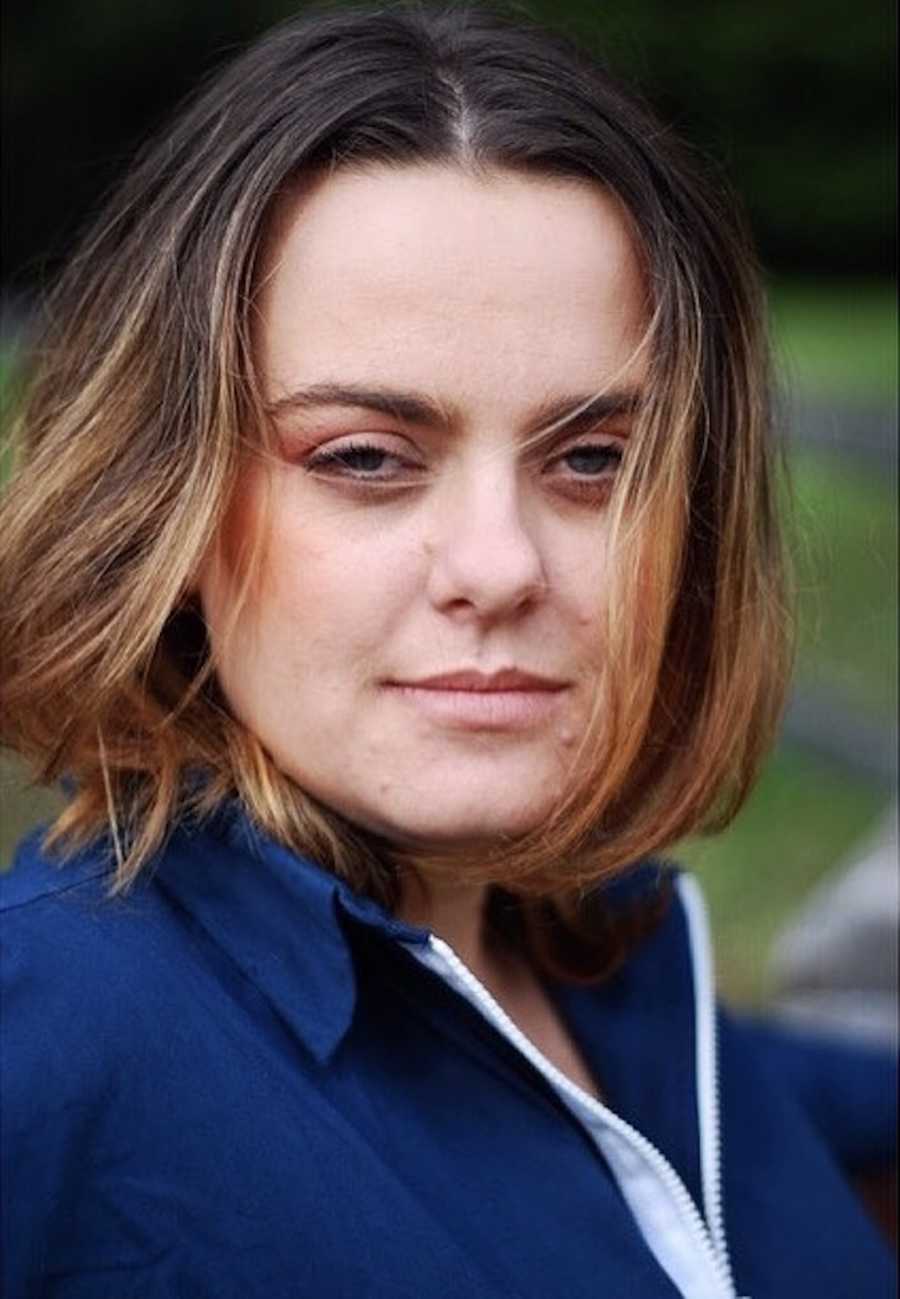
When I was diagnosed, I was sitting in a psychiatrist’s office in Melbourne. I remember the room going quiet as the words landed. They drained the life out of me. I was told I had very classic signs and needed to start medication immediately. The thought of taking medication for my mental health made me feel physically sick. After that, everything blurred together. I didn’t cry or argue—I just felt completely defeated, like something inside me had shut down.
As soon as the appointment ended, I walked toward my favorite cake shop. I’ve always loved cake—it feels magical to me. Growing up, I never had money for treats, so when I became an adult and started working, I rewarded myself with nice clothes without holes and dinners out. It was my way of honoring how hard I’d fought to become who I am. But on the way to the cake shop, I stopped in the middle of the bridge. I looked down at the cars passing underneath and a voice in my head said, “You’re worthless now. You’re broken.” I stood there for nearly 20 minutes while voices screamed, “Jump!” It took every ounce of strength I had not to.
Being diagnosed hurt more than my childhood ever did. We technically had money growing up, but it never showed because every cent went to alcohol and drugs. I wore second-hand clothes and sometimes went days without food. By the time I was 10, I had learned how to talk down drug-affected adults from aggression to calm, because I had no choice.
My stepdad drank heavily and often took his anger out on me. One night, he was drunk and started calling me a spoiled brat, hurling cruel names my way. He hated my father for never paying child support and dragged that into the attack. When he demanded I call my dad and ask for money, I refused. He smashed the phone on the kitchen table, cutting his hand open. When I asked if he was okay, he looked at me with terrifying eyes and said, “You want to see blood? I’ll show you blood.” He grabbed the biggest kitchen knife and came toward me. I ran.
My mom tried to stop me, telling me he wouldn’t hurt me, but I ran anyway—blocks away, at midnight, in my pajamas—until I found somewhere to hide. Eventually, family friends found me and took me back to their home. That became our routine. Anytime things exploded, we went there. To calm me down, they let me stay in their art room and taught me how to paint on glass. I would stay up all night painting, trying to quiet my shaking body and racing mind.
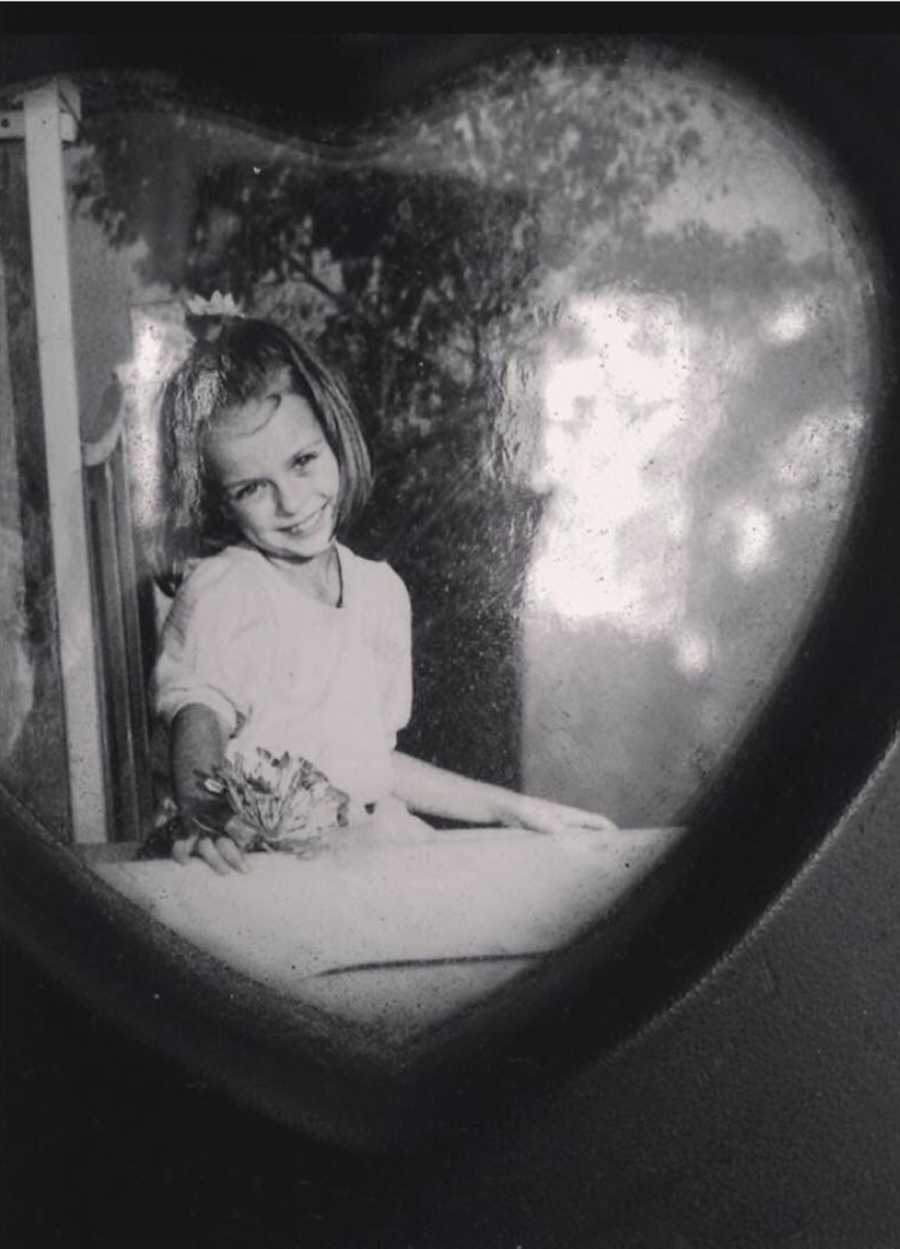
When my parents lost their jobs, everything got worse. There wasn’t enough money for drugs, and the violence escalated. I was terrified to go home. For weeks at a time, I ate one wheat bix for breakfast, nothing for lunch, and pasta with butter for dinner. The school knew, but nothing changed. I wasn’t allowed to spend time with other kids because their parents thought I was trouble. I was completely alone, with no one looking out for me.
At a school camp when I was 12, my clothes had holes in them. In front of everyone, someone yelled, “Why can’t your parents afford clothes for you?” I felt humiliated, but something stubborn ignited inside me. I decided then that I would get an education, earn my own money, and never judge anyone by how they looked or what they’d been through. I promised myself I’d never be in a violent relationship. Despite a chaotic home life and teachers who treated me as disposable, I achieved every one of those goals.
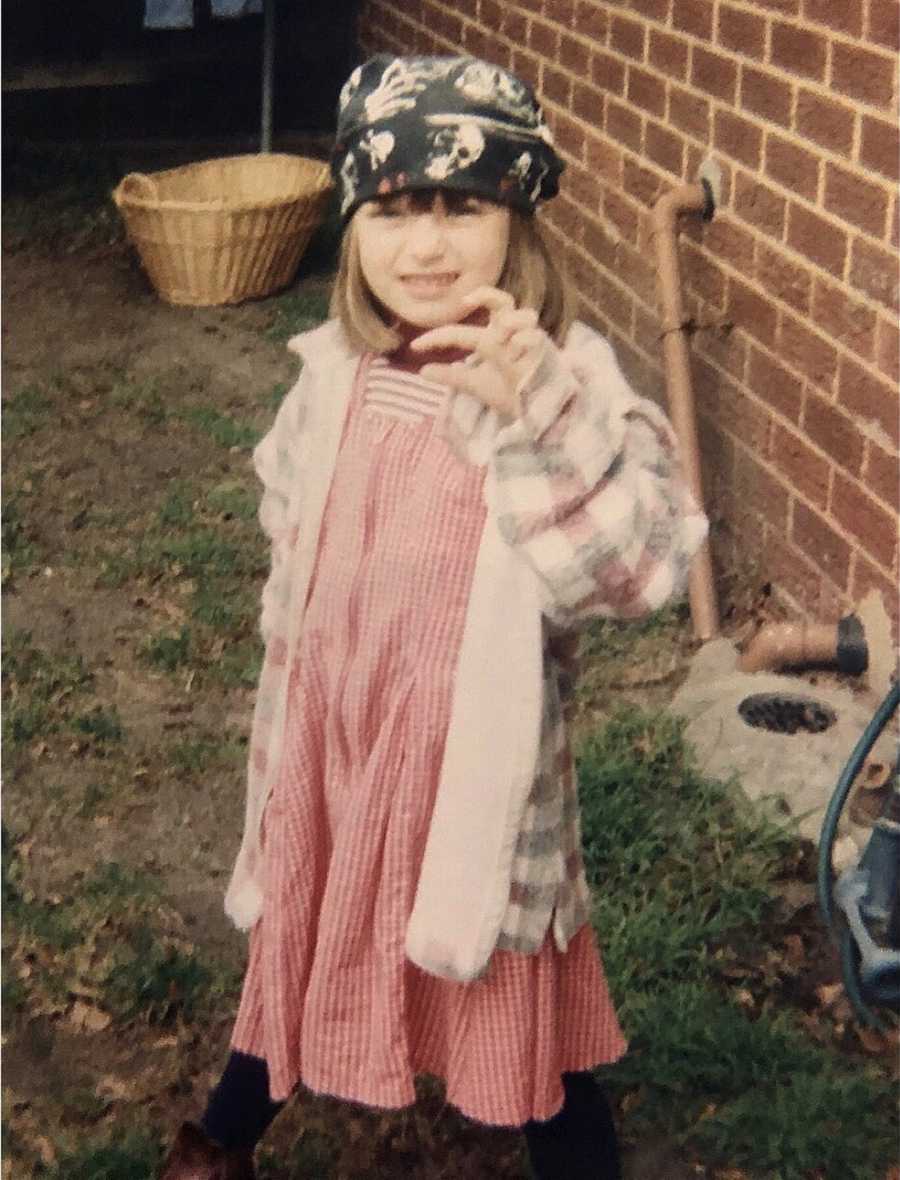
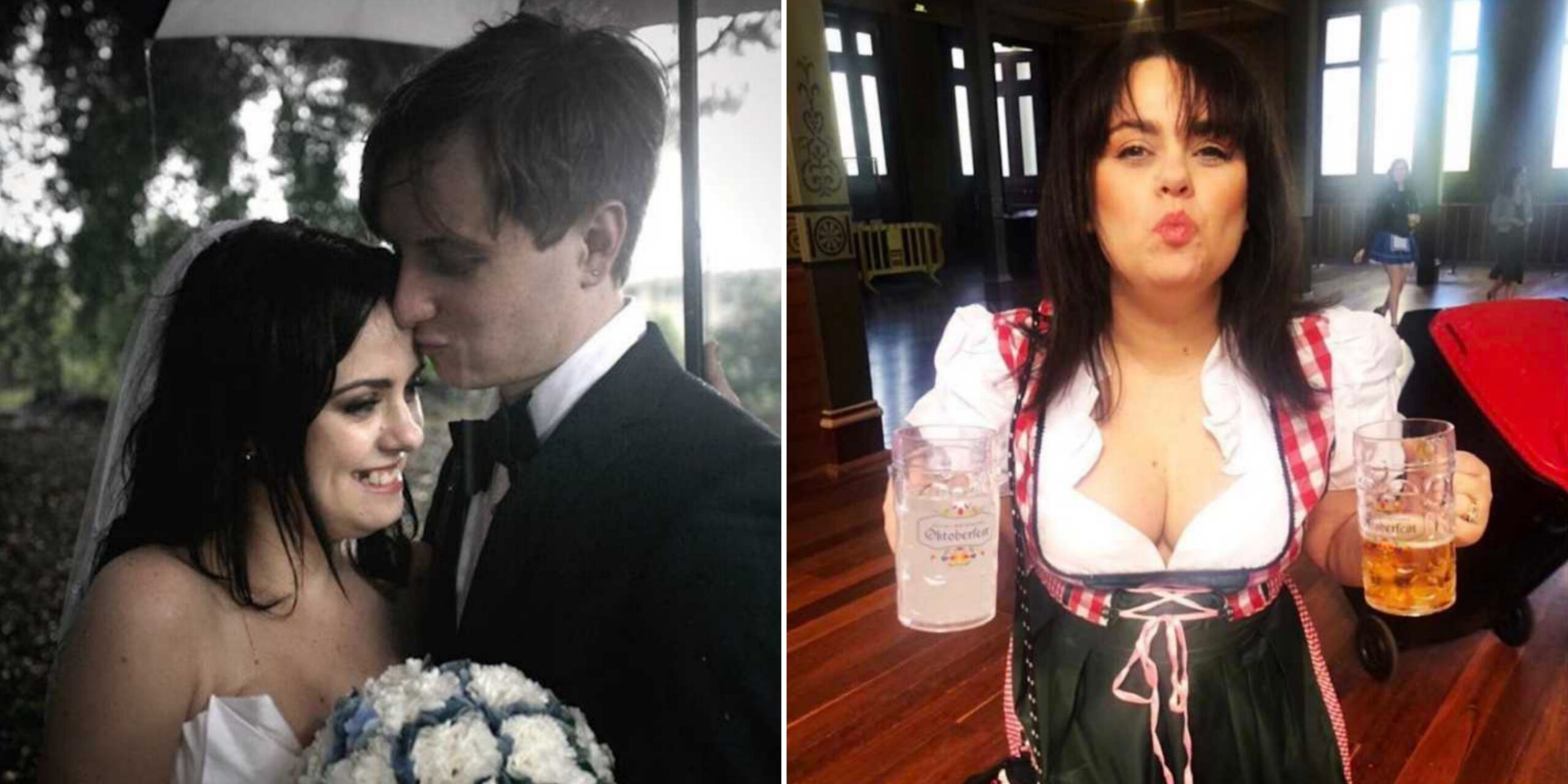
In high school, I fell in love with punk music—and with a boy. He was a senior with a red mohawk who took the same bus as me. I was a junior with blue hair when I worked up the courage to talk to him about music. This coming New Year, we’ll have been together 19 years, and next March we’ll celebrate nine years of marriage. He’s my high school sweetheart, my best friend, and my angel.
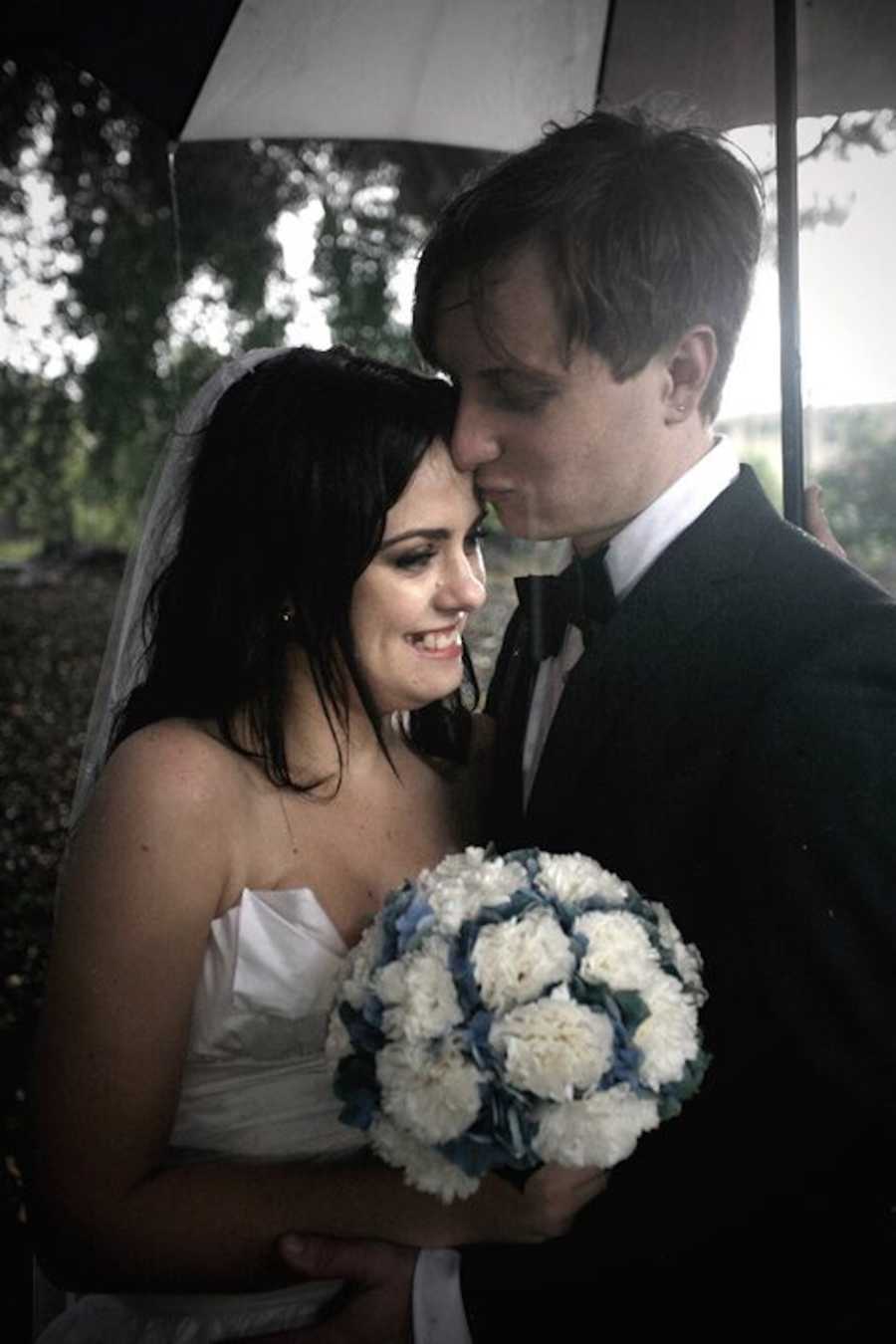
But the day I heard the word “Bipolar,” my fight seemed to disappear. I spiraled into drinking, painkillers, lying, and disappearing overnight. I pushed everyone away. I screamed at my husband to leave me because I believed I was garbage and unlovable. I became suicidal. There were nights when my husband woke up to me trying to end my life, pinning me down for hours as I screamed and cried until the storm passed. I didn’t want to exist anymore. Everything felt empty—pure black.
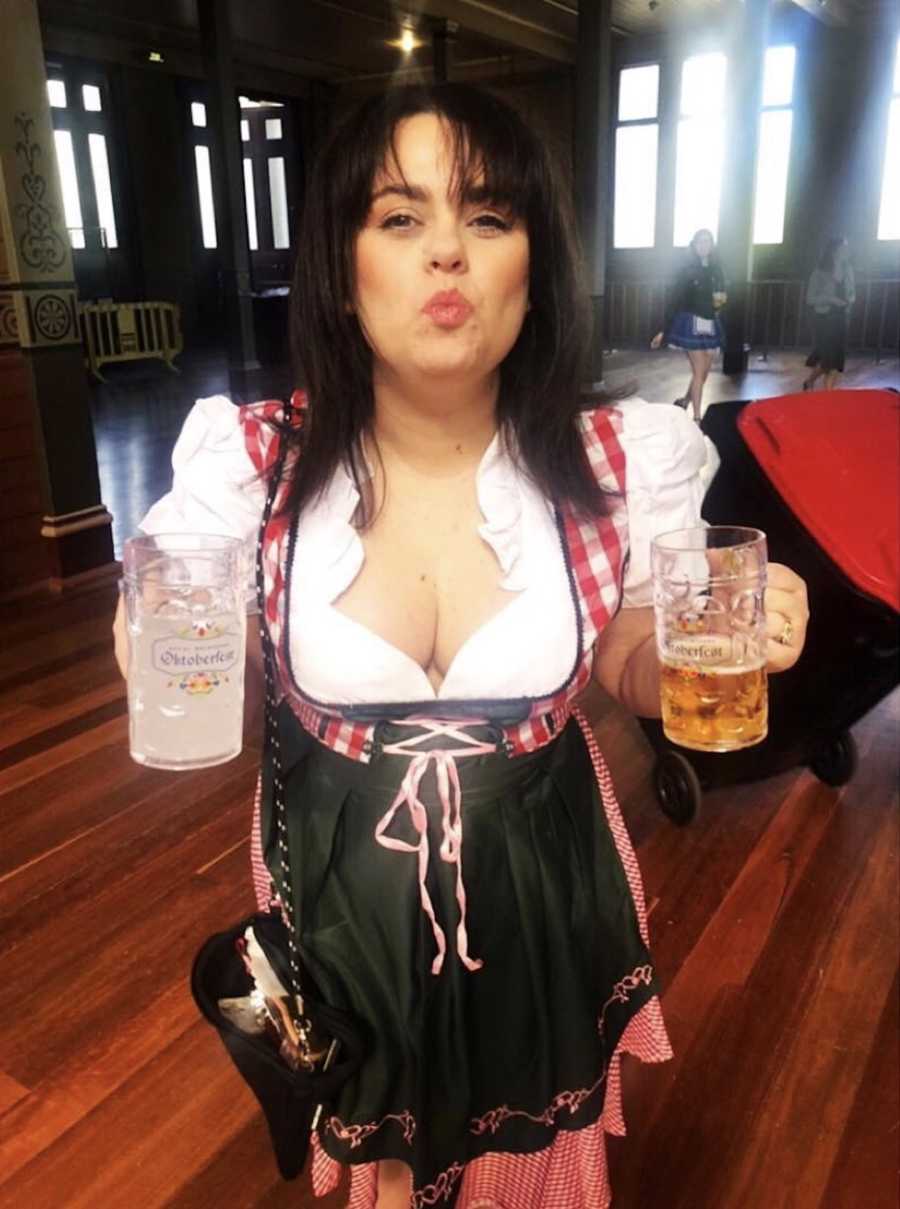
I still don’t fully understand what changed, but one day I remembered I was strong. I had survived my childhood, and I could survive this too. I wanted a normal life with my husband, and my stubbornness resurfaced. I wanted to live. I began treatment, and it was anything but easy—endless medication trials, setbacks, and days when I wanted to eat a tub of ice cream and scream at the world. But the next day, I kept going.
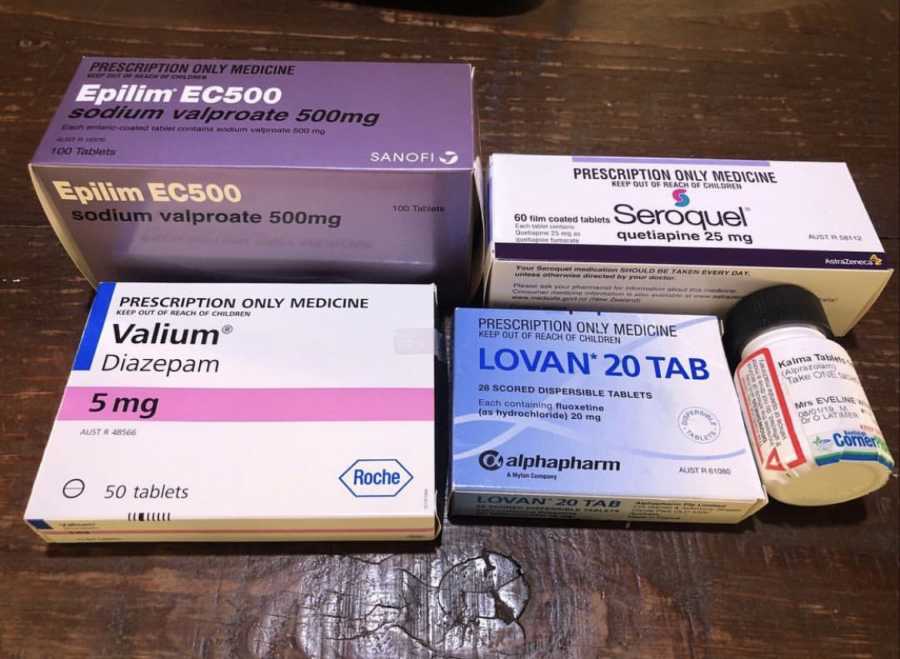
Today, my marriage is strong, I have close friends, and I work hard. Most importantly, I am not ashamed of being Bipolar. I speak openly about it because I want people to see that a healthy, meaningful life is possible. It isn’t always easy—sometimes it’s incredibly hard—but it is absolutely worth it. Life is beautiful, and I’m so grateful I chose to stay and live it fully.