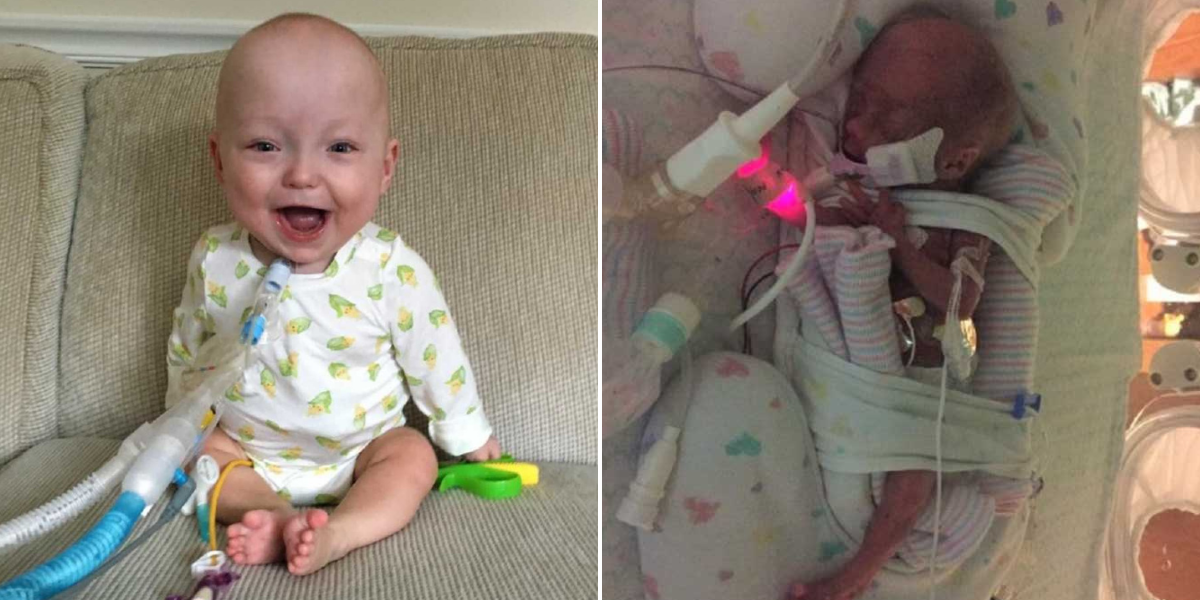
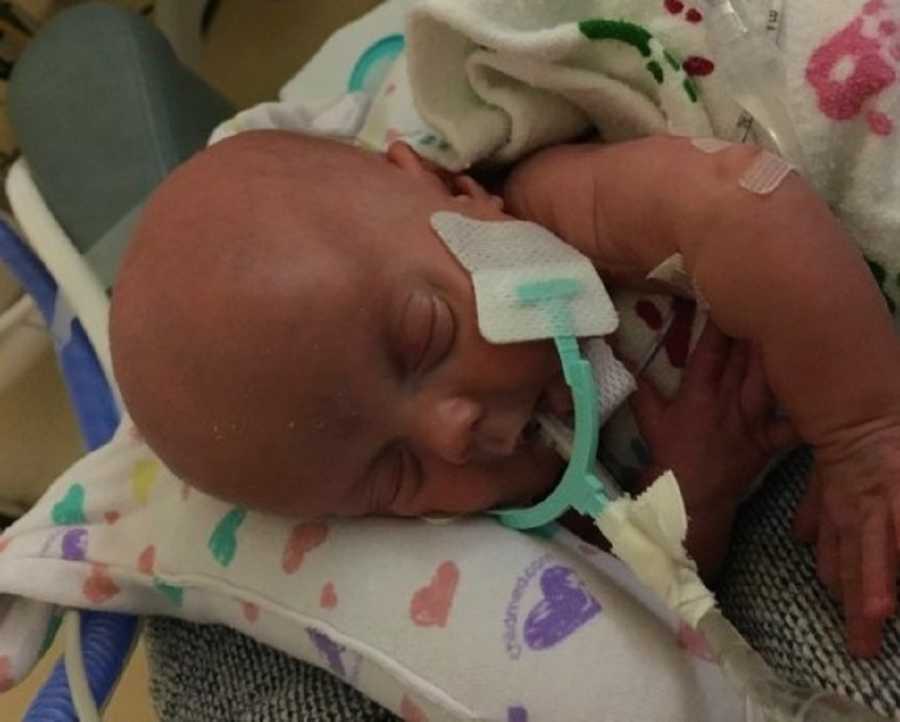
On August 11, 2018, my one-pound, 24-week surviving twin, Lily, was born. She was tiny, fragile, and incredibly sick. The first weeks of her life are a blur—I don’t remember them clearly—but I remember the terror. I was terrified to watch her fight for every breath, terrified to face the possibility that she might not survive, and terrified of the long, uncertain road that lay ahead if she ever came home. I counted the 109 days from her birth to her due date, listening to the medical team estimate November 28th as the day we might finally leave the NICU. I imagined my happy, pudgy baby snug in her carrier as we skipped out of the hospital doors that chilly November day. But reality was far from the image I had held in my mind.
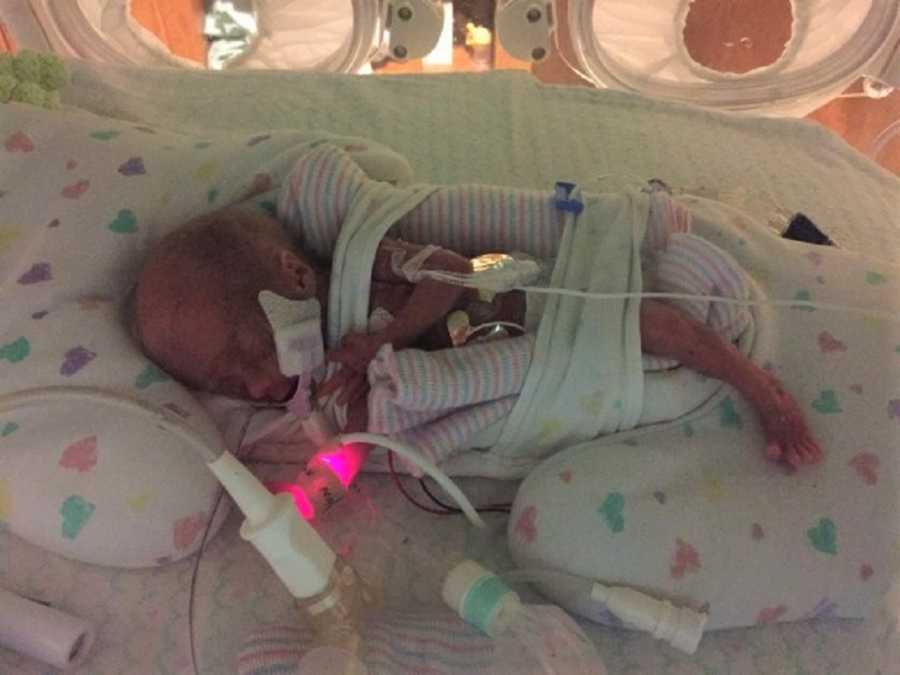
Lily faced a long list of complications in the NICU. Her intestines perforated, requiring two surgeries. Her lungs were severely damaged from mechanical ventilation, and she spent weeks sedated. As days turned into months, it became painfully clear that November’s hopeful discharge would slip away. Halloween turned into Thanksgiving, Thanksgiving into Christmas, and during the holidays, we faced an agonizing choice that would shape our lives for years. Lily’s lungs were still too weak. She couldn’t stay extubated for more than a few days at a time. We began consulting with a pediatric pulmonologist, searching for any path forward.
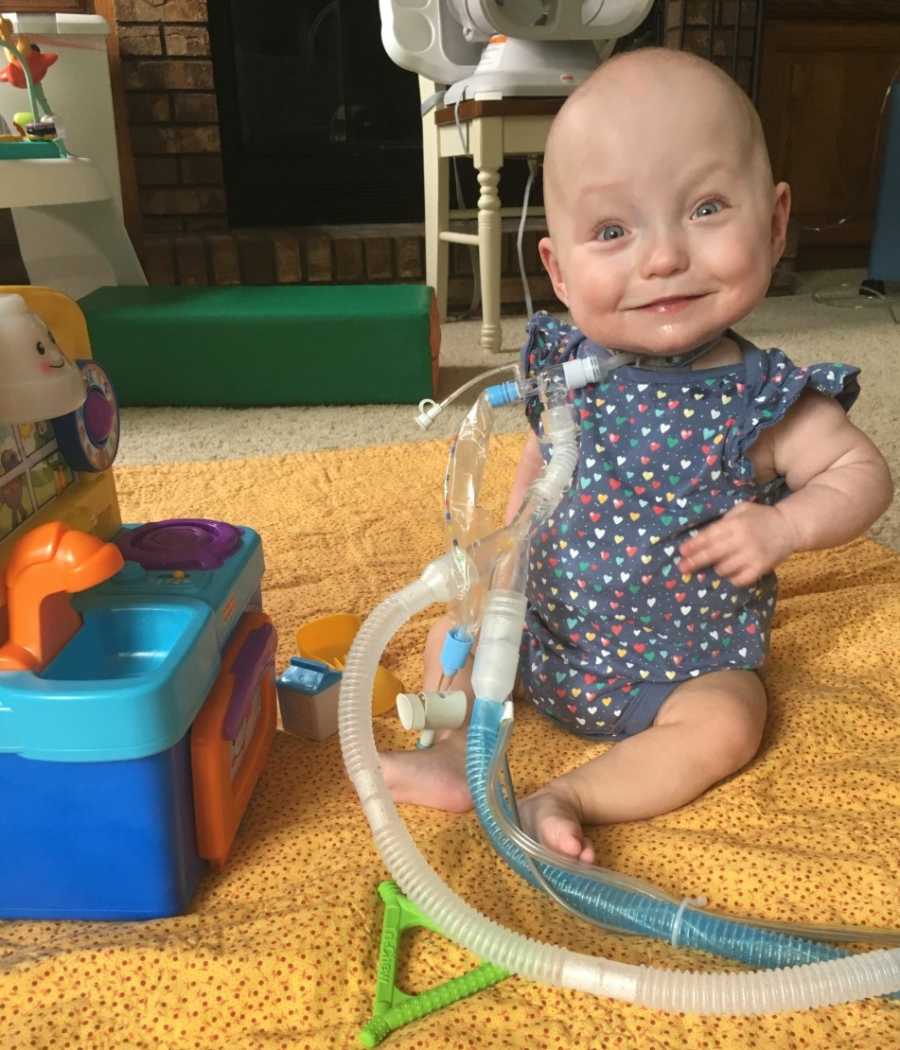
Early on, I had been told that most micropreemies go home with oxygen for a few months. I pictured a little nasal cannula, looked for cute carrying cases for her oxygen tanks, and thought we’d be able to enjoy those first months together. But months later, our situation had escalated far beyond what I had imagined. We faced a complex and heart-wrenching decision: keep Lily sedated and intubated until her lungs matured—remaining in the hospital for months, possibly years, and missing countless developmental milestones—or choose a tracheostomy, a tiny semi-permanent tube in her throat to help her breathe with ventilator support.
A tracheostomy would require extensive training, emergency preparedness, in-home nursing, and the inability to travel without a second adult. It was overwhelming. Where was the ‘totally fine’ preemie I had expected, who would leave with only some oxygen? I wanted to start life with my surviving child, but I realized that our journey would not end at the NICU doors. This medical reality would follow us home for years.
By the time Lily failed her seventh and final extubation, the decision became clear. My husband and I chose the tracheostomy. Though it was a difficult choice, it offered Lily the best chance at a semblance of post-NICU life I had longed for. We could bring her home, introduce her to our dog, and begin building a routine. If I was going to do this, I vowed to become the best trach parent possible. We dove into research: turning our home into a mini-ICU, comparing medical strollers versus traditional ones, learning ventilator setups, medication schedules, and every detail in between. This new world was daunting, but we wanted to be prepared.
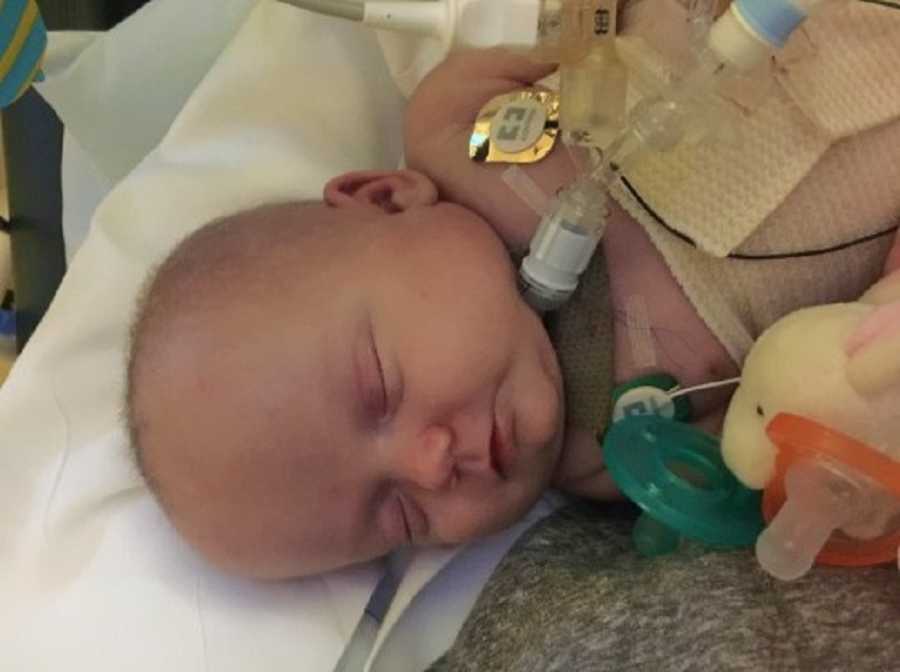
Sharing our impending discharge with family and friends brought a mix of reactions—questions about the future, comments assuming our challenges were over. People said things like, “You must be relieved to be done with the hospital,” or “It’ll be nice to finally feel normal.” The truth is, while the NICU chapter ended, normal life did not return. I cannot take Lily anywhere alone. Her equipment is extensive, her immune system fragile, and she has two open holes (plus a g-tube) that make her highly susceptible to infection. Therapists, nurses, and family are in and out seven days a week. My husband and I haven’t had a moment alone in four months, as one of us must always be awake to care for Lily. Our home has no privacy; it’s a constant rhythm of monitoring, suctioning, g-tube feeds, and hospital appointments. This is not what I expected, nor what others envision for NICU graduates.
Tonight, as I pause to fill Lily’s humidifier, hook up her g-tube feeding, and respond to ventilator alarms, I am profoundly grateful. She has grown in ways I never imagined possible since coming home four months ago. Safe, loved, and cared for in our little six-foot-square corner of the living room, she thrives. This is not the life I envisioned, but it is a life full of love, growth, and resilience. One day, I hope she will no longer need the trach and will carry only a few small scars as reminders of her incredible journey. Reflecting on our NICU experience brings a mix of emotions—fear, exhaustion, sadness—but above all, gratitude. Gratitude that we walked out of those doors together, my daughter and her ventilator in hand.