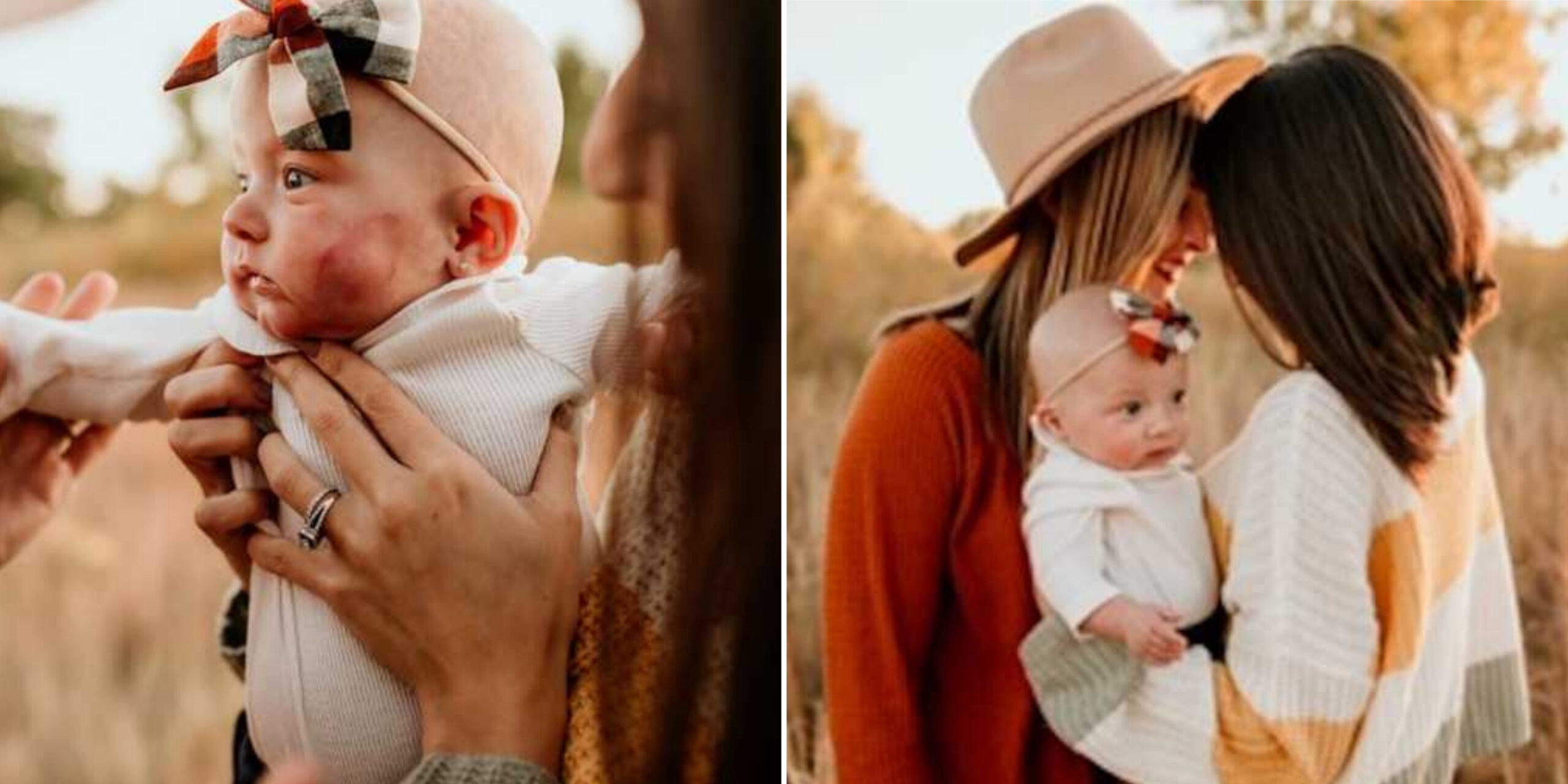
Our journey to pregnancy wasn’t easy. Brittany and I always knew we wanted to have children. After our wedding in February 2016, we purchased the last seven vials of sperm from a local sperm bank and scheduled our first appointment at a fertility clinic in Florida. Given my age and medical history, we were told that IUI (intrauterine insemination) would likely work on the first attempt. I started on Clomid for several days, excited and hopeful. When we returned to check on the egg’s growth, we found not a healthy egg, but a very large cyst. Our first cycle was canceled. We were devastated, confused, and unsure how to move forward. On top of that, Brittany learned she was being transferred to Colorado for work, forcing us to put our dreams on hold for the time being.

In May 2017, we relocated to Colorado and renewed our efforts to become parents. Surgery to remove my cyst was scheduled for February 2018. By that point, we were already exhausted—though we hadn’t even completed a fertility implantation yet. Up until then, we were just trying to reach the point where we could even start. When we finally went through our first IUI, the excitement was indescribable. I felt pregnant—I didn’t know exactly what that meant, but I was certain. Then, reality hit hard. Two weeks later, the test was negative. Then again, a month later, the same heartbreak. Two failed medicated IUI cycles left us emotionally drained. Meanwhile, friends and family around us were announcing pregnancies, celebrating babies, and our hearts broke repeatedly. We kept asking ourselves, “Why them? We’re ready, we’re responsible, we’re trying so hard!” The jealousy, grief, and isolation were almost unbearable.

Eventually, we decided to move forward with IVF, a procedure that finally gave us hope—but it came with a staggering price tag: nearly $26,000. Insurance wouldn’t cover it, and we were left wondering how we could afford to continue. Even with our bank accounts at zero, we refused to give up. I went through weeks of hormone treatments before egg retrieval, hormones that tested me, Brittany, and our relationship in every possible way. On transfer day, we felt a mix of hope and realism. After taking a Valium and waiting in the clinic, the embryologist brought in what would become our daughter—a tiny embryo dividing and growing on the screen before our eyes. That was the moment we met her for the first time.
From that day forward, during the first trimester, I would place my hand on my stomach each morning and whisper, “We will love you no matter what, even if you decide not to stick around.” We shared the news early—Brittany was ready, I was cautious, my heart still protecting itself from potential loss. At four and a half months, my father passed away. I didn’t cry openly, but I grieved silently. The thought of him missing our daughter’s life was crushing. Yet, despite the pain, we moved forward, holding tightly to the miracle growing inside me.

The remainder of the pregnancy was thankfully smooth. Ava was born after a five-hour labor and just half an hour of pushing. It was beyond what we could have imagined: Brittany assisted in the delivery, and after two nights in the hospital, we went home. The emotions hit me like a tidal wave—I cried at the sun shining, at Ava’s beauty, at pure happiness, and even for no reason at all. She adapted quickly, and we found our rhythm, though the sleepless nights were overwhelming. I struggled with postpartum expectations, feeling joy but not in the way I had imagined. I loved her deeply, but something inside me felt unsettled.
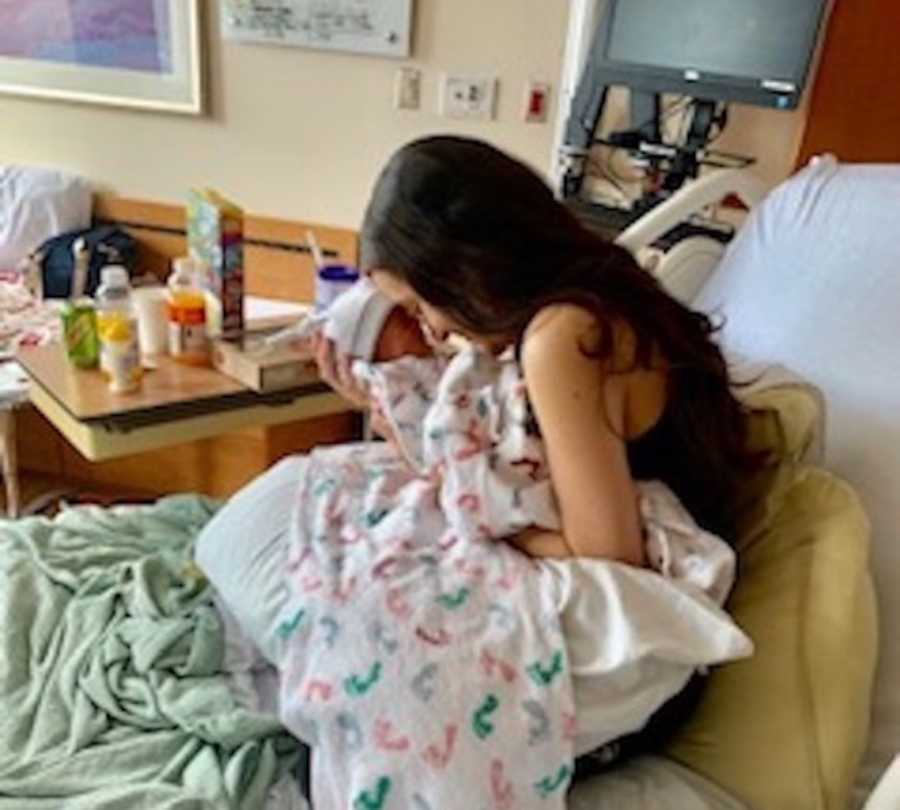
Six weeks in, I reached my breaking point. Brittany was preparing to leave town for work, and I experienced a panic attack that forced her to cancel her trip. This repeated several times before I sought help and was diagnosed with Postpartum Anxiety (PPA). The journey was hard—for me and for Brittany. I felt embarrassed, alone, and desperate for understanding. I missed my father more than ever, feeling like a child again needing her parent. Slowly, through therapy and support, I began to navigate these emotions.
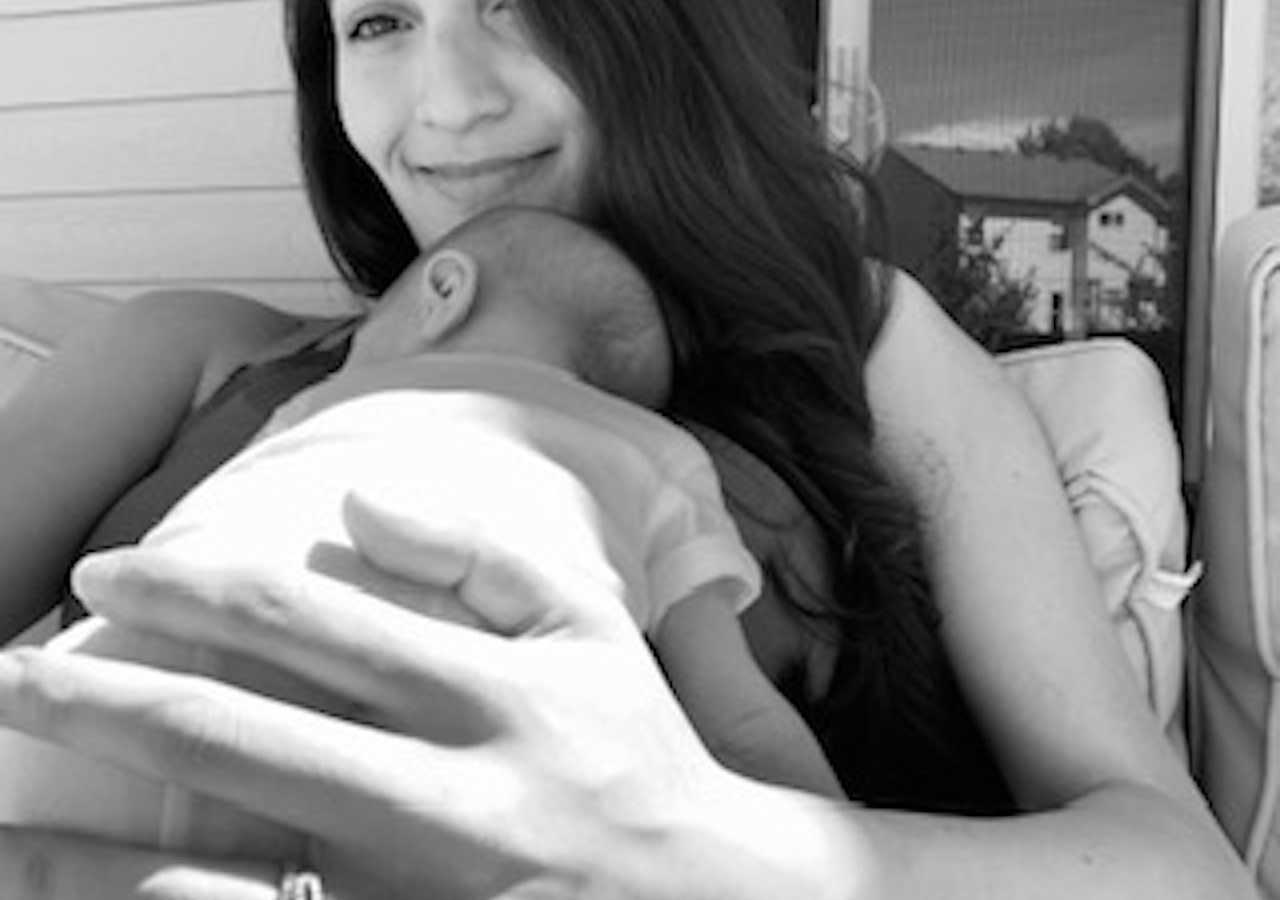
Now, Ava is six months old, and I’ve learned more about myself than I ever imagined possible. Anxiety may still be part of my life, but I live fully and happily. I no longer question why I don’t feel the way social media suggests new parents should feel, and I finally feel at peace. Sharing our journey is my way of saying to anyone struggling: you are not alone. Fertility struggles, pregnancy, and postpartum challenges are often invisible battles, but they are real—and there is hope.