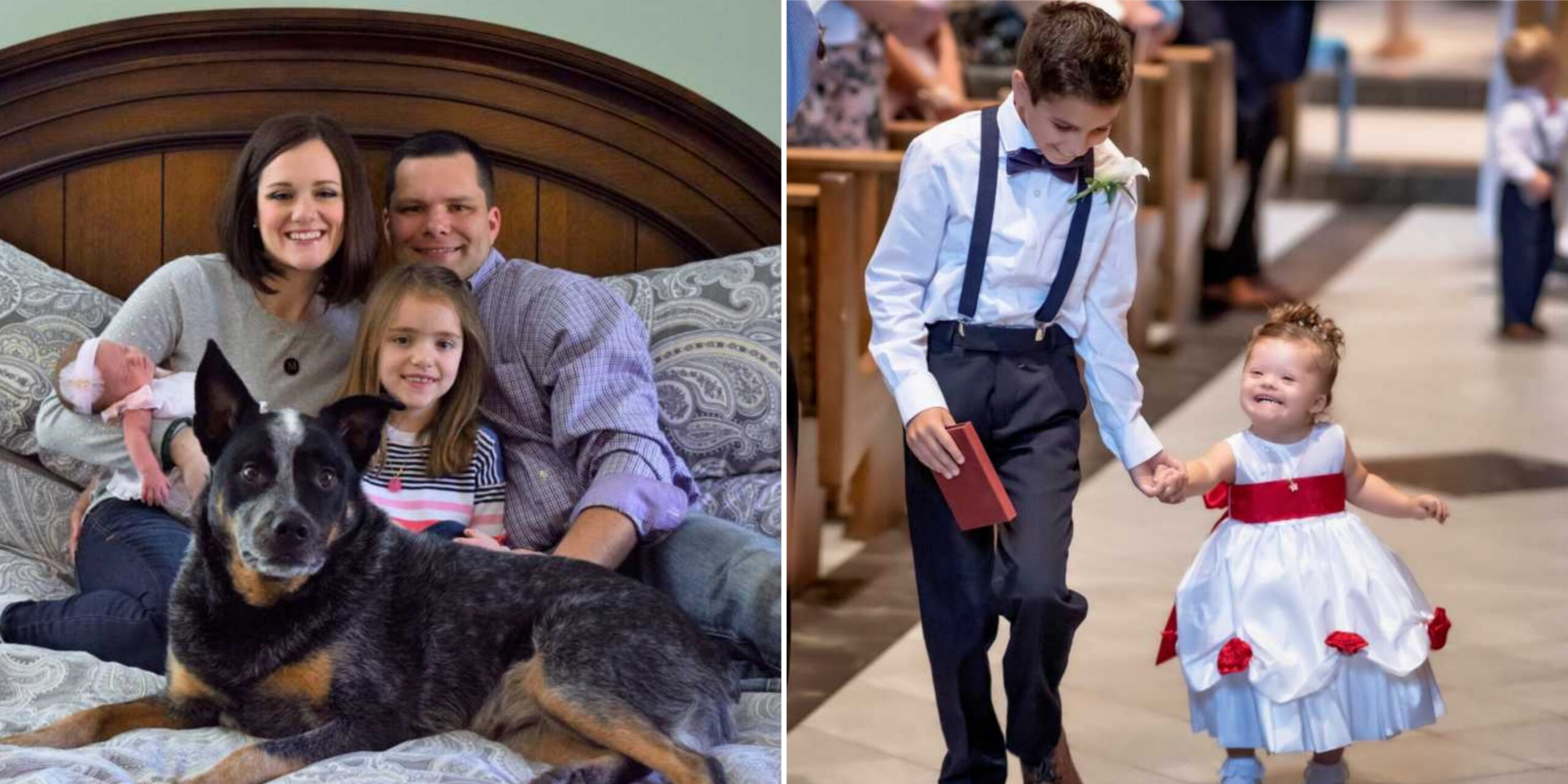
We were a family of three for seven years when we finally discovered we were pregnant again. We had tried for a second child for so long—fertility drugs, laparoscopic surgery, multiple rounds of IUI—and each attempt ended in disappointment. Eventually, we agreed to stop. We already had a beautiful, healthy daughter who longed for a sibling, but the journey had taken its toll.
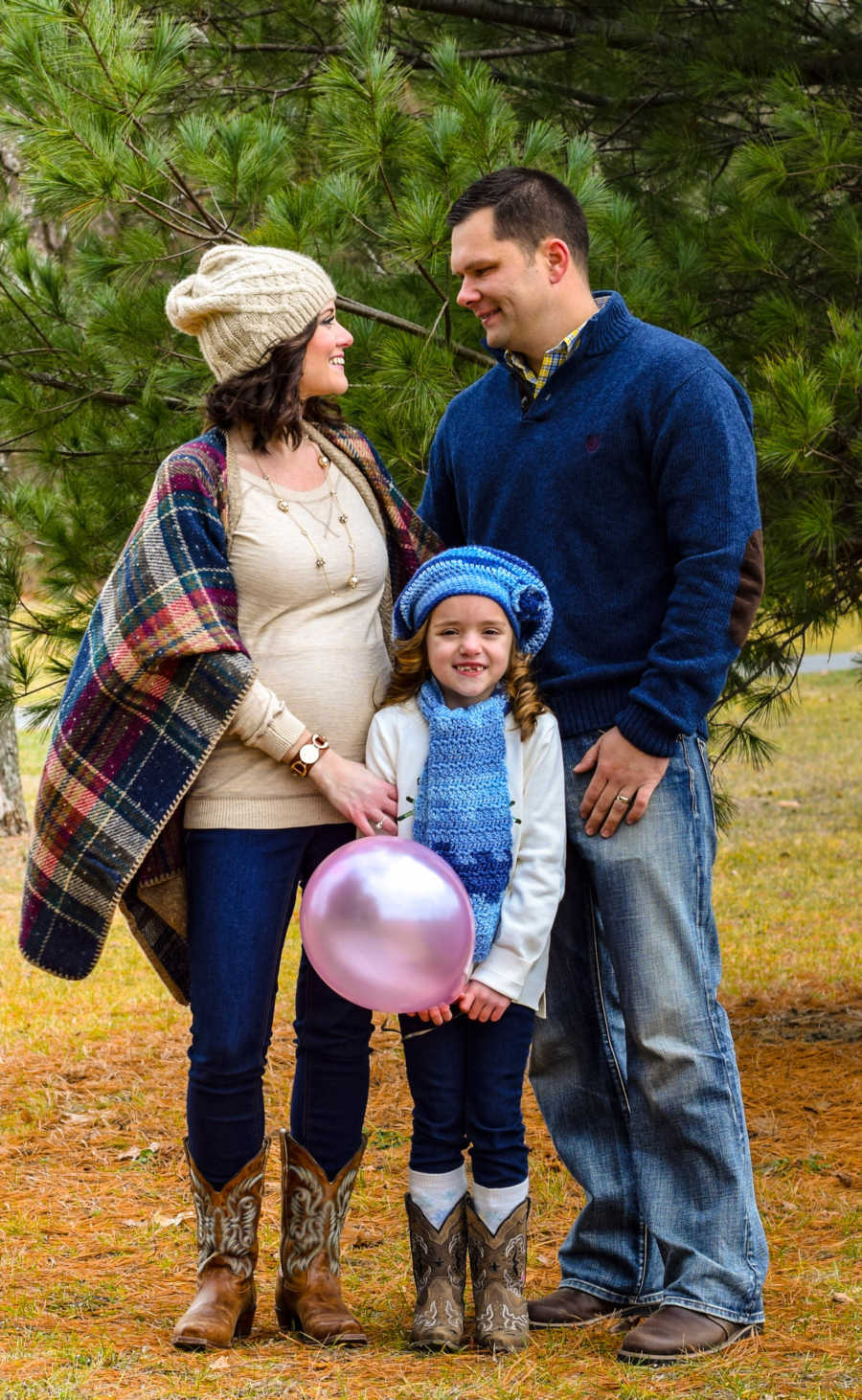
Then, one summer in 2016, sudden back spasms hit me, making me nauseous. Something in my gut told me to take a pregnancy test. And there it was…a big, fat, beautiful positive. I called my husband immediately. The joy was overwhelming—we were ecstatic!
But as the weeks passed, anxiety crept in. After all we had been through to reach this point, what if we lost this baby too? That uneasy feeling in my stomach never went away, and it wasn’t morning sickness.
My OB appointments and ultrasounds were reassuring at first. At 12 weeks, we learned her facial bones looked perfect, which “drastically decreases the chances of Down Syndrome.” It was comforting, but I still didn’t feel fully at ease. I had drafted a social media post to announce the pregnancy, but fear held me back. Finally, I reached out to my cousin, who encouraged me: “The baby is healthy—post it!” With one click, it was out in the world, and the congratulations poured in.
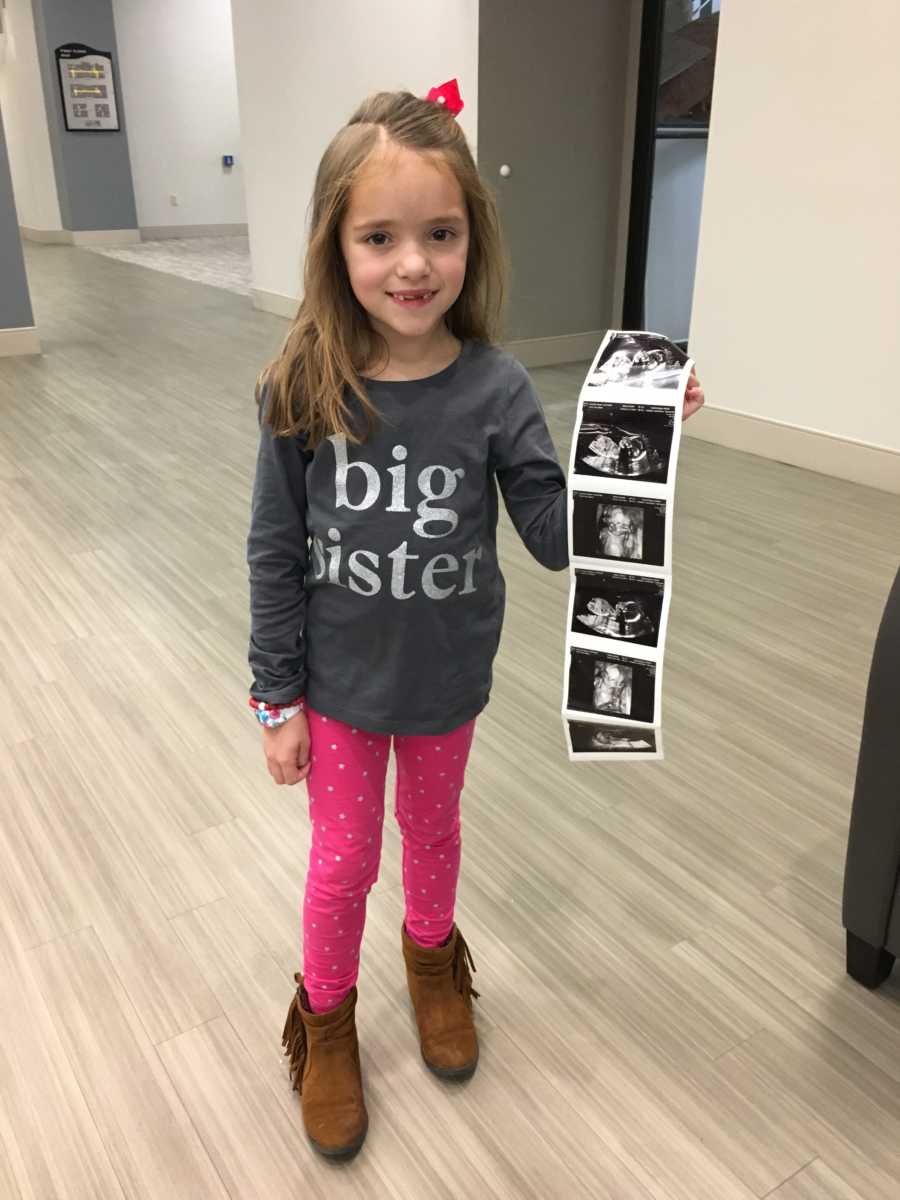
Then the nightmare hit. One morning, as I got out of bed, heavy bleeding began. I screamed for my husband, called my mom and sister, and collapsed in fear and pain. That sick feeling I’d had for weeks had a name—subchorionic hemorrhage, blood trapped between the uterus and gestational membranes. My family quickly surrounded me in the hospital as the ultrasound showed a strong, steady heartbeat. Relief and fear intertwined.
The pregnancy continued with highs and lows. We learned it was a girl. The 20-week anatomy scan was normal, but I noticed her tongue constantly poking out, which kept me awake at night. I didn’t get genetic blood work because I was young and considered low-risk for Down Syndrome. But being a pediatric nurse, I couldn’t help myself—I pestered every doctor I knew, googled incessantly, and called my mom daily, begging her to reassure me. “Yes, Meg… the baby is healthy. Stop worrying,” they all said.
My weight gain was minimal, and the baby’s growth began slowing. Twice-weekly stress tests and ultrasounds became routine, each one more nerve-wracking than the last. By 36 weeks, low amniotic fluid meant induction was necessary that very night. She needed to come out.
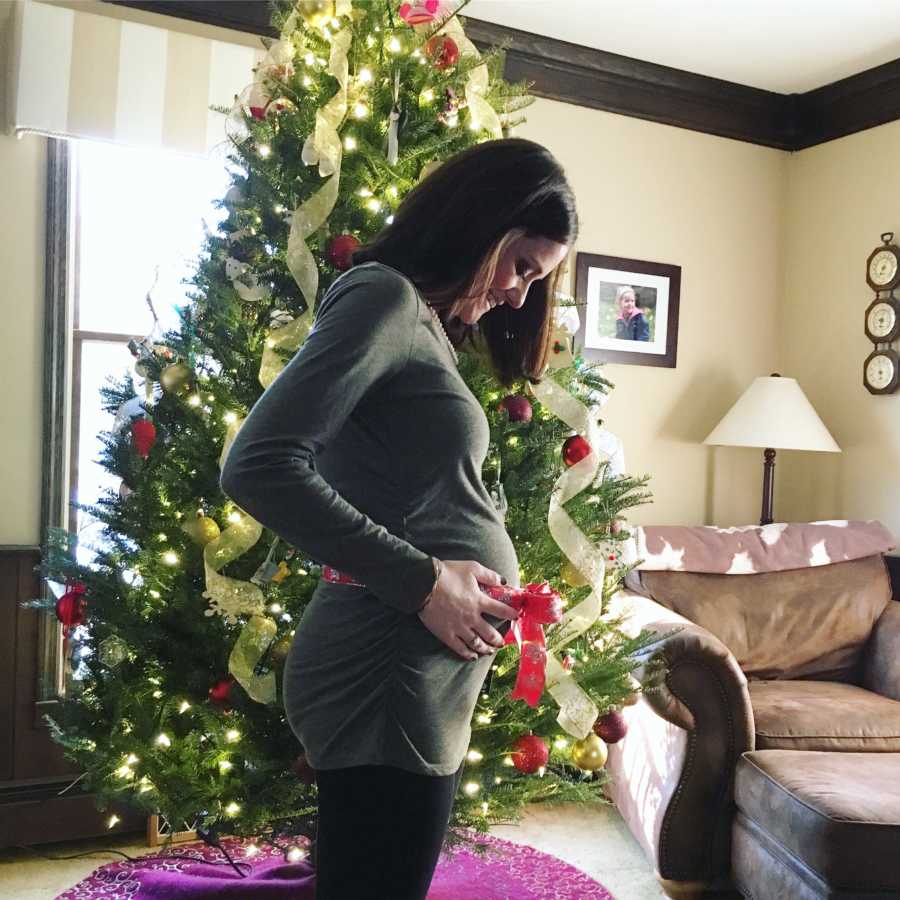
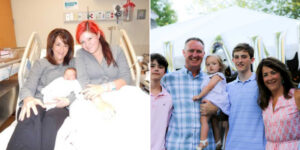
Labor was surreal. Not because of the pain or fear of birth, but because I was terrified of seeing her in person. After hours of contractions, two small pushes later, Bella Danielle arrived at 4 lbs 3 oz. The doctor placed her on my chest, and the truth hit me immediately: Down Syndrome.
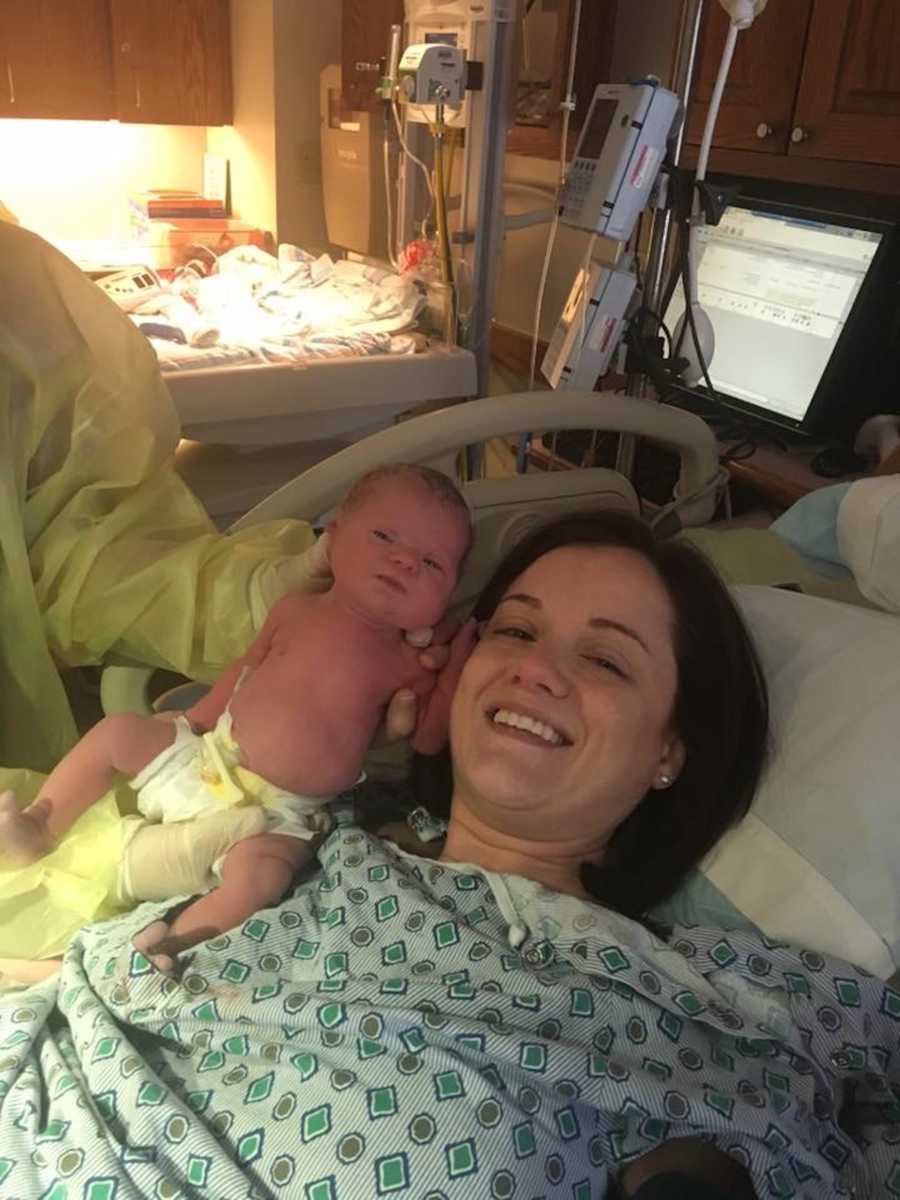
I felt sick. Nurses whisked her away for cleaning and measurements, whispering amongst themselves. My husband was on the phone, announcing her arrival to family, while I heard nothing but whispers. When I grabbed a nurse, asking if she was okay, all she said was, “Congratulations, she’s beautiful,” before disappearing. It felt like she was damaged goods.
Family flooded the room, beaming and passing her around, but I couldn’t see or hear anything clearly. My mind raced—why wasn’t anyone asking me how she looked? Why weren’t they sad? Why didn’t they see what I saw?
Later, in our room, the pediatrician examined her. My heart sank as I trembled. “Your baby is beautiful and perfect,” she said. “I do notice some traits common with Down Syndrome, but she’s healthy. We’ll need testing to confirm.”
I couldn’t cry. My husband, shocked and grieving, repeatedly asked, “What does this mean?” I stared out the window, furious at God, feeling betrayed. I didn’t want to hold her, feed her, or even imagine bringing her home. Adoption even crossed my mind.
The following days were a blur of paperwork, social workers, and early intervention plans. I was numb, exhausted, and emotionally raw. Discharge came amid a snowstorm, followed by a cardiology visit to check her heart. She had three small holes, with a possibility of spontaneous closure. It was one more worry to add to the list.
At home, our eldest daughter immediately fell in love, seeing only the baby sister she had always wanted. Her joy reminded me that love could transcend fear.
Genetic testing later confirmed Trisomy 21. It was real. I realized I had to pull myself together—not just for me, but for my husband and daughters. He had been our rock, and now I needed to be strong for all of us.
Therapists—physical, occupational, speech—arrived weekly. We followed their guidance rigorously, determined to help Bella hit milestones on her timeline. Slowly, I became proud to be a special needs mom, despite stares, awkward questions, and societal misconceptions. Bella’s tongue, her delayed walking, her unique challenges—they didn’t define her, but they shaped our family’s resilience.
Even in ordinary moments, I felt extraordinary pride. I took her to my dermatology appointment once; the doctor, seeing her, said, “Wow, she has Down Syndrome, huh? You’re a good person for keeping her.” I choked back tears and told her I was the lucky one.
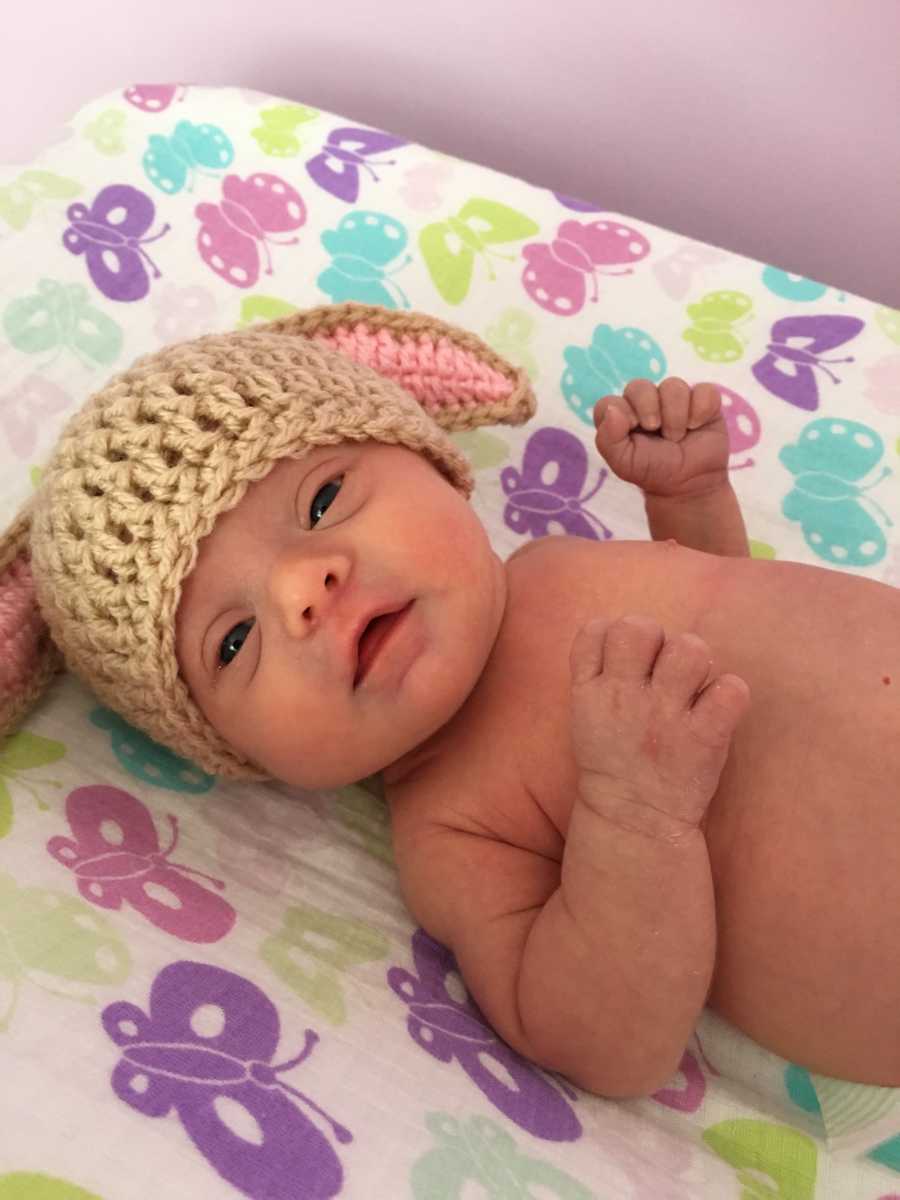
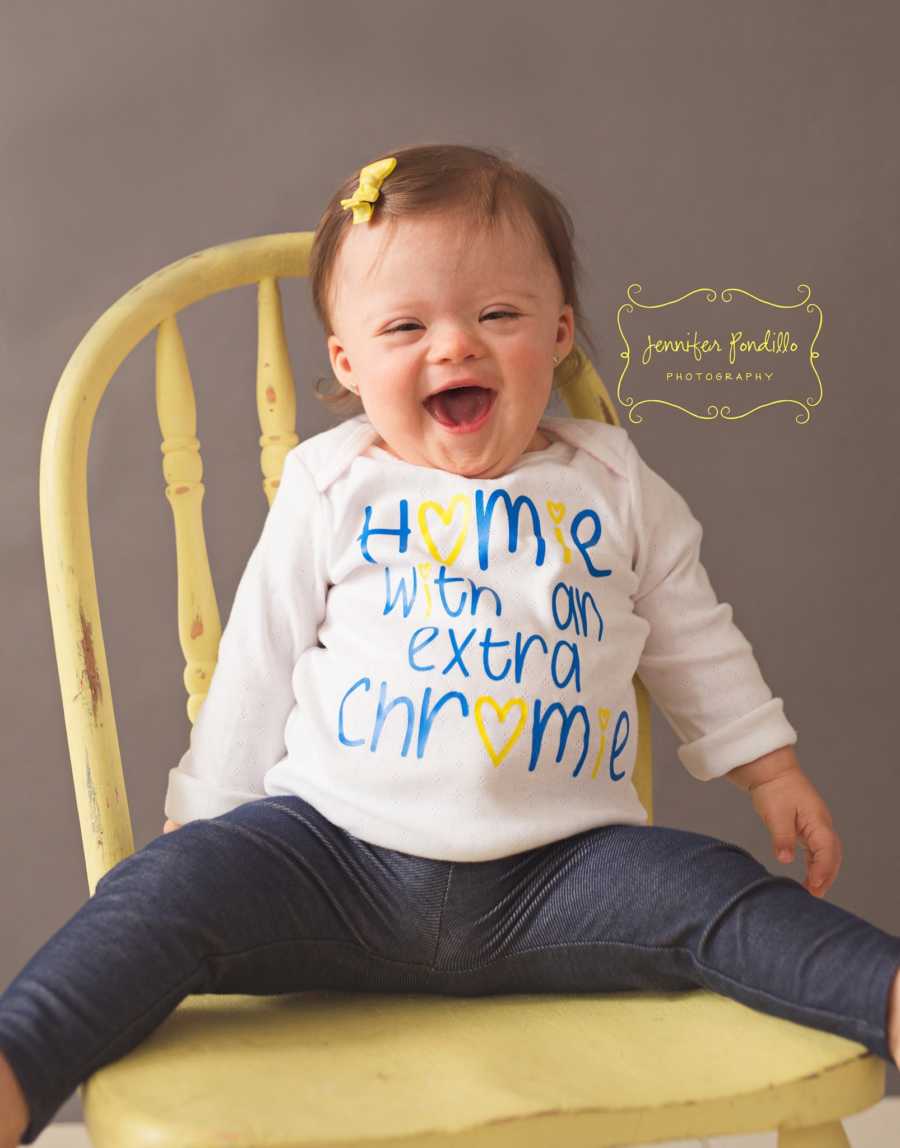
I became an advocate, fiercely shouting her worth daily. We call her Bella Beautiful, because that’s exactly what she is. Our life is messy, chaotic, exhausting, but also full of joy, hope, and love.
Therapy schedules, sleep struggles, and physical challenges continue. Bella’s right side is weaker, requiring aquatic therapy in another town, added to her already full week. I work full-time and juggle family, therapy, and caregiving, often teetering on the edge of exhaustion. But Bella is worth it.
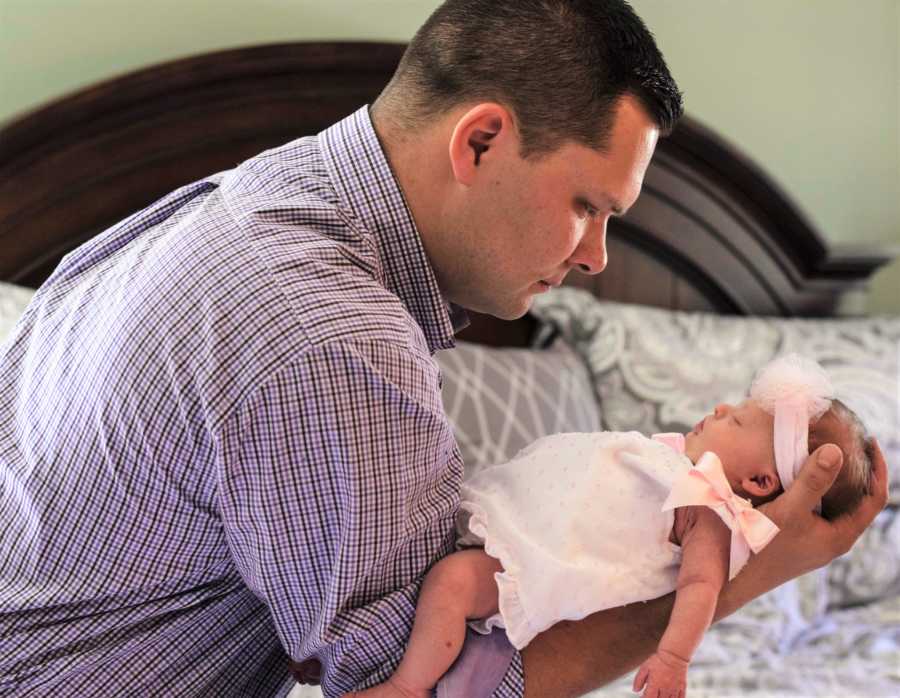
She is anything but ordinary. She defies developmental guidelines, creates her own path, shines despite delays, and fills our hearts with light. Bella Beautiful continues to teach us resilience, hope, and unconditional love. I will never stop fighting for her.