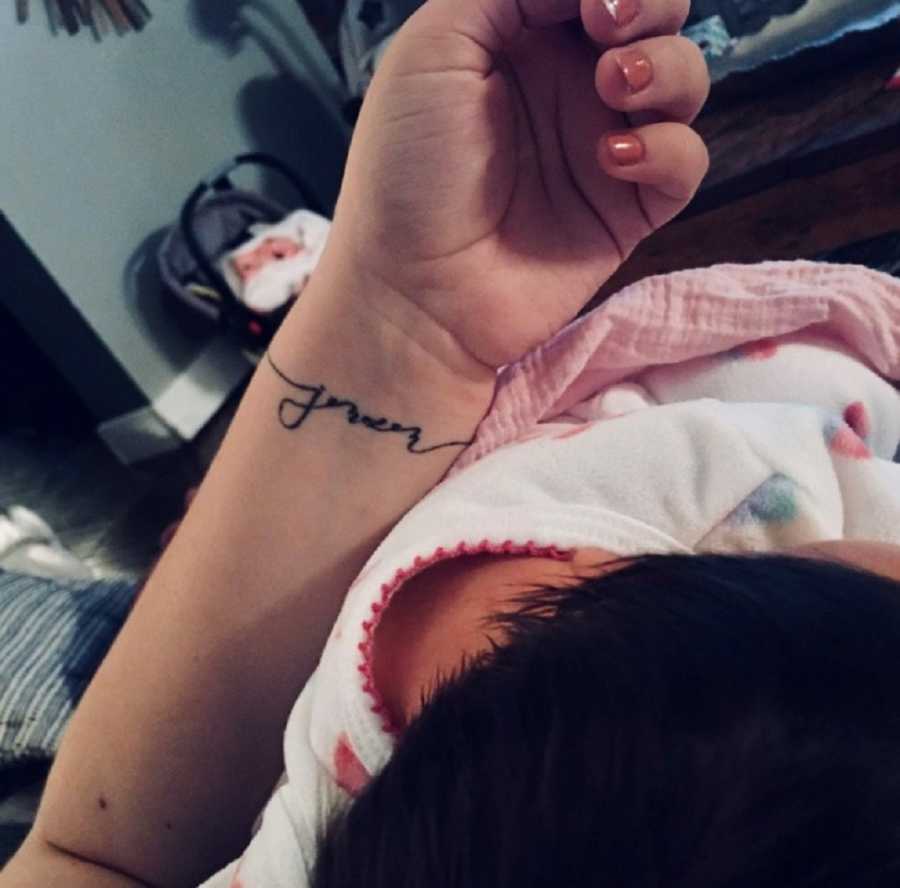
Grief weighs so heavily on me. Most days, I struggle just to get out of bed and face the world. When I do summon the courage to step outside, it never fails—I hear something that makes me want to run back under the covers and hide. These words pierce me to my very core, ever since I lost my sweet Jensen at 38 weeks, when his heart wasn’t beating and everything around him was just… still.
“Good thing you didn’t get attached.”
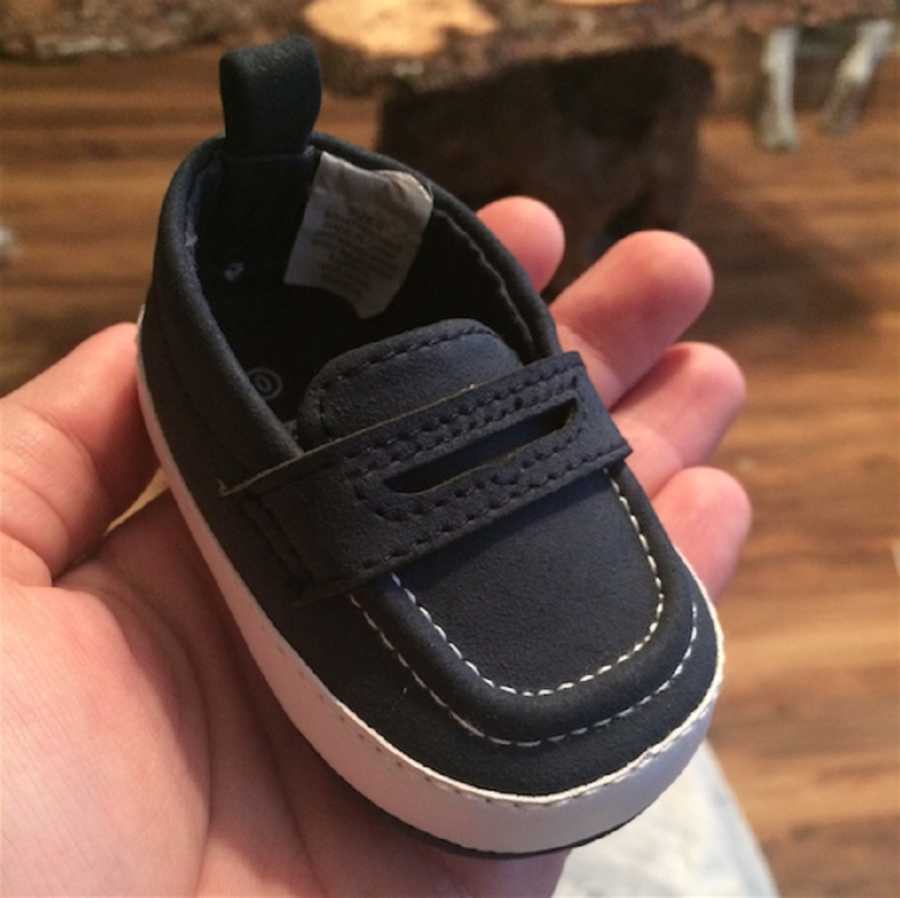
He wasn’t a puppy or a fleeting whim. Jensen was my child. He was my baby, a tiny being who had a family that loved him more than anything. I see his first shoes and feel an ache that makes me want to cry, thinking that anyone could assume I wasn’t attached. As if the fact that he wore these shoes—or that I could have brought him home—would somehow make me worse off than I already am. I just can’t wrap my head around it. How could I not love him, simply because he was stillborn? I was attached the second I saw that positive line on a pregnancy test. I had 38 full weeks with Jensen, a lifetime of dreams planned for both of us. His death does not erase his existence, and my love for him didn’t vanish the moment he passed. He will always be my first-born son; I will always be attached to him.
“At least you’re not staying up all night with your kid.”
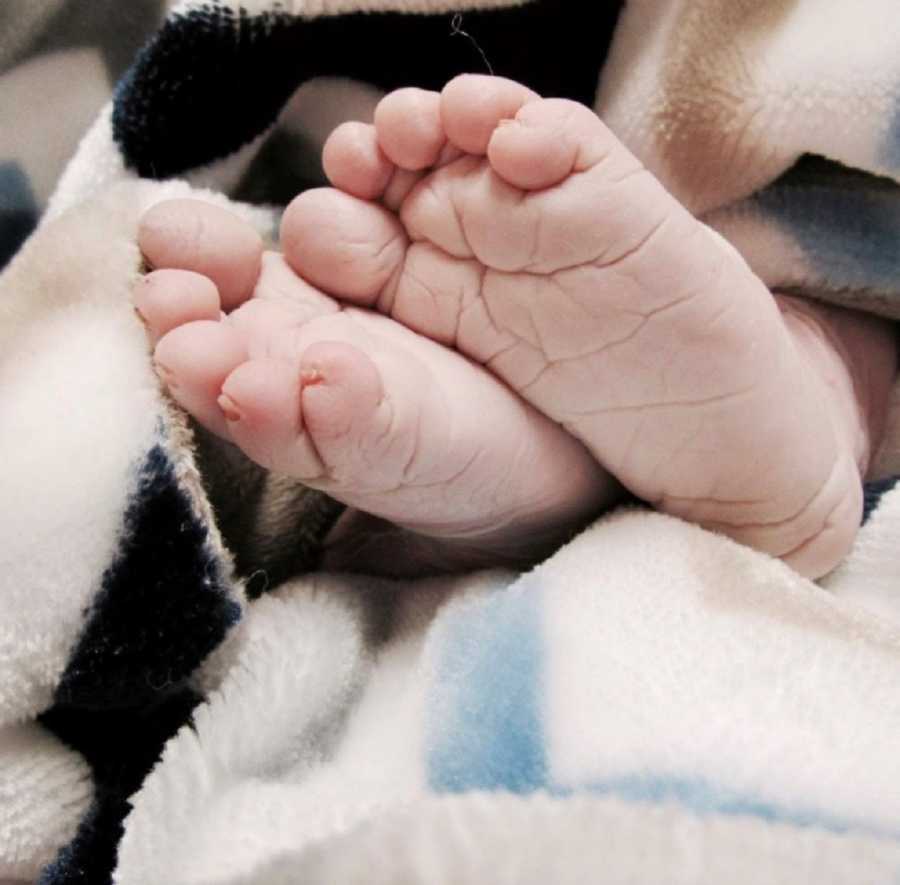
This came from someone complaining about sleepless nights with their child. I replied, understanding—the nights have been long for me too, though in a different way. Then it was said: instead of being awake with Jensen, I’m up all night missing him and crying. I would give anything to be up with him, even if he were crying endlessly. These nights are unending, and no amount of understanding or sympathy can fill the emptiness left in my arms.
“You can always have more children.”
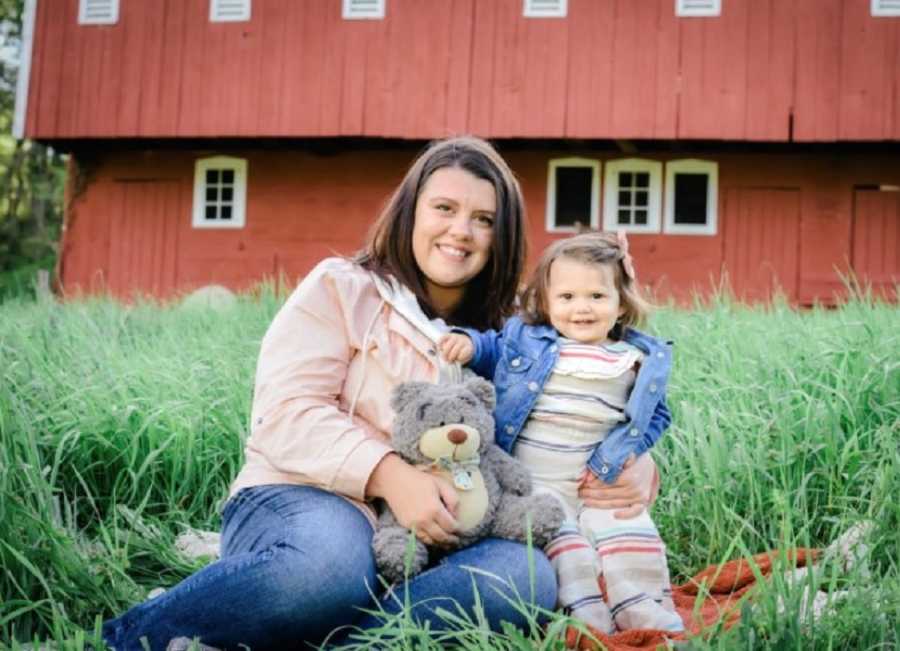
Maybe that’s true, but it doesn’t bring Jensen back. Sometimes I think people mean to comfort me with this statement, but I can’t hear it that way. If my mom passed away, no one could replace her. A child is no different. Jensen’s life and his absence cannot be undone or replaced. Another child would never be him—just a sibling. Even after having Mila, she doesn’t take his place. She’s her own person, and in some ways, having her makes me long for Jensen even more. I imagine the two of them playing together, laughing, growing up side by side. Having another child doesn’t erase the spaces he left behind; it only reminds me of all I continue to miss. My heart grows with love for Mila, but it will always ache for Jensen. No matter how many children I have, I will always long for him.
“Isn’t it time for you to be moving on?”
No. I will never “move on” from Jensen. The pain is raw, the loss so monumental, nothing else compares. My child died—it’s not like misplacing a cherished object. There are countless tangled emotions I still need to work through, connected to his life, his death, and the messy aftermath. I can’t fully explain them, but I know I must face them. Moving forward doesn’t mean forgetting; it means carrying him with me every day. I incorporate him into my life, plan things that honor his memory, and live in a way that continues to celebrate him.
“Are you still depressed about this whole thing?”
Yes. Grief and depression are intertwined, messy, and unpredictable. It’s not just about Jensen—it’s the ripple effect his death has on every part of my life. Some days I function semi-normally, but most days I am consumed by sadness. Society often minimizes depression, but this grief is life-altering. It changes everything: relationships, the future I envisioned, the simple joys I once took for granted. Even five years later, moving back toward a sense of “normal” can take time. For now, this is my reality.
“God wanted him more.”
I believe in God, and I trust Jensen is in heaven, but this phrase offered me no comfort. Hearing my son referred to as an “it” or suggested to be wanted more by God made my heart ache even more. Jensen is not a replacement or a gift to someone else—he is my son. I would have done anything to keep him here, and no words about “better places” or divine plans could ever lessen that. My faith has been challenged, tested, and reexamined in ways I never imagined. I know he is in heaven with loved ones I have lost before, but for now, my heart only knows the pain of missing him here.
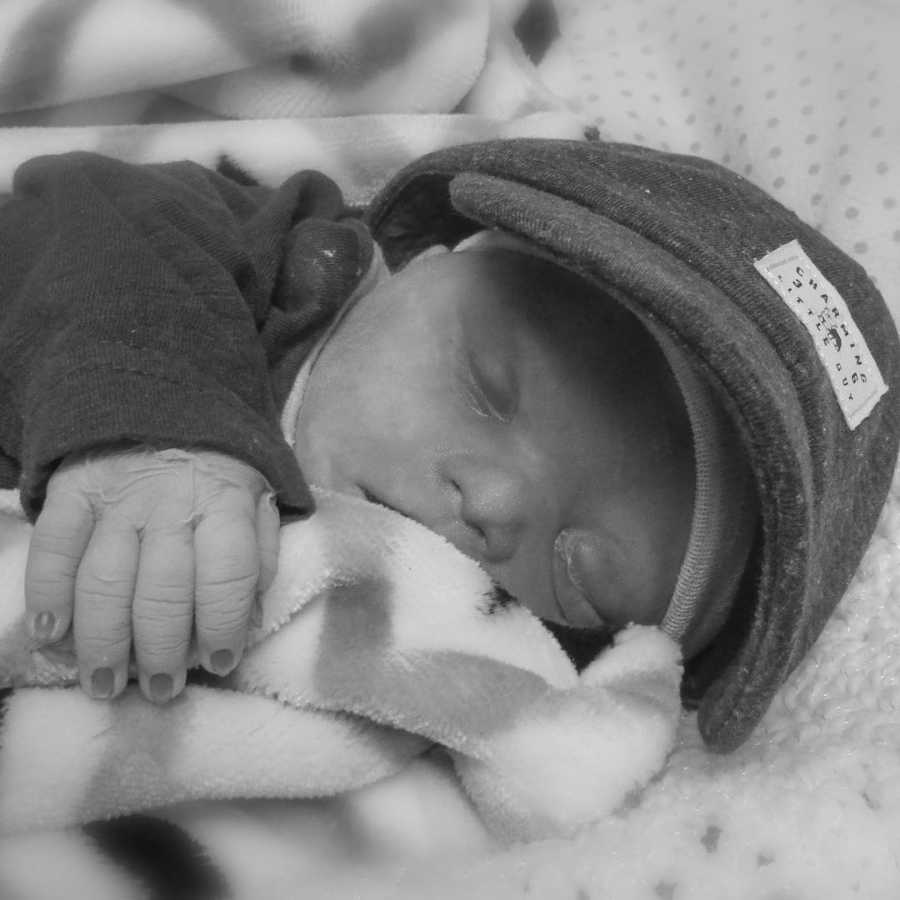
“It’s like losing a child…”
There is nothing in this world like losing a child. Do not compare it to any other kind of loss. Other losses may hurt, but losing a child is unnatural, unfathomable, and life-altering. It forces you to question yourself, your role as a parent, your purpose. Jensen’s death is not a single event—it’s the shattering of a lifetime of plans, hopes, and dreams.
Yet, saying nothing at all about Jensen, ignoring his name, ignoring our grief, is even worse. Silence adds weight to the emptiness, while acknowledgement honors his existence. Just saying his name, letting us know you are thinking of us, can mean the world. Jensen’s story, his life, and the truth of stillbirth must be spoken about. Being silent does nothing—it only deepens the silence of the heart.