The journey to growing our family has been anything but straightforward. Together, my husband Mark and I have faced numerous challenges—multiple first-trimester miscarriages, high blood pressure, hyperemesis, and a host of other complications that no parent hopes to encounter. Our oldest, Jack, arrived in November 2014, after a difficult nine months of pregnancy and a labor filled with frightening complications. We thought we might have reached some sense of stability, but life had other plans.
In July 2016, our daughter Lillian was born stillborn at 35 weeks. Not a day goes by that we don’t think of her. While we will always grieve her loss, she remains a beautiful, invisible thread woven through the fabric of our daily lives. She is present in our hearts and in our home in ways that are subtle but profound.
Our third child, Lawrence, was born in January 2018. His pregnancy was, in many ways, textbook, yet emotionally it was our most challenging. Every day, we feared we might lose him, living under a constant cloud of anxiety that only parents who have faced loss can truly understand. Then came Gilbert—nicknamed “Ghillie”—born via emergency C-section on March 31, 2019.
That evening, I had gone to labor and delivery because I noticed decreased fetal movement. It felt hauntingly familiar, echoing the days leading up to Lillian’s death. I was only 25 weeks along—too early to officially begin kick counts—but I knew any change could signal danger. Minutes later, after failing two biophysical profiles, a team in blue scrubs rushed me to the OR. I lay under the bright lights, numb from the waist down, as Mark arrived beside me. Seconds later, I heard, “He is out!” but I didn’t hear a cry. I feared the worst.
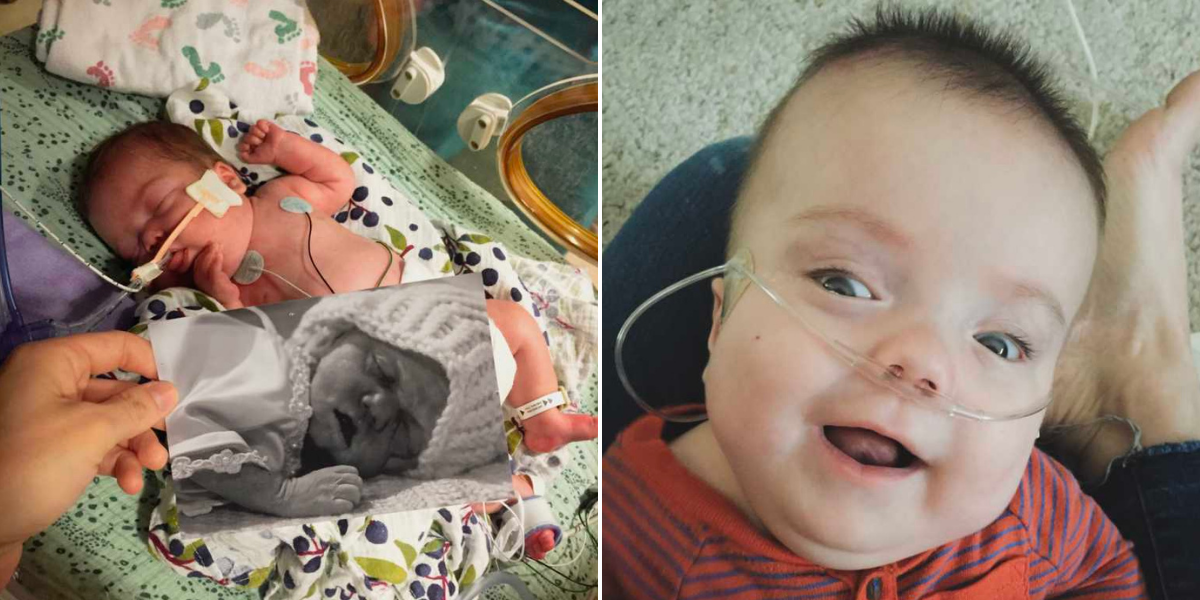
Gilbert was immediately taken to the resuscitation room. I trembled as they stitched me up, gripped by fear I couldn’t shake. Hours later, he was wheeled into my postpartum suite in a massive neonatal transporter—a fragile bundle of equipment designed to sustain the tiniest life. He weighed just 1lb 13oz, measured 13 inches long, and his delicate skin was wrapped in protective plastic. Amid the haze of medication and medical jargon, I saw him clearly: a perfect combination of his siblings, with thick dark hair despite his premature arrival. Mark spent the night shuttling back and forth between my room and the NICU.
The next morning, the neonatologist called. I braced for terrible news, fearing my worst nightmare might be repeating itself. Instead, he explained that Gilbert had suffered severe brain bleeds—likely seen during the biophysical profiles before delivery. I asked, voice breaking, if anything could be done to stop the bleeding. There was nothing—only watch and wait. Once again, I felt the crushing weight of helplessness, convinced my body had failed another child.
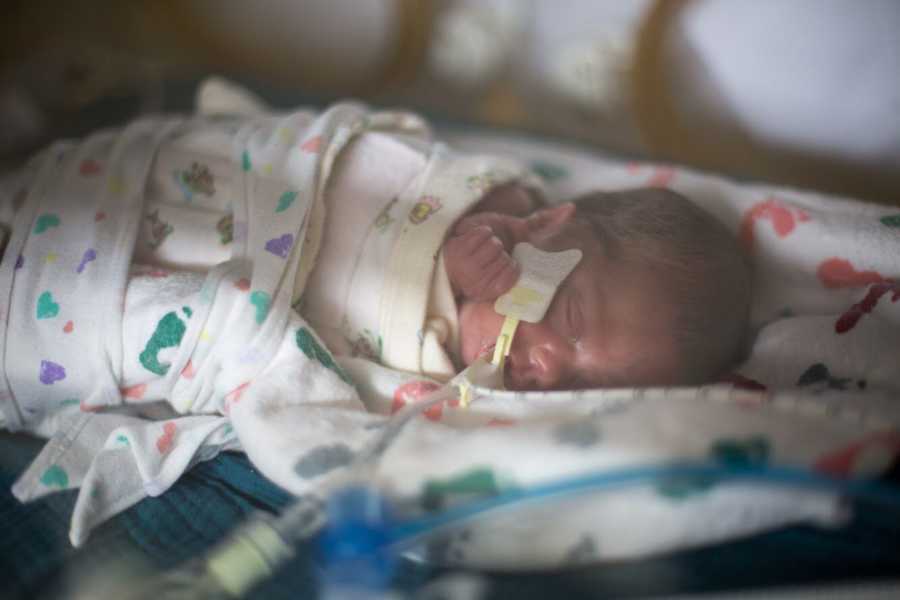
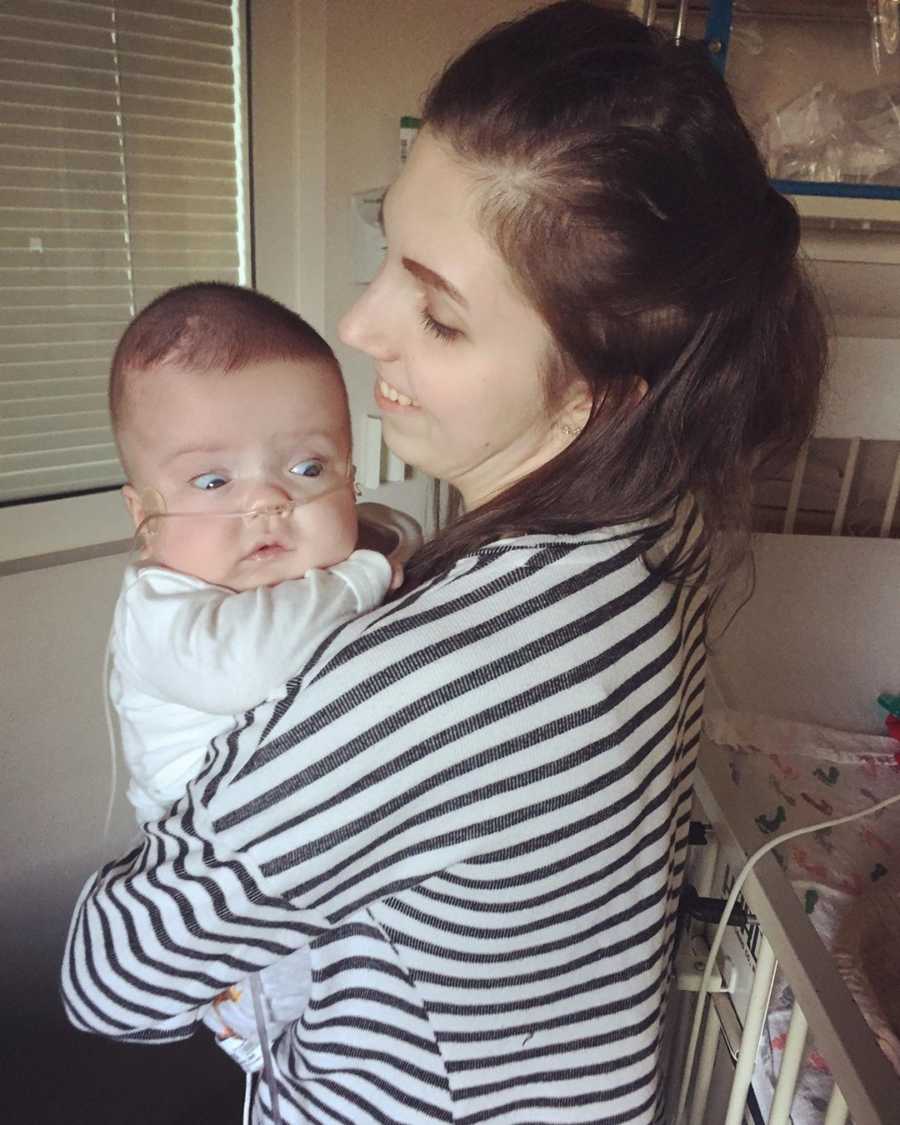
Transferred to the NICU at a nearby hospital, I saw Gilbert in a small, glass-enclosed room reserved for the tiniest and sickest babies. His eyes were fused shut, wires and tubes adorned his body, and medications pumped through him constantly. Yet none of that mattered. In that moment, I fell completely in love.
Later that day, doctors showed us ultrasound images of his brain. The news was devastating: a Grade IV bleed in the right ventricle, the most severe, and a Grade III in the left. They explained that as the brain heals, both healthy and damaged tissue can be absorbed—how much of his brain would survive was unknown. Talk quickly turned to potential lifelong disabilities: cerebral palsy, severe developmental delays, and a life of challenges. He had a 50% chance of survival. We were asked if we wanted to discontinue life-saving measures, but that felt impossible. Having planned Lillian’s memorial, we knew grief intimately. Special needs, while daunting, were preferable to loss. We decided to let Gilbert guide us—our “wayfinder.”
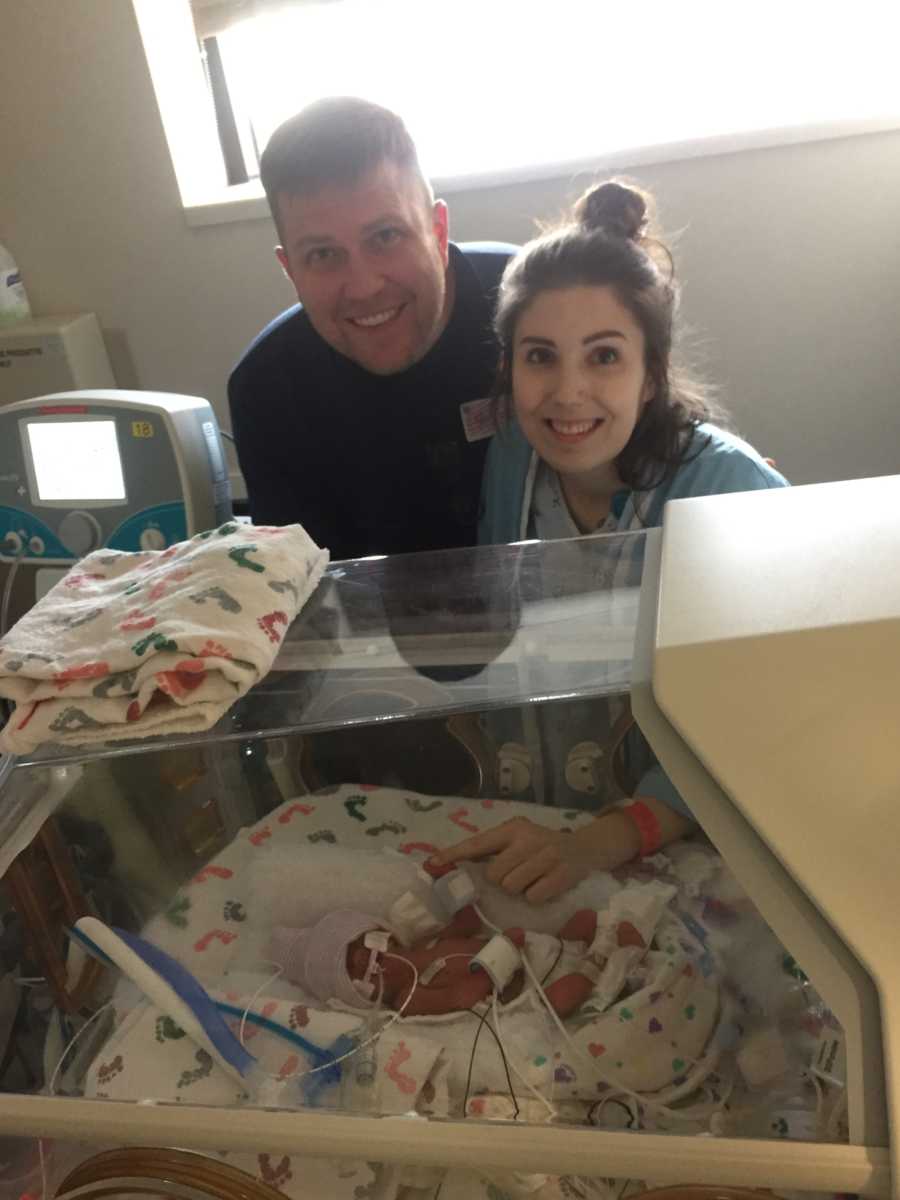
The months that followed were a relentless mix of surgeries, ultrasounds, and interventions. Each day was punctuated by resuscitations, alarms, and uncertainty. I kept my phone close, bracing for the inevitable call about another setback. Yet amidst it all, we clung to normalcy—changing diapers, giving baths, reading stories, singing songs. Music therapy became a lifeline; Gilbert’s CD of Red Hot Chili Peppers lullabies became a favorite throughout the NICU. Every touch, every moment of sensory input, was an attempt to nurture the connections his brain desperately needed.
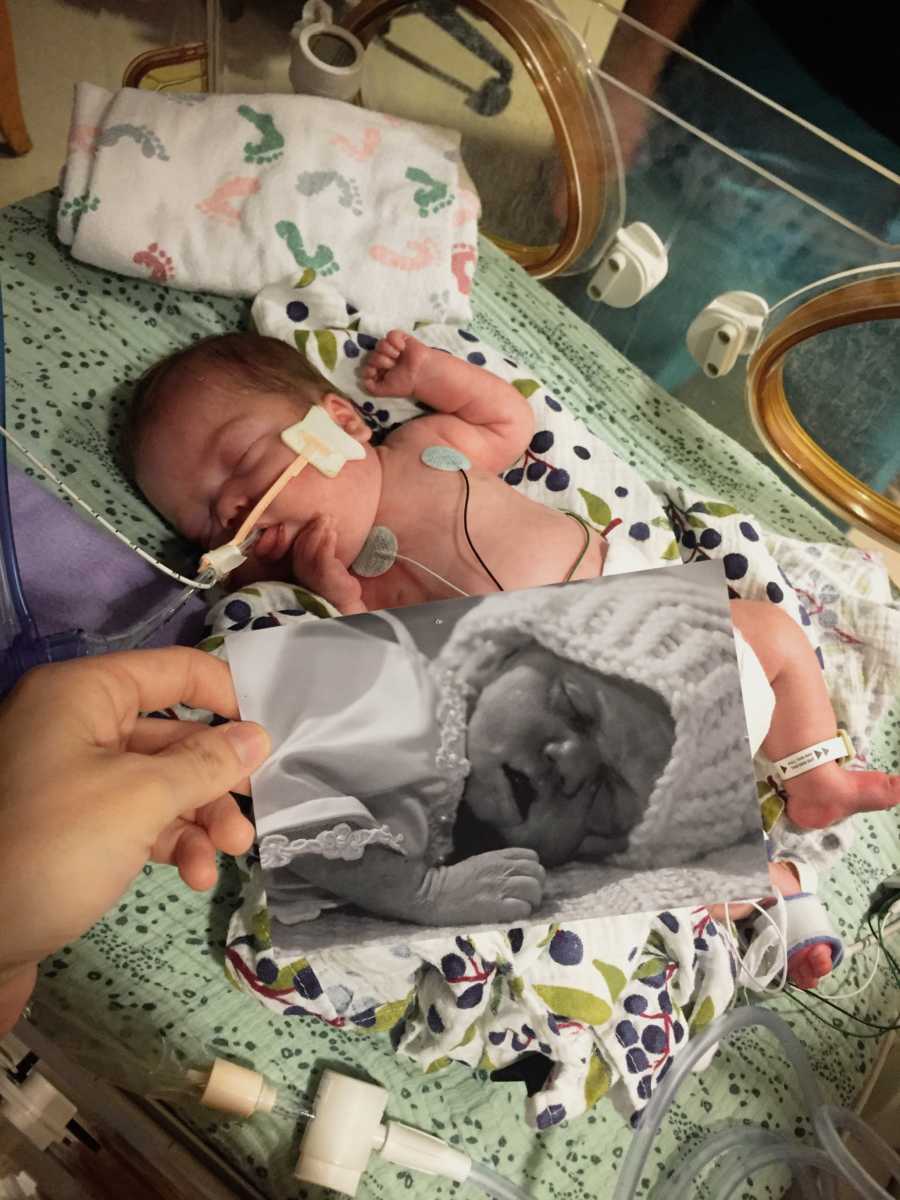
Weeks later, hydrocephalus developed, confirmed via MRI. The thought of another procedure terrified us, but there was no choice. After discussing options with the neurosurgeon, we chose an endoscopic third ventriculostomy (ETV) over a shunt. On the day of surgery, we kissed him goodbye and held our breath. Relief washed over us when we learned the procedure was successful. Pressure in his brain decreased immediately, and his ventilator settings dropped to the lowest of his life.
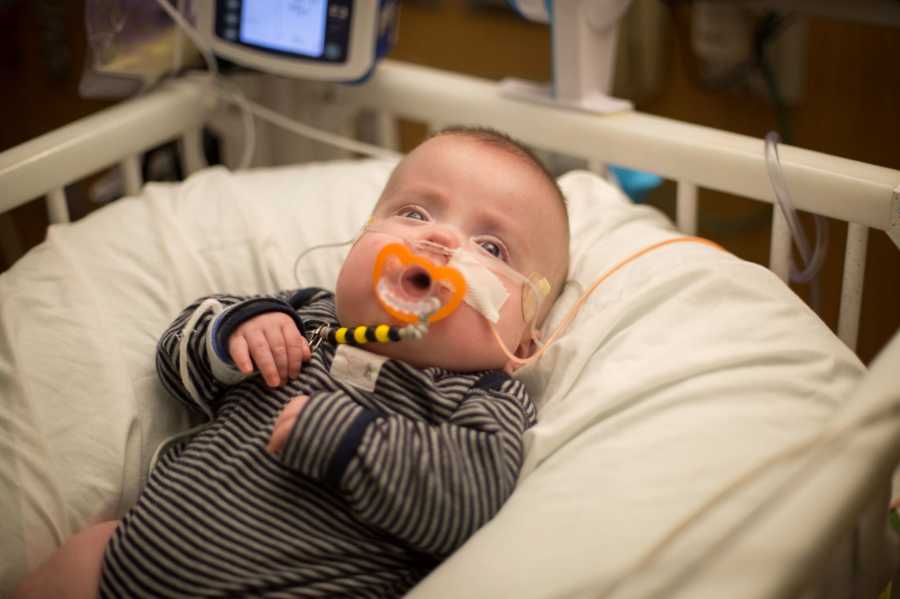
After 177 days in the NICU, Gilbert finally came home on September 24, 2019. He still required 24/7 oxygen and a g-tube, and we continued to monitor his brain, lungs, eyes, and bones. Life at home brought its own challenges—endless appointments, curious and sometimes insensitive strangers—but we adapted, learning to celebrate every milestone.
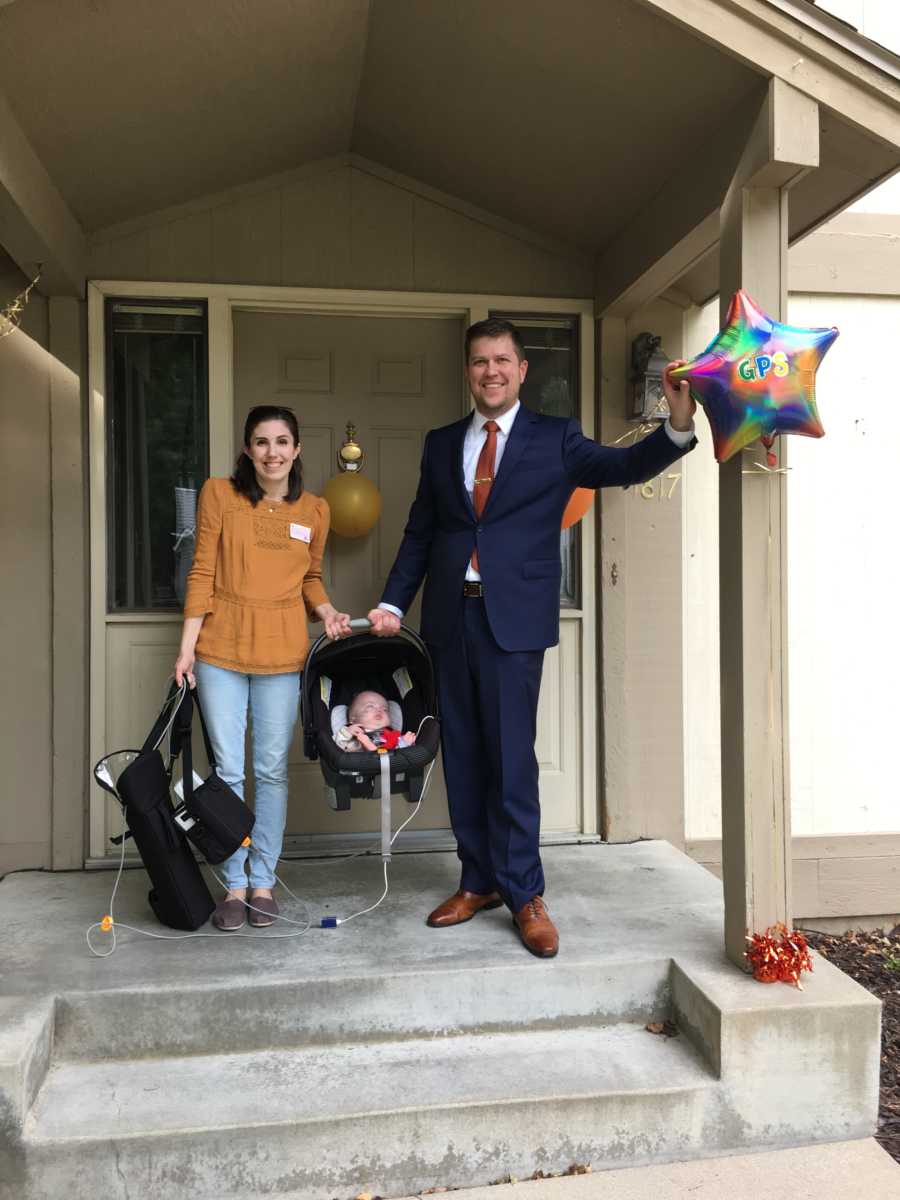
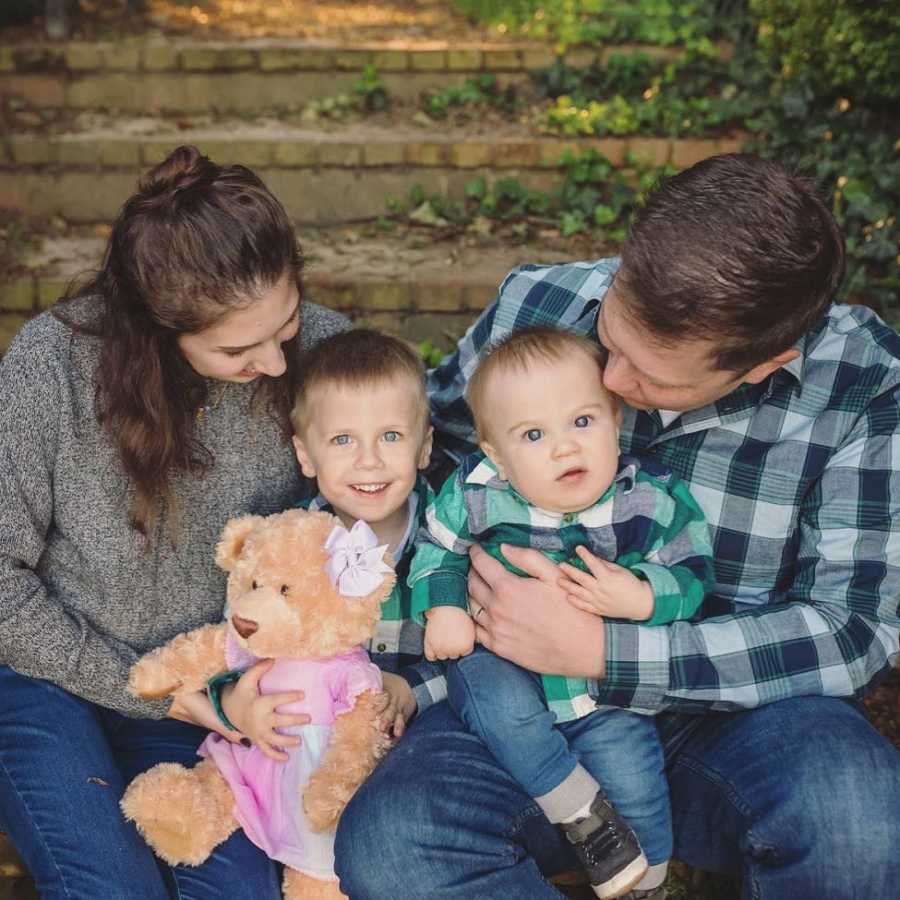
Today, Gilbert thrives. He smiles, loves tactile play, and cuddles with his brothers. He is a living testament to resilience and hope, defying predictions and inspiring everyone who meets him. The name “Ghillie,” a Scottish term for a guide, fits perfectly: he leads us through uncertainty, showing us how to navigate life with courage, love, and joy. Despite everything, we have loved him every step of the way, and we will continue to do so—no matter what the future holds.