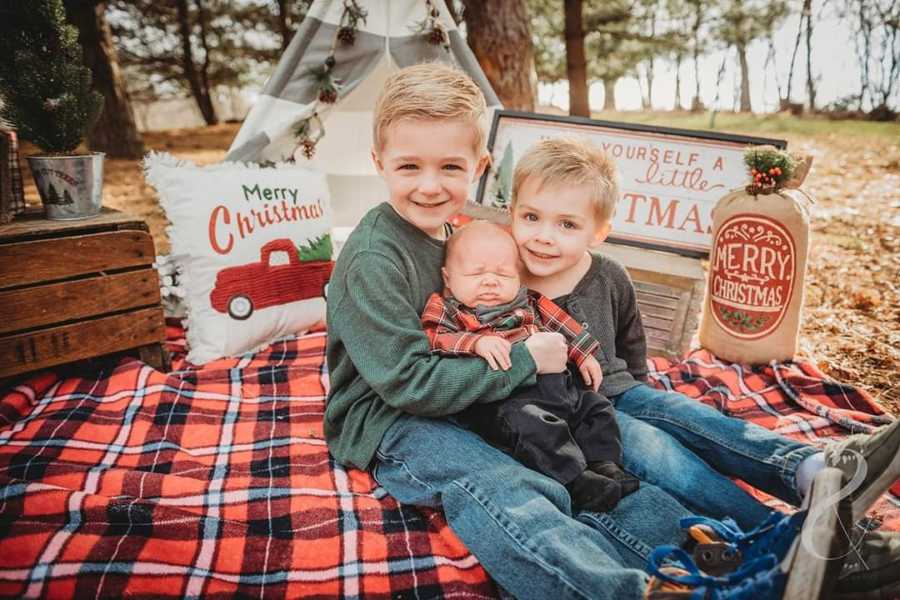
May 24, 2019—my life changed forever. Six weeks pregnant with our surprise third baby, my husband of seven years packed his bags and left, walking out of our home and my life, leaving me alone with our two boys, ages four and two. Our relationship had always been stormy, and explosive arguments were nothing new. But that day felt different. There was a weariness in both of us, a quiet exhaustion that whispered a bitter truth: our marriage was over.
I was consumed with anger. How could a man leave his pregnant wife and two young children? What could possibly matter more than that? How could someone simply vanish from the life they helped create? The questions swirled endlessly, and the anger felt bottomless. So. Much. Anger.
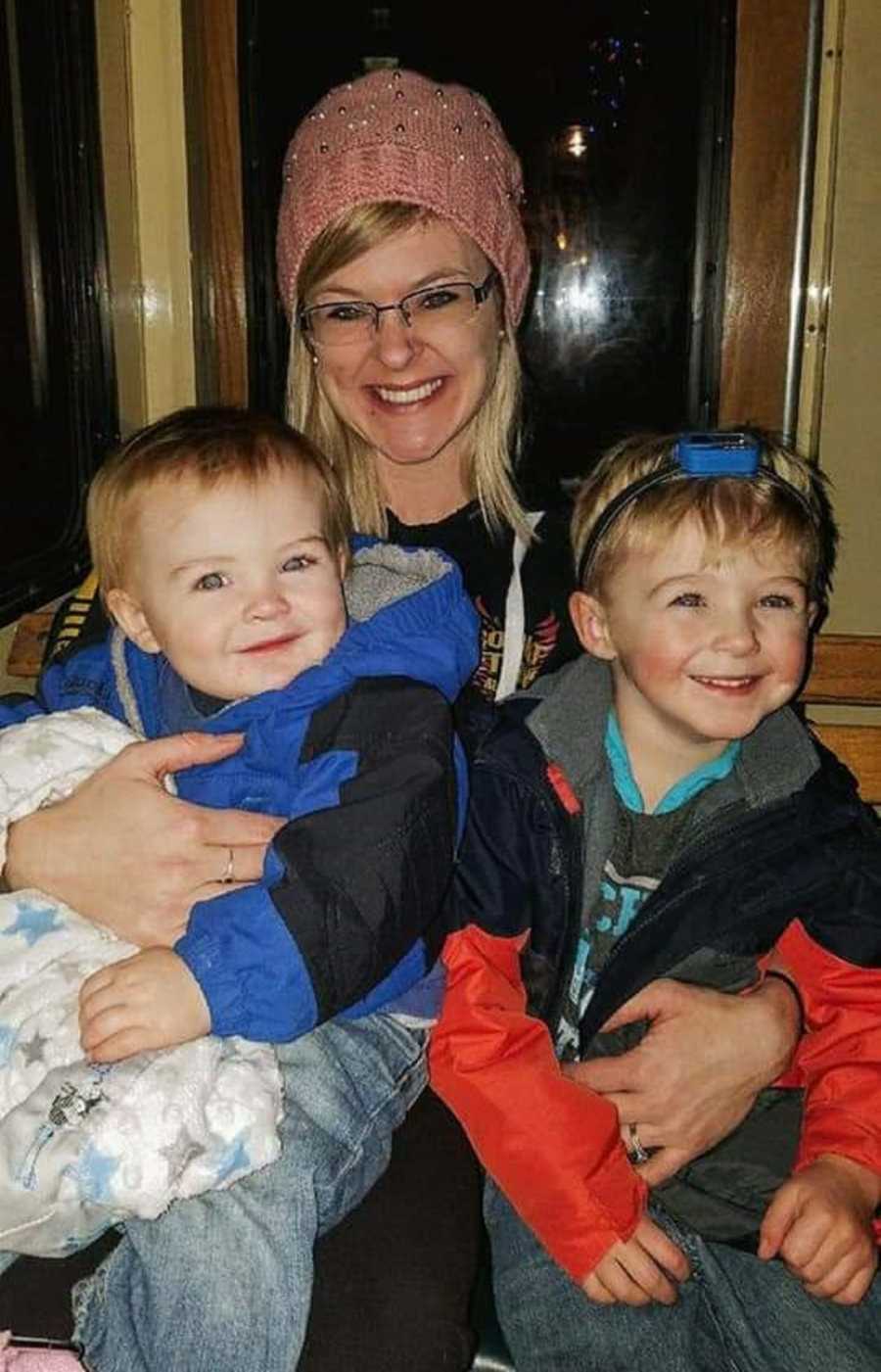
The following months were a whirlwind of survival. I navigated single parenting while working full time, managing the house, finances, four dogs, and a growing baby. My estranged husband’s communication was sporadic, sometimes absent altogether. One thing remained painfully clear—there was no saving ‘us.’ I was devastated. I needed help, desperately.
I had been on autopilot, spiraling into emotional self-destruction. Saving others had become my default; I had no clue how to save myself. But my children, including the one yet to be born, relied on my survival. Swallowing my pride, I made the call to a local therapist, seeking emotional support.
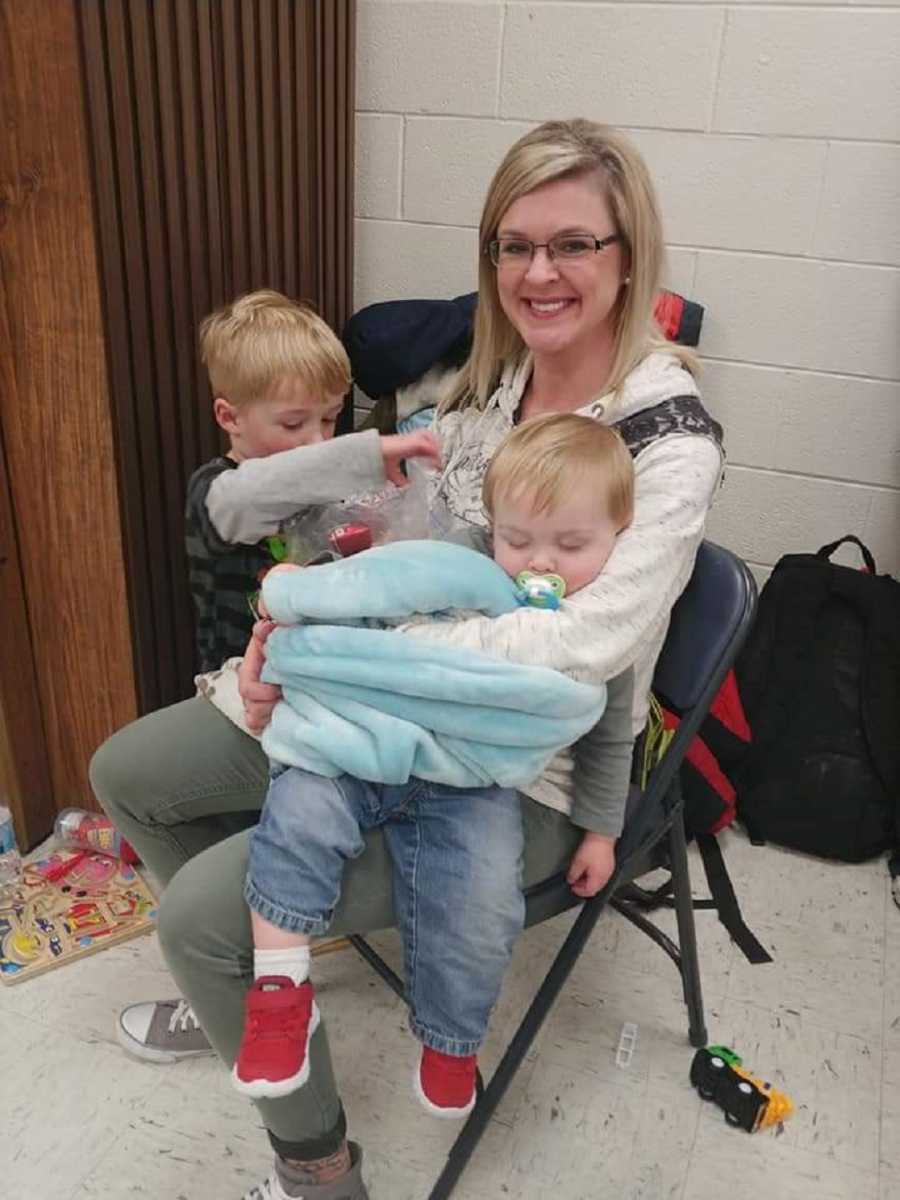
Walking into the therapist’s office for the first time felt almost impossible. I got as far as the door, turned around, and went back to my car. No way. I told myself. I’m normal. I don’t need counseling. That never worked for me before, why would it now? The stigma around mental health weighed heavily on me, and I nearly let it push me back into old patterns.
I had been on Prozac since I was fifteen, battling chronic depression and anxiety, along with an autoimmune disease that often left me feeling embarrassed. Yet, somehow, I still thought I wasn’t “that person” who needed counseling. But then I glanced at my phone background—my two boys’ innocent faces staring back at me. My heart ached. They needed me. That was all it took. Ashamed of my ego, I walked back through the doors and into the waiting room.
The first session with Kate was a turning point. For an hour, she simply listened as I spilled seven years of my life—the good, the bad, and the ugly. My face was red, my eyes swollen from sobbing, and yet, for the first time in a long time, I felt seen. I shared the chaos, the pain, the volatile moments, and the fleeting happiness.
Due to ongoing legal matters and respect for my children’s father, I cannot share every detail publicly. But what I can say is this: when we were good, we were great. When we were bad, we were explosive. Sadly, it seemed the latter happened far too often.
As the session ended, I waited for Kate to hand me some magic solution. Instead, she asked a question that shook me: “Where do you think this feeling is coming from?”
“Everything he put me through,” I replied.
“Deeper,” she said. “Not just the recent events, but deeper.”
I realized then—there was no miracle cure. No words could erase the pain overnight. Healing would be hard. Grueling, even. I would have to confront old wounds, dig into the past, and face parts of myself I had long ignored. And I wasn’t sure I was strong enough. My default response had always been, “I’m done. I’m just done.” But this time, “done” would not be enough.
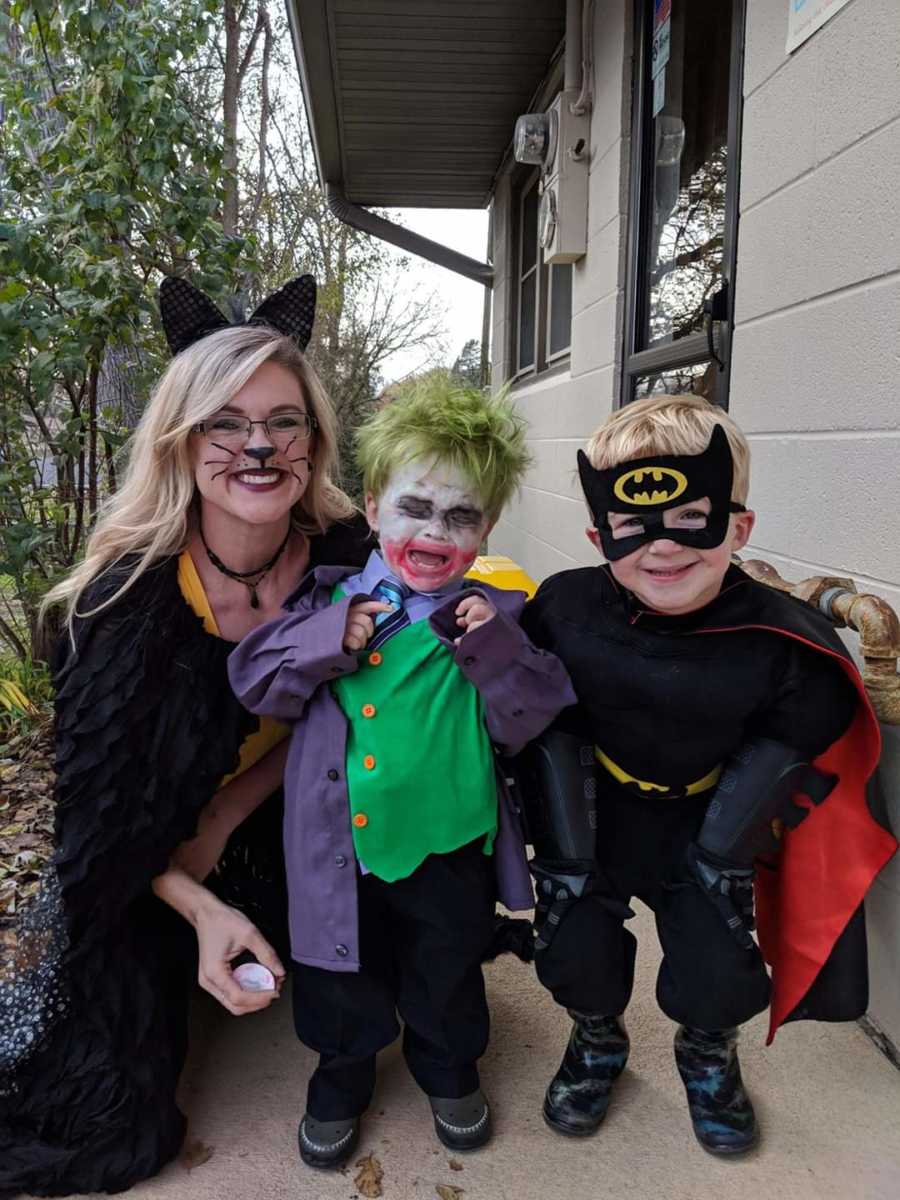
Week after week, I returned to Kate. Sometimes I spent the days in between exploding with emotion; other times, I dreaded the appointments. My work suffered. My parenting suffered. My relationships suffered. And yet, I needed answers: How did I get here? What led me to allow seven years of pain to unfold this way? And why?
During therapy, I frequently regressed to my younger self. I saw the six-year-old Amber, sitting with my uncle while my parents fought in the other room, confused and fearful. Fast forward to 2019, and I saw my four-year-old son trying to keep himself busy while I repeated the same patterns of chaos in my own home.
Kate guided me gently, never dictating, but helping me navigate my past. I had loving parents who provided for me—food, clothing, clean sheets—but emotional scars lingered. My father’s devastation from the divorce left me as the emotional caretaker, absorbing his sadness to protect my younger brother and myself. By age seven, I was already hiding my feelings to maintain peace.
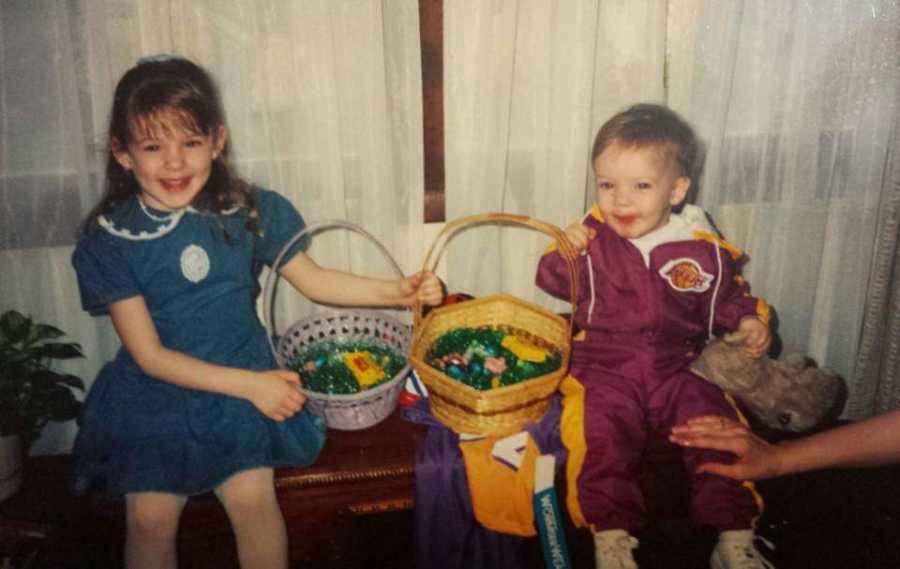
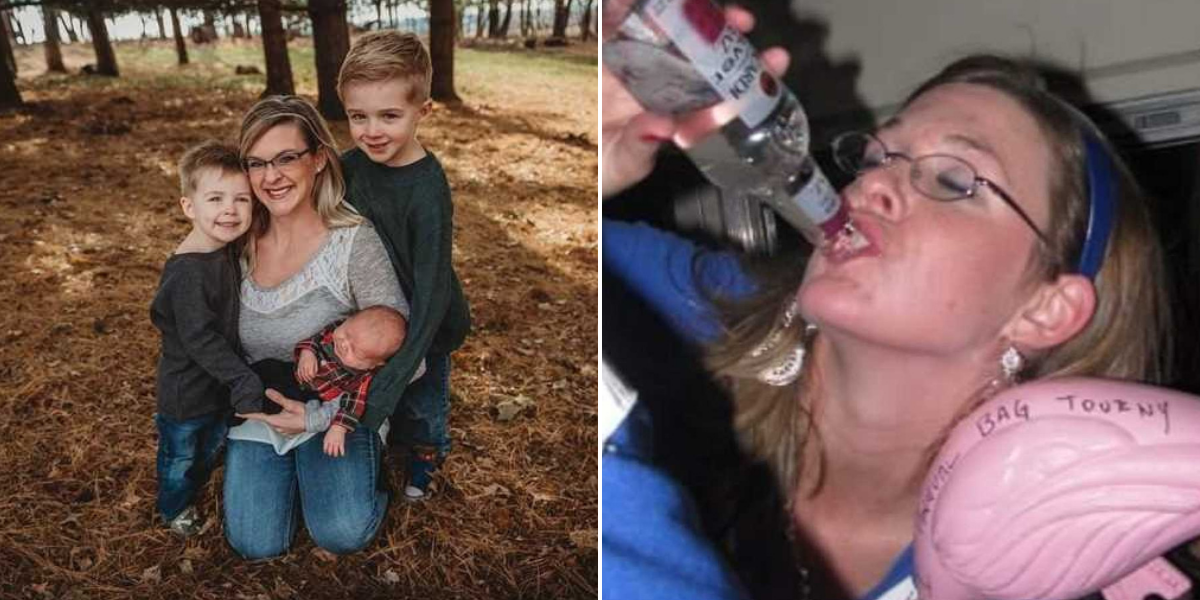
Life eventually improved. My father remarried, and I gained siblings, but the transition carried sacrifices. The distance, guilt, and constant travel left me feeling abandoned. By adolescence, I became a chameleon, adapting to survive socially while masking my pain. I experimented with drugs, alcohol, self-harm, and risky behaviors. My relationships suffered. When I finally married, I carried these patterns into the marriage, unintentionally hurting the man I loved.

Then I met Kevin. Our seven years together were marked by love, chaos, PTSD, and challenges beyond our control. I was accustomed to saving others—financially, emotionally, legally. On May 24, 2019, I watched Kevin’s car turn the corner and felt helpless. I was used to being alone, but this was different. I was supposed to fix everything, but I couldn’t. I was lost.
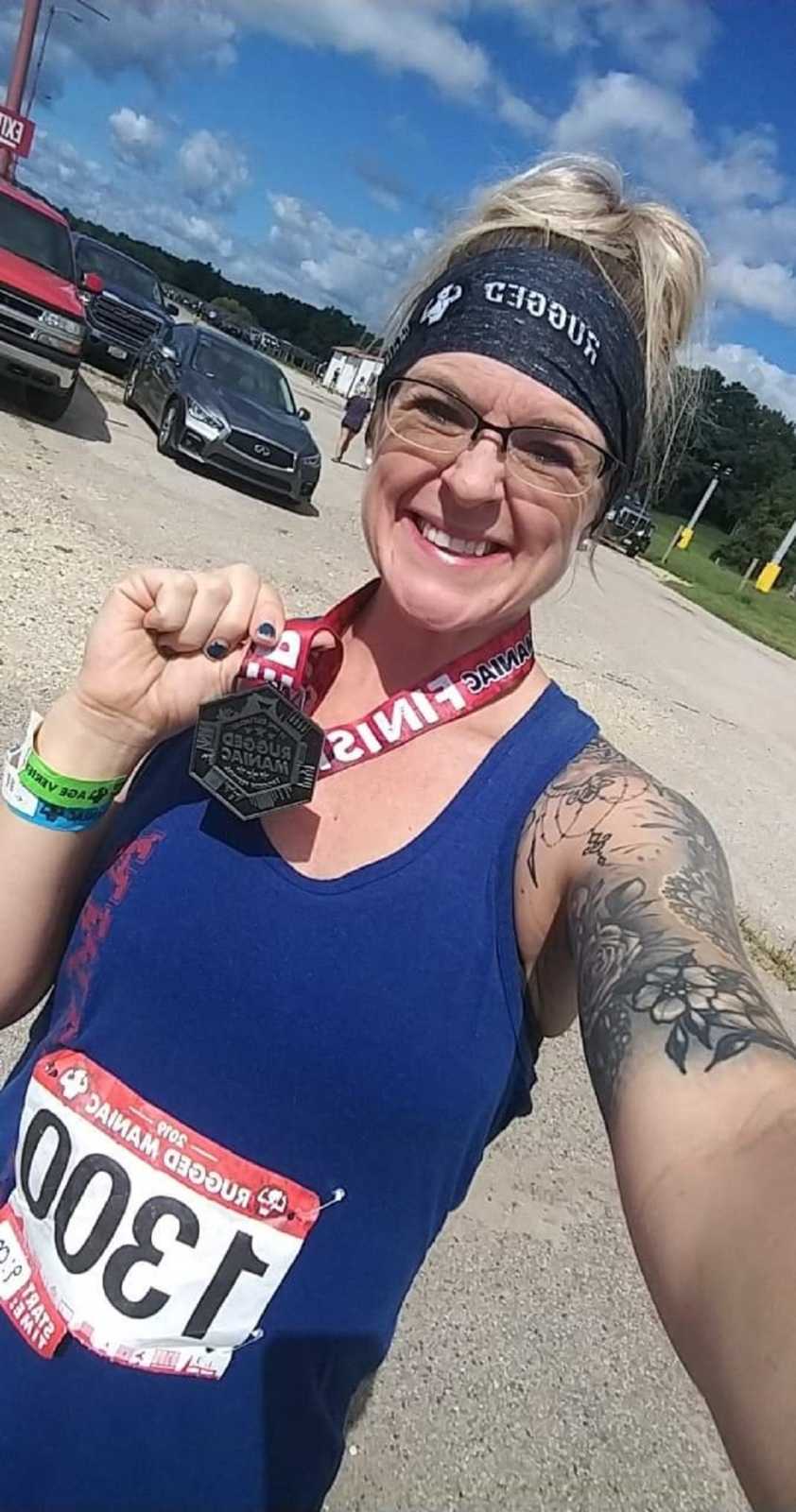
With Kate’s help, I learned to comfort the seven-year-old and six-year-old versions of myself. Slowly, I began healing, reclaiming pieces of myself that had long been lent out to fix others. Crossfit became another lifeline, pushing me physically and mentally beyond perceived limits. My classmates and coaches held me accountable, keeping me moving when I wanted to quit. Their support was invaluable.
Months later, I prepared to welcome my third child. Despite the chaos, I felt stronger and more prepared than ever. I wanted to inspire others through my journey, to show women who felt lost, alone, and afraid that they are worthy. I called a photographer friend to capture the pride and strength I had worked so hard to reclaim. Standing on a hill, cradling my unborn child amidst swirling storms above, I felt raw, vulnerable, and free. I was finally experiencing myself without masks, free from guilt.

Exactly one week later, I gave birth to my third son, Jack Urban. Born a month early, he arrived with the same tenacity I felt on that hill. Kevin was present and supportive, yet the postpartum weeks were still a whirlwind. Depression lingered, and memories attached to hand-me-down clothes forced me to relive pieces of my grief. I learned that healing is not linear; setbacks are part of the journey.
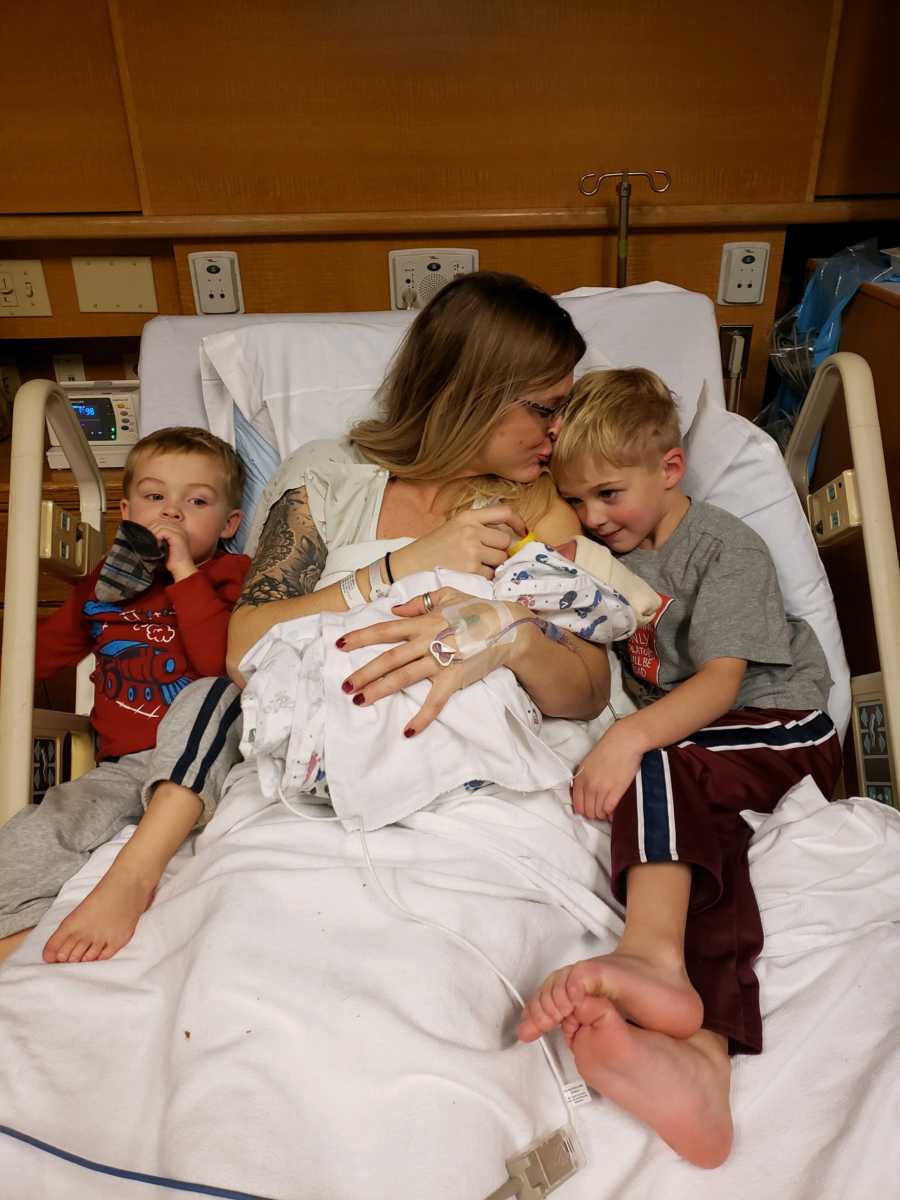
But slowly, piece by piece, I was becoming whole. I was learning that amidst pain, chaos, and grief, resilience is possible. Progress may be imperfect, but it is progress nonetheless. And with each day, I reminded myself—and now remind all who hear my story—you are worthy.