The last full rainbow I saw was on April 19, 2018. Just five minutes later, my life would be shattered. It was the rainbow before the storm.
I was standing outside my ex-husband’s house, trying to comprehend that my 19-year-old son, Jordan, was inside—but at the same time, he wasn’t. He was gone. All that remained was the broken shell of a beautiful, perfect young man who no longer wanted to be in this world. He chose his angelversary. He chose to leave us behind and graduate to Heaven.
Jordan’s cousin went into the house and found him. I could not go in. I couldn’t bear to see him that way. The words I remember saying over and over were, “This is not real. This cannot be real.” I was in shock. My beautiful boy was gone.
How does a parent ever come to terms with that? How can anyone accept that their child has chosen to leave this world? How do you go on when the very foundation of your life is gone?
In those first surreal days, it felt like I was living in an out-of-body experience. The devastation swallowed me whole. I kept hoping it was a nightmare and that I would wake up—but I didn’t. My child was gone. I would never again see him, hear him, or touch him. The reality hit me like a punch to the chest, leaving an indescribable ache that took my breath away. My entire body ached, my mind swirled, and grief engulfed me to the point of nausea.
I realized quickly that I had decisions to make—decisions that would define my journey as a grieving parent.
The first decision was simple in principle but difficult in practice: there would be no fighting and no blaming. Wrestling over the whys and what-ifs would not bring Jordan back. He made his choice. He found a way to go through with it, and nothing—not anger, not regret, not argument—would ever change that. My ex-husband and I were his parents, no longer married but still devoted. We did the best we could for him. Now, we needed to learn how to be grieving parents, without adding unnecessary complications to this devastating moment.
I also decided not to take prescription medication. I did not want to numb myself, to hide from the pain. I needed to feel it fully, to allow grief to wash over me and eventually, to survive it. Even headache tablets were off-limits. Instead, I turned to herbal remedies when fear and anxiety overwhelmed me. Grief was exhausting, yet I allowed myself to sleep when I could, recognizing that my body, mind, and heart needed rest to survive.
Every day, I made the conscious choice to get up. It’s a simple act, but when your world has collapsed, it feels monumental. If you don’t choose to rise, you simply won’t.
Even though Jordan had given up on life, I refused to let his decision rob me of mine. I have another son, a husband, stepchildren, a grandson, a career, friends, and dreams worth living for. In the first hours and days, none of that mattered; grief numbed all thought of the future. But slowly, I realized that one day, tomorrow would matter again—and I needed to be present for it.
I chose not to wear black. In Greek culture, black is worn as a sign of mourning, but I wanted to be Jordan’s mother, not just a grieving figure. I dressed in color for his funeral, in an outfit that honored him and celebrated his life—a last chance to show my love through joy, since I would never attend his 21st birthday or wedding.
I returned to work sooner than I thought I could. My job was necessary for survival, yes, but more importantly, it helped me reclaim a sense of routine, a foothold in a world that had been turned upside down. Some days, I couldn’t even leave my car, and that was okay. But I needed structure, a bridge to my “new normal.”
I honored commitments I had made, including a work trip to Kenya just two and a half weeks after losing him. Leaving the comfort and security of home was terrifying, but it was the right decision for me. Jordan would have wanted me to continue living, fully and bravely.

I would not stop talking about Jordan or to him. Though he was gone physically, he remained deeply part of our lives. I prioritized my mental and emotional health by seeking counseling early in my grief journey. I allowed myself to cry, scream, and be vulnerable, releasing the raw emotions that threatened to consume me. Grief needed to be honored, experienced, and then gently released.
I also chose to laugh. In the early days, laughter felt wrong, almost disrespectful. But I decided to allow it—to feel joy, even amid the sorrow, to celebrate milestones like my birthday, and to keep celebrating Jordan’s memory in every special moment.
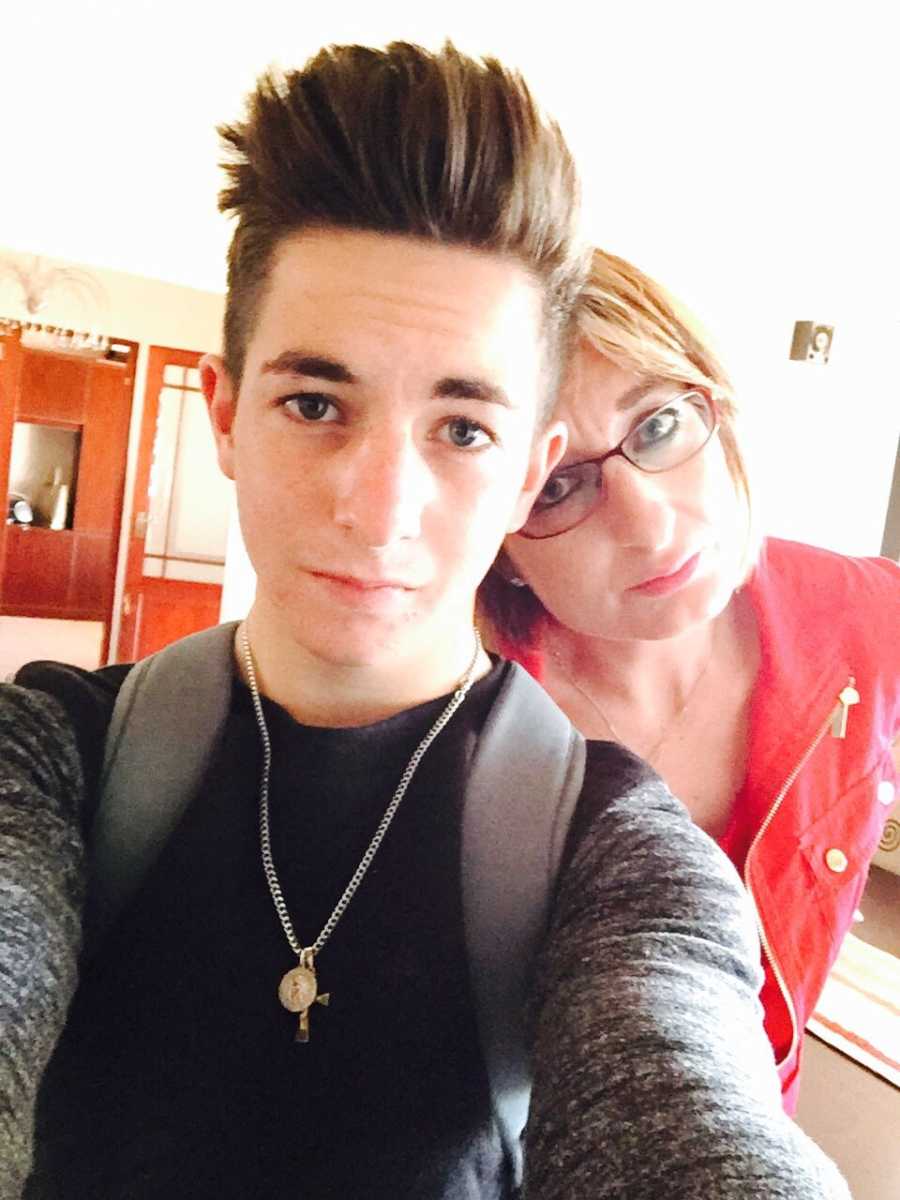
Exercise became another lifeline. Running, boxing, and training allowed me to release pent-up emotions physically. I vividly remember my first boxing session after losing him: each punch brought tears, each tear brought a strange but beautiful sense of release.
I even chose to communicate with Jordan through a gifted medium. Despite my religious conditioning and fears of judgment, I needed to know he was okay, that he was still part of our lives in spirit. This connection brought immense peace and healing.
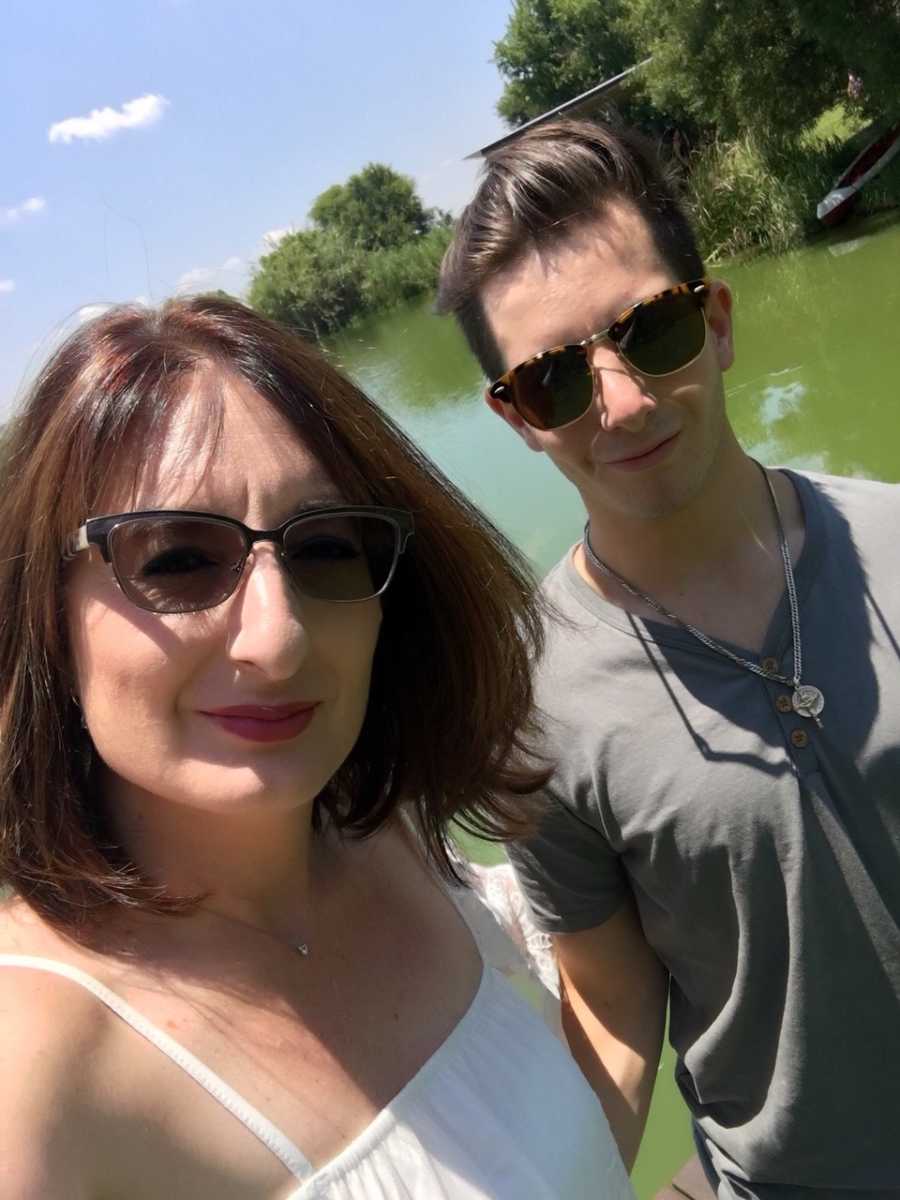
Books on the afterlife and spiritual communication became a source of comfort. Signs and messages from Jordan reminded me that though his physical presence was gone, his spirit was still with us, guiding, watching, and loving.
I sought community among like-minded parents who had also lost children. Sharing grief with those who truly understand it provided validation, guidance, and hope. It reinforced my decision to keep moving forward, to be a functioning grieving mother, to live fully while honoring him.
I refused to let grief consume me. It would touch me, yes, but it would not define me. I embraced tears, laughter, vulnerability, and strength. I realized that I was not hard, as I once believed, but strong—unshakably strong in ways I never imagined.
I chose to remember that I was a good mother, that I loved Jordan unconditionally, and that I gave him the best life I could. I refuse to torture myself with regret. I did not choose to lose him, but I chose how I would live afterward. And in that choice lies power, resilience, and the capacity to honor his life and spirit.
Today, I hope we can all see the rainbow after the storm. Even in the depths of unimaginable grief, the sun rises again. Pain and loss do not end life—they transform it. We can still live fully, create joy, and honor our children’s memories by cherishing life and embracing the beauty that remains.
Let us live in such a way that our angel children can experience the world through us—until the day we meet again.