“You don’t need to have a partner to have a baby,” my mom said to me during a family vacation in Florida. That was the first time I really paused and considered the idea of becoming a mother on my own. At the time, I laughed it off. I was 26, still believing I had plenty of time to fall in love, get married, and have children the way I had always imagined. But looking back, that moment planted a seed. My mom gave me a priceless gift that day: she opened my eyes to the idea that there are different paths to motherhood, and that I didn’t have to wait for someone else to make it happen.
My family loves to tell the story of when my sister Emily was born. I was just four years old, and I couldn’t have been more thrilled. I carried her around the hospital, proudly declaring to anyone who would listen, “Look at my baby!” From that moment, it seemed clear to everyone that I was meant to be a parent. For me, it was never a question of if I would have kids, only when. Growing up, I happily babysat my three younger siblings and for families in the neighborhood. By 16, I had my first job at a daycare, a passion I carried through college. Eventually, I turned it into a career, working as a therapist helping children and families. My purpose had always been to nurture little people, and I never imagined that building the family I dreamed of might take an unexpected route.
Over the next few years, I focused on building my life: advancing in my career, buying a home, and saving as much as I could. Finally, I took the leap and scheduled an appointment with a reproductive endocrinologist.
Walking into that doctor’s office was intimidating. “Am I really doing this? Am I really going to have a baby on my own?” I asked myself. After a series of tests, my doctor explained my low egg count. “It’s a good thing you’re starting this process now,” she said. I left the office with a packet of next steps and a storm of emotions swirling inside me. It was now or never. If I waited, I might never have a child of my own—a regret I knew I couldn’t live with. That night, I began the process of choosing the other half of my child’s genetic makeup.
The process of selecting a sperm donor felt oddly like a dating app. Each profile seemed more promising than the last. How could I possibly choose? Then I came across donor 9994. I saw photos of him as a child, his sweet smile and bright blue eyes tugging at something deep inside me. My gut told me he was the one. I hit the purchase button, took a deep breath, and waited. Two weeks later, my first pregnancy test came back positive, and I was over the moon. But that joy was short-lived. I received the news every hopeful parent dreads: “This pregnancy isn’t viable.” Those words hit me like a punch to the chest. I couldn’t get out of bed. I was heartbroken, and even now, thinking about that loss brings tears.
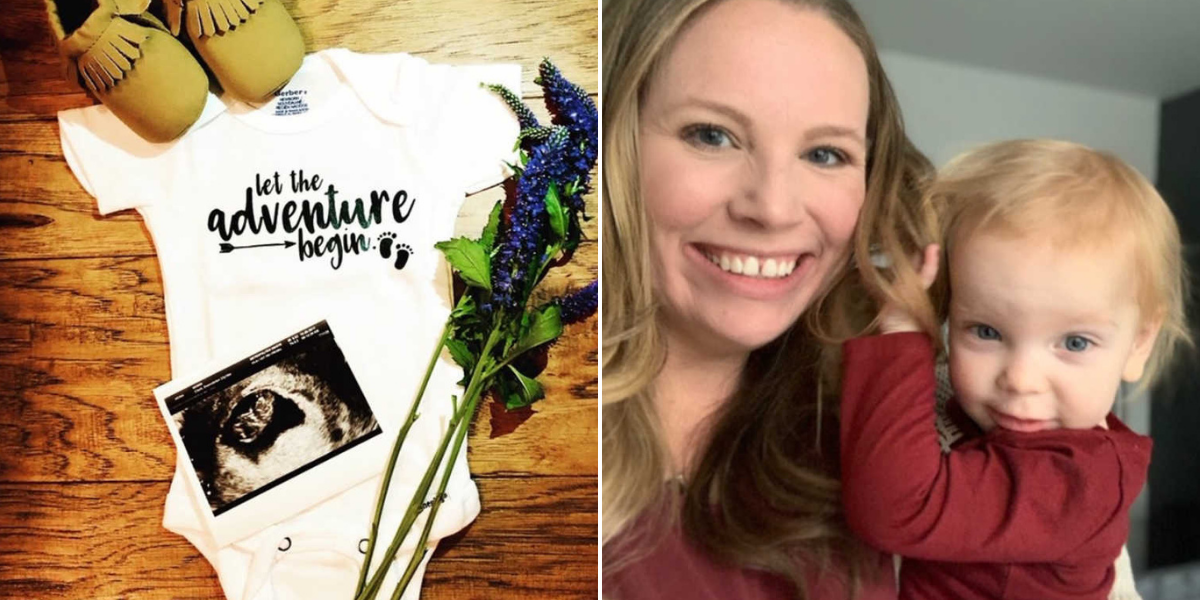
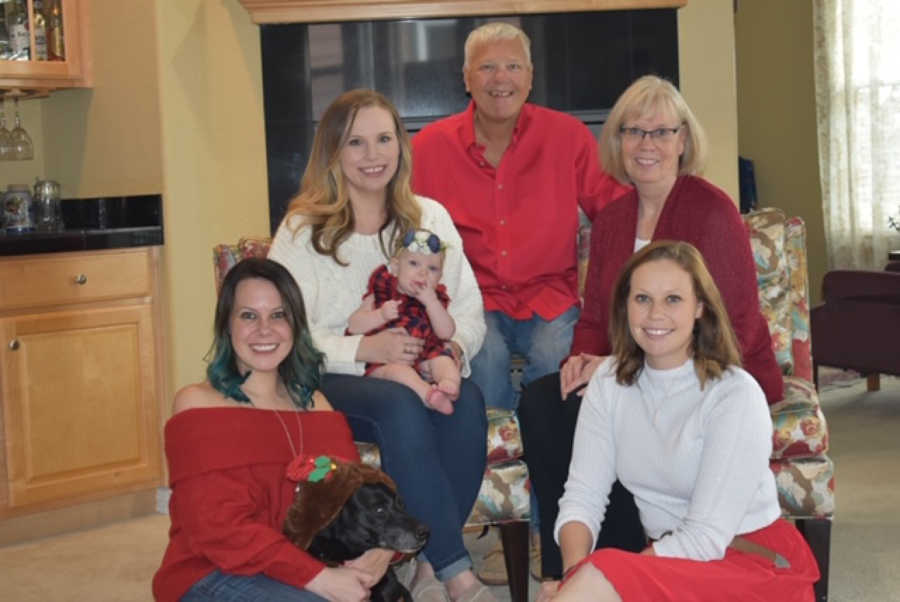
I tried again, hesitant and unsure. But this time, it worked. I was pregnant. I held back my excitement, afraid to hope too much. A few weeks later, my sister Lee accompanied me to my first ultrasound, and I saw my baby for the first time. Relief and joy surged through me, but there was also a twinge of sadness. I wasn’t going to share this pregnancy with a partner. It was strange to celebrate a dream realized while also mourning the path I hadn’t taken. Yet, as I shared the news with family, friends, and eventually on social media, I felt a wave of love surround me. Every message of support transformed my fear of judgment into pride. We may not have a second parent, but Harper already had an entire team of people rooting for her.
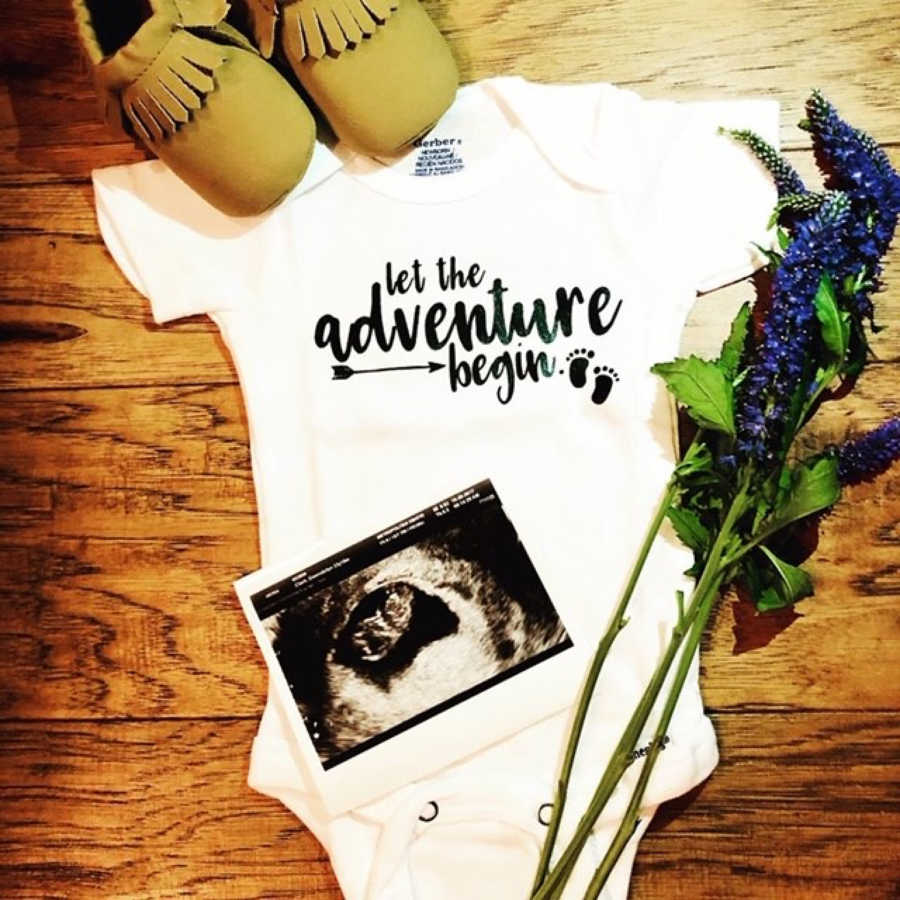
Parenting required sacrifices from day one. I never loved being pregnant—I struggled through relentless morning sickness and gestational diabetes. Then, at 36 weeks, my blood pressure spiked, and I learned I would be induced in just a few days. I rushed to prepare, bracing myself for labor. True to form, my labor was long and bumpy. After three days, the doctor said, “You can keep trying to push, but the safest option is a C-section.” I looked her in the eye and said, “Do whatever is safest for my daughter.” Moments later, I was in surgery, ready to meet her.
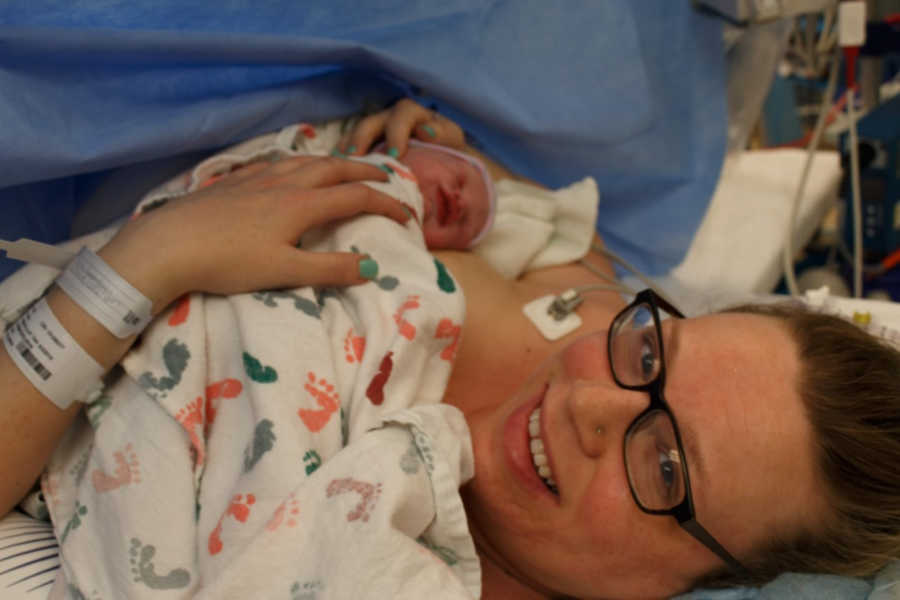
She arrived screaming. When they laid her on my chest, she stopped immediately, as if she already knew I was her safe place. And in that moment, in the middle of the operating room, I felt it too. I was home. Holding my daughter, my dream come true, I was finally complete.
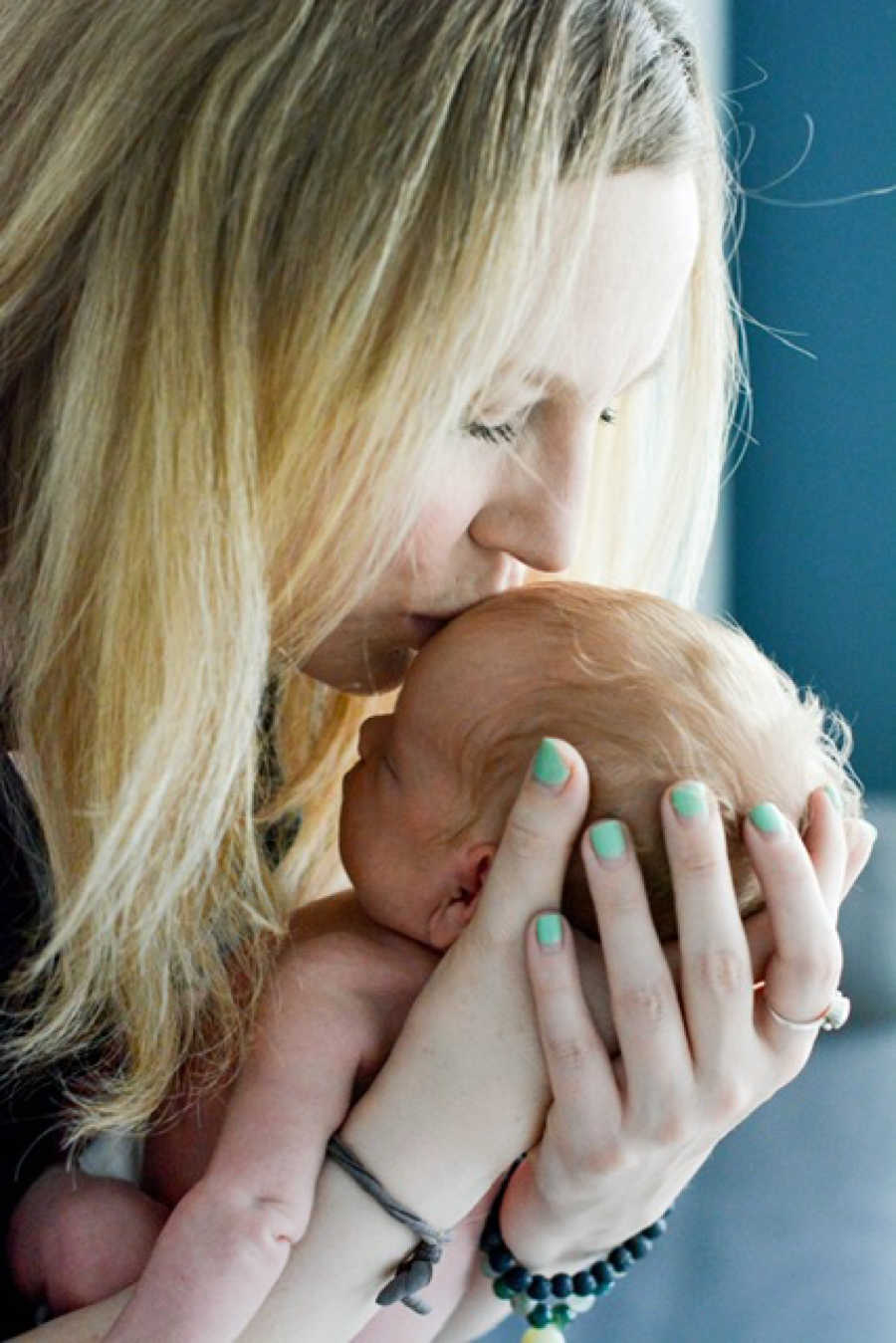
The day we were to go home brought another scare. As a nurse checked my blood pressure, I was suddenly in the middle of a medical whirlwind, receiving IV medications to prevent a stroke. Once the chaos subsided, I looked down at Harper, and tears streamed again. I couldn’t even breastfeed yet. How could I be failing already? But then I realized she didn’t care about the plan. She was content just in my arms. I whispered, “You and me, kid. We’re a team, and we’ll get through this together.”
Single parenthood has been challenging, yes, but far easier than I had imagined. There were a few lonely nights—when Harper cried for hours as an infant, when I had to pump through the night, or when I was sick myself—but those moments are small compared to everything we’ve gained. Being a single parent means I get all the joys to myself. I get to raise Harper the way I feel is best. I get twice the hugs, twice the love, and the privilege of being her first word.
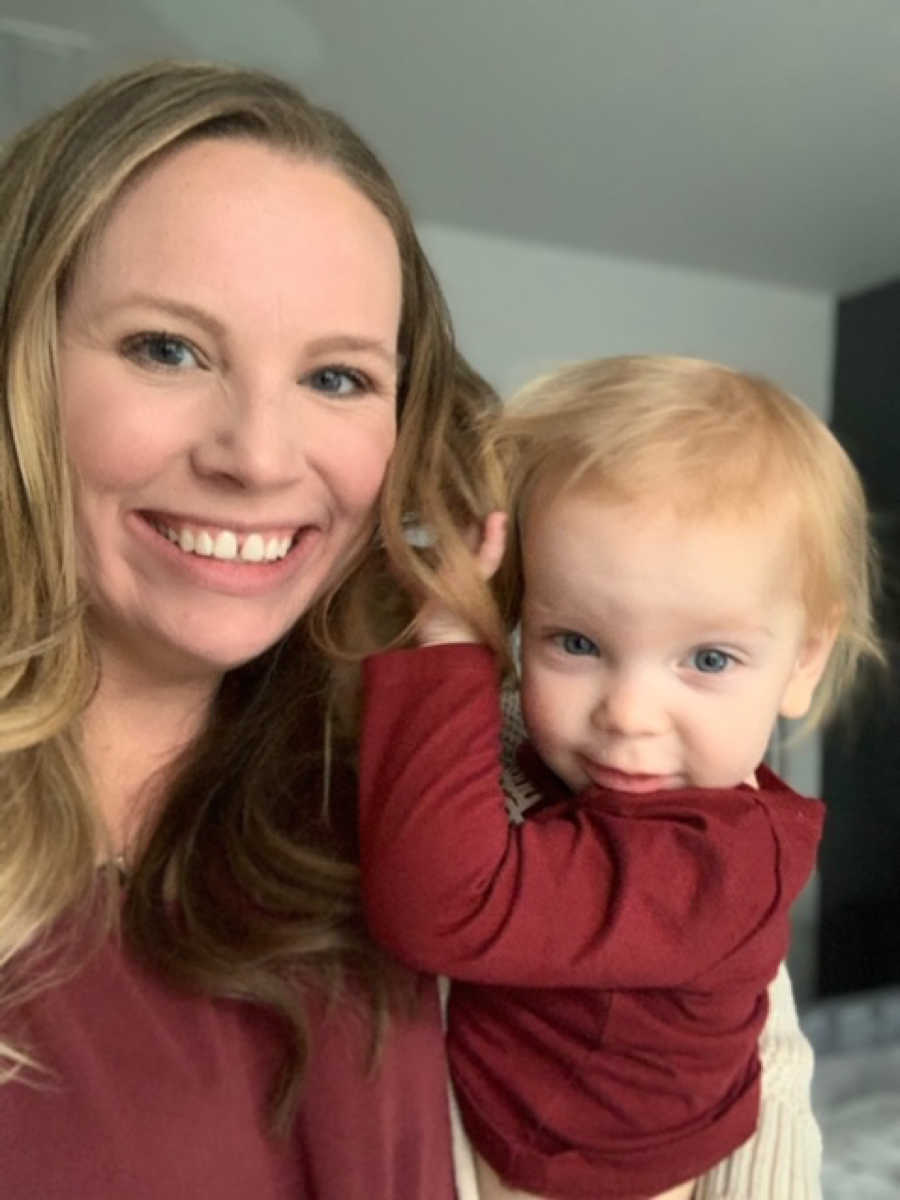
Harper has made my life fuller than I ever imagined. She is my heart, my home, my dream realized. My path to motherhood wasn’t what I had originally envisioned, but I wouldn’t change a thing. Every day, I am grateful for the journey that brought me to her. Harper is the best thing to ever happen to me, and I love my life as her mom. Always and forever, she is my home.