My first son was only seven months old when I discovered I was five weeks pregnant with my daughter. Her pregnancy wasn’t planned, but I welcomed it with joy. Compared to my first pregnancy, this one felt easier—I was stronger, more confident, even with the usual morning sickness and all the other challenges that come with carrying a baby.
When the day finally came for her birth, I was overjoyed and exhausted in equal measure. But the moment I held her, I noticed the doctors and nurses exchanging glances. They wrapped her up carefully and handed her to me, only to take her back almost immediately.
“We want to get her cleaned up first,” they said.
I didn’t question it—I was just happy to finally hold my baby. But later, after I was cleaned up and settled in my room, my husband sat beside me and said softly, “There’s a little issue with her hand.”
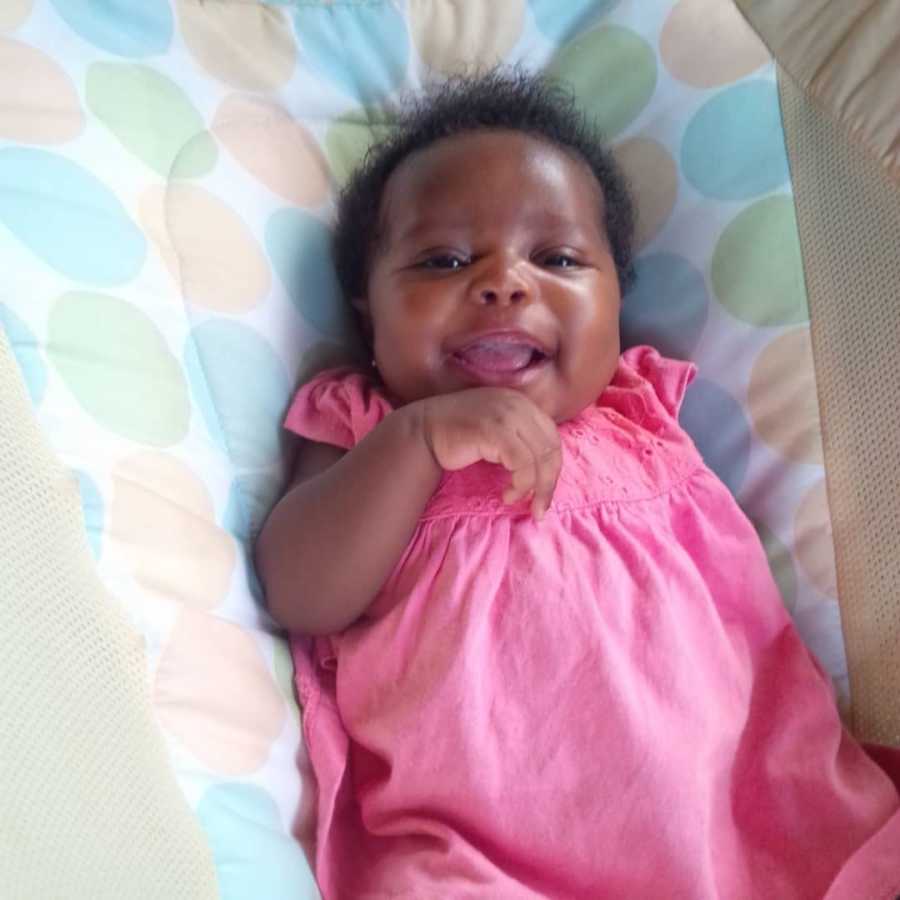
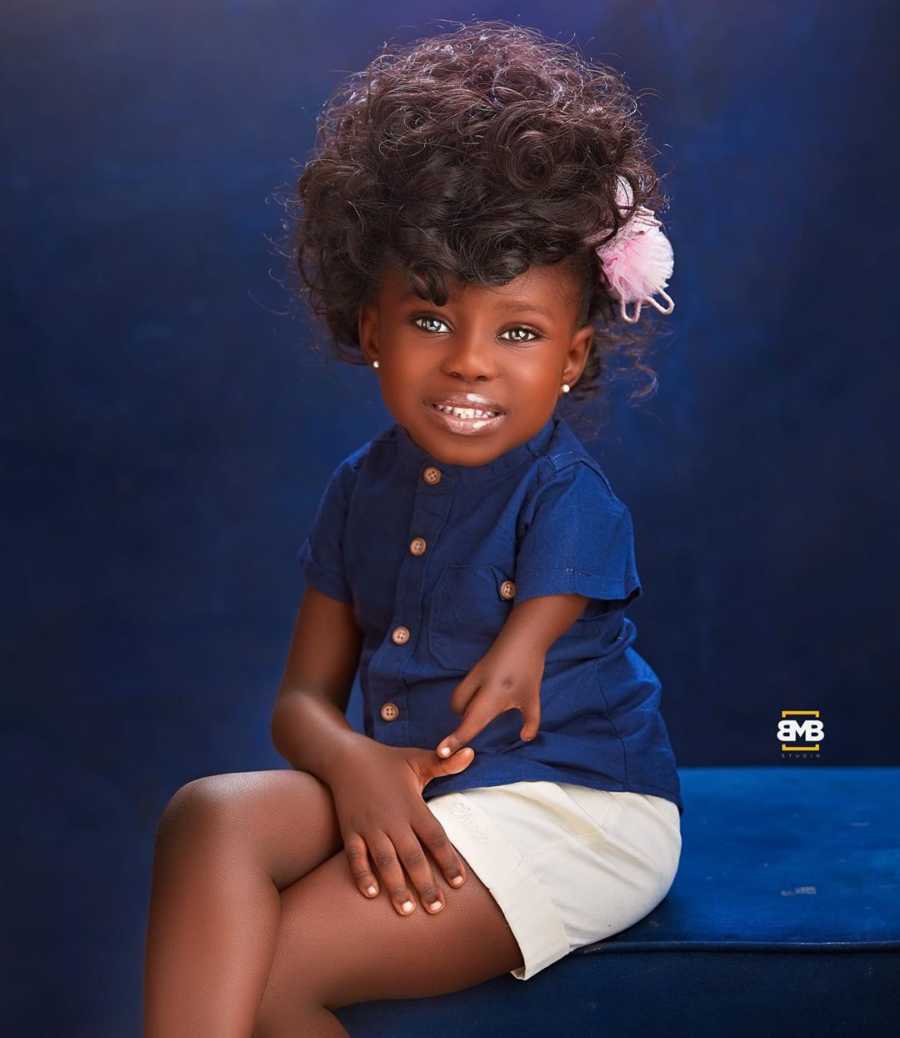
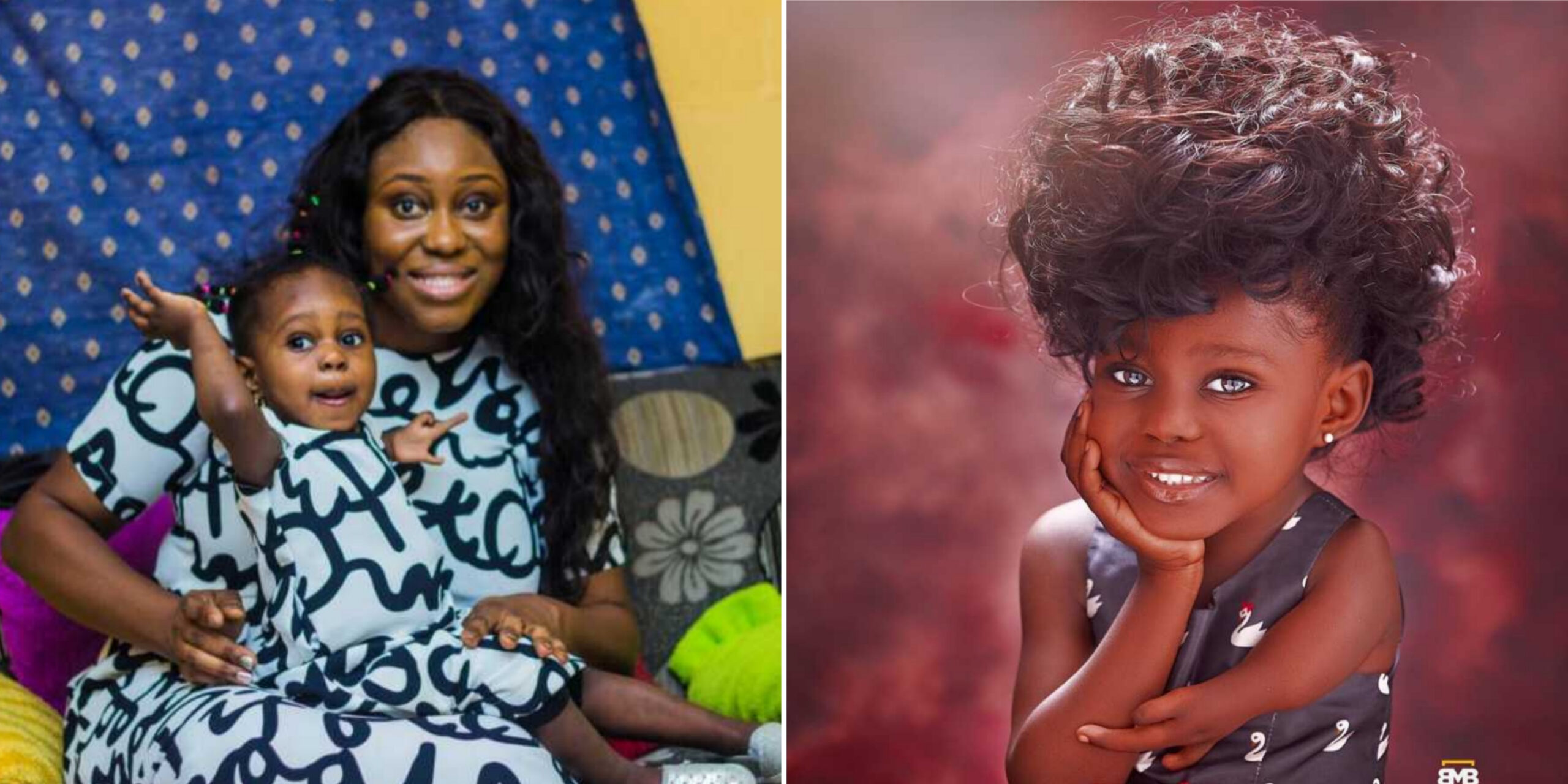
Fear shot through me, and I quickly looked. Her left hand was very small, inverted backwards, and she had only three fingers.
At first, I was in shock. I simply placed her back in her crib and whispered to my husband, “God created her like that.” I called my mom and sisters to share the news. My mom was devastated, but I had to remind her that if I, her mother, wasn’t crying, who were we to question God? At that moment, reality hadn’t fully hit me. I was still processing the exhaustion and intensity of childbirth. I couldn’t sleep that night; I just kept watching her, adjusting her crib, and marveling at her tiny features until dawn.
It wasn’t until the next day, when family came to visit and their expressions mirrored my growing unease, that the reality fully sank in—and I finally allowed myself to cry.
The doctors, unfortunately, offered no comfort. Instead, they suggested that her condition might have been caused by something I ingested during pregnancy.
“Her deformity is the reaction the drugs had on the baby,” one doctor told me.
Another doctor came 48 hours later and speculated that she might also have spina bifida, heart defects, and other complications often associated with babies like her—without even performing any tests. I was devastated.
When we were discharged, I took her to a children’s hospital. The staff reassured me, saying she appeared healthy aside from her limb difference and advised me to let her recover from birth before running any tests.
Two weeks later, we traveled to a renowned teaching hospital in another state. After a series of thorough tests, we were told she was perfectly healthy aside from her limb difference.
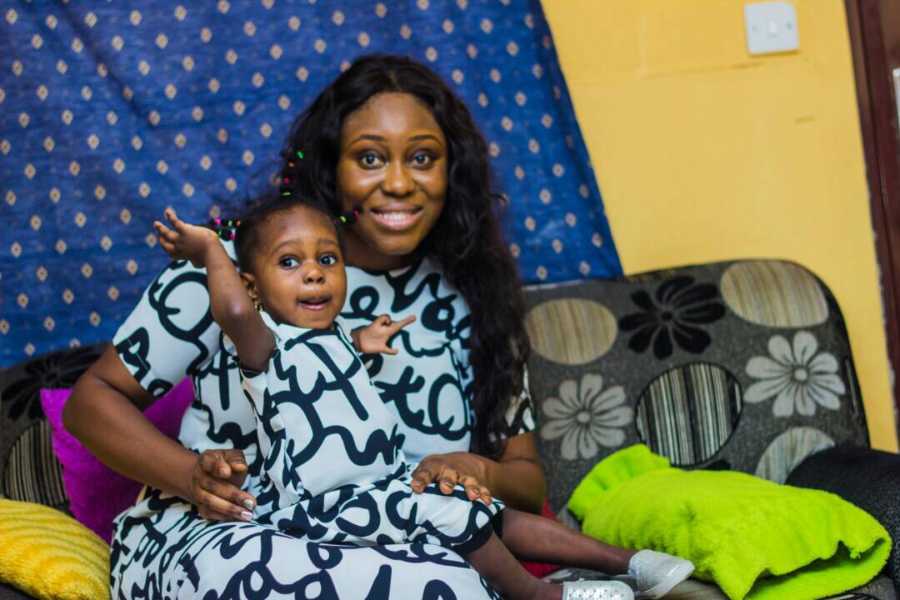
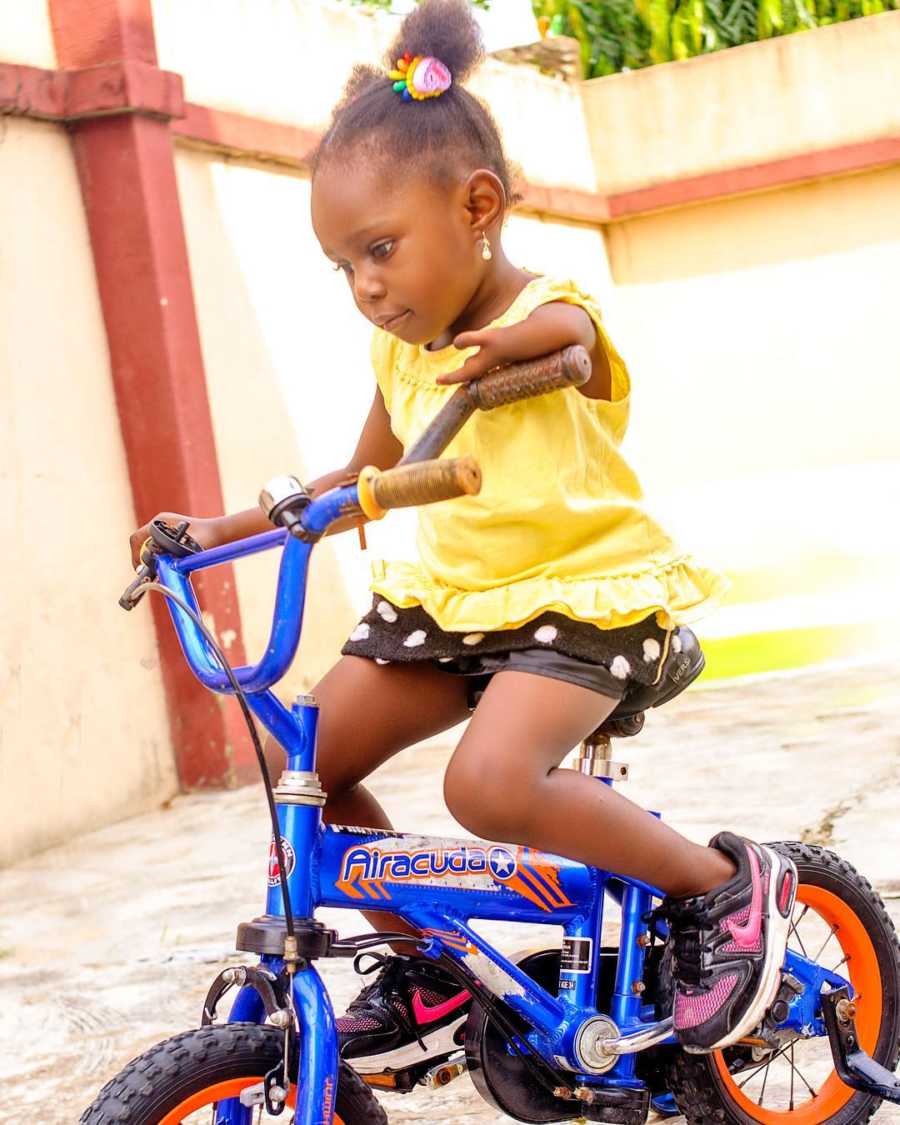
Discovering her Ulnar Deficiency left me shocked and heartbroken. I was angry at the world and even at God. Every day, I cried myself to sleep, overwhelmed by worries about her future. Seeing my son ride his bicycle or put on his socks triggered tears, as I imagined what my daughter might not be able to do. I shut myself off from the world, trapped in a cycle of fear, anxiety, and depression.
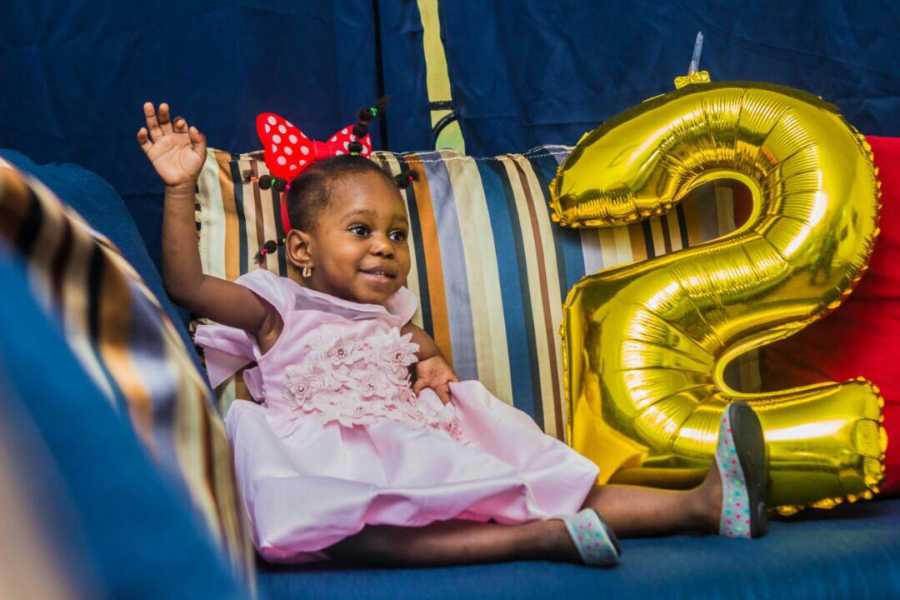
Through it all, my husband was my rock. He never wavered in his support, always encouraging me, reminding me that our daughter would thrive despite her limb difference. My mother-in-law, family, and a few close friends also showed unwavering love and support, even when I couldn’t reciprocate.
During that time, I researched her condition online and learned it’s called Ulnar Deficiency. For a whole year, I stayed indoors with her, fearful of society’s judgment. I wanted to protect her from a world I feared might be cruel. Her smile became my anchor—it reminded me why I had to keep going, no matter how difficult the days were.
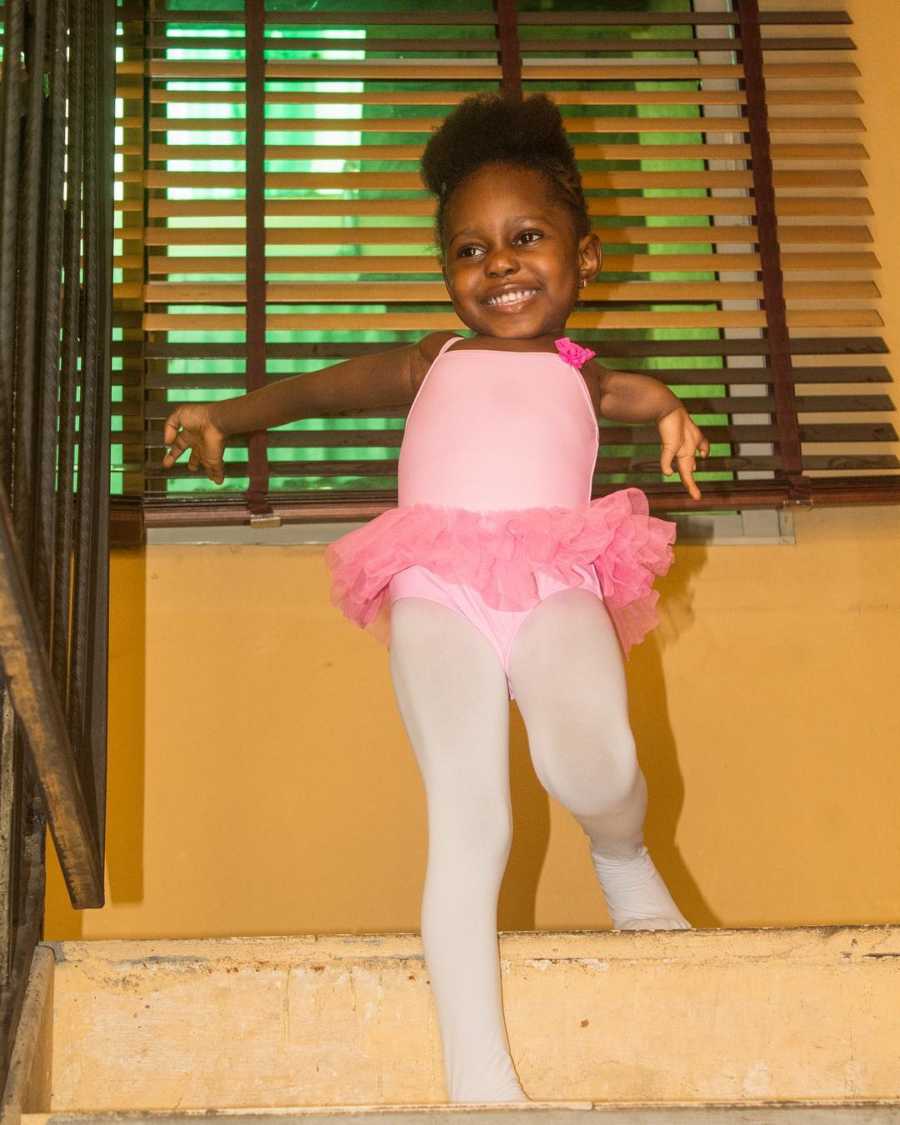
We have faced insensitive comments and outright disrespect from strangers, but I learned that it’s my responsibility to teach others how to treat me—and, by extension, my daughter. When it came time to enroll her in school, I was warned by the head of a well-regarded school:
“Be prepared. Kids can be mean. Your daughter will be bullied because of her limb difference.”
Her words broke my heart, but they also strengthened my resolve. I was determined to protect my daughter and equip her with confidence, resilience, and love.
Today, I celebrate every milestone with her. I cheer her on when she faces challenges and remind her that being different does not mean being less. From learning to ride a bicycle to accomplishing other tasks, I make sure she knows she is capable of anything she sets her mind to.
Through this journey, I have learned the importance of nurturing my children with love, paying attention to their passions, and trusting God completely. Life may throw challenges our way, but together, we can turn them into moments of growth, joy, and triumph.