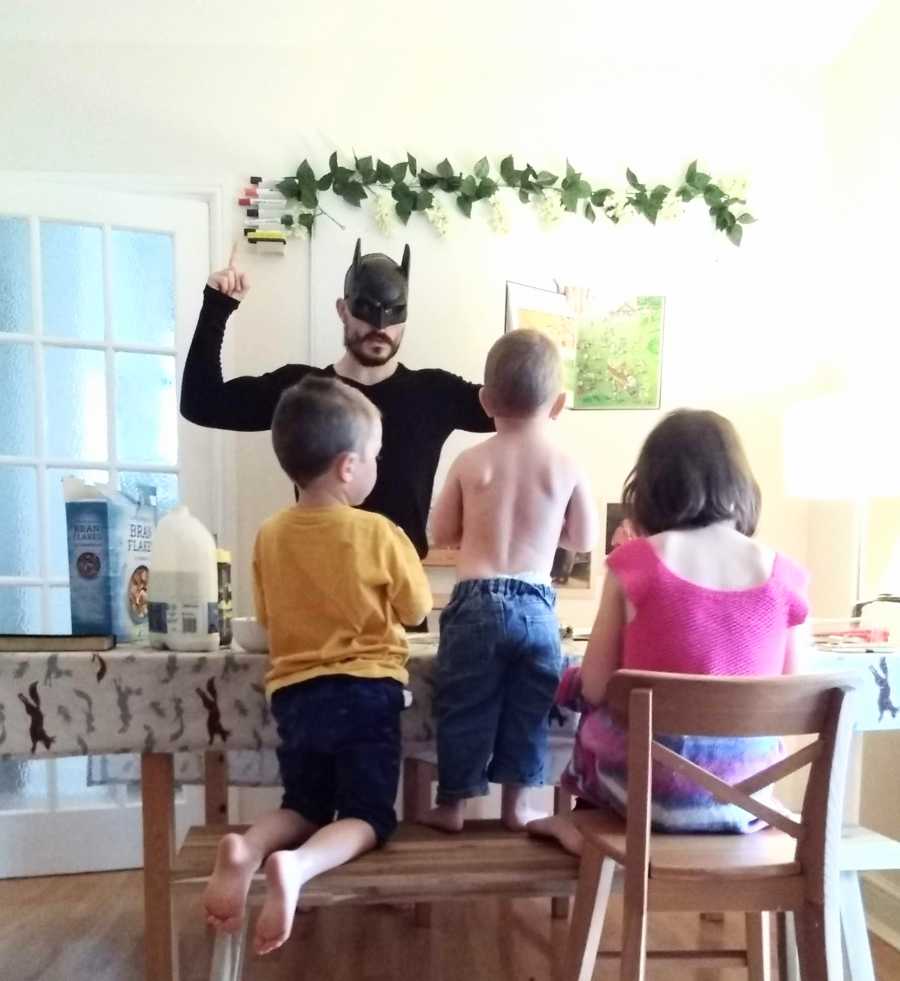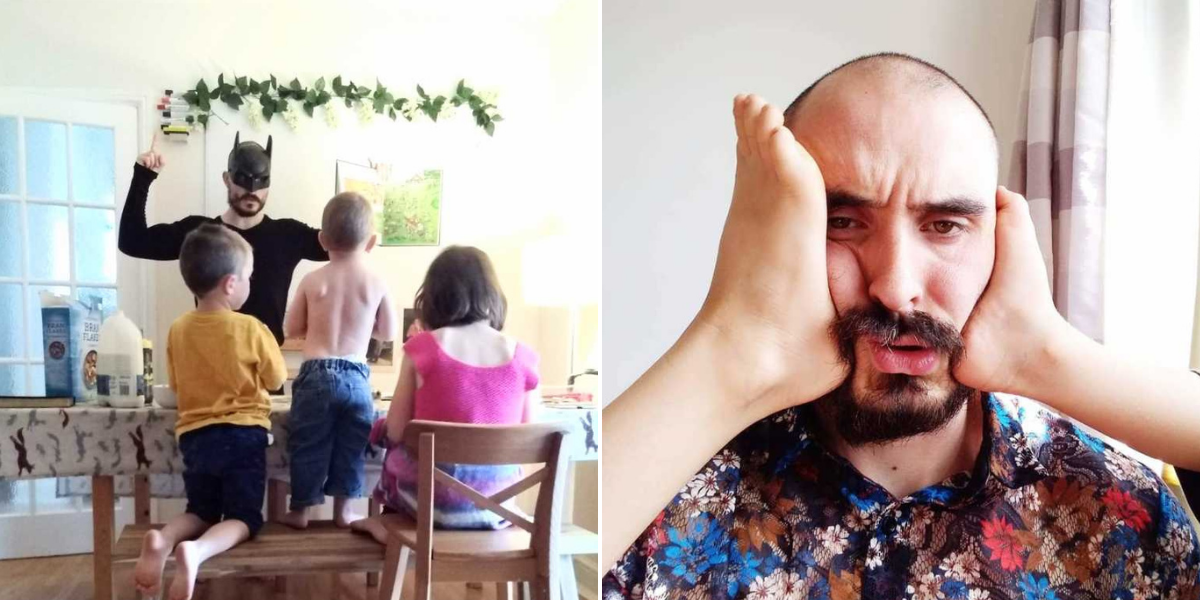
On my 25th birthday, I found myself in the midst of grief I hadn’t imagined possible. My marriage had ended, and I was suddenly tasked with being both father and mother, educator and nurturer, to my three children. In those three months, I suffered more than I had in all the years before combined.
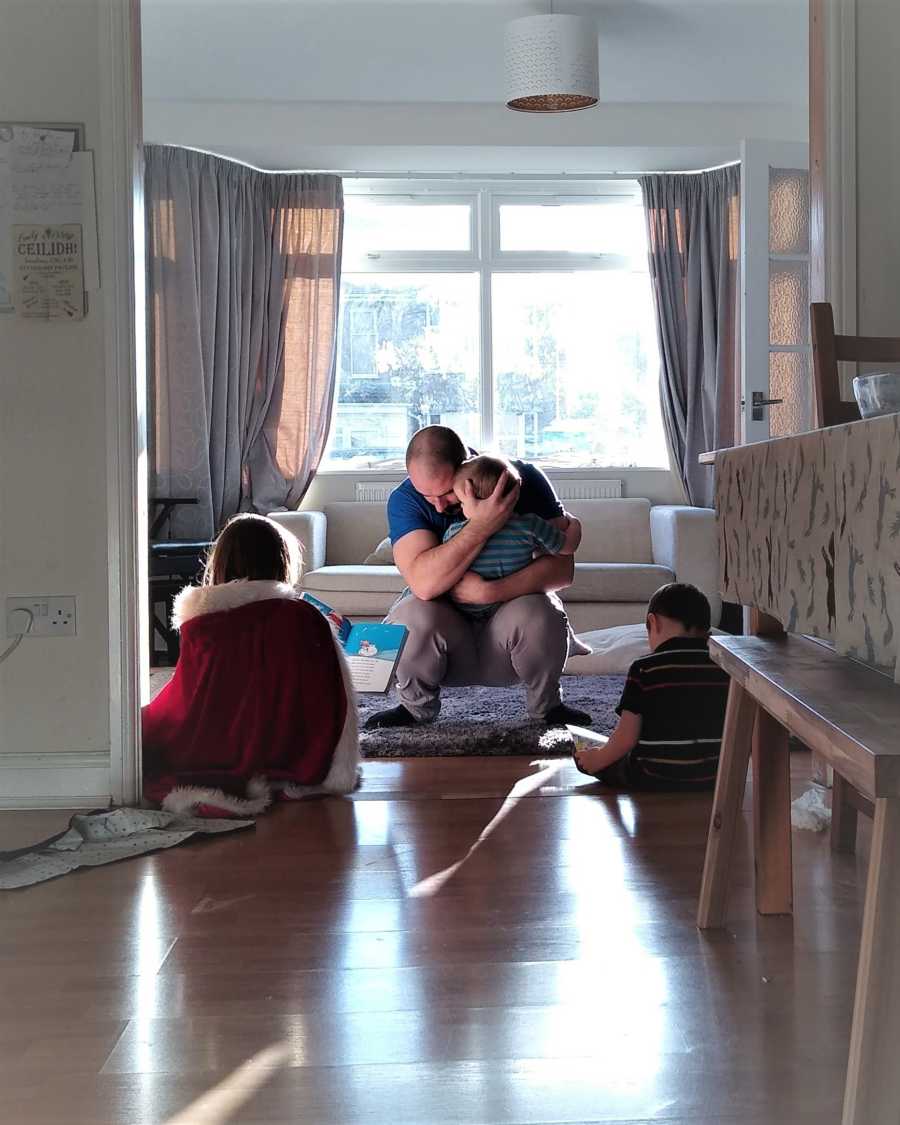
My entire sense of identity had been built around the idea of marriage. I had believed, with quiet certainty, that her hand would always be in mine, shielding me from the cold, arguing with me, defending me, and loving me. It was the one certainty I clung to. So when a brief two-minute phone call ended our marriage, I collapsed. I was struck by a pain so raw it left me bewildered. I wept openly before my children. I feared it would frighten them, but it didn’t. Children are familiar with collapse—they fall apart in tears, then find comfort and rebuild themselves in its warmth. That’s exactly what I did, in my own fragile way.
That evening, I called my mother, admitting I was confused and broken. At 24, I needed her comfort once more. “Your father and I love you no matter what happens,” she said, and somehow, my ragged breath slowed, the edges of panic softening.
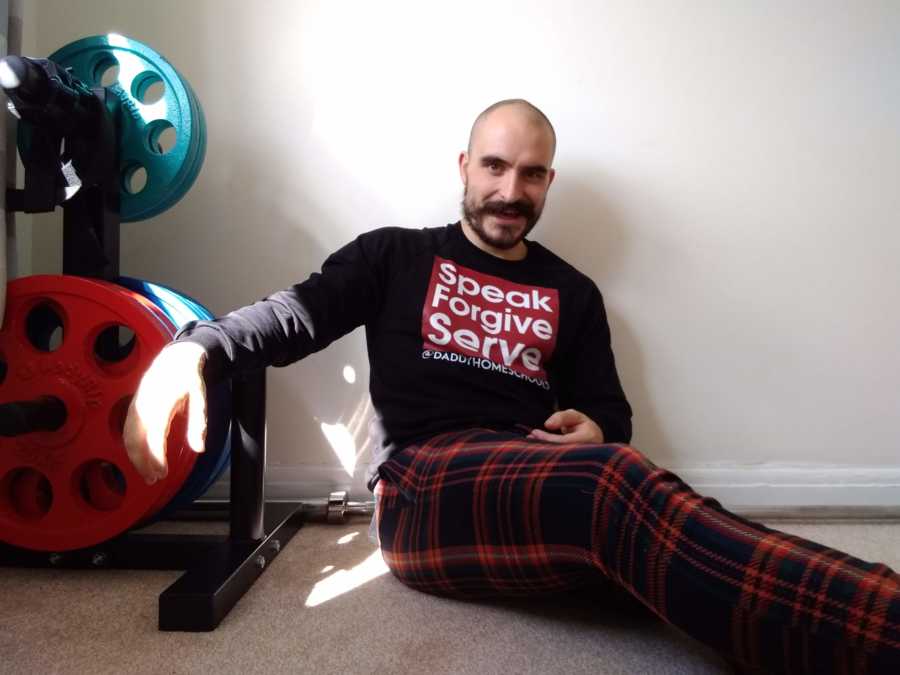
I’ve always been skilled at appearing in control, so it took a deep and desperate weakness to reach out—to call my mother, to message two local homeschool mothers about my struggles. The next day, both women came to see me. We sat in a daze, drinking my badly made tea, while our nine children overturned my tiny house. Over the next three months, they checked in daily as I cared for the children, educated them at home, arranged birthday parties, and planned for Christmas. My life felt chaotic, but their support made me feel secure, human, and not entirely alone.
I was unlike anyone else in my community—a stay-at-home dad, a full-time homeschool father, now a single father navigating an unfamiliar life. I was rebuilding myself in this new, daunting role. Each morning I rose at 5 a.m., studying educational theory, organizing finances, lifting weights before the children woke. I refused to see myself as a victim. I didn’t want merely to survive suffering—I wanted to conquer it. I chose this hard life deliberately, believing that a good life is always hard-earned.
It was not easy. One morning, at a new church, an elderly Pakistani gentleman asked how I was doing. I broke down, crying in the church foyer. He looked at me with empathy and gentle perplexity, reminding me of the depth and height of the Father’s love. That week, I wrote a song inspired by a Puritan prayer:
“When my thoughts were then as knives You came in silken robes
I saw the dying son of life In him I found my all
The gospel horn, a sound unknown That Christ will never lose his hold
Then did my dead heart begin to beat
A wintery soul had glimmered with fiery heat.”
Those words—the gospel horn, the love of my mother, the support of my homeschool friends, and the kindness of a stranger at church—became the spring in my collapsed, wintery soul. At last, I felt a hand in mine again, staving off the cold, fighting with me, and for me.
I learned that kindness does not wait for spring; it brings it. My mother didn’t wait for me to be a good son. My friends didn’t wait for me to return the favor. Now, I try to bring that same spring to my children. I read to them, even when they aren’t listening. I hug them before they ask for it. I forgive them before they apologize.
I am weak, forgetful, and sometimes selfish. I’m far from perfectly qualified to lead three little hearts. But I am becoming qualified by facing that weakness, by choosing love even when it is hard. I want my children to speak before the world listens. I want them to understand that spring is born from a hard winter. And above all, I want them to know, just as my mother taught me: “I love you no matter what happens.”