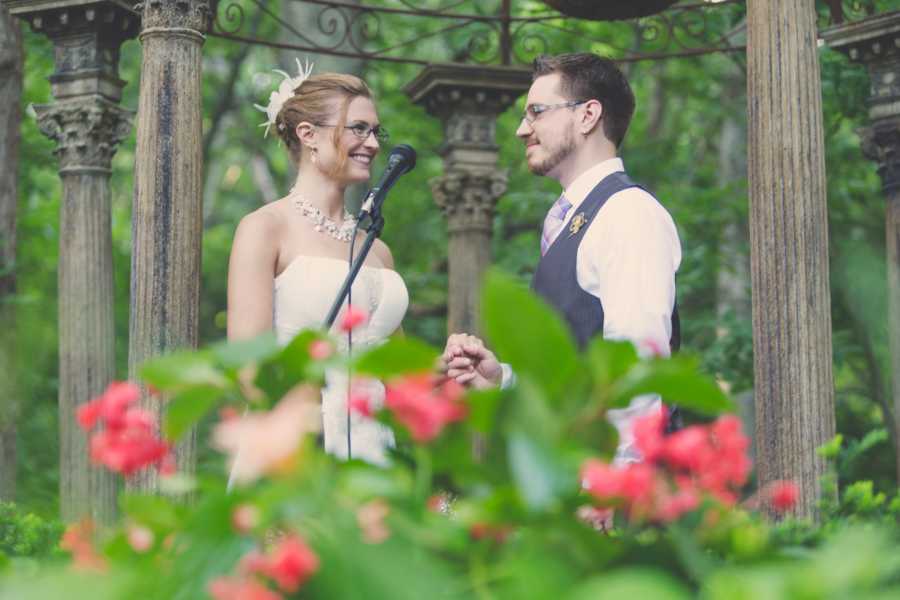
When my husband and I married in June of 2014, we both thought we were stepping into a very traditional story. He believed he was marrying a heterosexual, cisgender woman—and I believed that about myself too. At least, that’s what I had convinced myself of.
I grew up in the strict, often suffocating atmosphere of Evangelical Fundamentalism, in a small church that followed the teachings of Bill Gothard. The rules were clear: rigid gender roles, purity culture, complementarianism. Women were meant to be feminine, submissive, and confined to heterosexual marriage; men were dominant, masculine, and the leaders of the household. Anything outside of those roles—any divergence from heterosexual norms—was considered shameful, taboo, even “an abomination.” While my parents were more lenient and let me be a tomboy at home, the church’s voice felt like God’s voice, and I spent years suppressing anything in me that felt out of line: my discomfort with the gender I’d been assigned and my attractions outside the narrow boundaries of heterosexuality.
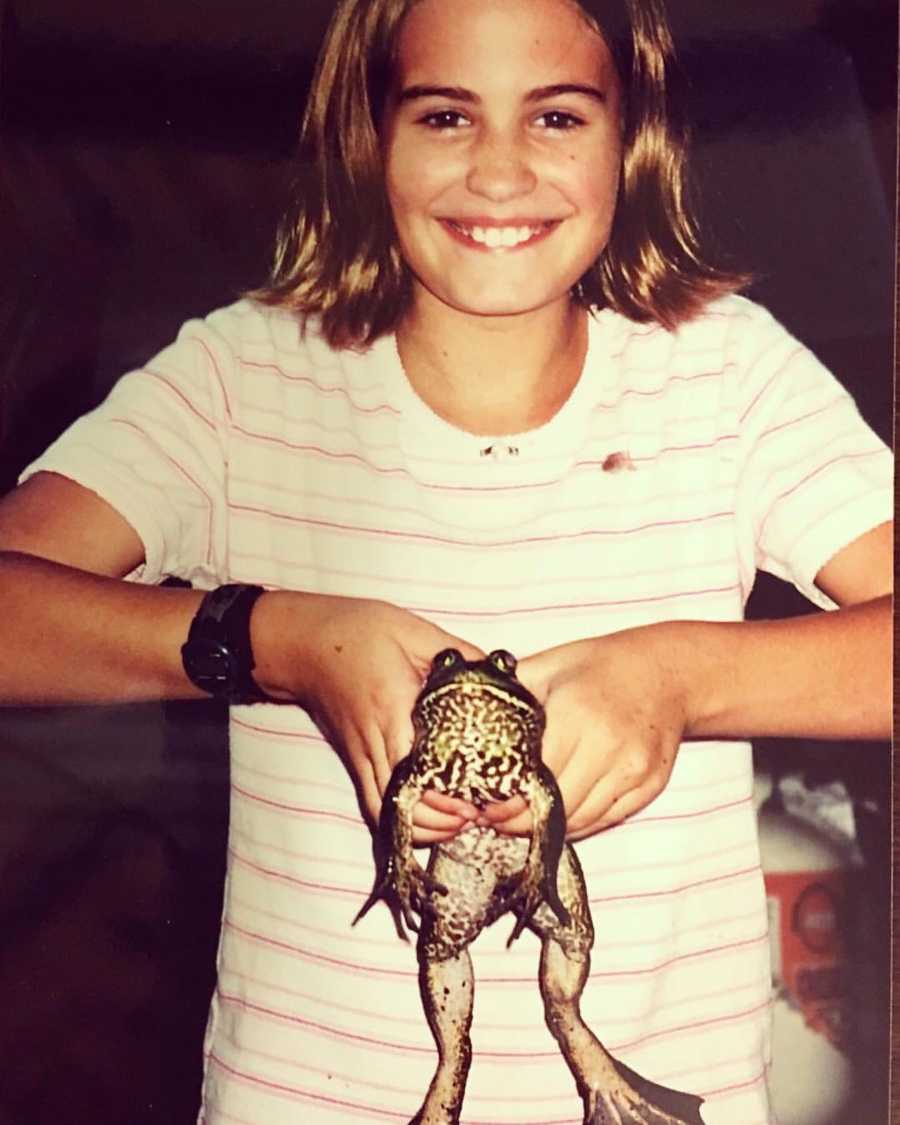
Life, though, has a way of nudging truth forward. Over the years, I began to question and deconstruct my faith in both painful and beautiful ways. By the time we reached our second wedding anniversary, I finally had the courage to start naming what I’d always known about myself. One quiet night, as we were settling into bed and reflecting on the anniversary of the PULSE nightclub shooting, I told my husband:
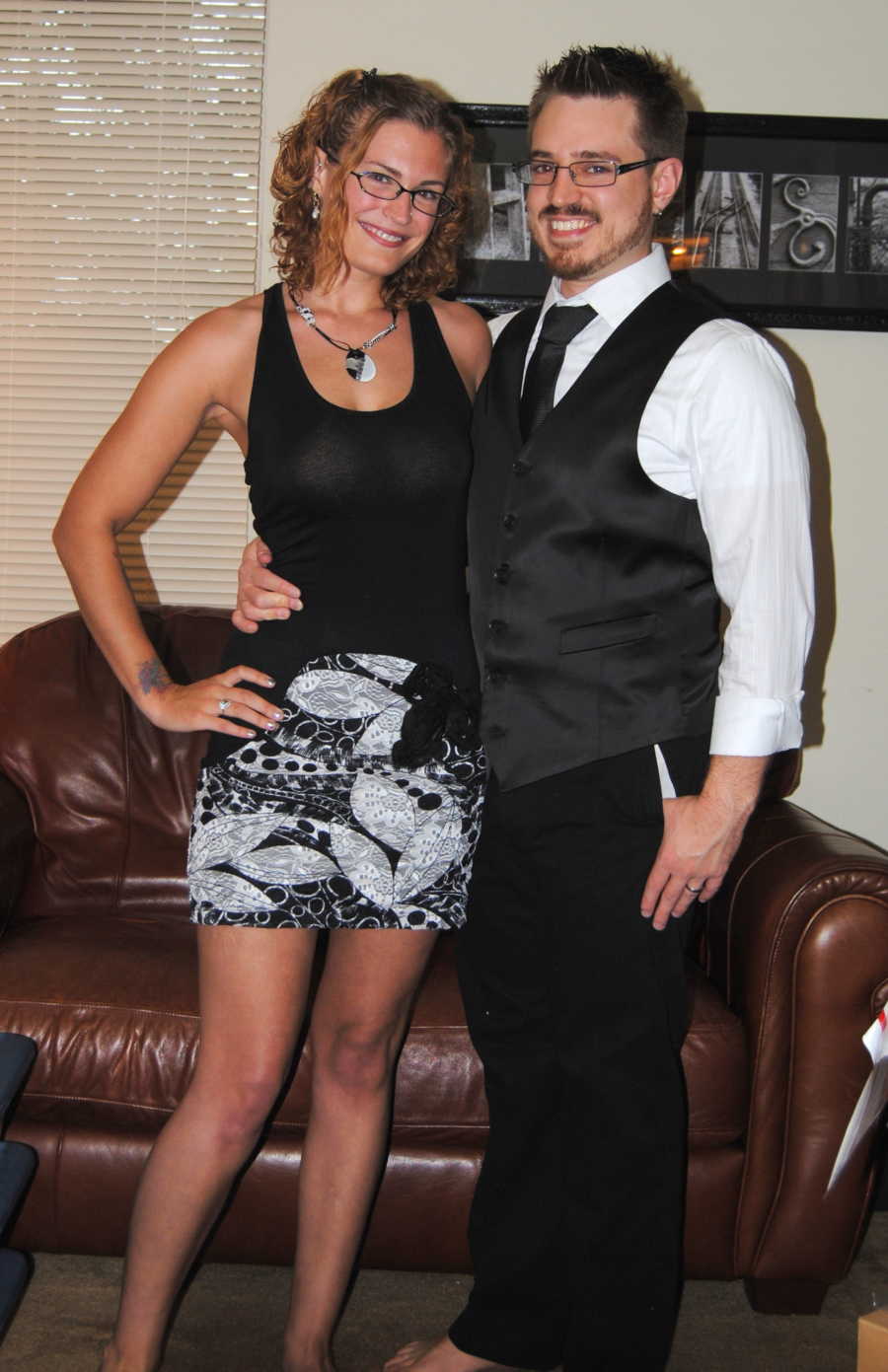
“I think I’m bisexual.”
He looked at me, then up at the ceiling, then back at me. “Yeah,” he said, “I kind of figured.”
I laughed nervously. “Was it that obvious?”
He smiled. “Not obvious, but I could guess.”
We talked openly about what it meant for our marriage—whether I regretted committing to a monogamous relationship, whether I was discontent—but I assured him I had no regrets. He assured me that he loved me, fully, exactly as I was.
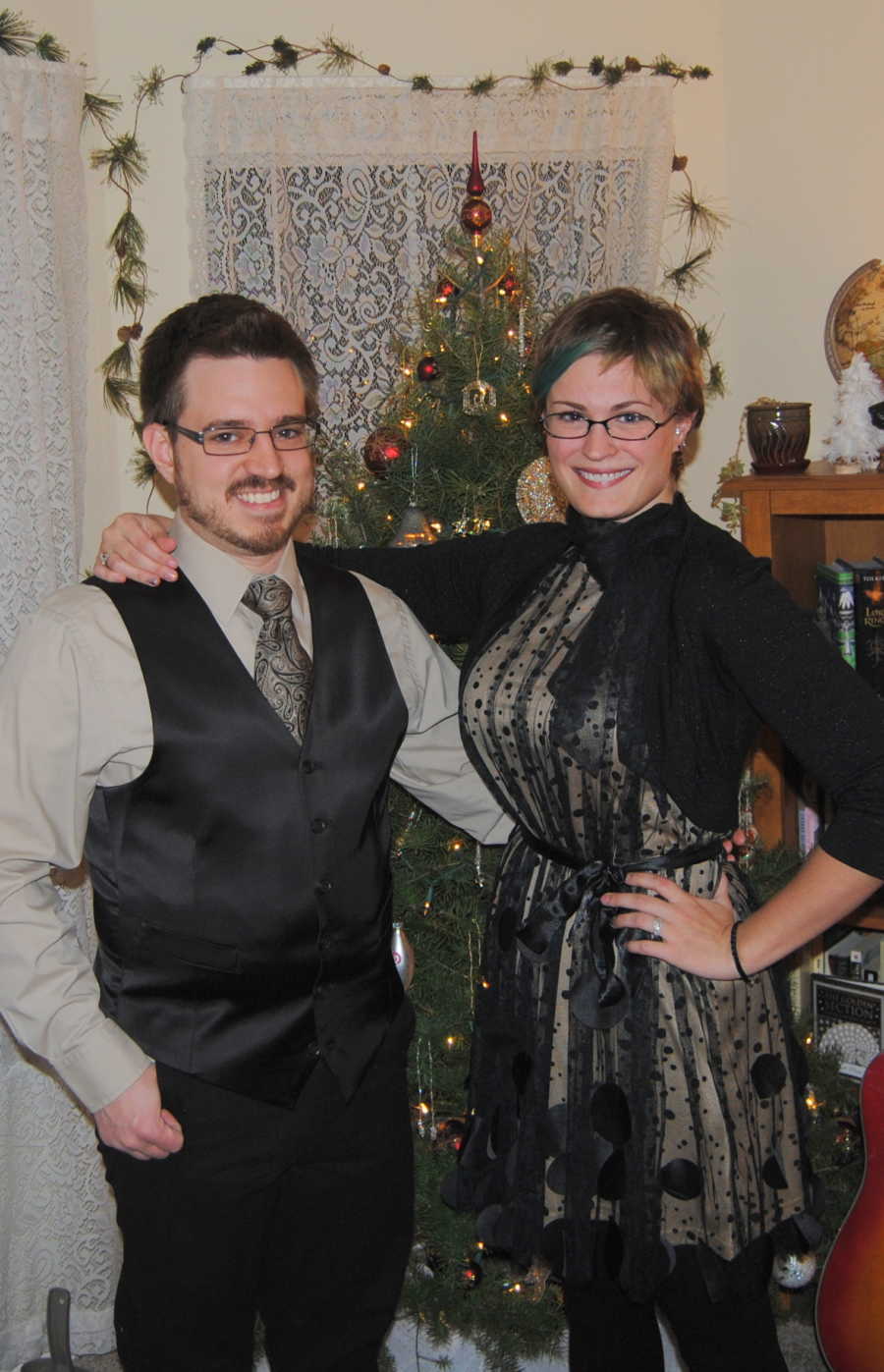
As the months passed, I explored my identity more deeply and realized the term “pansexual” fit me better. My husband’s support never wavered. I remember one small, everyday moment that still makes me smile: we were deciding on dinner, and he asked, “We could do burgers, or pizza.” I shrugged. “I could go either way.” He raised his eyebrows. “But what do you want?” The simple act of sharing my identity openly had deepened our connection, giving me the courage to name more of the truths within myself.
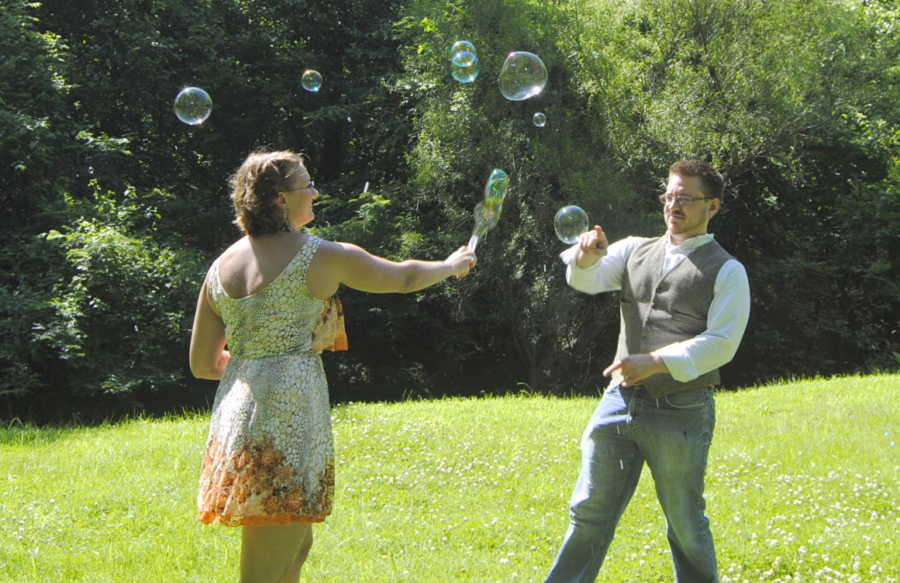
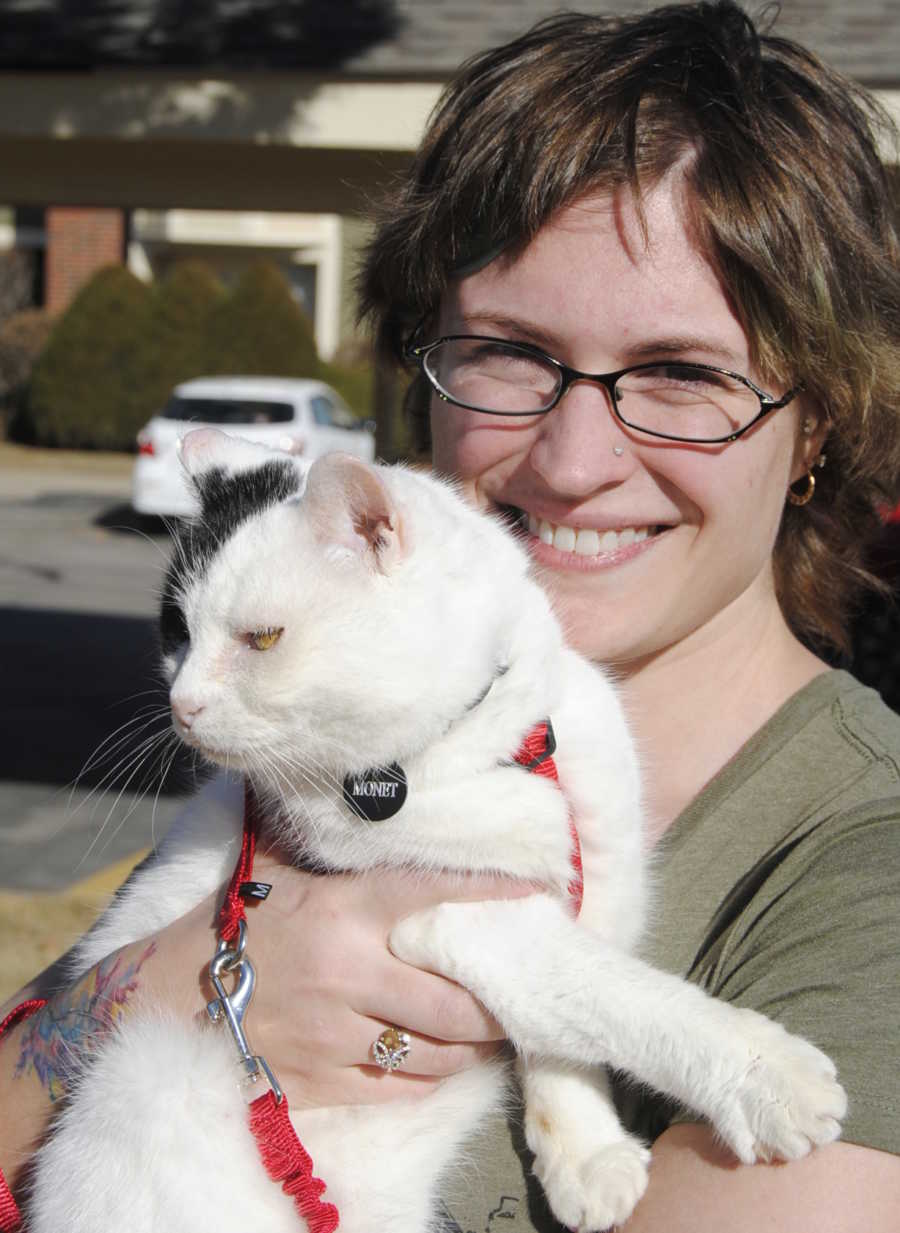
The next big conversation about gender happened in the office of our rental house. We had paused our usual routines—him from a video game, me from an art project—and were discussing social justice and LGBTQIA+ rights.
“You know how I said I was a tomboy as a kid?” I began. “Well, there were times I truly wished I were a boy. I’ve never fully felt comfortable being a ‘girl’ or a ‘woman.’ It’s like I was the wrong shape from the start.”
He paused. “But you love sparkles and dresses,” he said gently, more a question than a statement.
“Yeah,” I replied. “But I don’t feel like a man either. Have you heard of being non-binary?”
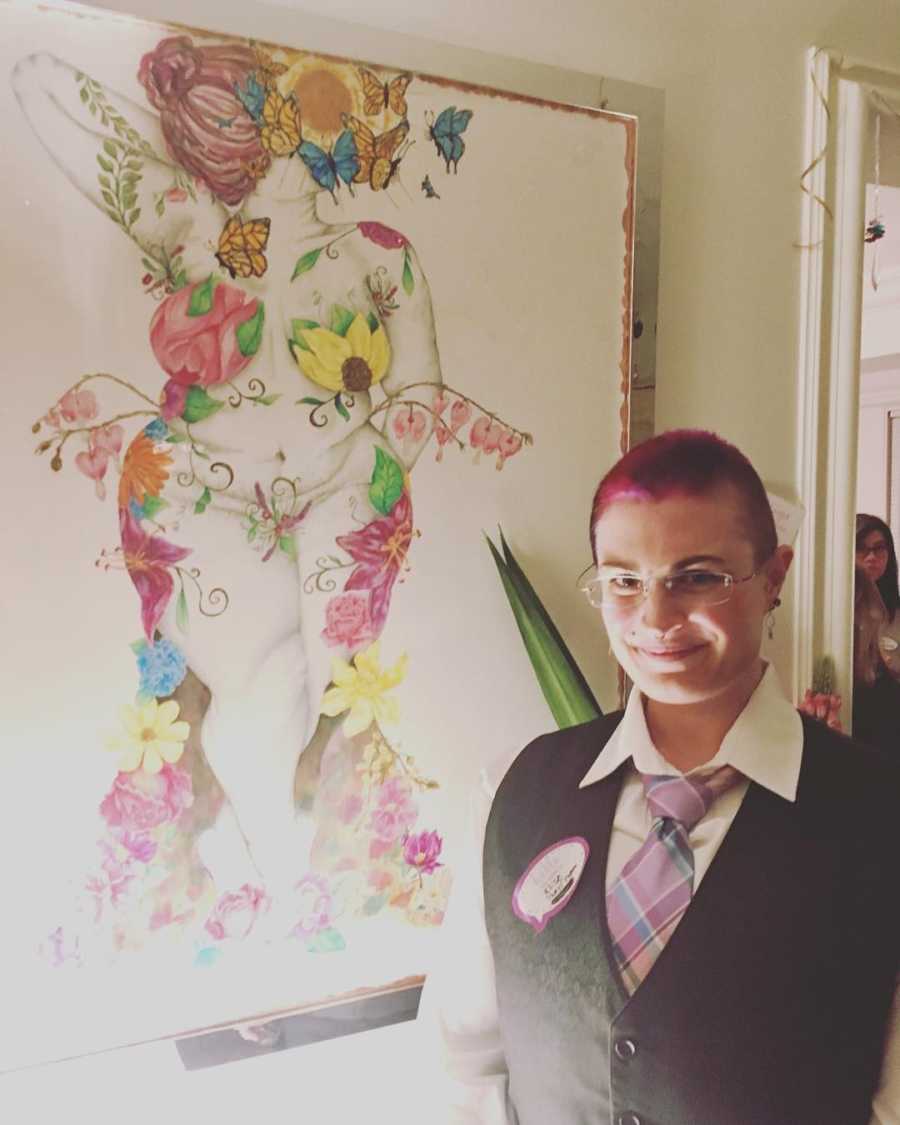
That night, and many nights after, we talked—sometimes confused, sometimes frustrated, but always patient—about what this meant and how to understand it. When I asked if it was weirding him out, he shook his head. “I’m just trying to understand. Not fully knowing how it feels doesn’t mean I don’t believe you.” I asked if he regretted marrying me. He smiled. “Of course not. I married you for who you are, and that hasn’t changed.”
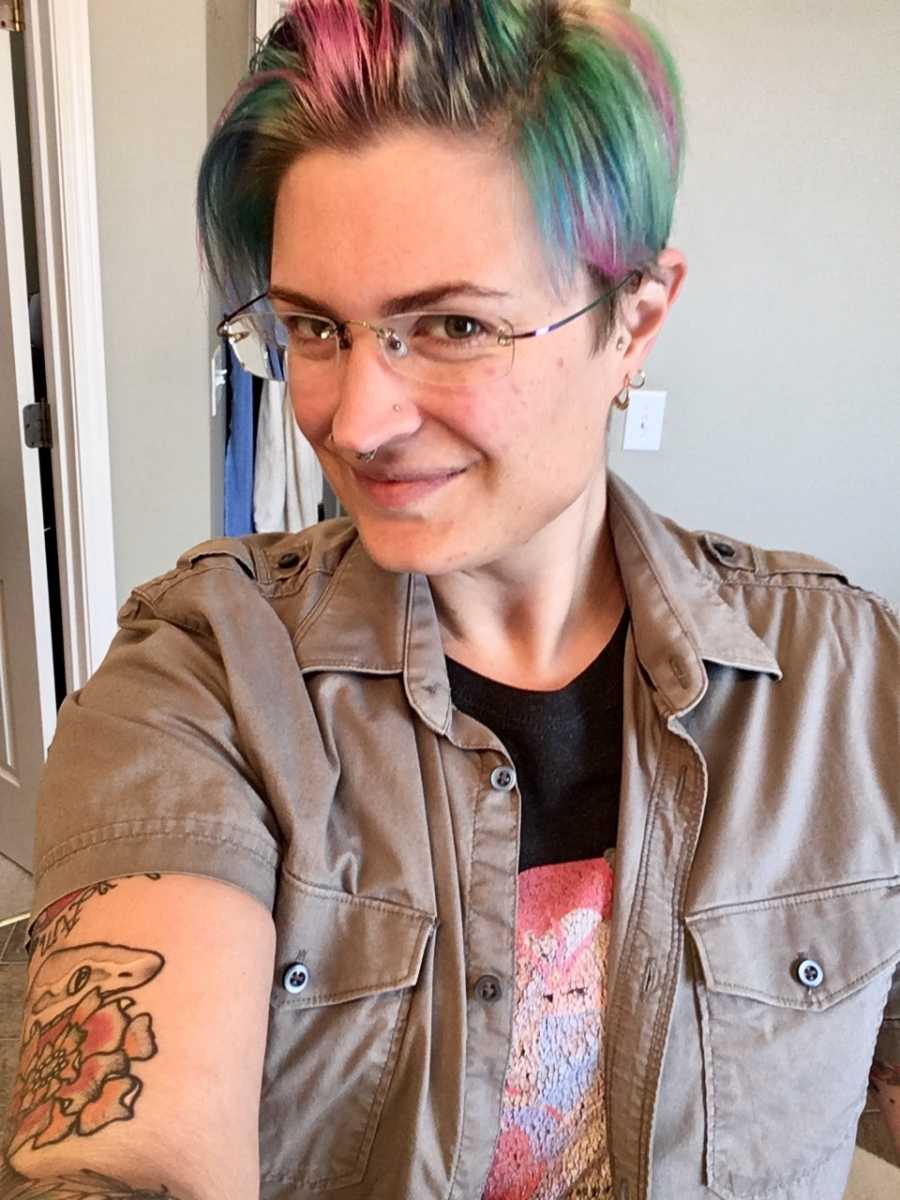
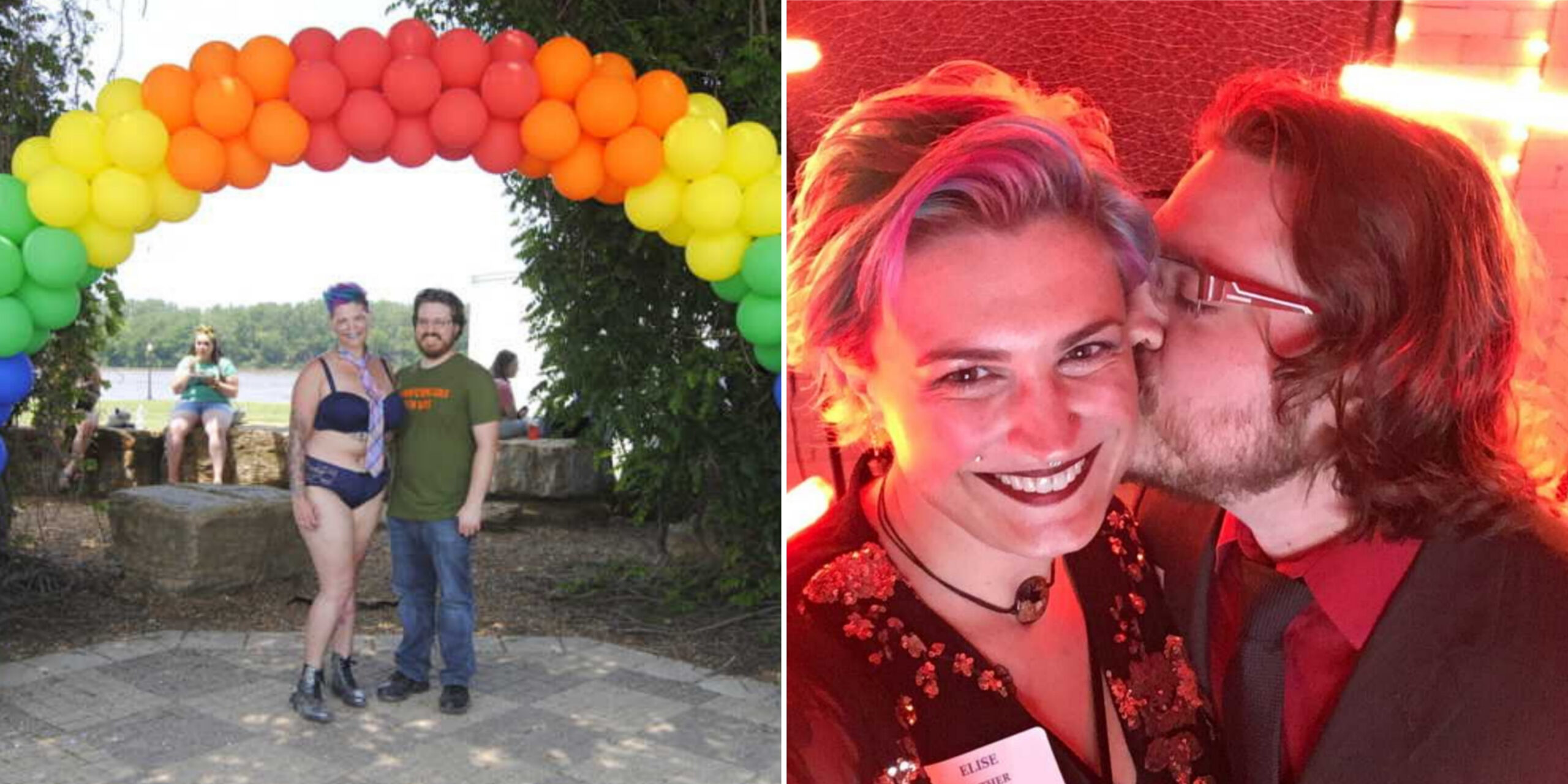
Months later, I took a step further in my self-expression, ordering my first chest binder and putting together an outfit for a queer-friendly event. My husband watched as I tried it on and smiled. “Oh, you left the bottom button of the vest undone! Nice.” I borrowed his wedding tie, and together we tied it. Later that evening, he even helped me buzz my hair.
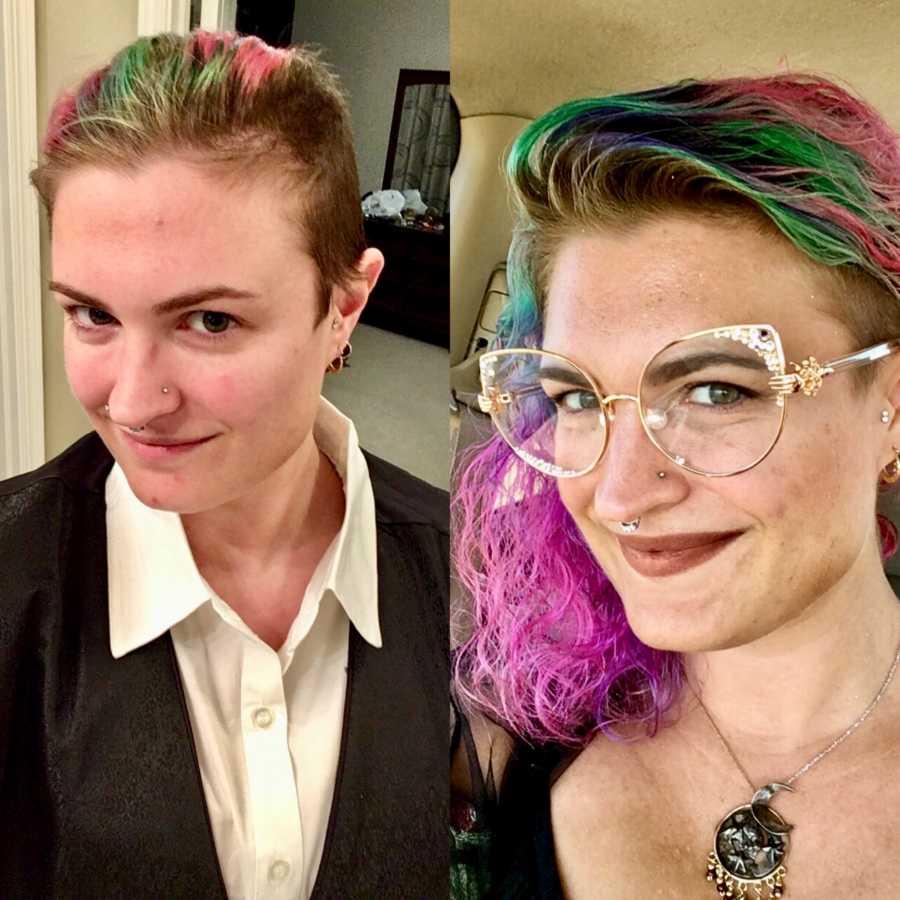
Now, a year and a half into fully living as pansexual and trans non-binary/genderfluid, I see how invaluable his love and support have been. We didn’t have all the answers when I first began coming out to him, but his willingness to grow with me—without judgment, without fear—has made our marriage stronger than I ever imagined. Our mixed-orientation, evolving relationship has given us opportunities to show love, acceptance, and intimacy in ways that are rare and precious. I am endlessly grateful for him, for us, and for the space he’s given me to fully become myself.