In the fall of 2014, I was a hopeful, driven 19-year-old beginning a demanding sports medicine program at the University of New Mexico in my hometown of Albuquerque. I felt ready to spread my wings—to be independent, capable, and free. I carried one very big dream in my heart: to one day become an athletic trainer for the U.S. Women’s National Gymnastics Team. More than anything, I wanted to make my parents proud and be a strong role model for my two younger siblings. What I didn’t know then was that my acceptance into that program would quietly mark the beginning of a long and painful descent. I was stepping into the darkest chapter of my life, one that would eventually be diagnosed as Major Depression and Post-Traumatic Stress Disorder (PTSD).

Each day in the program demanded more from me than the last. We were pushed constantly, both mentally and physically. The program director loved to repeat one phrase to our class: “We don’t burn out—we burn IN!” Before long, it became normal for me to sacrifice friendships, hobbies, sleep, and even meals just to keep up with coursework and clinical hours. The pace required to remain enrolled felt impossible, slowly eroding my confidence and wearing down my spirit. Beneath the pressure to succeed, I began to unravel. Severe anxiety took hold, often paralyzing me each morning as I woke up and faced another day of expectations I felt incapable of meeting. Halfway through the program, I considered dropping out for the first time. The career I had once dreamed of no longer felt like my own—but admitting that felt impossible. My dad’s voice echoed in my head daily: “You don’t want to be like me—a college dropout stuck in a job I hate. You better graduate.” I felt trapped, terrified, and overwhelmed, yet convinced that making my family proud mattered more than my own well-being. My self-worth became entirely tied to academic performance, and from that point forward, I was failing, dropping, or retaking at least one class nearly every semester.
Desperate for relief, I turned to binge drinking and partying on weekends to escape the pressure that consumed me during the week. Those choices led me into dangerous situations—catching rides with drunk drivers, hopping between parties, and narrowly escaping a shooting. Like so many college students across the country, I also became a victim of sexual assault. I never reported it, weighed down by fear, shame, and embarrassment. That trauma became a major catalyst in a downward spiral that was already accelerating fast. My world grew darker by the day, and I had no language for the pain I was carrying. I didn’t know how to ask for help, so I did the only thing I knew how to do: I buried everything and kept moving forward.
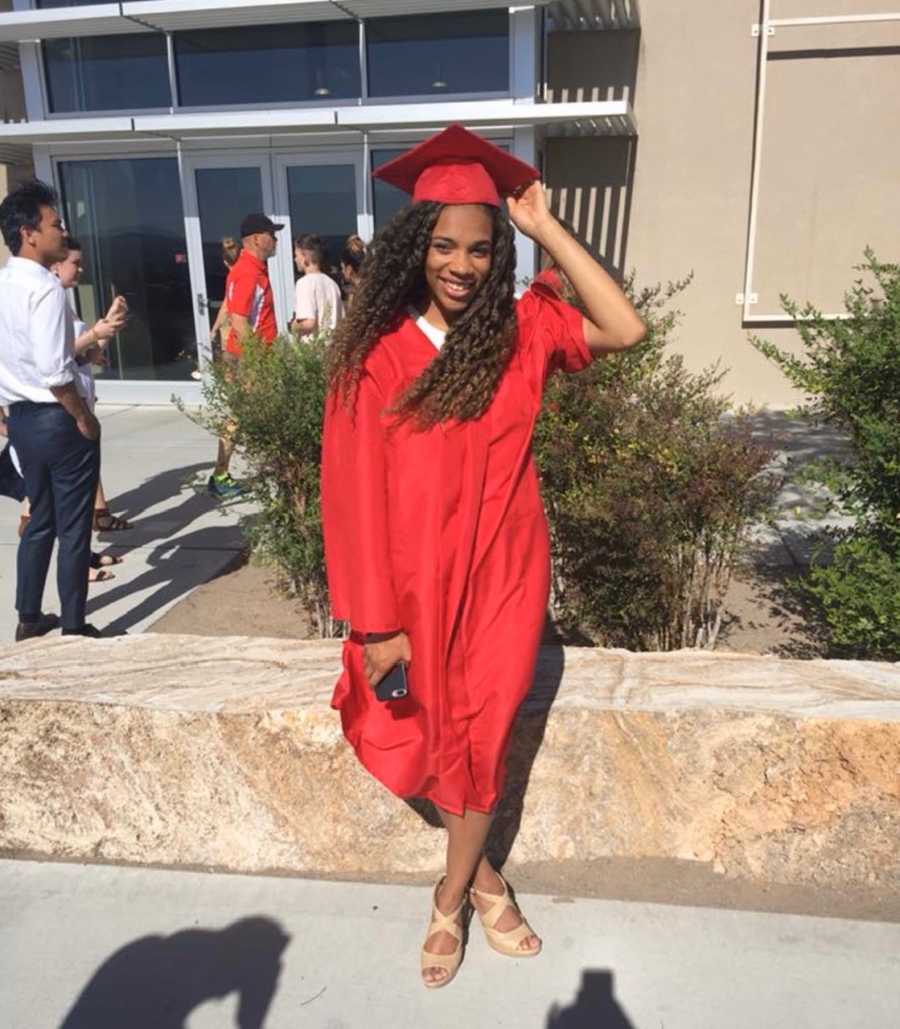
Against all odds, I graduated in May of 2018—but not without immense cost. I ignored my own needs, abused Adderall to complete schoolwork, lost my sense of identity, and lived with suicidal thoughts and self-destructive behaviors. My graduation wasn’t a celebration of accomplishment; it was a celebration of escape. At 23 years old, I was finally free from school and had made my family proud. I had done what I set out to do. Yet instead of joy, I felt empty and directionless. I didn’t know what made me happy anymore, and I was carrying years of unprocessed pain and untold stories that weighed heavily on my heart. The nine months after graduation were spent trying to build a career I already knew I didn’t want, terrified of admitting that my dreams had changed. The fear of being told, “You wasted all that time in school,” haunted me constantly. Anxiety shook me physically as I searched for some sense of direction. My internal dialogue was cruel and relentless. As I stared at my underweight, greyish reflection, I thought, “You’re stupid. You’re worthless. You’re a failure. You should just die.” By March 2019, I reached a breaking point. I knew I was either going to seriously hurt myself or finally get real help. I already felt dead inside. I had nothing left to lose. My family had no idea what I’d been battling, so you can imagine their shock when I told them, “I’m sending myself to a treatment center in Pennsylvania. I leave in three days, and I don’t know when I’ll be back.”
I lived at the treatment center for twenty-five days, dedicating myself fully—perhaps for the first time—to my own healing. I worked harder than I ever had to confront the darkness I had been carrying for years. It was there that I was formally diagnosed with Major Depression and PTSD. I was prescribed medication that finally slowed my racing thoughts enough for me to understand how I’d ended up there. When I returned home, I immediately enrolled in another intensive therapy program for six weeks, continuing the hard work of learning, growing, and slowly rebuilding hope.
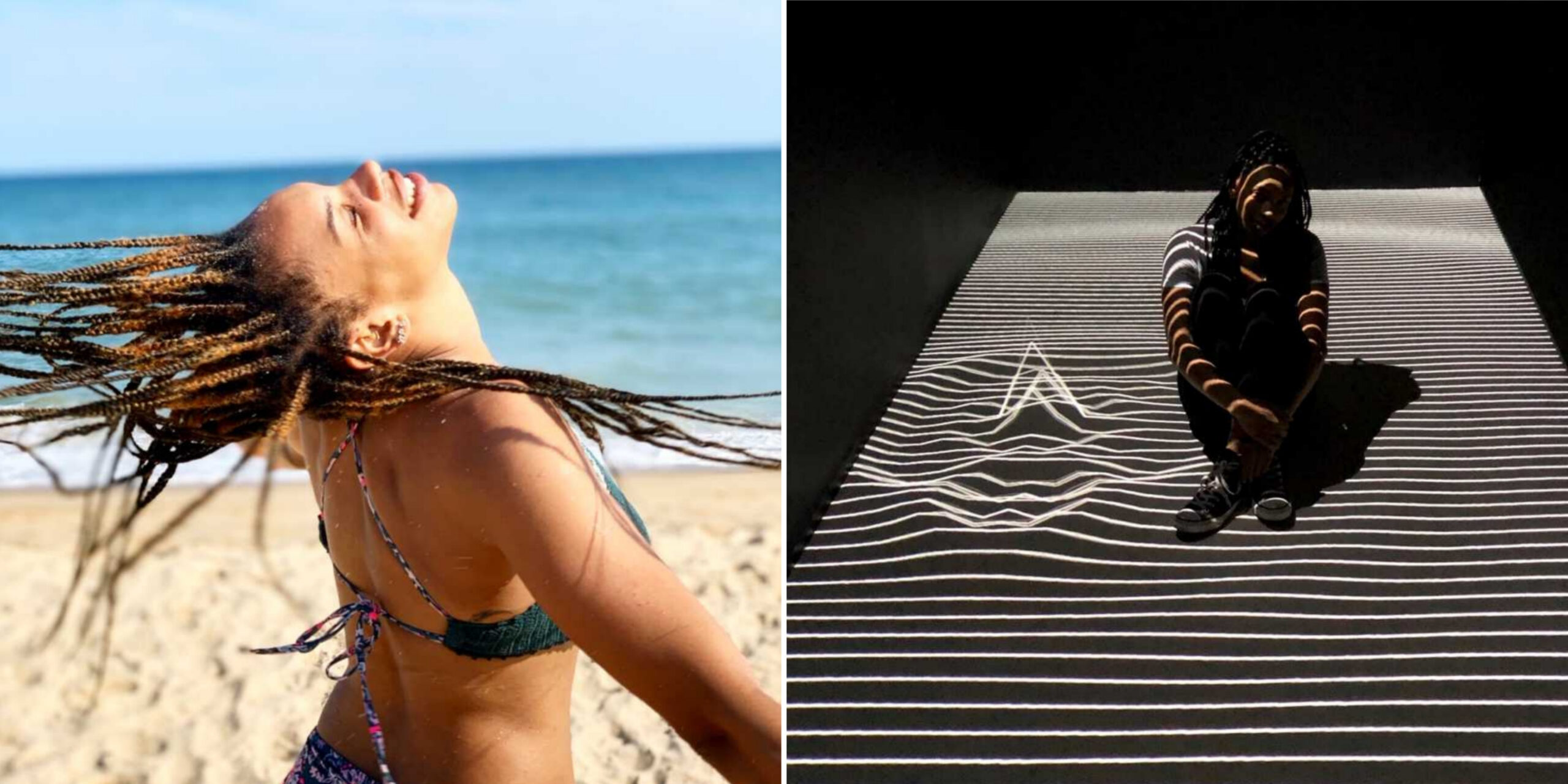
For the first time in my life, I realized I wasn’t alone. I learned that so many people struggle to understand their own thoughts and emotions—and that I wasn’t broken for not knowing myself. I began to understand that perspective could shift, that light could exist even in the darkness I’d grown used to. I started becoming a friend to the sick girl I used to see in the mirror—listening to her, validating her feelings, and letting her finally have a voice. I began sharing my journey, my highs and lows, on Instagram—not only to hold space for myself, but to connect with others, inspire those who were struggling, and prove to my social anxiety that it would not control my life.
I still have a long road ahead. Healing from mental illness is a daily battle, often a war with yourself. But through this journey, I’ve learned that I am incredibly strong and deeply resilient. Committing to therapy has changed my life in ways I can’t fully put into words. I know now that I am capable, worthy, and deserving of happiness. I carry so much hope for my future and so many new dreams and goals—something I couldn’t imagine less than a year ago. I’ve learned that I don’t have to live to impress anyone else. I don’t deserve to crumble under impossible expectations. The only person I need to impress is the giggly, crafty, compassionate, adventurous woman smiling back at me in the mirror.