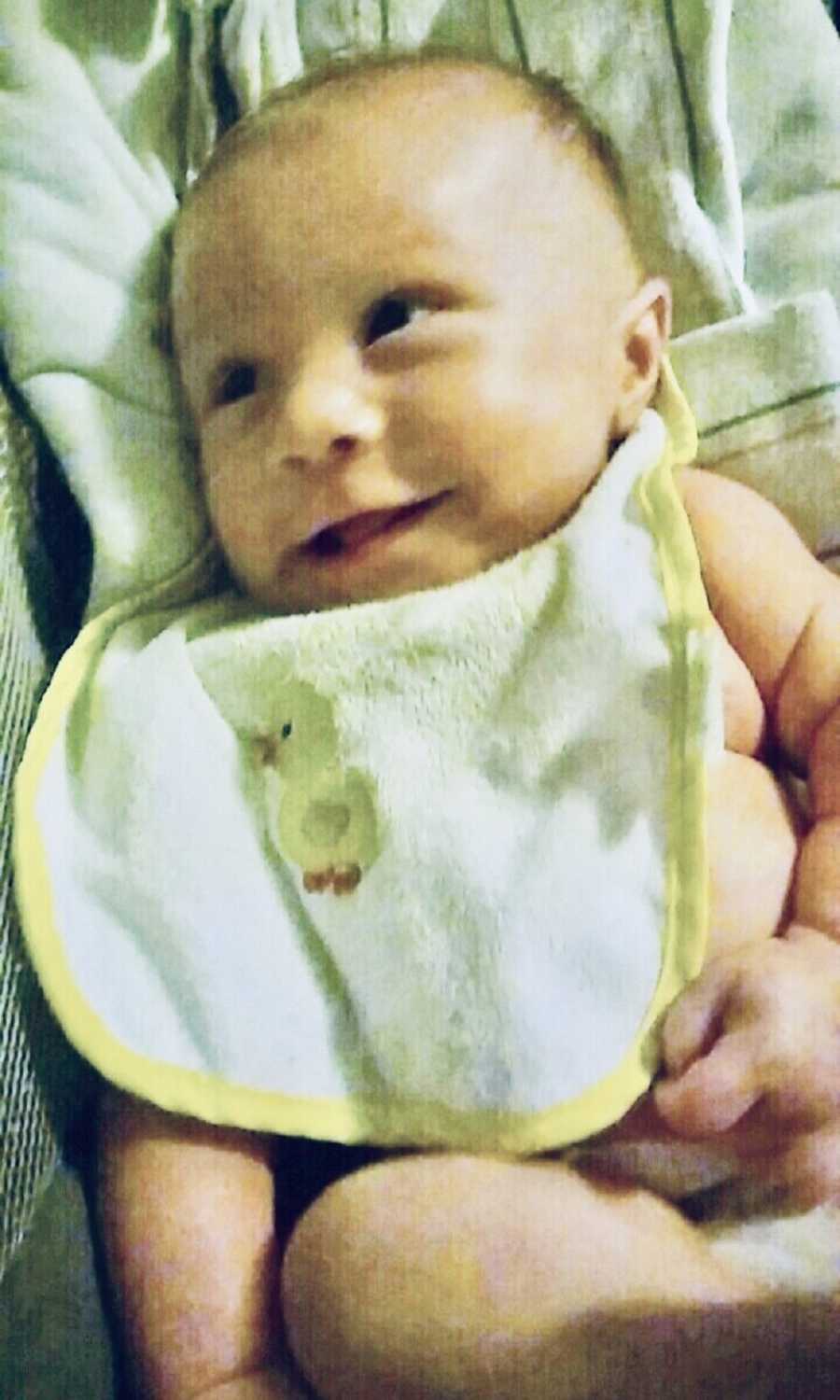
March 17, 2016: I will never forget the worst day of my life. I woke up and found my 10-week-old infant son cold, pale as paper, and completely lifeless. The details of that morning replay in my mind like a haunting film. I remember waking up to put in my contacts, glancing at him, and casually remarking to his dad that he looked pale. Then came his dad’s panicked words: “He’s not breathing!” Confusion washed over me. He had been fine just hours ago.
The next moments are etched into my memory forever: the frantic 911 call, my boyfriend slamming the window shut in desperation, my screams echoing as I shook my son gently, pleading over and over, “Nick! Wake up, Nick! Please wake up, Nick!” Barefoot, I ran outside to flag down a police officer, then sprinted back inside, begging someone—anyone—to save my baby. The EMTs arrived, and I followed them into the ambulance, clutching my shoes and sweater, praying they could bring him back. The driver’s calm questions barely pierced the haze of fear as we raced to the hospital, my heart full of hope yet terror.
At the hospital, I paced the corridors alone, while my boyfriend stayed home, grappling with the police and a flood of questions. Finally, a doctor asked, “Would you like to see what we are doing?” That small spark of hope flared in my chest. But when I stepped into the room, I knew he wasn’t coming back. They asked me what I wanted to do next. I had to tell them the unthinkable: “Stop trying.”
The memory that haunts me the most is seeing him—so tiny, so pale, lifeless, with blood around his mouth from a breathing tube. When they brought him to me, I almost threw him back at the nurse. I didn’t want to see that body, because it wasn’t my Nick. I ran outside, pounding on the hospital brick wall, sobbing, “Why my son? Why me?!”
We left the hospital empty-handed, our hearts broken, consumed by grief, guilt, and a thousand unanswered questions. SIDS does not discriminate; it strikes silently, leaving behind only the echoes of shattered souls.
At home, we packed up his clothes, toys, Pack ‘n Play, leaving everything with his paternal grandparents because we couldn’t bear to touch it. But we destroyed the Rock ‘n Play where he had died. Years later, news stories about Fisher Price recalls make me wonder if it contributed to his death. We’ll never know, but I now warn every parent I meet: avoid them. While SIDS cannot be prevented, raising awareness about unsafe baby products is something I can do.
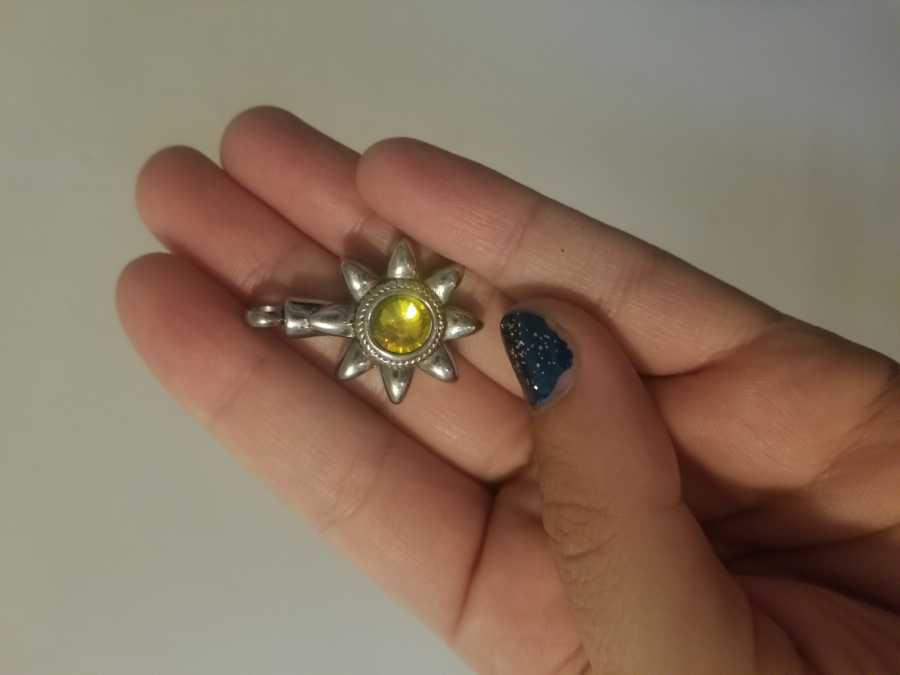
The days afterward were a blur. I couldn’t eat. I cried when awake, and slept when exhaustion overpowered my grief. I even checked my boyfriend’s breathing obsessively, terrified he might die next. We had Nick cremated, distributing his ashes to both sets of grandparents. I wear his ashes in a sun-shaped necklace, my “sonshine,” a constant, comforting presence through the first agonizing year.
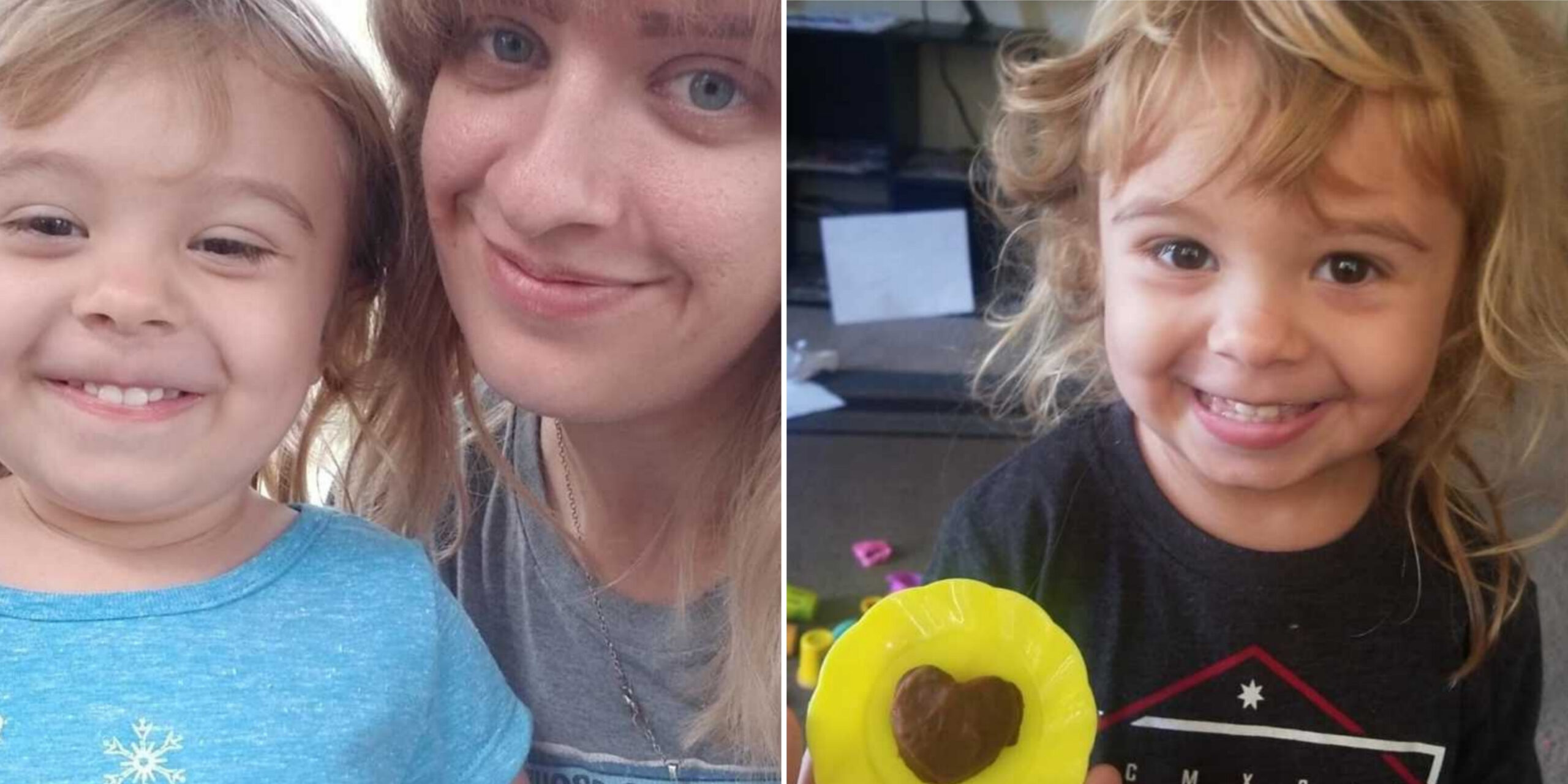
Within weeks of losing him, we made the intentional decision to try for another baby. We knew no child could replace Nick, but we wanted to feel like parents again. On Mother’s Day 2016, I discovered I was pregnant—and already knew it was a girl. This rainbow after the storm gave me purpose, a reason to keep moving forward. But fear followed: miscarriage, stillbirth, birth defects. Every appointment was a mix of hope and terror. When we confirmed she was a girl, we chose the middle name Nicole, to honor her brother Nicholas.
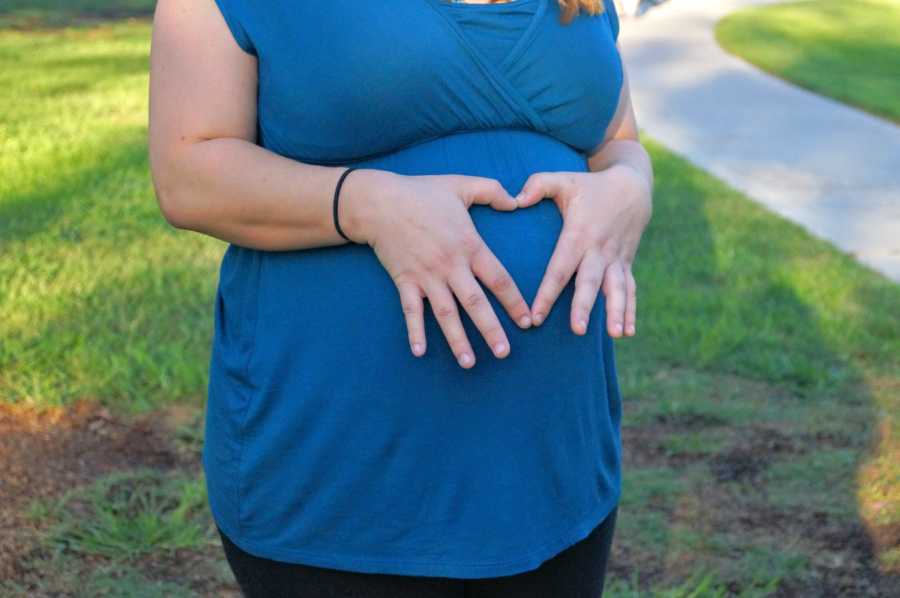
I knew being pregnant so soon carried risks. She would be delivered via planned c-section, as Nick had been an emergency c-section. Family expressed concern about the timing, but I knew I needed this—my reason to smile despite my grief, a lifeline through unimaginable pain. I often wonder how she will feel knowing she arrived after the loss of her brother, but I will ensure she knows she was never meant to replace him. She is the best part of my life and has always been deeply wanted.
The pregnancy itself was physically easy—no morning sickness, no gestational diabetes, no extreme weight gain—but emotionally, it was grueling. I was bitter, stressed, and exhausted, constantly aware that I should have been enjoying Nick’s first months instead.
After her birth, postpartum depression surfaced. I can admit it now without shame: I regretted having her—not because I didn’t love her, but because fear and sleep deprivation consumed me. Every moment was a battle against panic, flashbacks, and frozen terror. She struggled with breastfeeding, but remembering that nursing lowers SIDS risk by 33% pushed me to persevere. Those moments of frustration were worth it; the bond we forged through nursing has carried us through tantrums, picky eating phases, minor injuries, and illnesses.
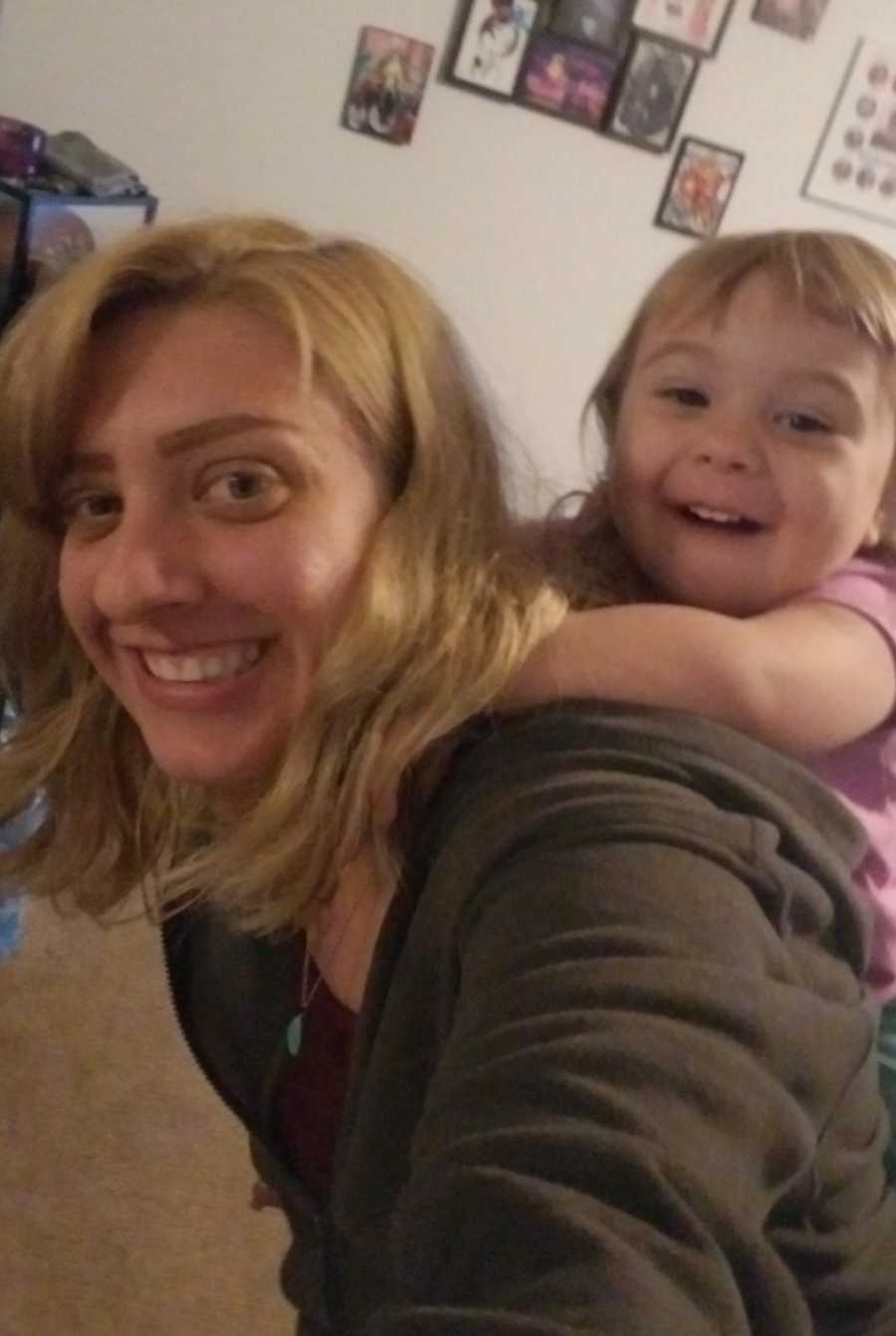
In May 2018, we faced another scare: she was hospitalized at 16 months with the flu and febrile seizures. She slept for two days straight, and it took several more days for her to recover. Since then, my anxiety has only intensified. I check her breathing constantly, every fever, bump, fall, cough, or odd dream sending my heart racing. Two and a half years later, this is my new reality—living as a parent after loss, every night shadowed by fear.
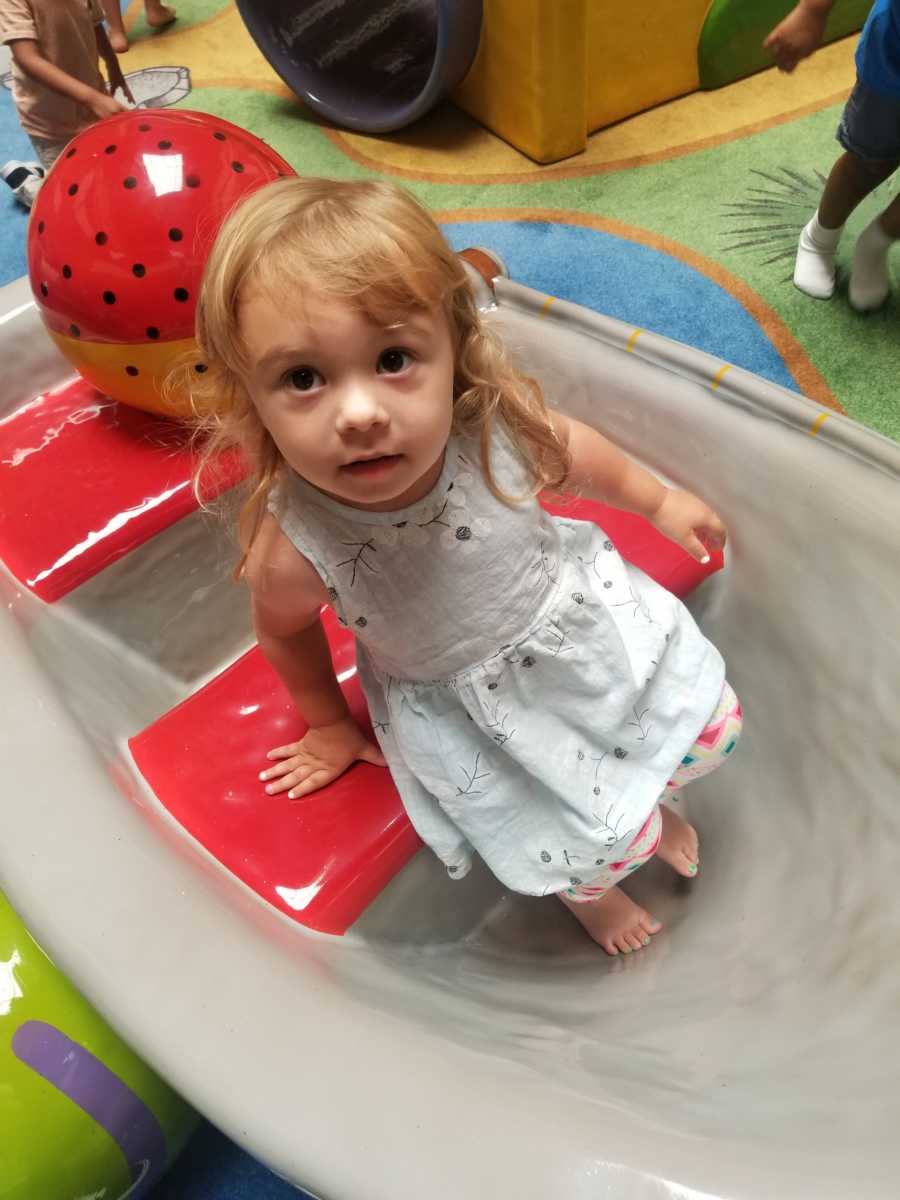
People often ask, “Is she your only child?” I used to say no, and speak of Nicholas. But the pitying looks and awkward silences became unbearable. Now I answer, “She’s enough right now,” with a sad, forced laugh.
We consider the idea of another child, but the terror of loss is overwhelming. A sleeping baby no longer evokes warm thoughts; it brings fear. SIDS could strike again, and now it’s not just about me. What would happen if another child were lost?
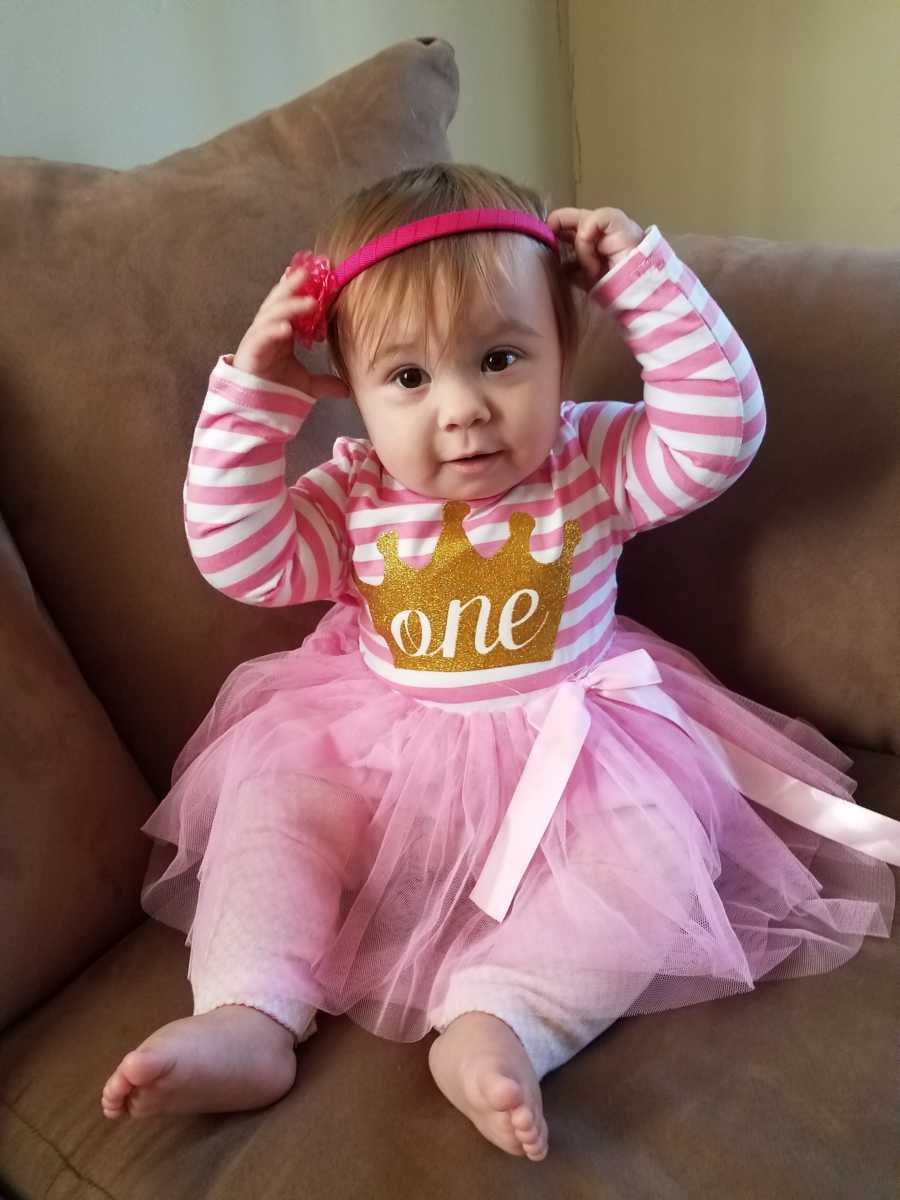
Her presence eases—but does not erase—the pain of losing her brother. She has brought immense joy to both sides of our family. Her grandparents adore her, and she brightens the lives of everyone she meets with her sweetness, smiles, and outgoing nature. She is my best friend, my heart and soul, my reason to keep going. Every first—words, steps—carries deep, bittersweet meaning. I will never hear my son’s voice or see his personality, but through my rainbow, I’ve experienced first words like “mama” and daily “I love yous,” moments that heal and sustain me.
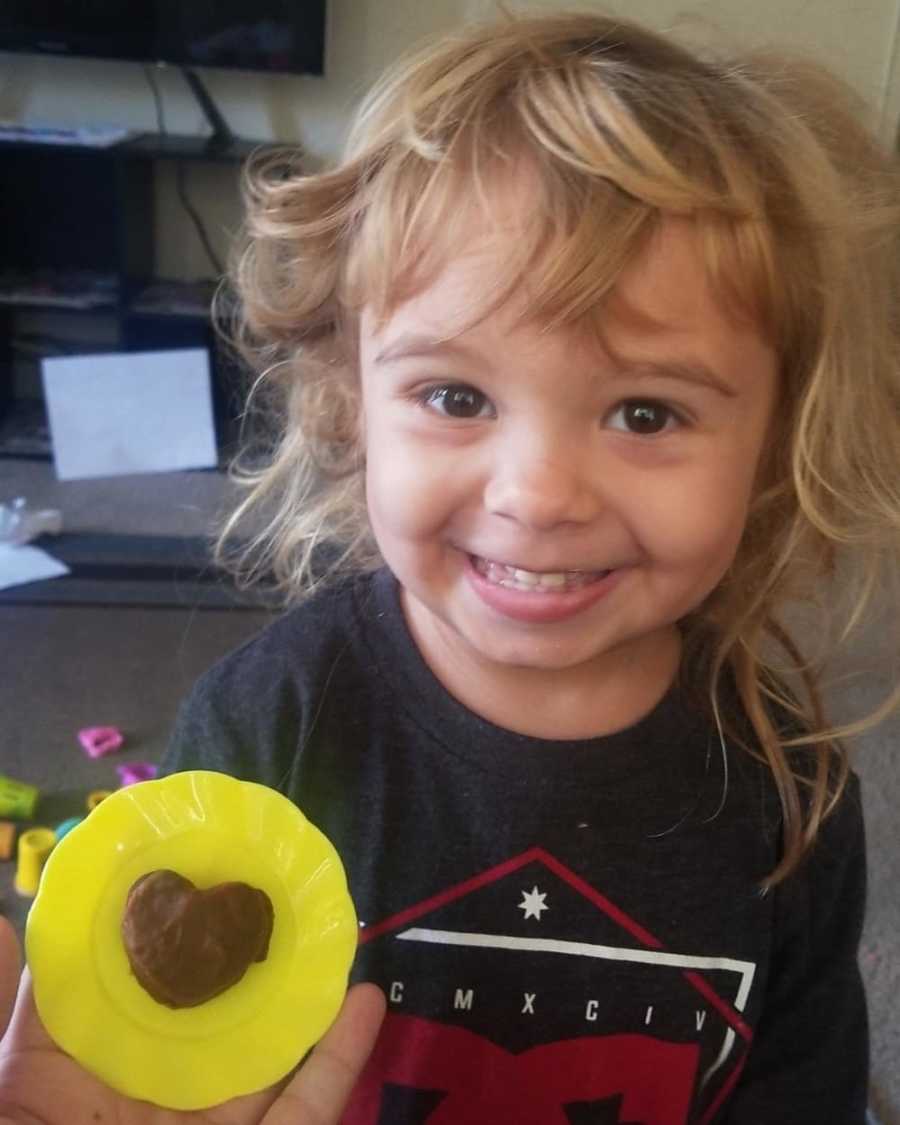
I am not perfect. I feel exhaustion, frustration, and sometimes anger. But grief and guilt coexist with love; every tired, overwhelmed moment is shadowed by the fear of losing her. Life after child loss is cruel and unrelenting, and we are never the same. Pregnancy after loss, and life afterward, is a day-by-day challenge. Every parent handles it differently. Some of us have more children, some live in fear, some quietly suffer. We are bonded by grief, yet still here, still fighting.