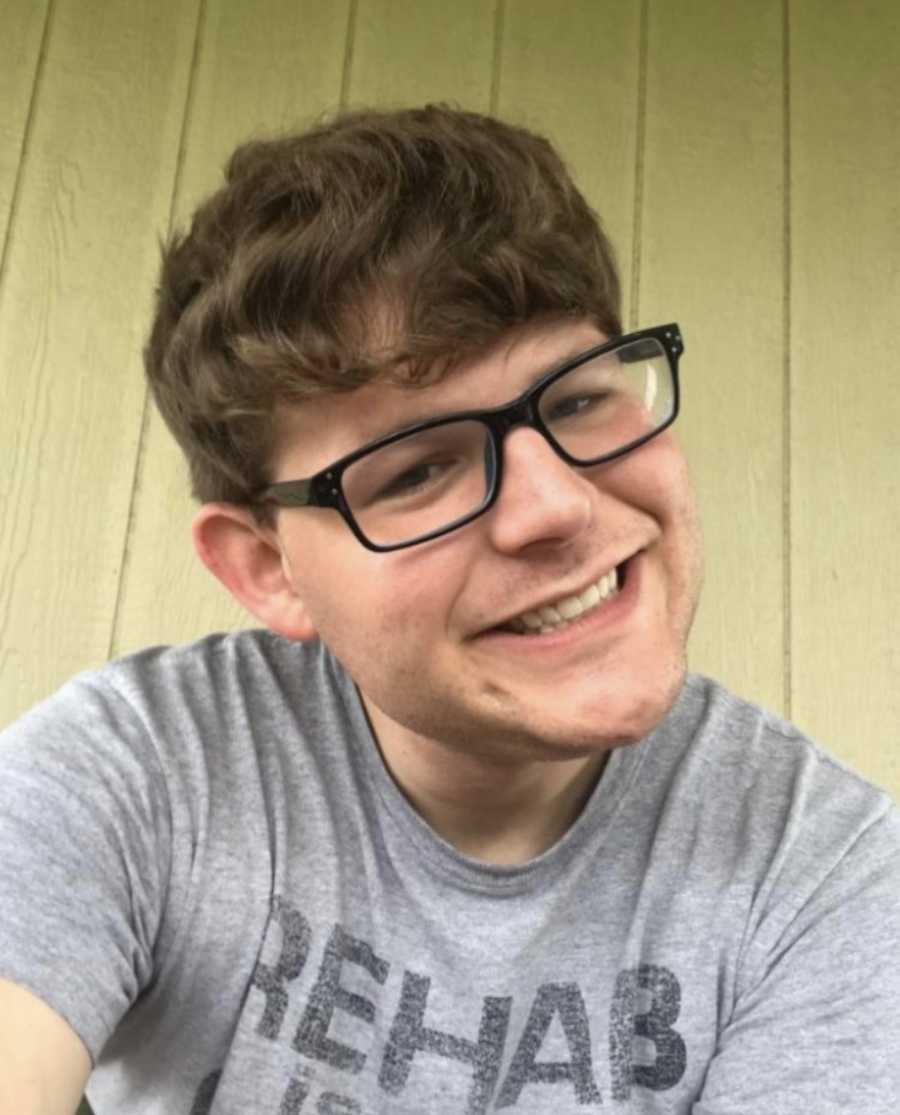
My suicidal thoughts began when I was only 10 years old. By fifth grade, the bullying had become unbearable. I couldn’t concentrate in class because classmates constantly called me names or threw things at me whenever the teacher looked away. My grades started to slip, and I was terrified to go home because I felt like a disappointment to my parents. Every single day from fifth grade onward felt like torture. I was scared to go to school, yet I dreaded going home just as much. There was no place that felt safe.
Sometime during middle school, my mom took me to see a child psychologist. I was diagnosed with a depressive disorder, though I didn’t fully understand what that meant at the time. How could I? I was still just a kid trying to survive emotions that felt far bigger than me.
About a year after high school, things finally seemed to be improving. I was living in an apartment with my two best friends, and for the first time in a long while, I felt hopeful. But, as it often felt in my life, the good didn’t last. My friend Becca experienced a sudden tragedy and had to move away. Soon after, my other best friend, Krissy, moved to Texas with her boyfriend because we couldn’t afford rent on our own. Once again, I was alone. I knew I had family who loved me, but living with my friends gave me a reason to wake up each day. Without them, I began to sink deeper. I would go three to four days without eating, and I became dangerously underweight.

On Friday, December 13, 2013, my car’s alternator blew while I was on my way to work. When I got home, I went straight to my room, overwhelmed by a feeling that this was the end. I couldn’t do it anymore. When my mom heard me sobbing, she came in and found me saying, “I’m not continuing with life any longer” and “I’m ending it.” After that, everything became a blur. My mind simply shut down. My dad came into the room too, and together, they convinced me to get into my mom’s car so she could take me to get help.
She drove me to Vanderbilt Hospital in Nashville, Tennessee. Paramedics took me through a back hallway to a locked door with a keypad, leading into a special unit that felt dark and prison-like. They placed my mom and me in a small room with no windows and a couch bolted to the floor. Eventually, my mom had to leave so a psychologist could evaluate me. I barely remember what was said—only that I was on the edge of suicide and desperately needed help.
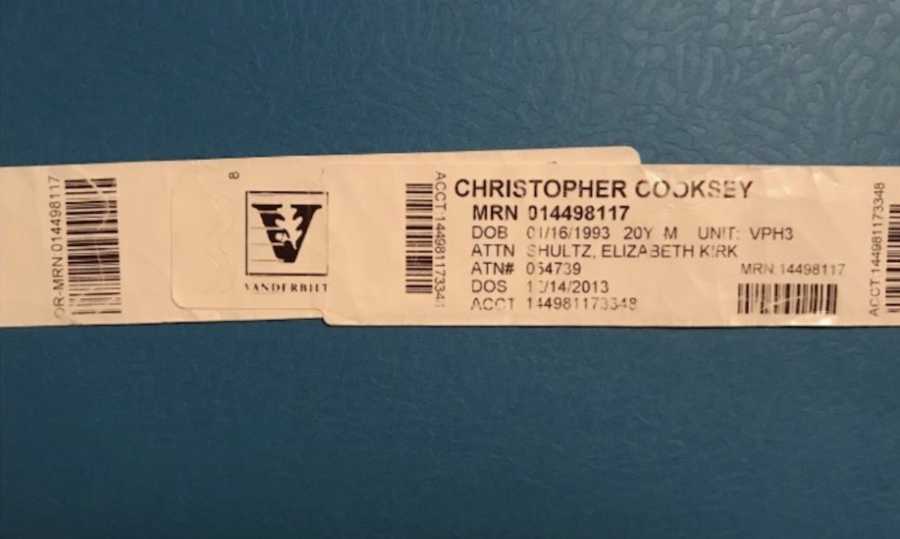
After about seven hours, I was admitted to the Vanderbilt Psychiatric Facility. The first two days were awful. I didn’t eat, barely moved except to use the restroom, and cried myself to sleep over and over again. Eventually, I was forced to get up so I could begin medication. I was diagnosed with Bipolar Disorder Type 2 and Borderline Personality Disorder. One day, another patient started talking to me in the hallway and introduced me to two others. Those next four days changed everything. Being around people who understood me made me feel like maybe things could be okay after all.
I was discharged after a week and one day. Oddly enough, I felt sadder leaving than when I arrived, though I was also relieved to be going home.
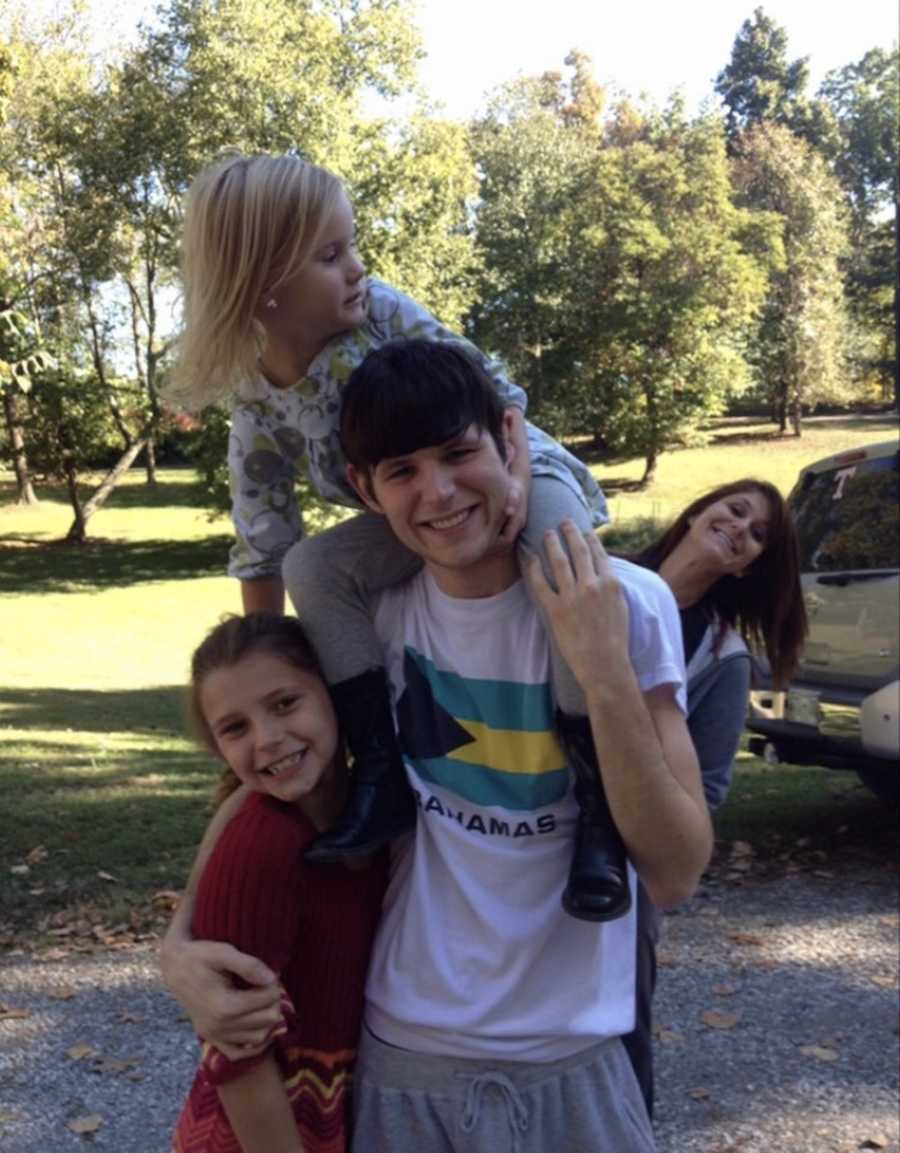
Over the next year and four months, I slowly began sinking again. My parents struggled to understand why I was still so depressed, as if I needed a visible reason to feel that low.
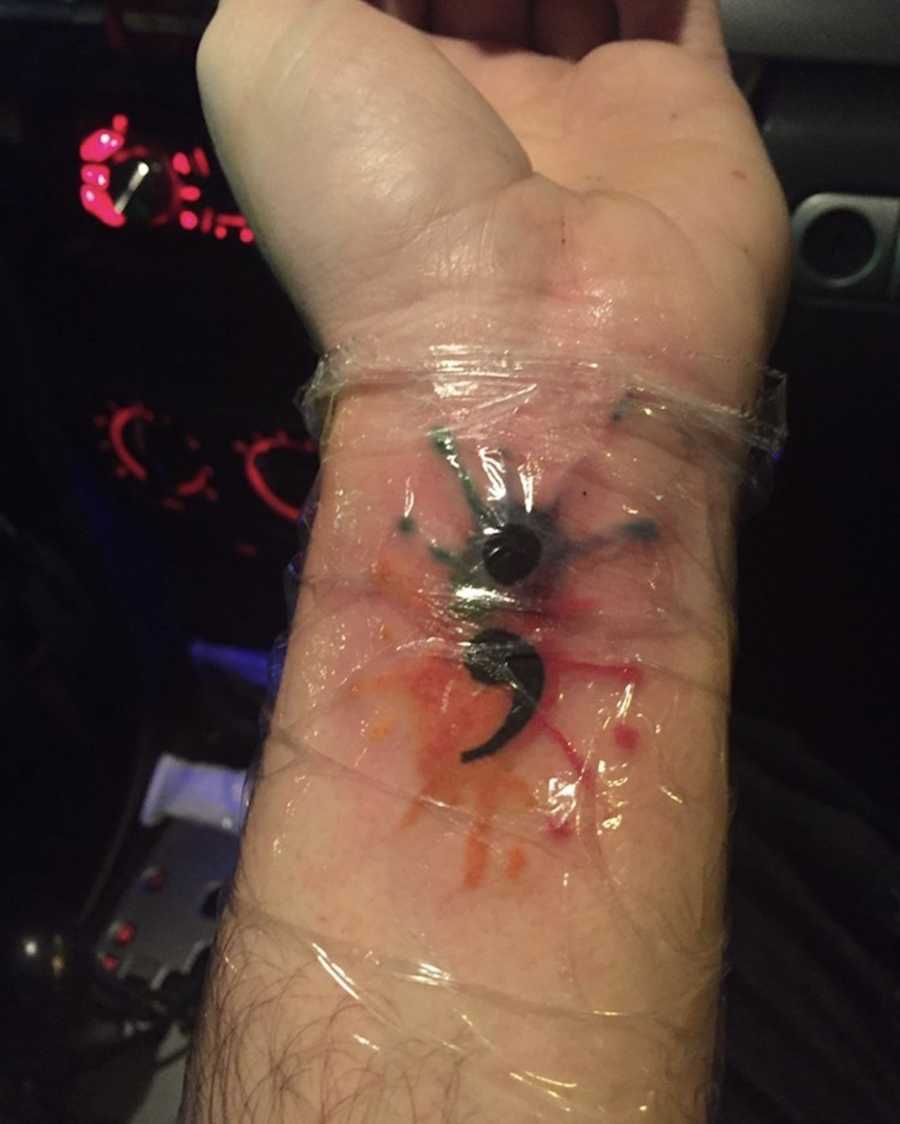
In March or April of 2015, I got into a huge argument with my dad about suicide. He didn’t understand—no one seemed to. I left the house and stayed with a friend that night. The next morning, I took a steak knife and cut my wrist, a scar I later covered with a semicolon tattoo. My friend found me, rushed me into her car, and took me to the ER.
At the hospital, my wrist was bandaged, and I was placed in a gown. My parents were contacted, and we waited for someone from Mobile Crisis to evaluate me before I could be released. I faced the possibility of being admitted again. I explained to the mental health specialist how I felt and how misunderstood I was. She explained Bipolar Disorder to my parents, comparing it to physical illnesses. “Telling someone with bipolar disorder to cheer up,” she said, “is like telling someone with epilepsy to stop having seizures.” After observing us, she felt I was safe to go home. My mom began researching mental illness extensively and helped educate my dad. Slowly, things between us improved.
In November 2017, I moved into my own place. Instead of freedom, it brought overwhelming loneliness. Despite rebuilding my relationship with my parents, it felt like history repeating itself—everyone eventually leaving.
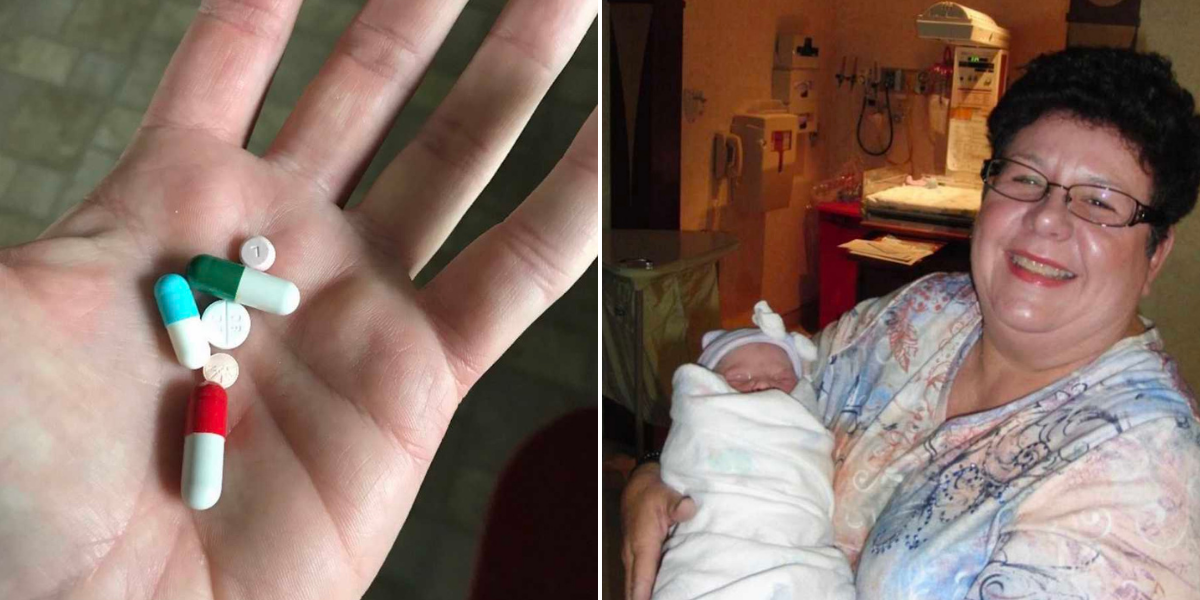
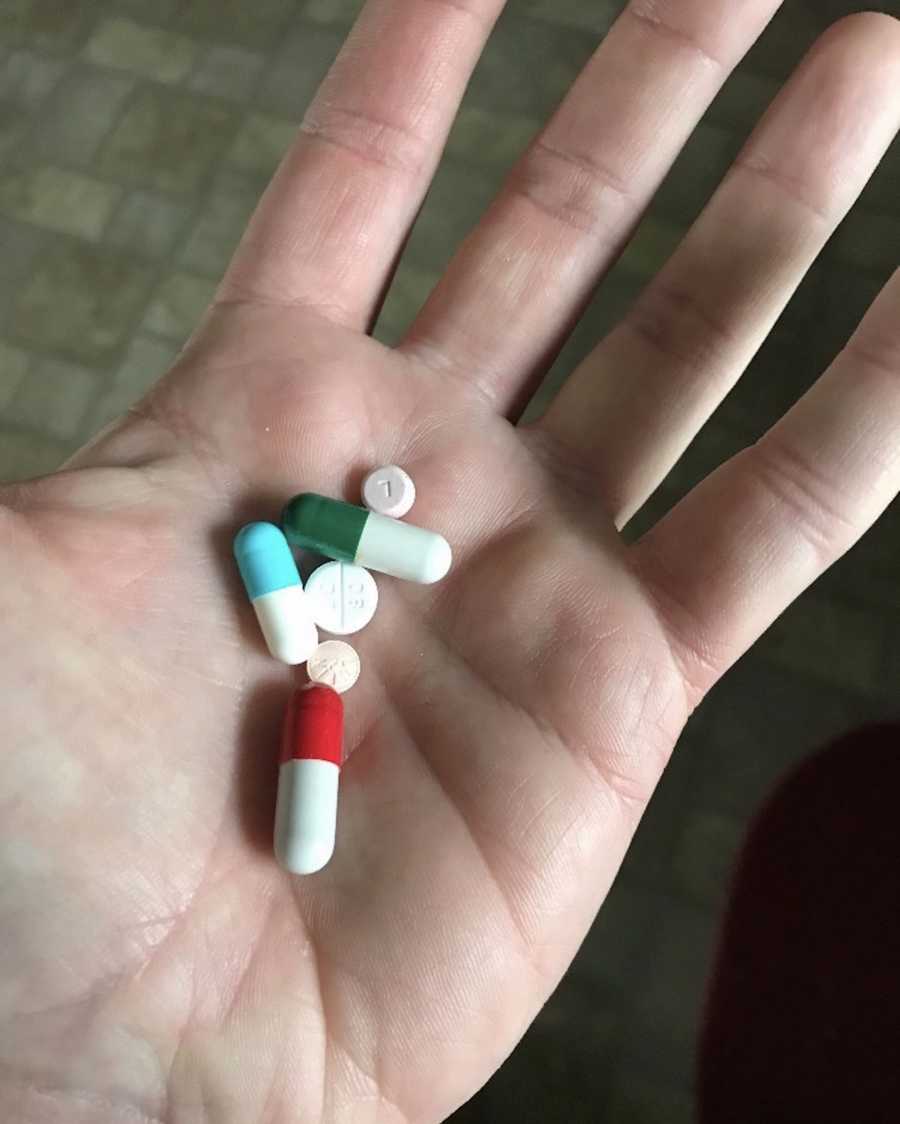
By early 2019, I secretly began drinking daily and abusing prescription pills. I started cutting my thighs and having meltdowns at work. My manager made me take three days off. I had always promised myself I’d never kill myself at home, but my place didn’t feel like home anymore.
On Wednesday, August 21, 2019, I went into work like any other day, wearing my “happy face” and cracking jokes. No one knew what I had planned after my shift. I lived alone, and there was no one to stop me.
That morning, one of our beloved coworkers, Karen, was killed in a motorcycle accident. She had worked there for 40 years, and I had known her for 10. The devastation rippled through everyone. While working the service desk, I received a call from a coworker asking about management and then mentioning Karen’s accident. No one else seemed to know yet. Eventually, my manager Pam—Karen’s best friend—was told. When I later asked if Karen was okay, Pam looked at me through tears and said, “Karen didn’t make it.” My heart dropped. I couldn’t breathe. We spent the rest of the day calling coworkers to deliver the news. Every call was heartbreaking.
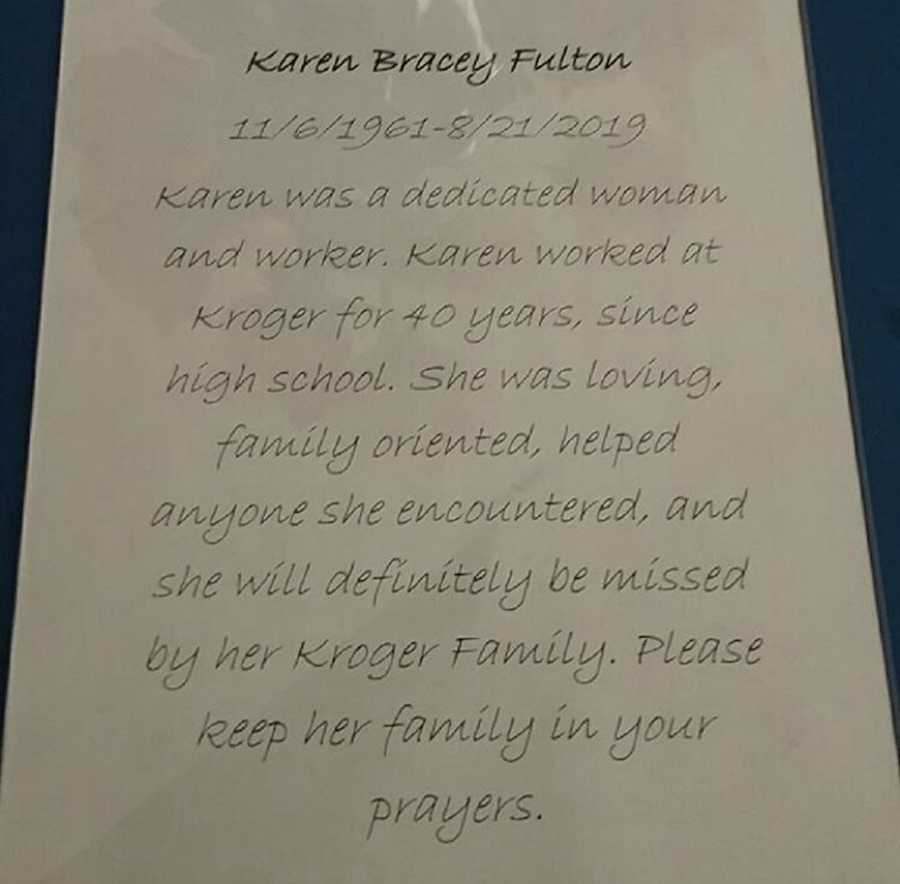
I couldn’t go home after work. I went straight to my mom’s house. When I arrived, she wrapped her arm around me and said, “Let it all out.” I broke down completely.
After Karen’s funeral, I realized how much my coworkers were truly my family. Seeing their grief opened my eyes. I couldn’t leave them—or my parents—like that. Witnessing that level of loss changed something in me.
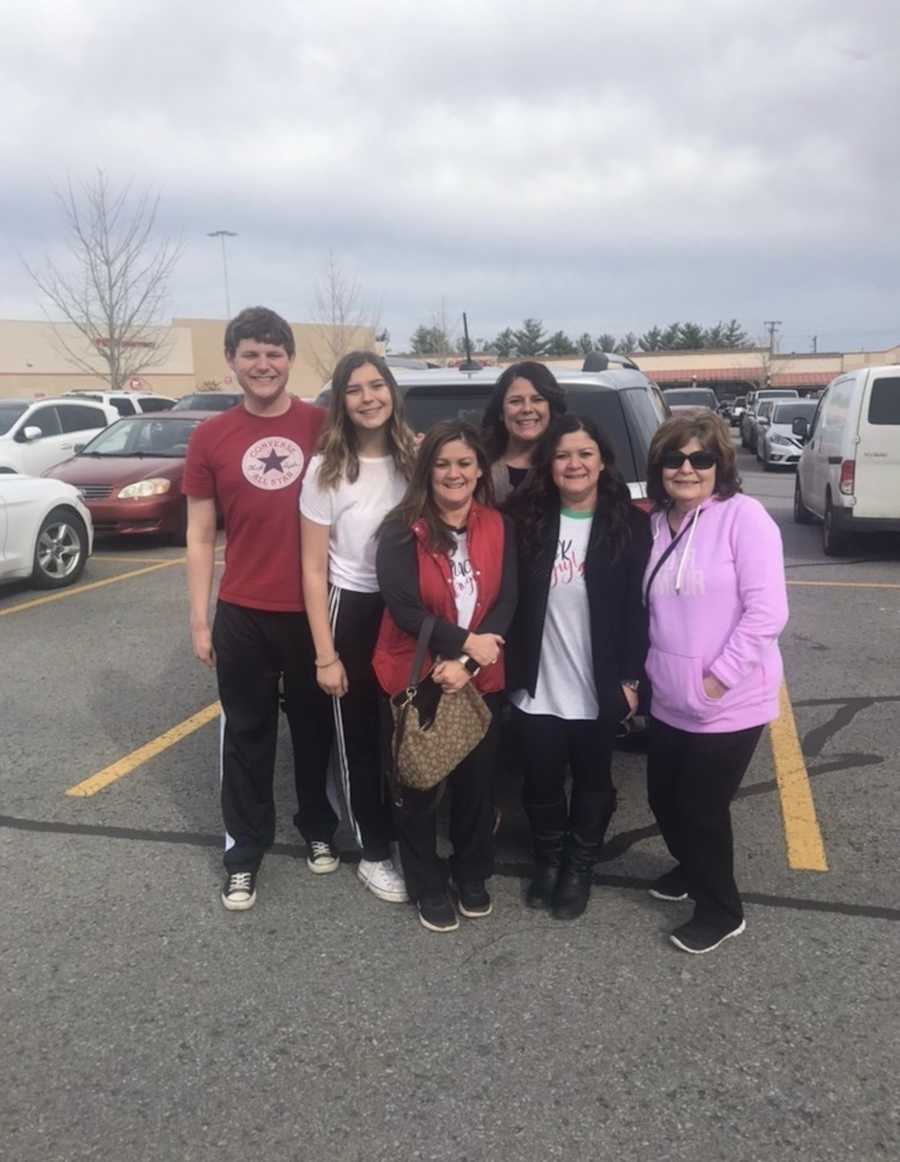
That night, sitting on my porch, I suddenly said out loud, “I don’t want to die anymore.” The moment I heard myself say it, the weight on my chest lifted. For the first time in 15 years, I felt hope. Karen’s death was my wake-up call.
I know I’ll still have hard days, but I also know my parents are close, my friends are a call away, and God is only a prayer away. It took me 15 years to get here—but I’m finally happy.