Disclaimer: This story contains mentions of eating disorders and may be triggering to some.
My name is Olivia, I’m 19, a former ballet dancer, and I have a rare congenital anomaly called Median Arcuate Ligament Syndrome, or MALS. Essentially, I was born with a diaphragm that sits too low. Normally, this ligament moves with the aorta when we breathe, but in my case, it presses against my celiac artery and the celiac ganglion nerves. This vascular compression causes symptoms that are almost impossible to ignore: nausea, severe epigastric pain, bloating, loud belching, exhaustion beyond belief, and shortness of breath. Every meal and every workout amplifies the pain. The frustrating part? MALS symptoms are notorious shape-shifters—they mimic countless gastrointestinal disorders, making diagnosis an uphill battle. My story spans nearly 20 years, from misdiagnosis and dismissal to finally finding answers and relief through surgery.
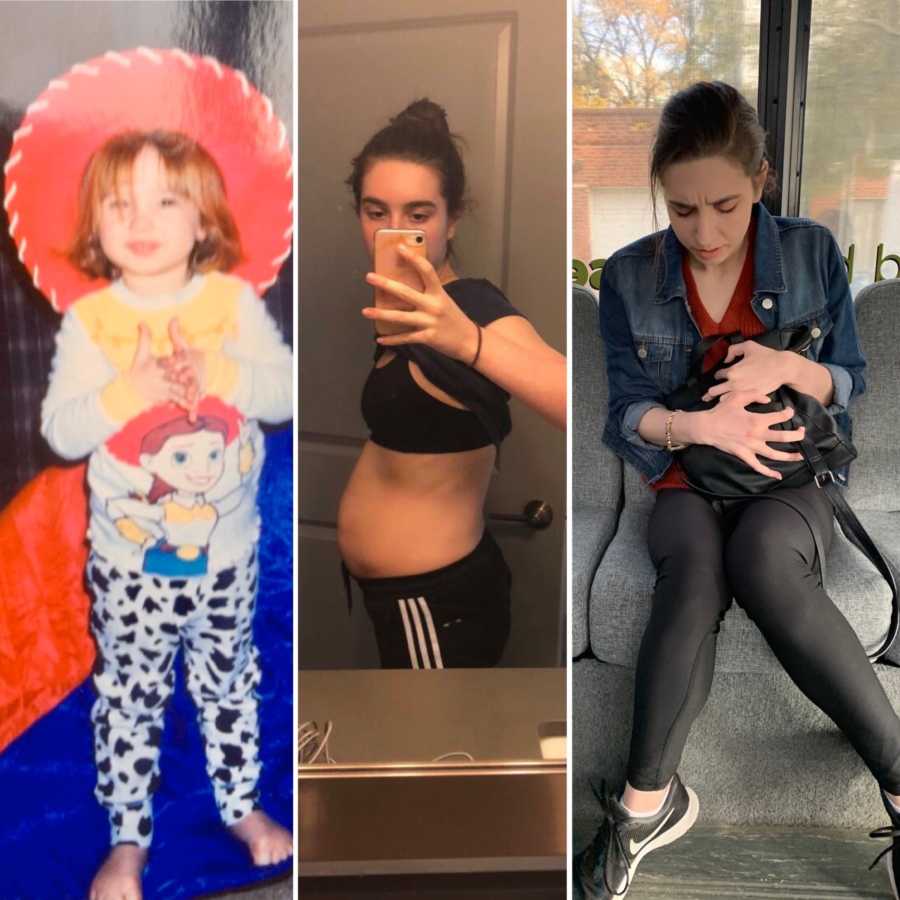
For as long as I can remember, I’ve been nauseous. Even as a toddler, I knew the word and felt its weight daily. A child shouldn’t look months pregnant after a snack, constantly belch louder than a sailor, or experience pain likened to end-stage pancreatic cancer—but I did. And through it all, I was repeatedly dismissed by the very people entrusted to help me: doctors. Every patient with MALS has been there, to varying degrees. We are not seeking pain meds, exaggerating, or making things up. We are not constipated, we do not have IBS, and this is emphatically not psychosomatic. I share my story hoping it may help someone suffering, someone overlooked, or perhaps even a medical professional unfamiliar with this rare condition.
I vividly recall being in kindergarten, begging my parents to let me stay home because I felt so nauseous. Sleepovers, playdates, school—it all felt impossible at times. But everyone assumed it was anxiety. And for years, I began to believe it too. Pediatricians insisted my symptoms were “in my head” and recommended “tough love” approaches, ignoring the reality that I desperately wanted to participate in normal childhood activities. Things worsened as I aged, peaking around age 12, when middle school intensified the misdiagnosis. Teachers, counselors, and nurses grew frustrated, often preventing me from seeking relief, threatening me with campus police if I refused to attend. The chronic pain and relentless dismissal caused actual anxiety disorders—GAD, OCD, and panic disorder—which layered over my existing physical suffering. I lost twenty pounds, and my once vibrant personality dulled under the weight of constant illness. Eventually, my parents pulled me from school, turning to homeschooling to protect me.
Around that time, I discovered ballet. Initially a hobby, it quickly became my lifeline. Ballet gave me purpose, focus, and a rare escape from the physical and emotional torment I endured daily. With relentless drive, I progressed through rigorous training, ultimately earning a professional program spot on a merit scholarship. Yet, my MALS and anxiety continued to dominate my life, reminding me that even passion couldn’t fully shield me from my condition.
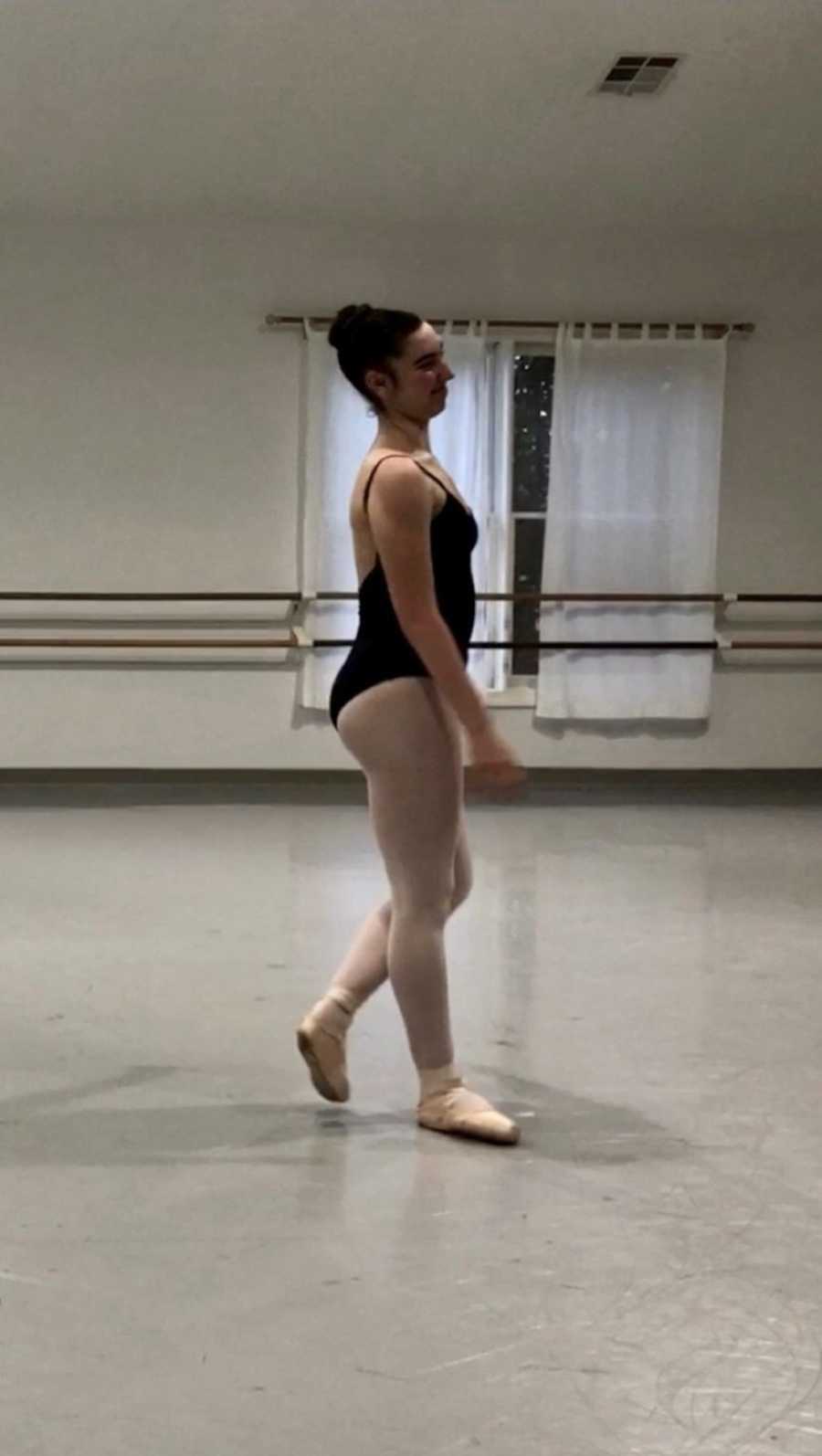
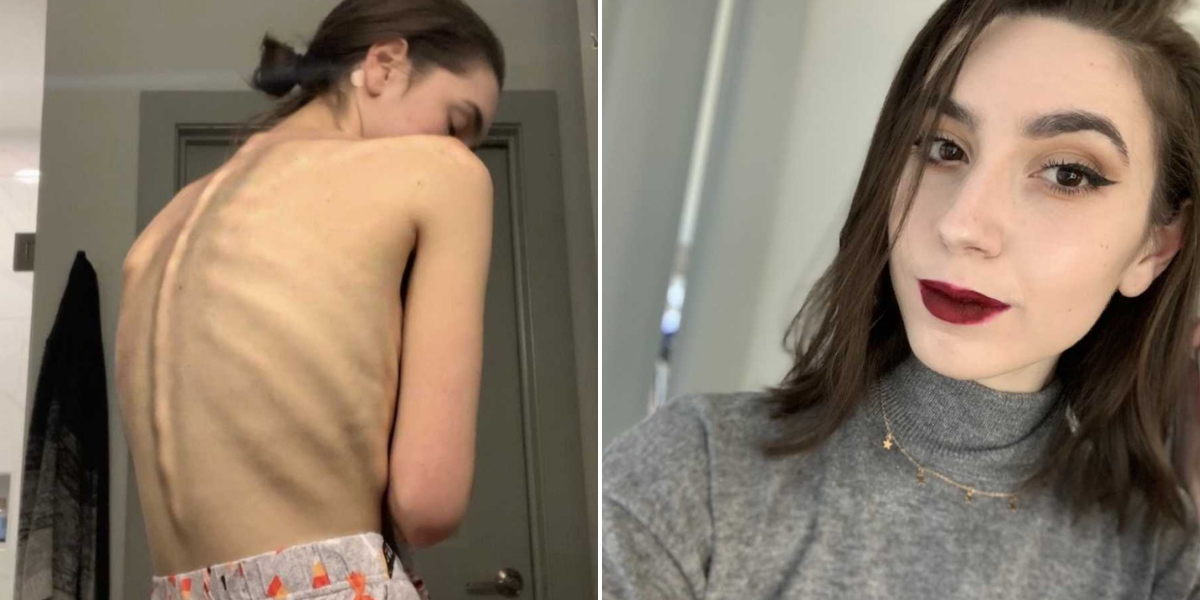
By 16, my symptoms worsened drastically. Despite my best efforts in training and limited eating due to nausea, I gained weight—not fat, but fluid retention caused by severe nerve inflammation. Loud, embarrassing belching became constant, and abdominal pain intensified. Tests, scopes, scans, and blood work offered no answers. Doctors grew impatient and sometimes cruel, labeling my symptoms as psychosomatic, anorexia, or constipation—none of which were true. Only my primary care physician stood firmly by my side, believing me when so many others had given up.
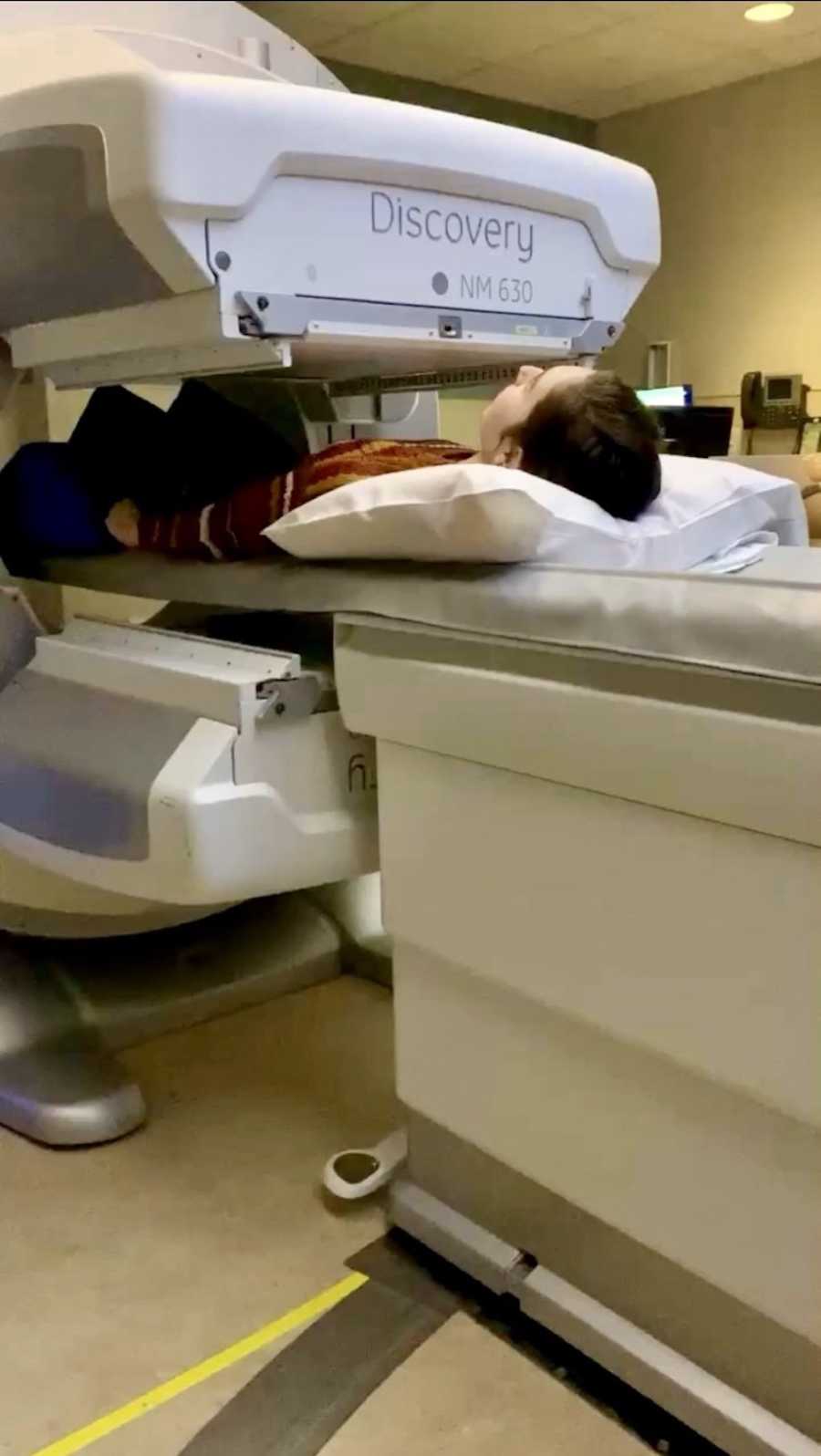
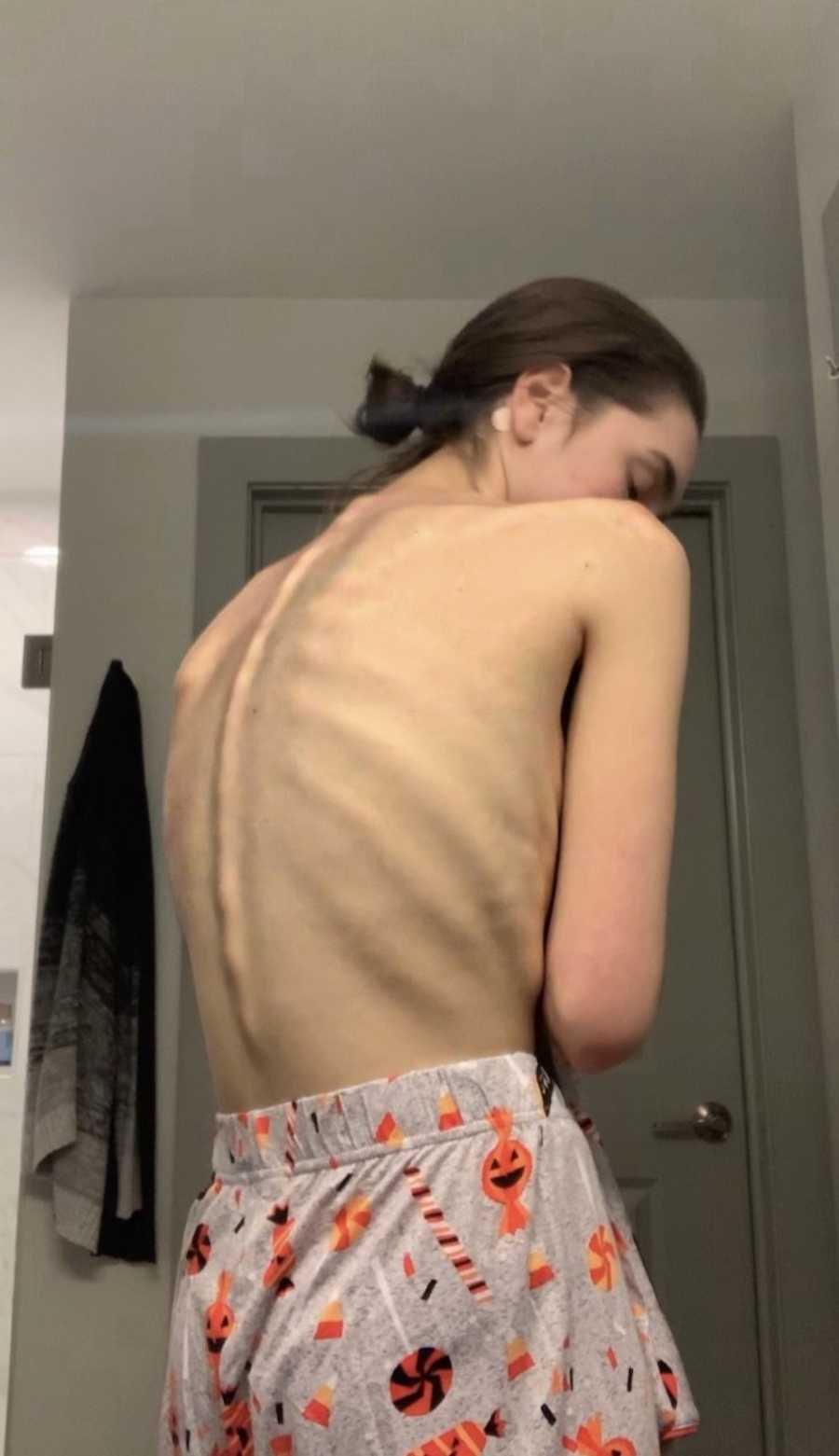
In 2018, after joining a ballet company as a trainee, my health deteriorated further. On the night of December 20th, after a day of Nutcracker performances, I ate something and experienced excruciating pain. It escalated to a 9.5/10 on the pain scale, leaving me unable to move, breathe, or speak. In sheer terror, I whispered for my mom’s help. Though the pain subsided slightly, it lingered relentlessly, culminating months later in tachycardia, fainting spells, and severe muscle fatigue. I had to withdraw from my schedule, fearing my body was at its limit.
The breakthrough began months earlier, in October 2018. My mom and I watched an episode of Grey’s Anatomy featuring a woman with normal tests but unbearable abdominal pain, ultimately diagnosed with MALS after demonstrating her symptoms while eating. My mom and I exchanged cautious, hopeful glances. Could this be me? Still, MALS was virtually unknown, and my struggle continued for another year of misdiagnosis and disbelief.
October 2019 marked a turning point. My mother spoke to a family friend, explaining my declining health and our frustration with the medical system. This friend took initiative, contacting the best MALS surgeon in the field, Dr. Hsu in Connecticut, and secured a consultation for me—on my birthday. Meeting Dr. Hsu on October 19th, 2019, I finally received an accurate diagnosis: MALS. My family and I celebrated quietly in the exam room, tears streaming as we discussed the path forward.
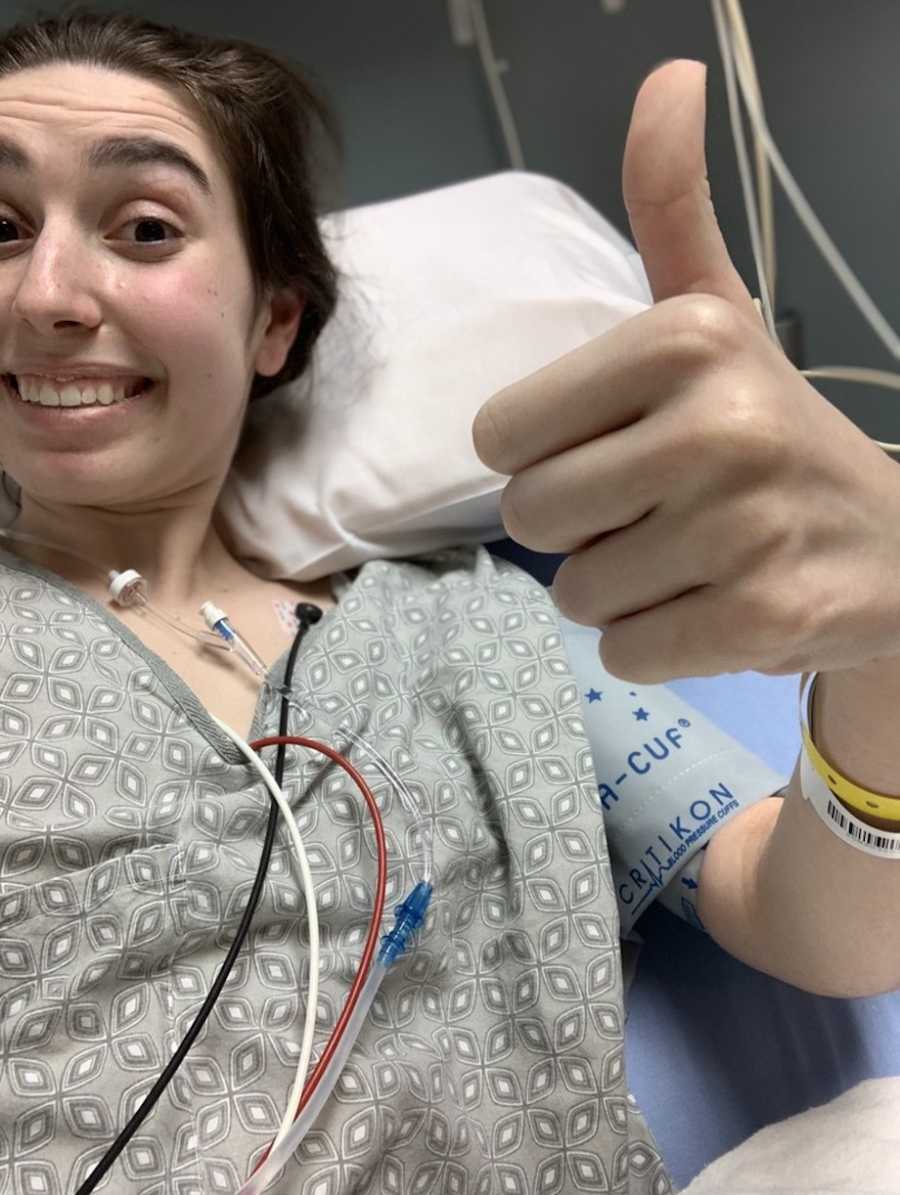
Before surgery, a Celiac Plexus Nerve Block was required. The first attempt failed catastrophically due to an adverse reaction to the contrast dye, leading to a near-life-threatening event involving an emergency code, panicked medical staff, and ICU-level care. By grace and skilled intervention, I stabilized. Three days later, with sedation and a different contrast agent, the procedure succeeded. I could eat, move, breathe, and stretch for the first time without pain or nausea. After decades of suffering, I experienced pure, unfiltered relief—and indulged in foods I had only dreamed of eating.
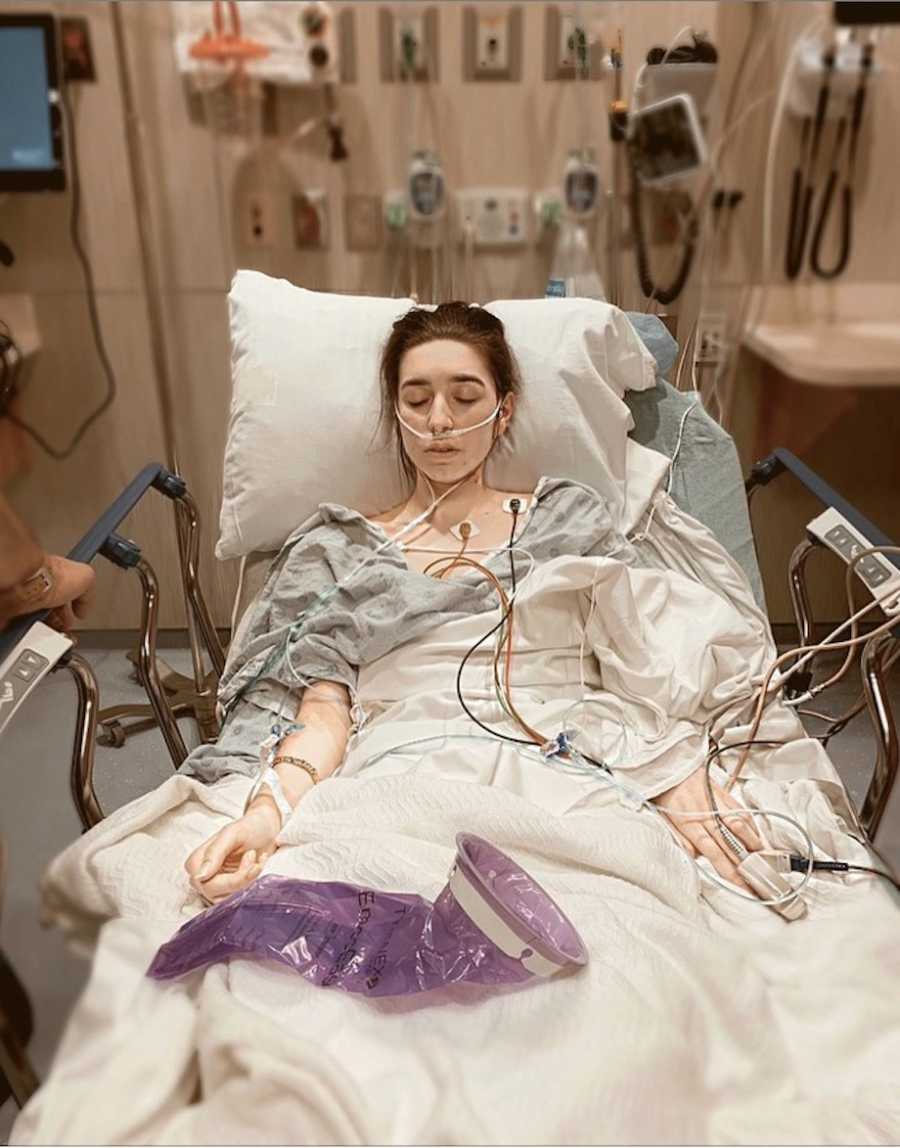
Surgery was scheduled for January 2020, with the date miraculously moved up due to a cancellation. I knew I was about to reclaim a piece of my life that MALS had stolen for nearly two decades. Now, as I reflect on this journey, I hope my story serves as a beacon for anyone dismissed, disbelieved, or suffering in silence. If more than one GI specialist has failed you, if your tests always return normal, research MALS. And to medical professionals: stay curious, stay open to rare diagnoses—it could save a life.