My eating disorder journey began in March of this year, but the seeds had been planted long before. Ever since I was a child, I struggled with confidence and body image. I rarely believed I was beautiful, and I often let my appearance dictate my sense of worth. Between January and March, I battled a severe case of mononucleosis and was prescribed Prednisone, a steroid meant to fight the virus. While it helped my illness, one of the side effects—weight gain—became the spark that ignited my anorexia.
In March, I stopped taking the medication, tossing the remaining pills into the trash. My weight was at its highest point, and so was my insecurity. Looking in the mirror, I felt nothing but disgust. I hated my body. Determined to take control, I threw myself into exercise, going to the gym every day, sometimes twice if I wasn’t satisfied. I changed my diet, eating what I convinced myself were healthier choices, yet the mirror offered no comfort. The numbers on the scale became my obsession; I weighed myself after every workout, shower, meal, snack, and even minor daily activities.
My restriction escalated quickly. I cut out everything I deemed “unnecessary,” leaving only raw vegetables and meat. It got to the point where I wouldn’t even use chapstick, terrified I might lick it and accidentally ingest calories. Eventually, my gym sessions slowed, then stopped altogether as my energy drained completely. Without exercise, I felt I couldn’t eat. Family meals became a source of guilt—I’d take a few bites and stop, haunted by shame for hours afterward.
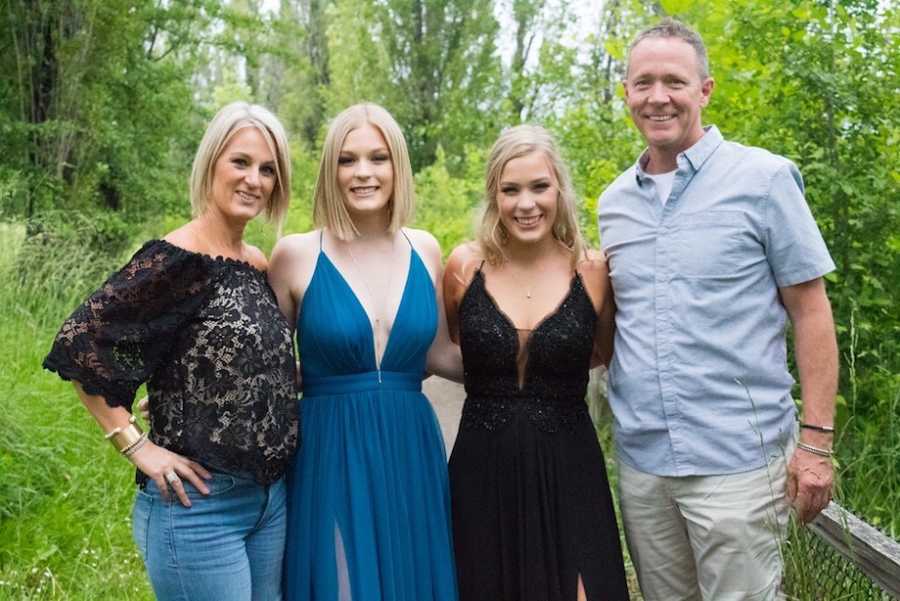
Amid the chaos of my disorder, life still moved forward. I was accepted into Eastern Washington University, attended prom, and graduated from high school. I remember those milestones clearly. But any ordinary days between April and early July are blank in my memory. It’s terrifying to hear friends and family recount events I can’t remember at all, as though parts of my life simply vanished.

On July 31st, I was admitted into a residential treatment program at Eating Recovery Center (ERC) in Bellevue, Washington. My bloodwork was alarming: my heart rate had dropped to 30, I was severely underweight, and my energy was nearly nonexistent—I felt like a zombie. I knew I needed help and initially agreed to treatment, though fear soon crept in, and I wavered.
The facility’s eighth floor was locked, doors alarmed, and I was surrounded by strangers—other patients and staff. In the days before my admission, my identical twin, Macee, had made me a blanket to bring comfort. Sadly, staff rules didn’t allow it, or most personal items, to ensure safety. All I could bring were comfortable clothes, letters and pictures without envelopes, a deck of cards, and regulated hygiene items.
After my first full day, I was desperate to go home. Still on Red level—the most restrictive stage—I couldn’t enter my room. I sat on the hallway floor, crying to my mom on the phone, pleading to come home. A fellow patient approached and handed me a scrap of paper with the words, “You can do this.” I read it and sobbed. That little note still sits with me today.
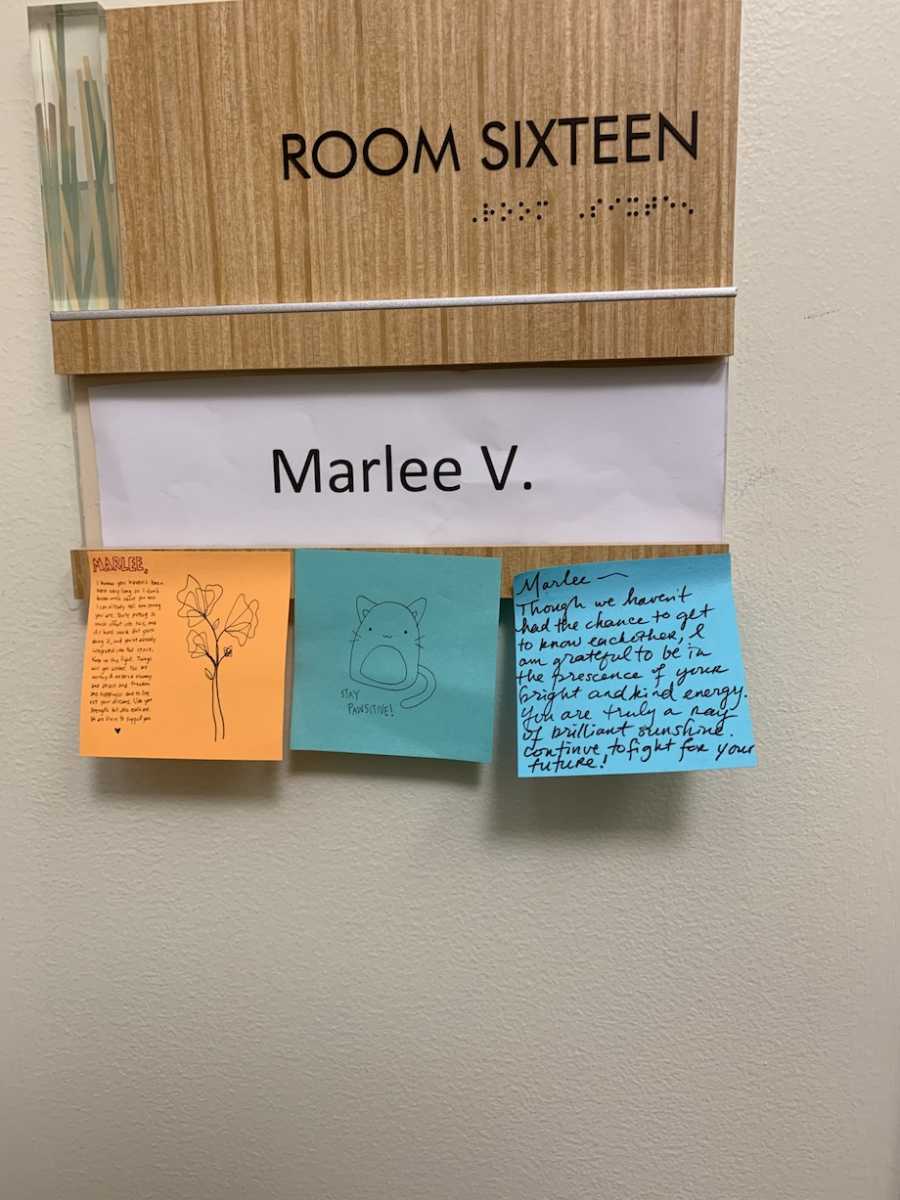
Four days later, my first family visit arrived. The hour was spent pleading to go home, while my parents simply told me they loved me and were proud. That consistency, love, and reassurance began to slowly seep in, reminding me that recovery was possible.
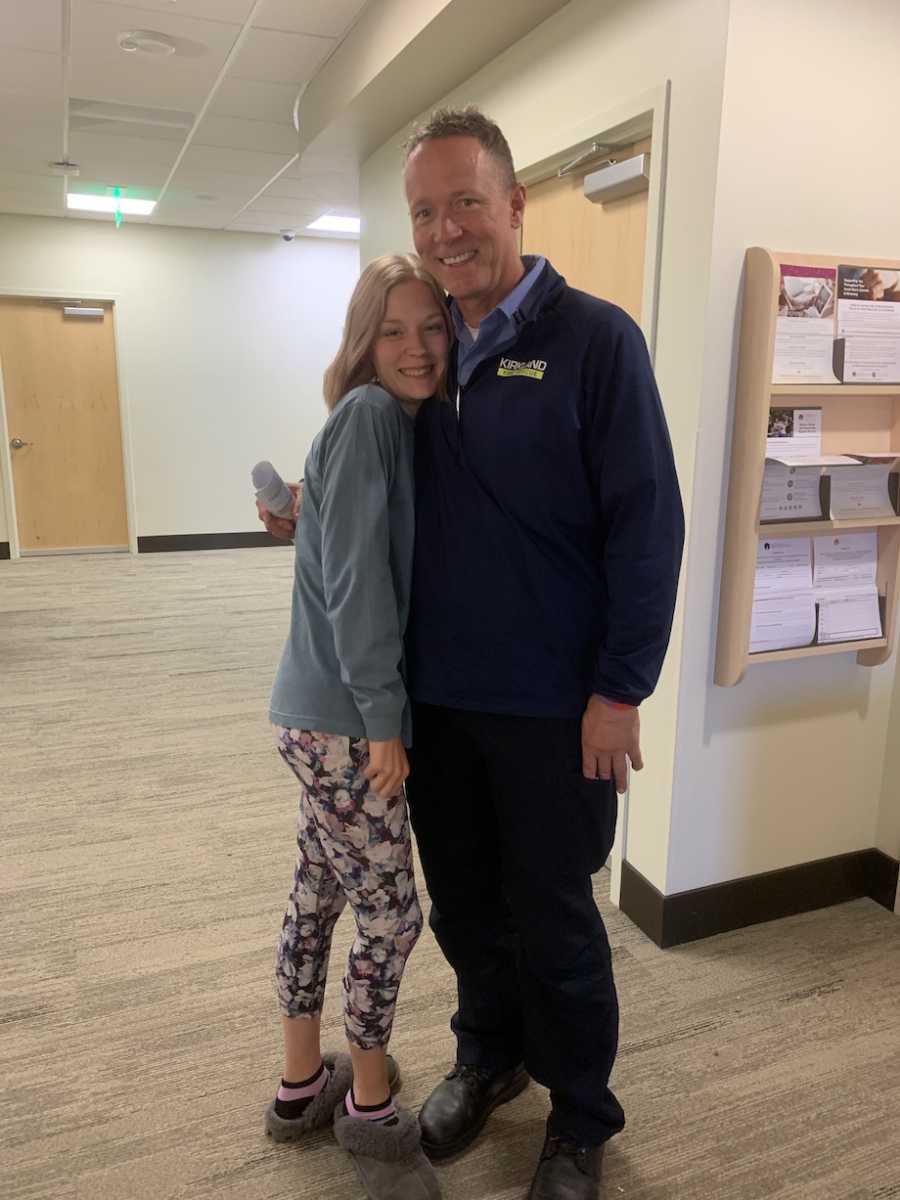
Residential treatment had three levels: Red, Yellow, and Green. Everyone started on Red—locked doors, limited phone use, and strict routines. Yellow offered small freedoms: brief room access, phone use, and short family outings. Green allowed nearly full autonomy within the facility while maintaining safety protocols. Meals were structured and intense, and it was easy to lose a sense of self in the regimented treatment, feeling like a patient rather than a person.
I spent three weeks in residential care before transitioning to Partial Hospitalization Program (PHP), attending daily from 7 a.m. to 6 p.m. for several weeks. I then moved to Intensive Outpatient Program (IOP), going three hours a day, three days a week, until I began college. Each step forward was challenging, but each step was progress.
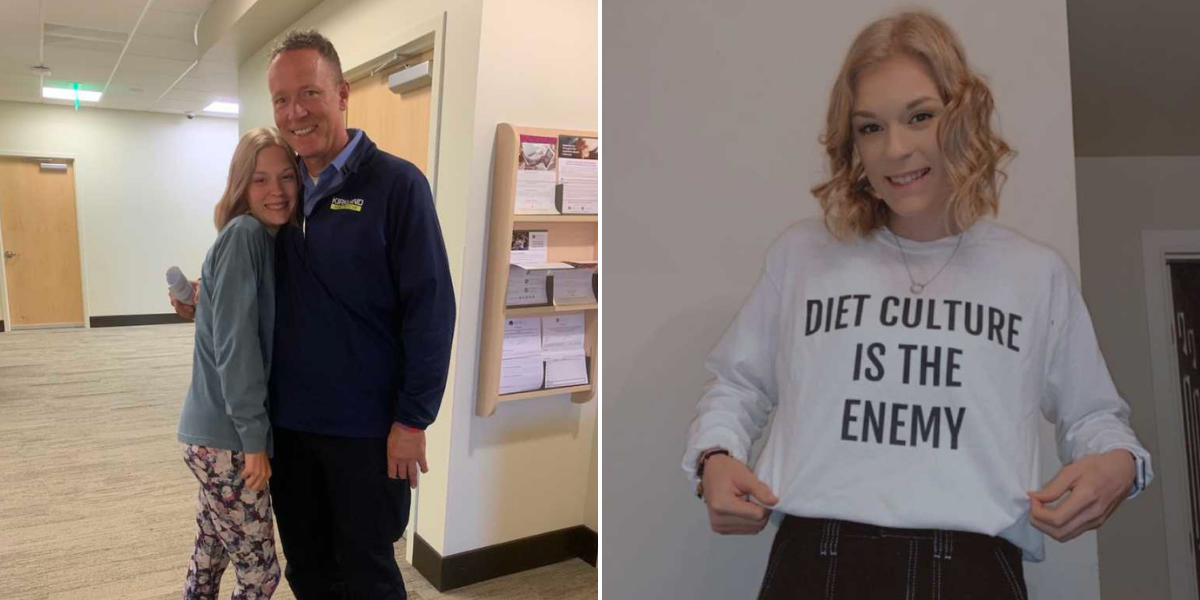
Now, nearly a year into my journey, I am still in recovery. I know this is a lifelong process. There have been setbacks, but I’ve learned from them, rebuilt myself, and grown stronger. I am focusing on my education and spreading awareness about eating disorders whenever I can. I am proud of the progress I’ve made, the resilience I’ve discovered, and I step into the new year with confidence in my recovery and hope for the future.