I shifted my weight in the oversized office chair, my eyes tracing the candid family photos hanging sparsely on the wall. I had been here before—five times, to be exact. Five separate visits, five moments sitting in the same chair, studying the same family photos, expecting a routine appointment. This visit was supposed to be ordinary, like all the others: discussing genetics, insurance, and everything in between. Usually, these conversations were handled by the nurse practitioner, so I was surprised when Dr. Chan walked through the door. She greeted me with her familiar warmth: a wide smile, a big hug, and a few casual words about life and the kids. After seven years of appointments, she had become more of a friend than a doctor.
But the warmth didn’t last long. Her expression deepened as she opened my file and lifted the ultrasound images. My heart sank, and a dark familiar fear washed over me, heavier this time. Her voice faded into the background as my gaze locked on the precious ultrasound photo in her hands. And then the words hit me like a punch: “I’m so sorry, Rachel, but this condition is not compatible with life…”
I sank deep into the chair, asking her to repeat herself, desperate for a mistake, for some way this wasn’t true. I was waiting for her to say, “This is how we fix it…,” but she never did. My body burned with panic. My cheeks flushed crimson, my heart pounding like it would burst from my chest. I didn’t believe her. I couldn’t believe it.
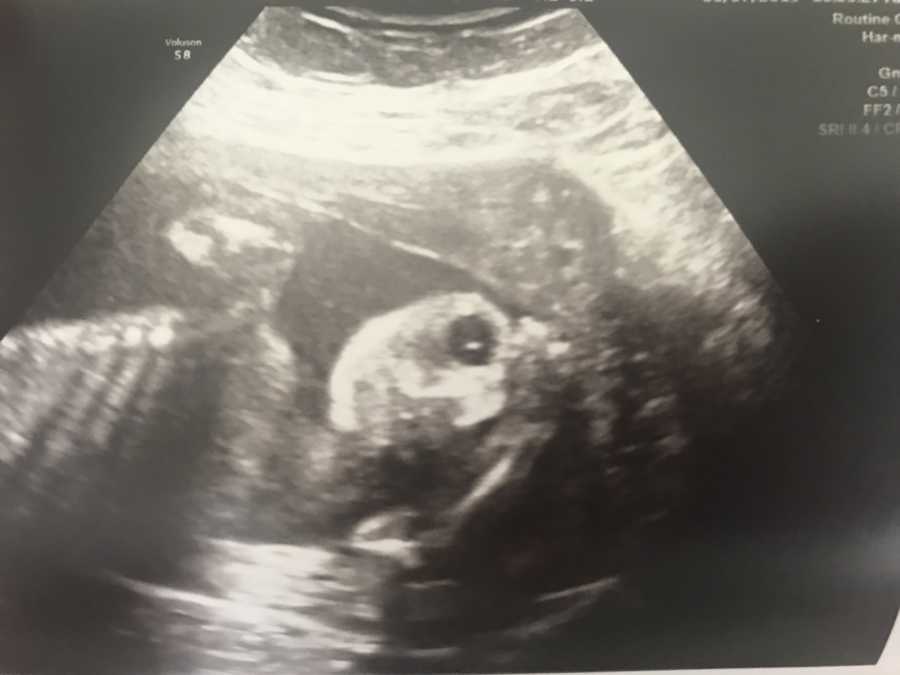
She held my hand, apologizing over and over, as tears filled my eyes. I pulled out my phone, shaking, and called my husband, Jared, who was at home with our two boys. This was supposed to be a routine appointment, not a conversation about our baby not surviving.
“Hey, babe…?” Jared said hesitantly, knowing I was in the middle of an appointment.
I couldn’t speak. His voice broke me. I began to weep, the reality crushing me. How could I tell my best friend, my partner, that our sweet baby wouldn’t live?
“Jared…” I cried, wishing he was there to hold me, wishing I didn’t have to make this call. Words failed me. I tried, I really did, but nothing came.
“Hi Jared, it’s Dr. Chan…” the doctor said gently, sliding the phone across the table to give him the news. He responded quietly, his sorrow barely contained, as I sat alone, devastated and aching, wishing he could be there to comfort me.
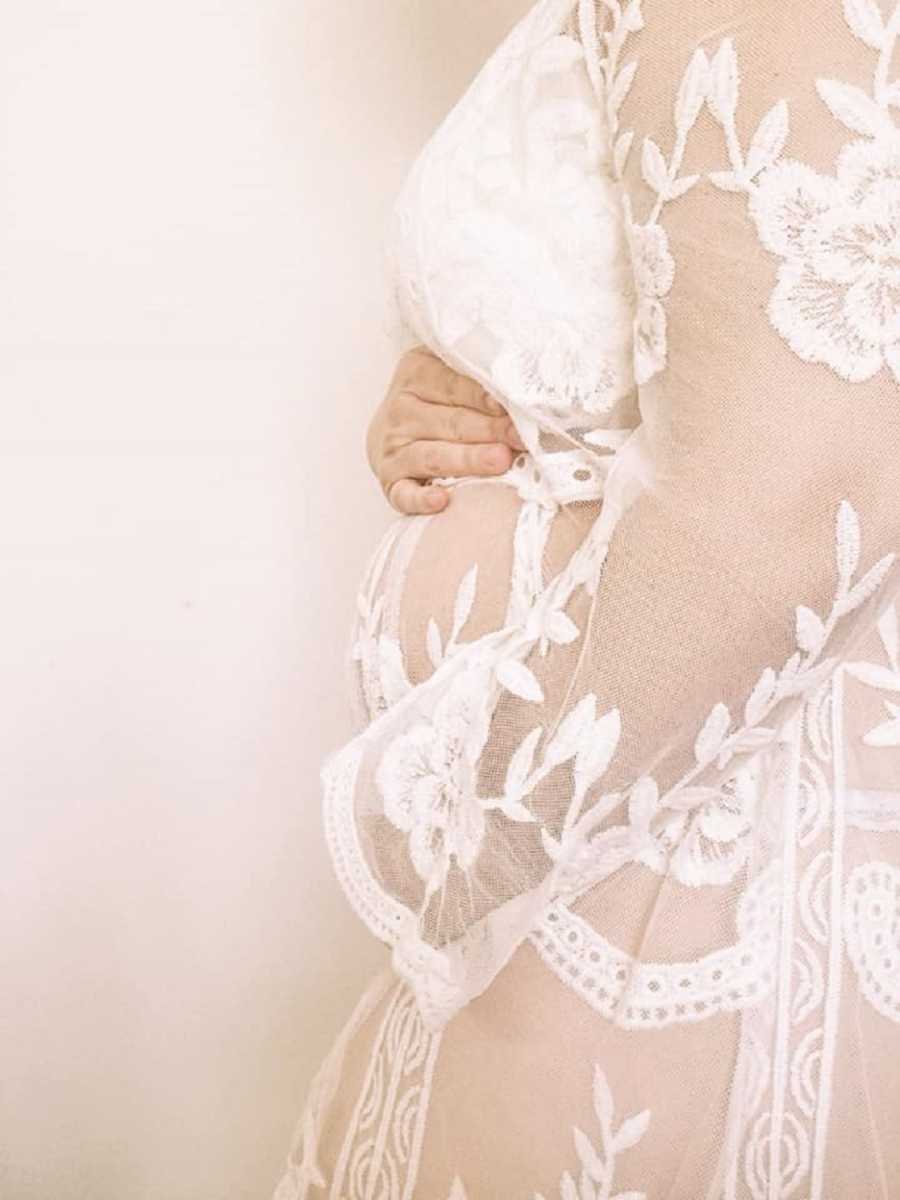
The next twenty-four hours dragged on as we waited to see our specialist. Finally, we were able to see the same high-risk doctor who had cared for us through our previous pregnancies. The ultrasound was performed in the quietest room I’d ever been in. No one spoke; the silence was heavy. I noticed the technician measuring something on the screen and asked what it was. “The heartbeat,” she said softly. “…Do you want to hear it?” Her hesitation told me she was trying to protect us. When the steady thump, thump, thump echoed through the speakers, I sobbed, pressing my hand to my heart, sure it would stop. She gently squeezed my leg and offered what support she could before excusing herself to let the doctor in. Jared held my shaking hands as I sat on the bed, the quiet stretching endlessly until she arrived.
From the moment she stepped in, we knew the news would be bad. We tried to start the conversation lightly, but it was only an attempt to delay the inevitable. She confirmed what we had feared: our sweet baby had Acrania/Anencephaly, a neural tube defect where the cranium doesn’t fully form, leaving the brain exposed to amniotic fluid.
Over the next few hours, we cried and asked every question imaginable. Our options were devastating:
- Terminate the pregnancy.
- Carry the baby to full term, deliver, spend very little time with her, then hold a funeral and burial.
Even typing those words now feels impossible. There would be no nursery to decorate, no clothes to wash, no car seat to prepare. We would leave the hospital with empty arms and heavy hearts.
But we were not alone. Women who had endured similar losses surrounded us with love, prayers, and stories. With their support, we chose to carry our baby until God called her home, until we could place her into the arms of Christ. What an incredible, sacred journey it was—to feel her safely nestled in my womb, to hear her heartbeat, sway with her, read to her, sing to her, and watch her rest peacefully before entering eternal life.
At thirteen weeks, we decided to do a blood draw to learn the baby’s gender in case she went home before we could see her again. The staff at our doctor’s office decorated a beautiful envelope with confetti, giving us the gift of opening it privately. We waited a couple of days, prolonging both our anticipation and heartache.
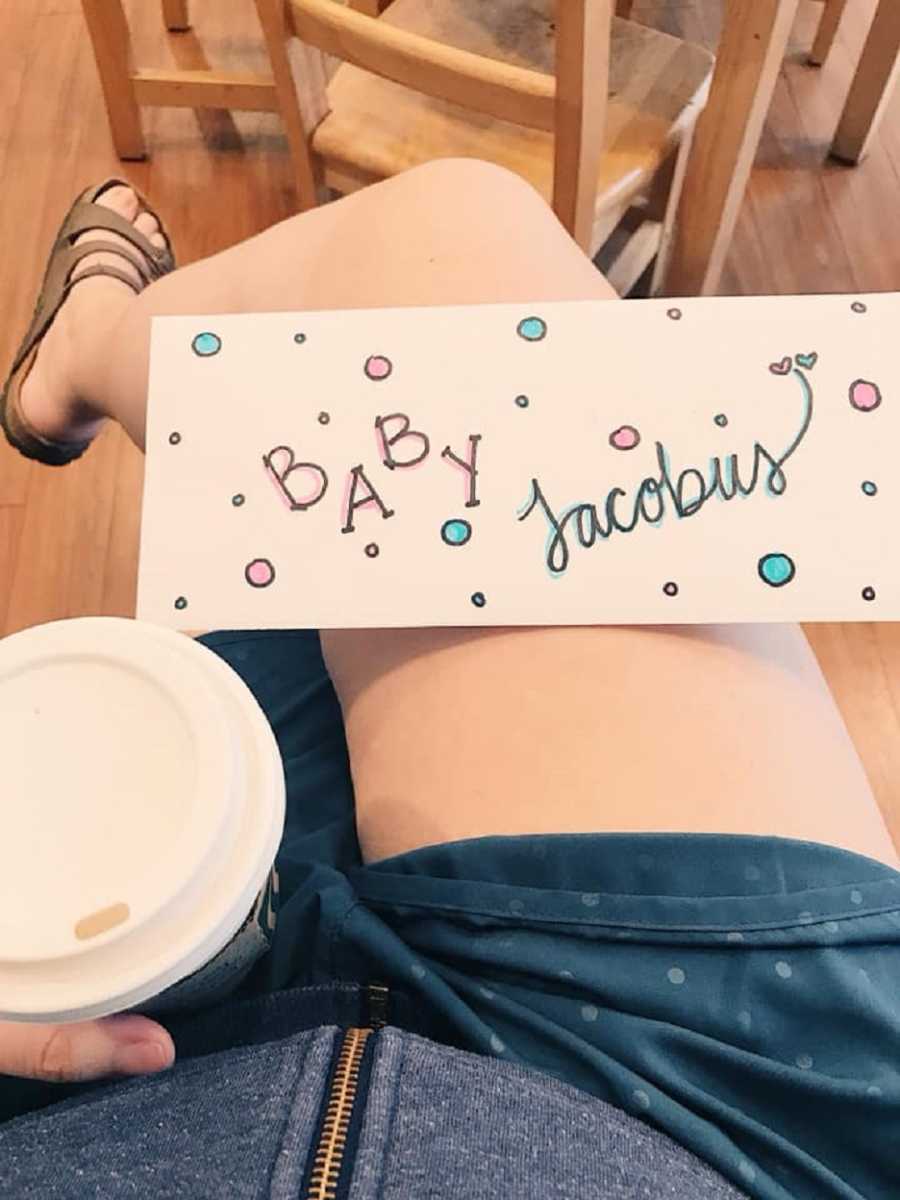
Jared wrote a letter after we opened it:
“I’ve always wanted a girl. I have watched fathers walk their daughters down the aisle and dreamed of that myself. Even before we were ready for children, I knew I wanted a daughter. Our pregnancies have never been easy—miscarriages, abnormal development, erratic heart rates—but I never imagined something like this. A reality where there is no hope for intervention, no chance for a miracle. And yet, we wanted to share the gender in a special moment, just the three of us. The confetti fell, pink letters proclaiming, ‘It’s a Girl!’ It was everything I wanted, just not in this way. Knowing she won’t come home is a knife in my heart. I know she will be with God soon, dancing in His presence, twirling in His hands. One day, I will see her again, hold her, tell her I love her, and all will be perfect. Because I have hope in the One who saves.”
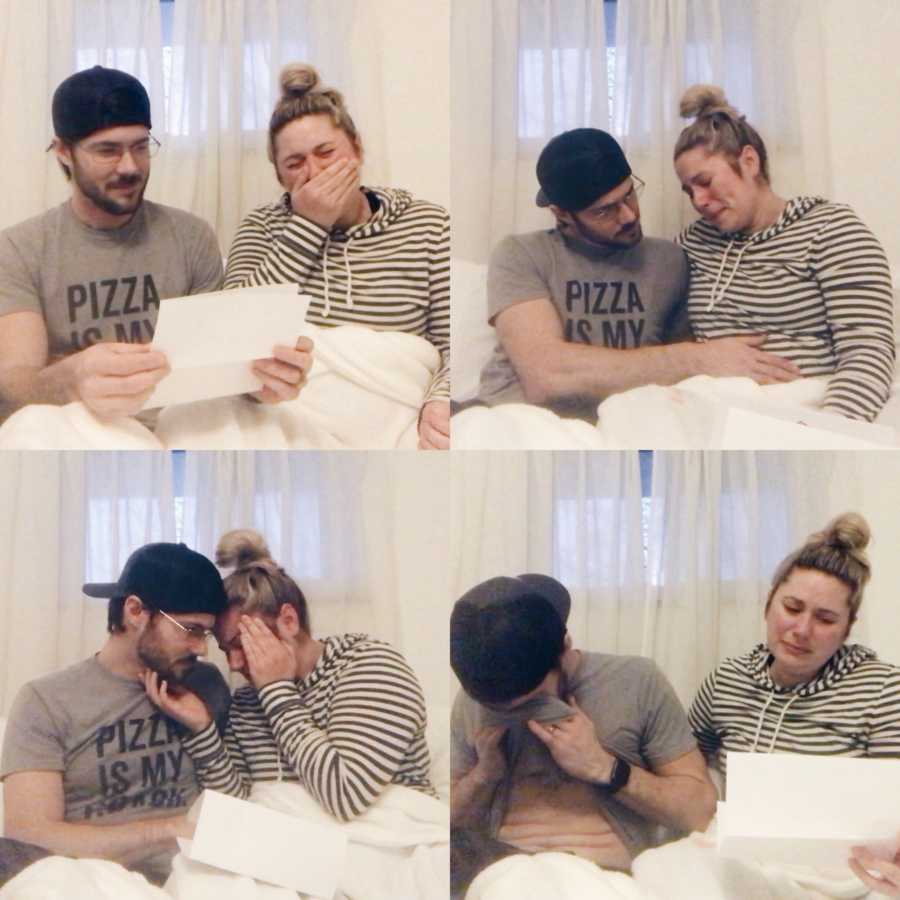
The months that followed were a blur. I battled anemia while caring for a six-month-old and a three-year-old. Jared sacrificed hours of work to stay home and help us through emotionally and physically. Every day, I prayed for strength—and God delivered. Friends, neighbors, and church communities came to our aid, helping around the house, gardening, bringing gifts, prayers, hugs, and words of encouragement. I never once felt alone.
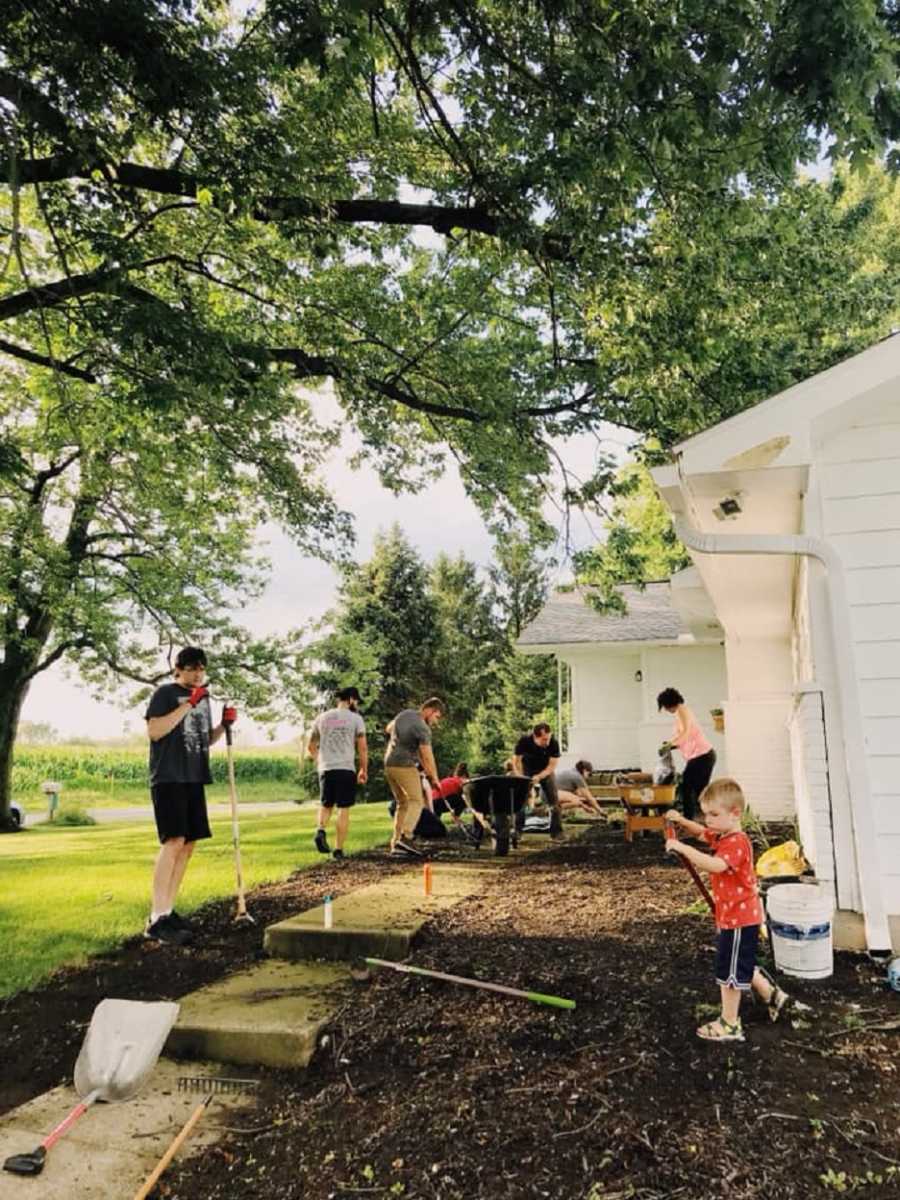
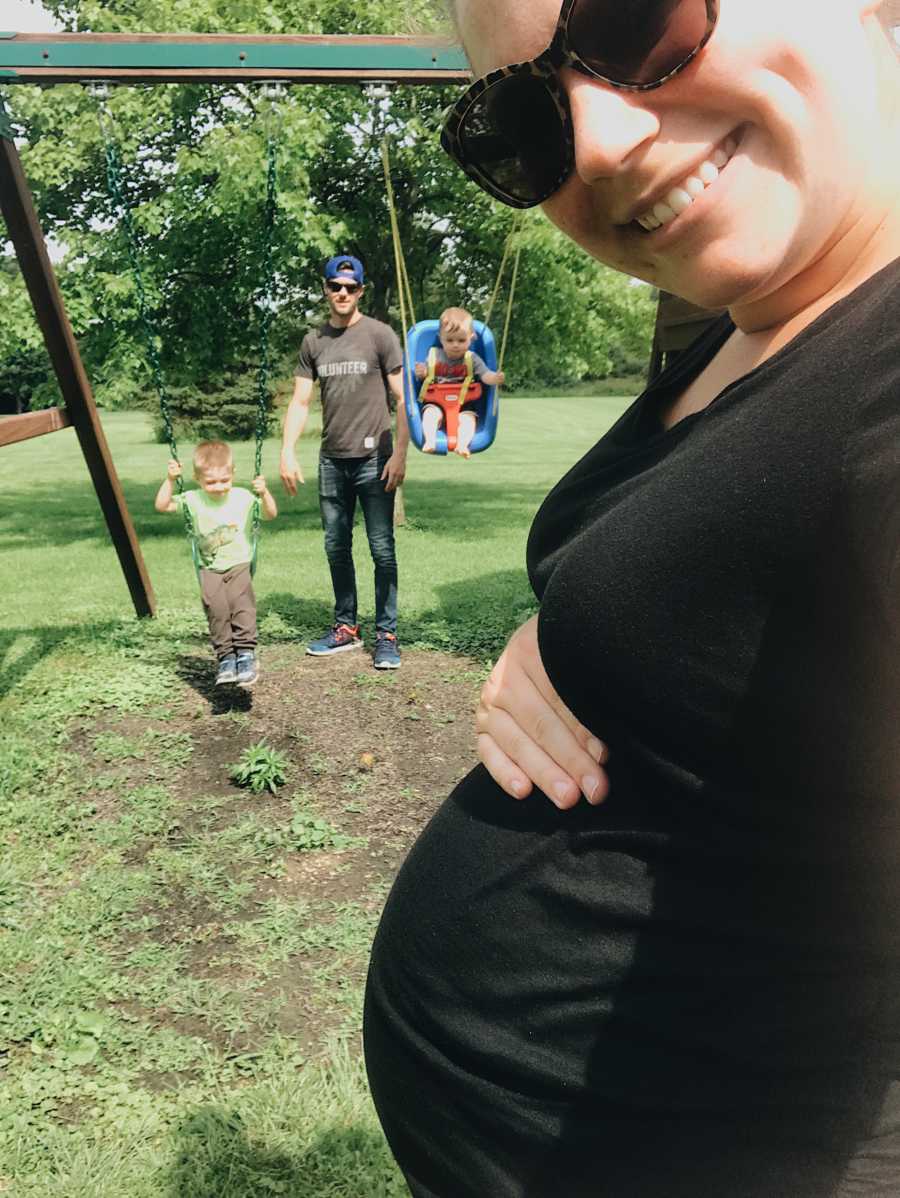
We wanted her name to reflect light and hope. Sunrises and sunsets reminded us of her. And so, we named her Clara Rose.
At thirty-one weeks, I developed Polyhydramnios. Clara’s condition prevented her from swallowing amniotic fluid, which began to accumulate, pressing on my lungs and ribs. By thirty-two weeks, I measured forty-one weeks. I could barely breathe or move. The specialist urged induction the following day to prevent life-threatening complications like placenta or cord prolapse.
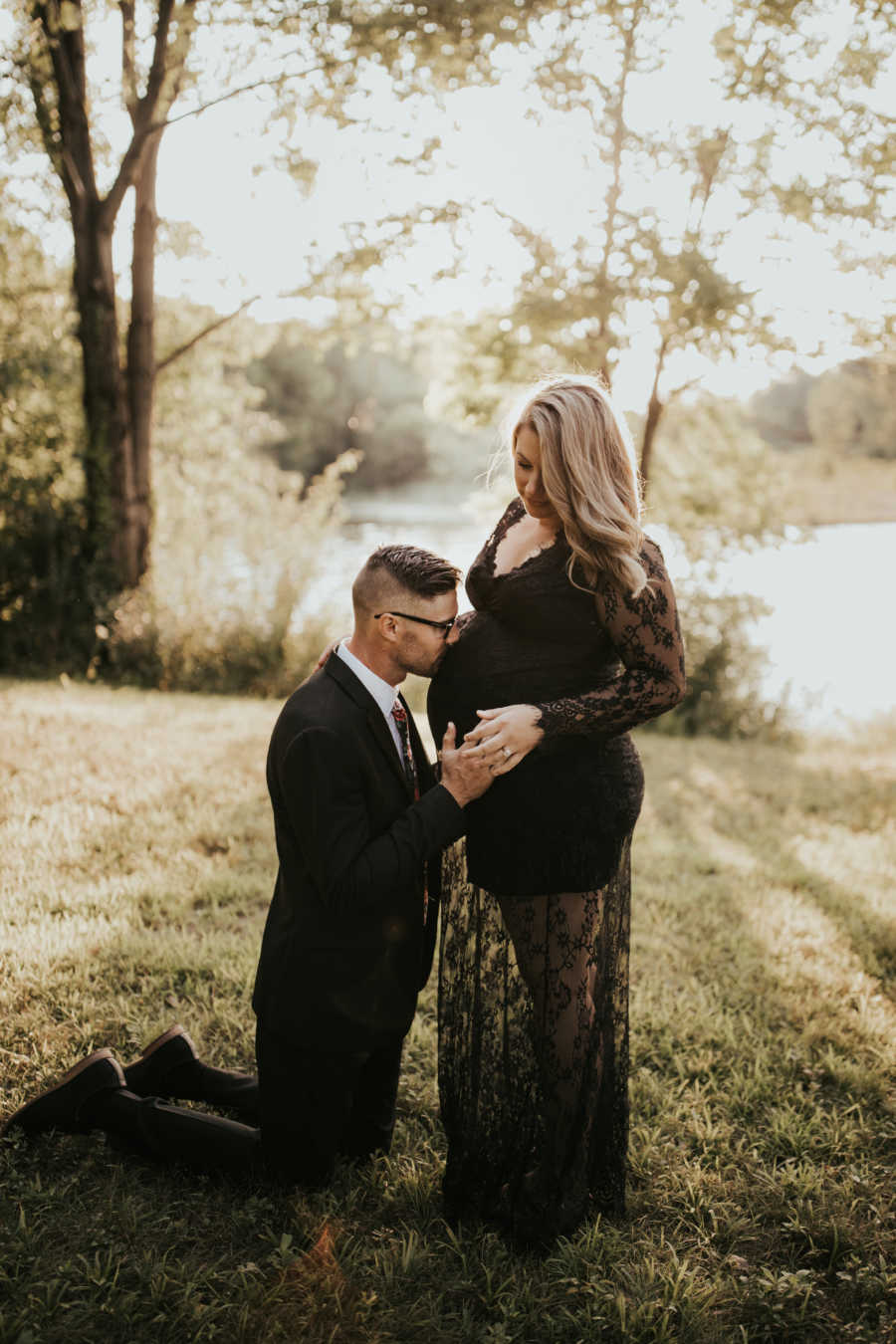
We prepared quickly: arranging sitters, packing bags, gathering keepsakes and prayers. The drive to the hospital was quiet, heavy with anticipation. The sunset painted the sky in shades of pink, orange, and blue, a bittersweet backdrop to our journey.

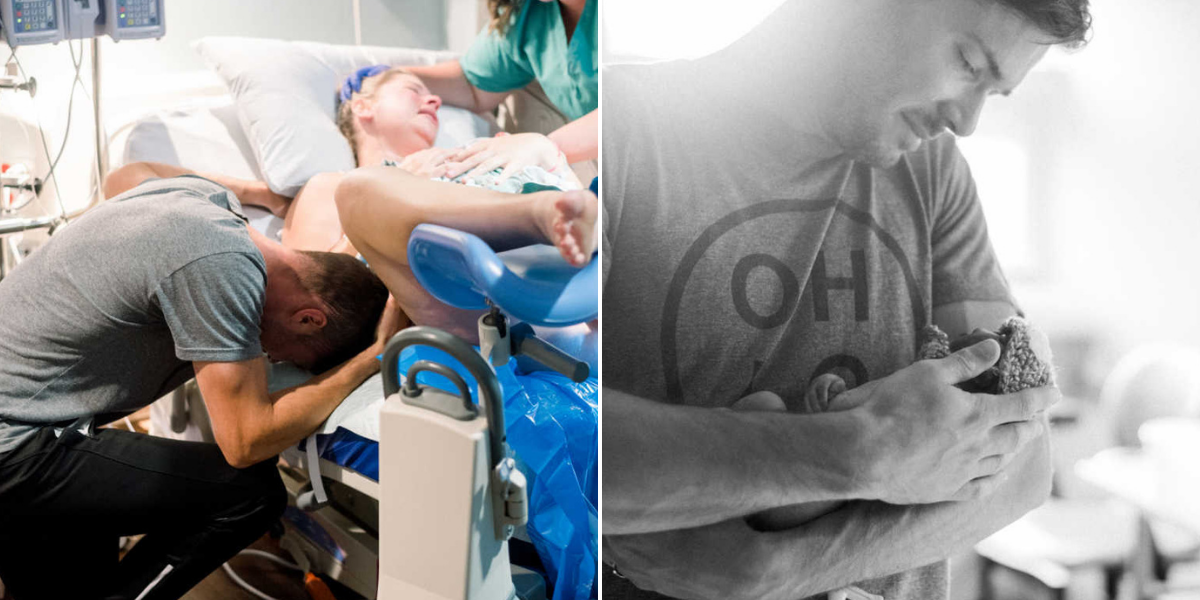
The induction began, and hours passed. Family members came to pray. I began transitioning without an epidural, panicking as contractions intensified. At nine centimeters, the nurse urgently called the doctor to start my epidural.
After twenty-one hours of labor and sixty minutes of pushing, the nurse helped deliver Clara. I remember her tiny body being placed on my chest—still, eyes open, curled up, not moving. I screamed, “She’s not moving! She’s not moving!”
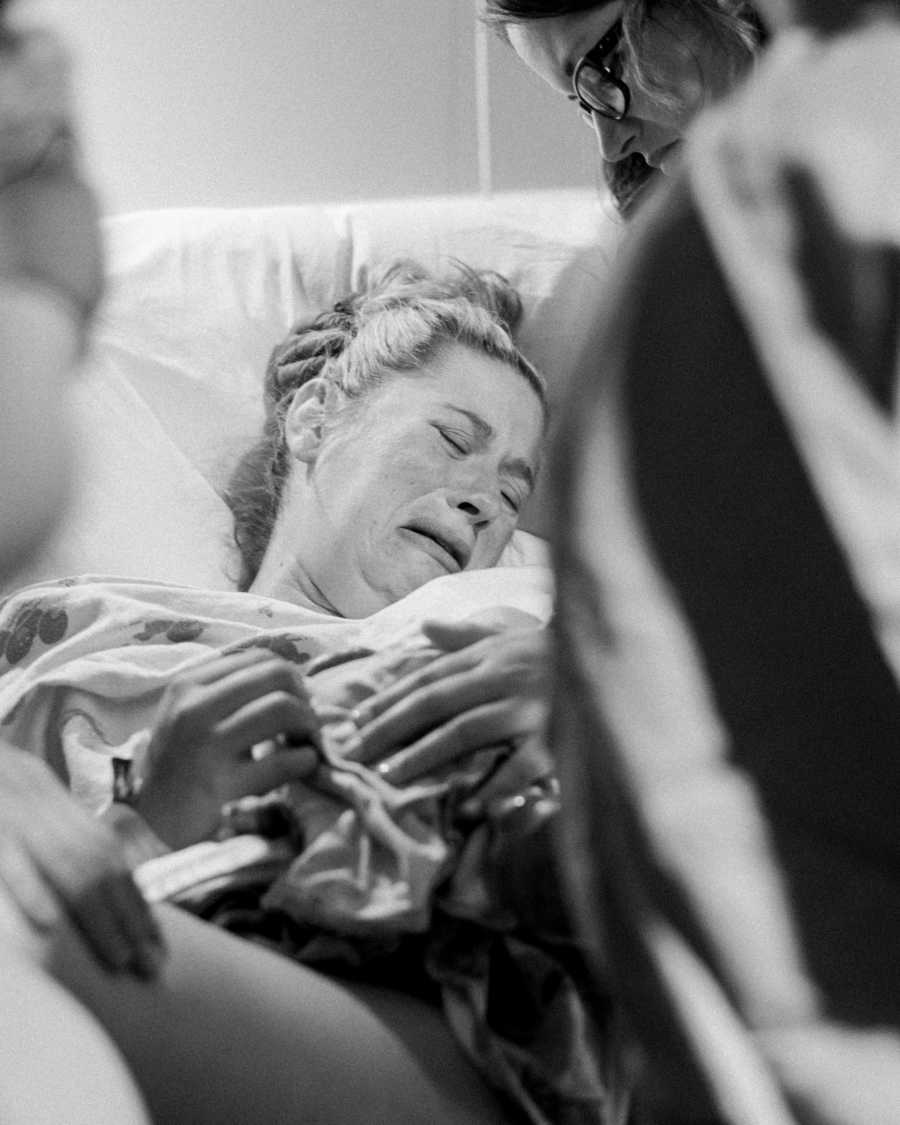
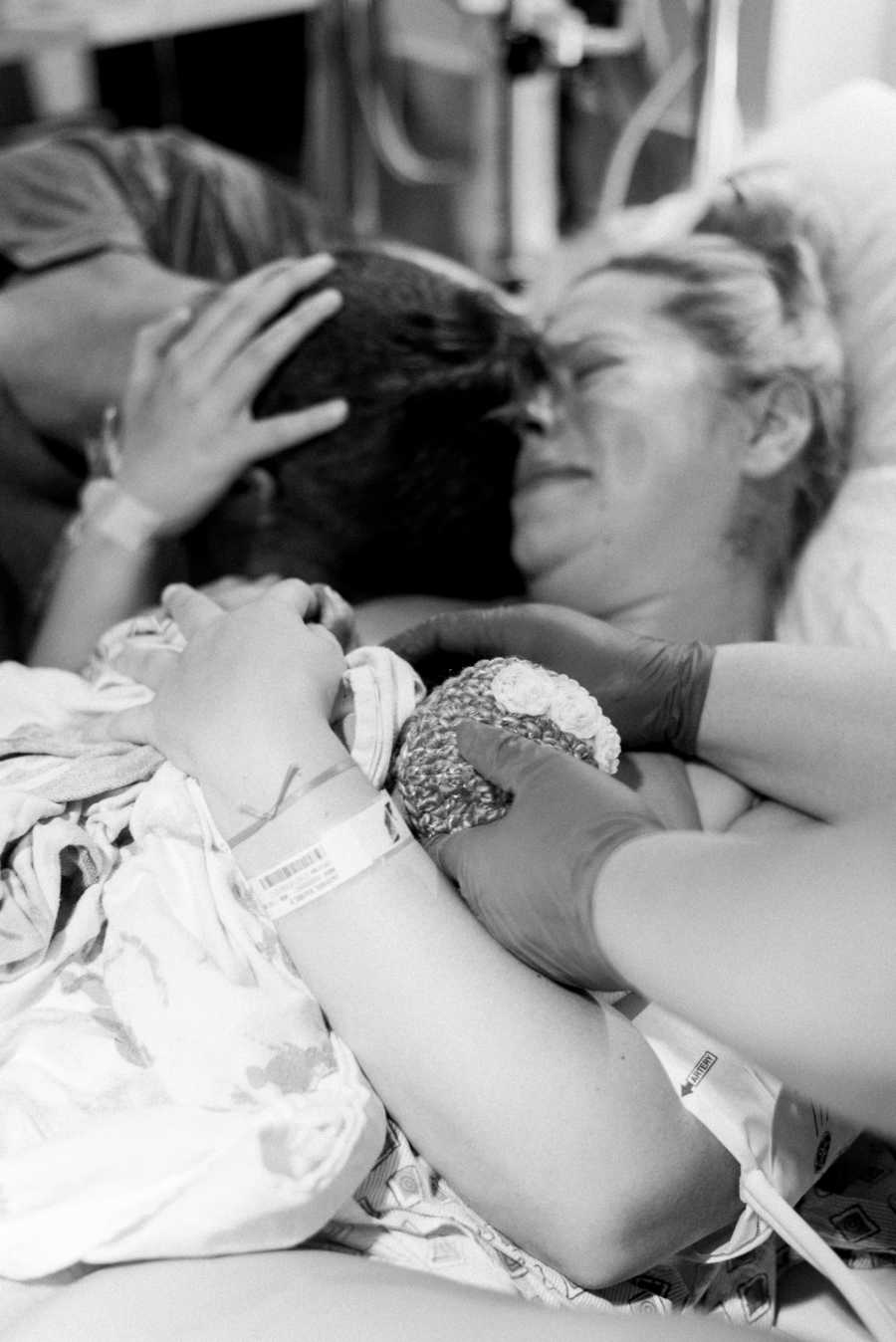
The room erupted with sobs. Jared collapsed to his knees, wailing in pain I had never seen before. I held Clara, desperate to comfort him, aching to shield him from heartbreak.
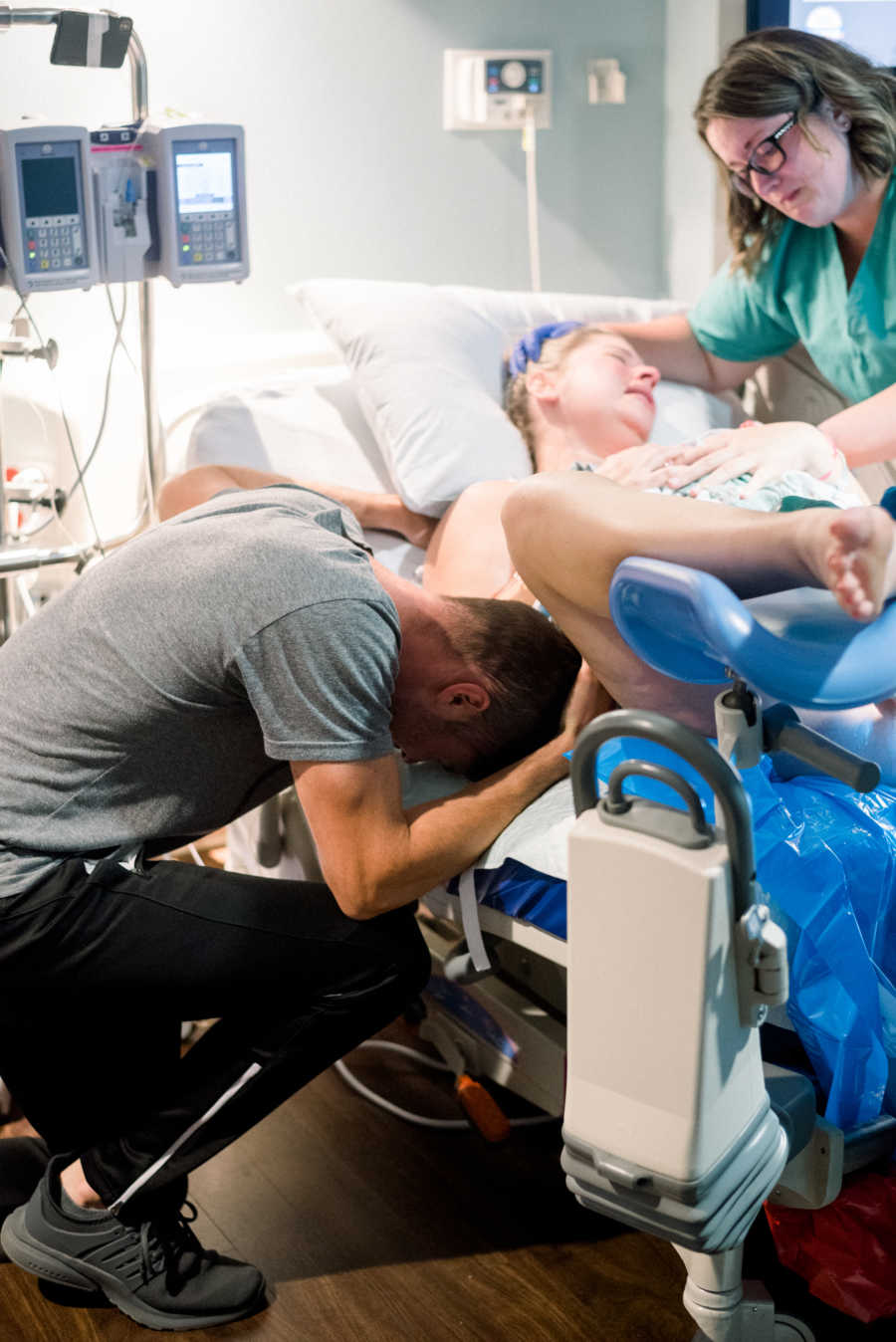
I studied her small body—long legs, tiny hands, delicate features. Her skin was purple, bruised, yet perfect in every way. I handed her to Jared. He cradled her, rocking and whispering, “I just love her so much.” The room was overtaken by grief. I envisioned Jesus near, placing His hands on Jared’s shoulders, whispering, “My power is made perfect, my grace is sufficient, she is safe in my arms.”
I gasped, my body sore from the most intense twenty-two-hour labor of my life. Tears blurred my vision as I pressed against her cold, lifeless body. I cried for more time, knowing our moments together had passed. Clara was finally whole, safe, free from pain, cradled in eternal love.
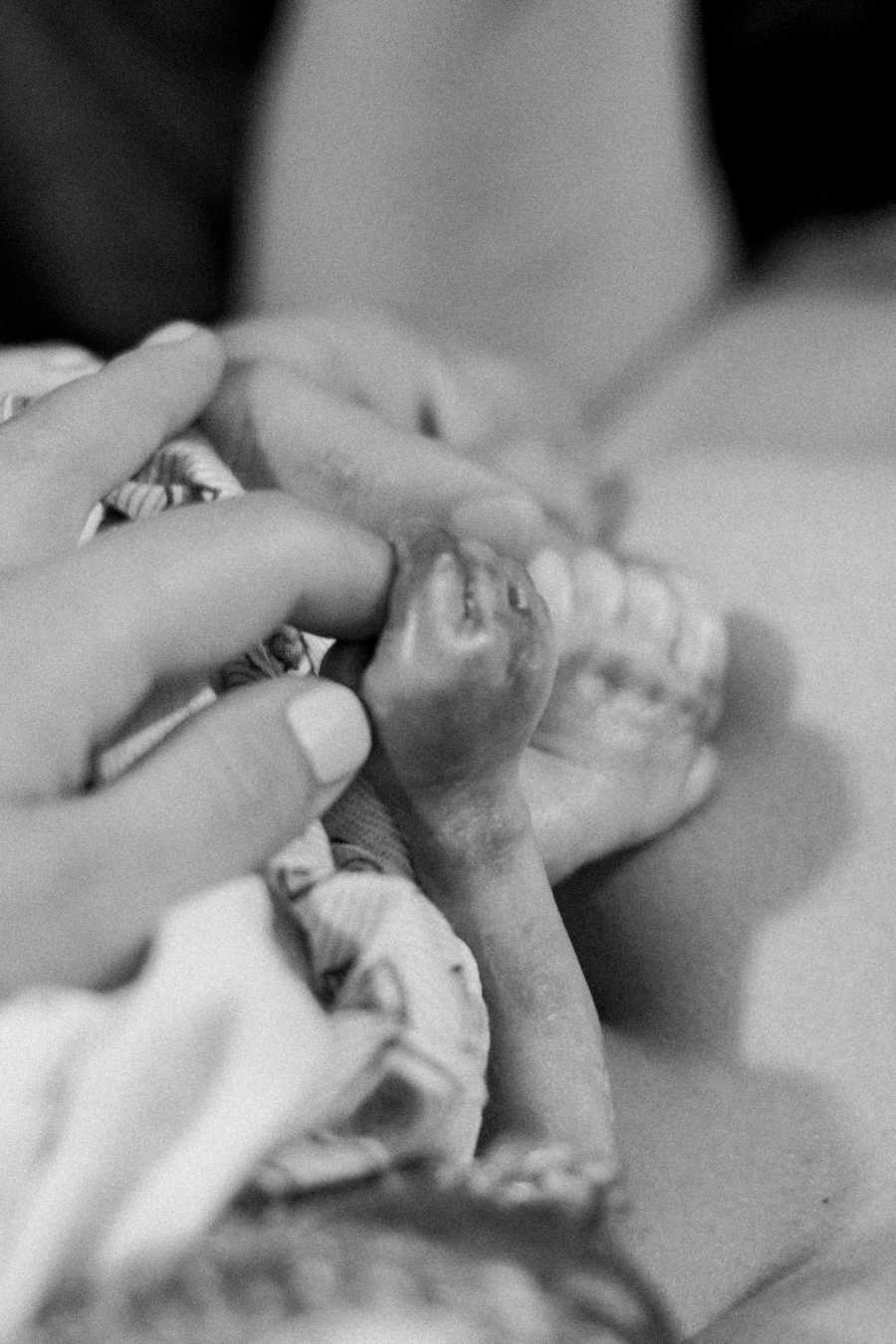
Jared lifted her gently. I kissed her forehead one last time, a final goodbye. Her rose-printed muslin blanket draped from his arms as he was escorted from the room. Her body in his hands, her soul in God’s.
Soft worship music played. I whispered, “You have a good, good father, my sweet girl. Yes, you do.”
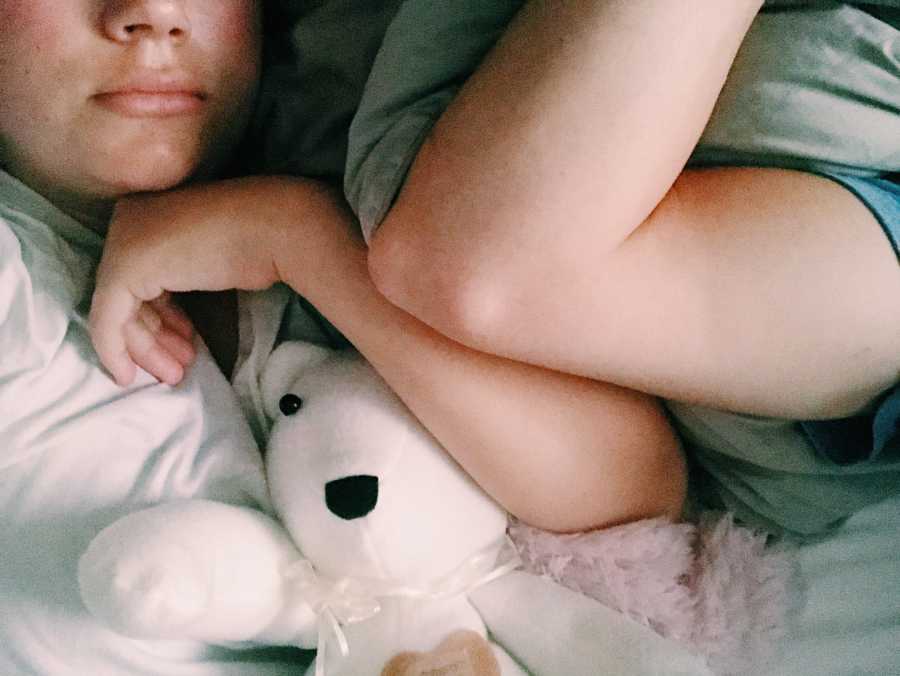
The nurses helped me into a wheelchair, holding my comfort bear. Each turn reminded me she was gone. The drive home was unbearable. I panicked. Jared held me, suggesting a hotel, giving us a moment to breathe.