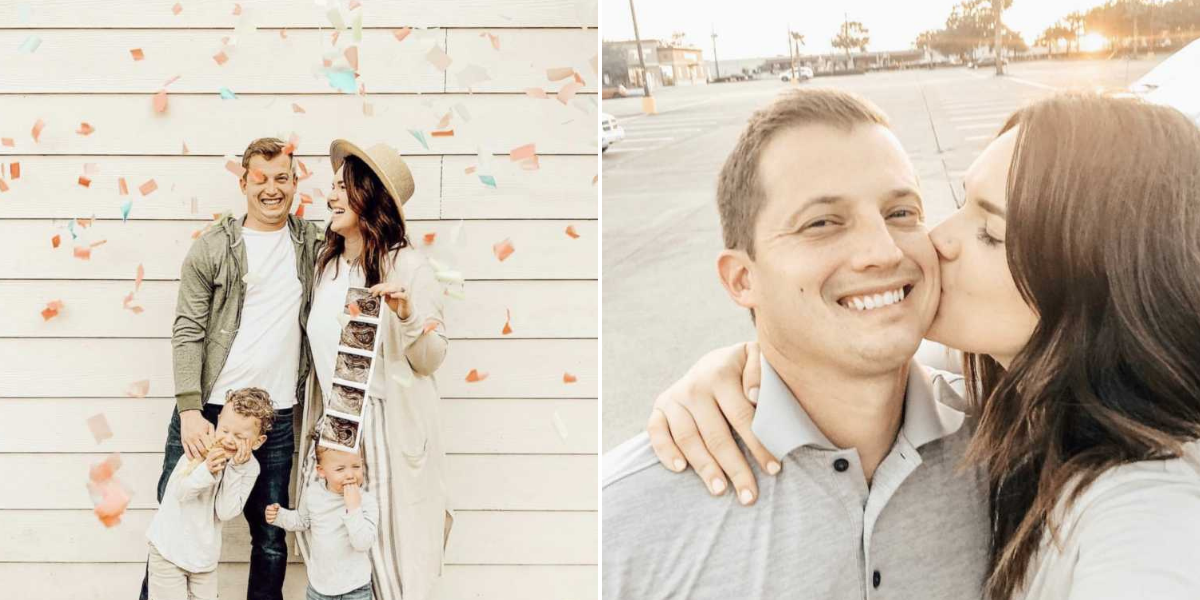
“Tick-tock, tick-tock.” I glanced down at the pregnancy test, my heart hammering in my chest. I was anxious, nervous, and yet buzzing with anticipation. Could this be it? Our third pregnancy, our third baby? With our first two, it had always seemed effortless—so easy that we joked my husband only needed to look at me and I’d get pregnant. I could hardly contain the excitement at the thought that it might happen just as easily this time.
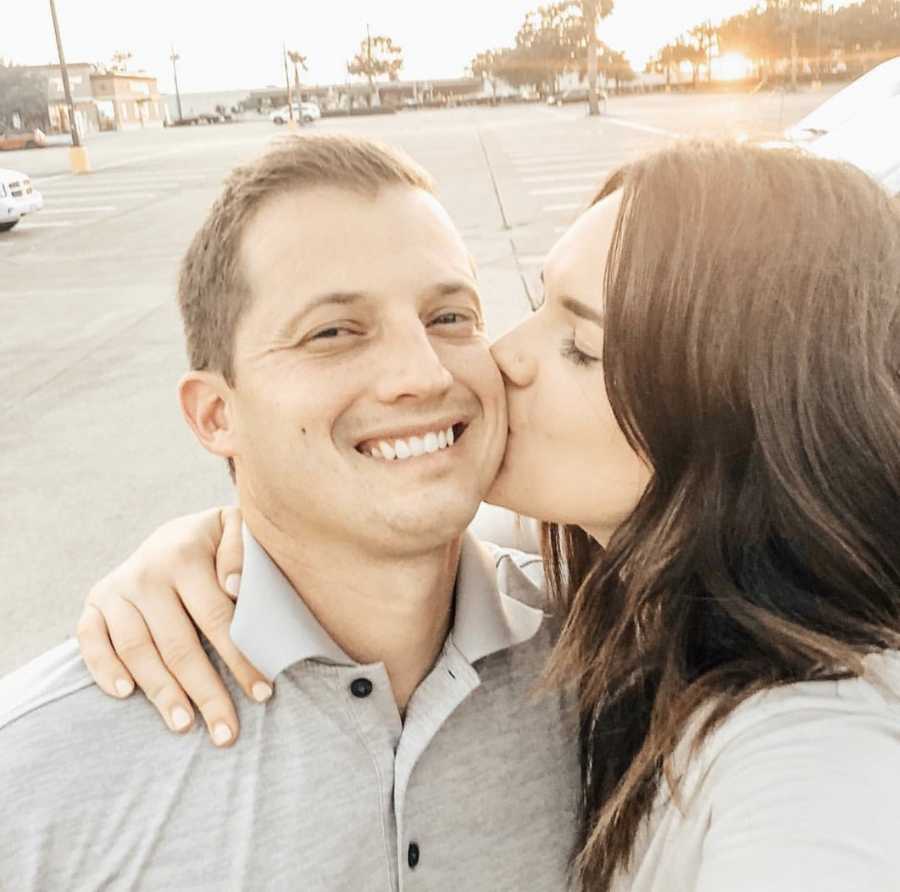
Riiiing! My timer went off, and I held my breath as I looked. Two pink lines. Pregnant! Overjoyed, we called our families and celebrated quietly at first, then loudly. 2018 was going to be our year! In past pregnancies, I would take a test every couple of days, checking for a darker line and easing my nerves. I figured I’d do the same this time. But the next day, the line barely changed. I tried to rationalize it—maybe it was still early, maybe hormones just needed time to rise.

“Okay, I’ll just test again tomorrow,” I told myself.
The following morning, I took another test. The line was fainter. My stomach sank. I knew immediately: it wasn’t viable. Most likely a chemical pregnancy. I met with my doctor, who confirmed it. “It happens,” they said. “It’s common. Better luck next time.” But my heart ached. After such smooth pregnancies before, why was this different? Losing a baby, even early on, is gut-wrenching. I held onto hope that it was just a fluke and that our third child would come soon.
That was January 2018. By the end of the year, we had endured a total of five miscarriages—January, May, August, September, and November. Five losses in a single year. Doctors and specialists tried to help, running test after test, but nothing explained why this kept happening. There was no reason, no pattern—just heartbreak after heartbreak.
Honestly, it was the darkest, loneliest year I’ve ever lived. Grief hit in waves. My body and mind were exhausted, confused by the repeated cycles of hope and loss. Mental health suffered. Every pregnancy announcement or newborn photo felt like a knife twisting in the wound. The pain was so raw and suffocating that at times, I truly wondered if I could survive it.
In January 2019, our church’s annual fast began—a time to give something up, focus on God, and seek His guidance. On the first morning of the fast, I felt a gentle prompting to ask others to pray for us each night. It was terrifying to be so vulnerable, especially after the previous year’s heartbreak. But that morning, our pastor’s sermon was about the persistent widow—about asking, seeking, and not giving up. It felt like a sign. I asked, and our church family prayed, night after night.
There was no dramatic moment, no instant miracle. Yet during those days, several people, independently, told me they had seen a picture of me holding a newborn with the words, “Where there is no way, You make a way.” Those small, unexpected confirmations filled me with peace. I didn’t know when it would happen, but I felt sure someday, we would have another baby.
A week and a half later, I took a pregnancy test on a whim. The faintest hint of a line appeared—so delicate, it might have been invisible to anyone else. I called our specialist and began the nerve-wracking cycle of bloodwork and monitoring. Emotions swirled—hope, fear, disbelief—but this time, I didn’t obsess or take twenty tests. I went day by day, blood test by blood test. Finally, the results came back: I was pregnant.
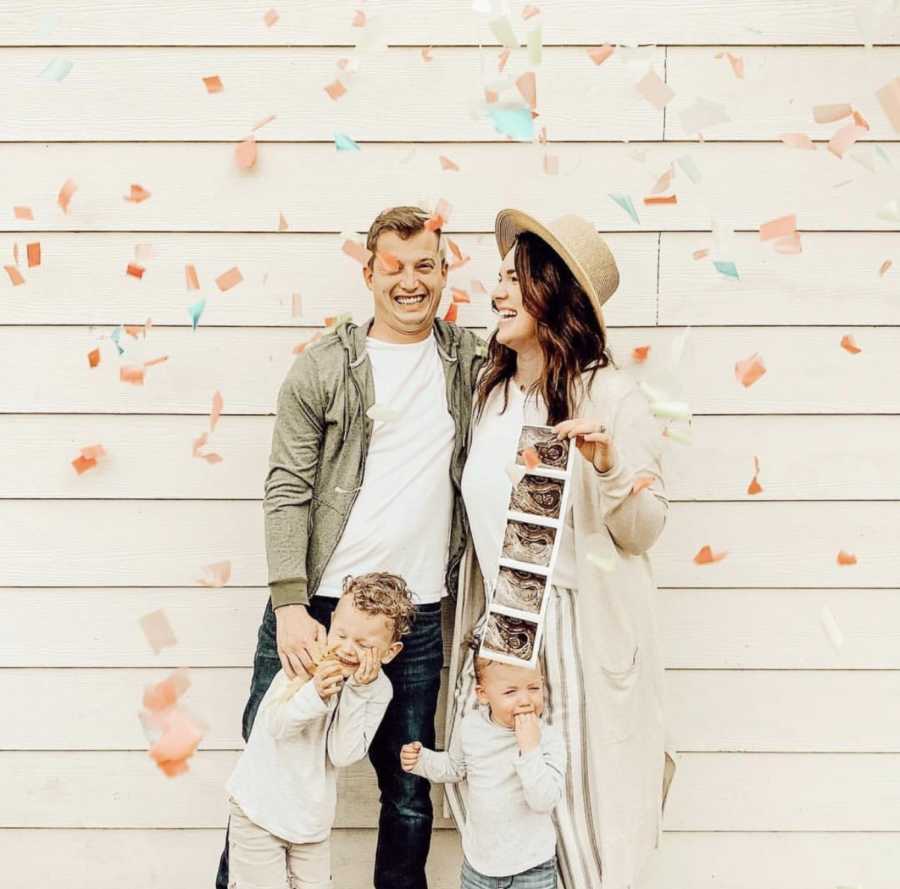
The doctor immediately started me on progesterone suppositories and baby aspirin as a precaution. Each blood draw confirmed rising numbers. After a few draws, the pregnancy appeared viable. Sitting in that office, a doctor unaware of our church fast or the fervent prayers, he reviewed the dates and finally said, “It looks like you got pregnant between January 13-15th.”
The exact days of the fast. The exact days our friends prayed night after night for God to move in our lives.
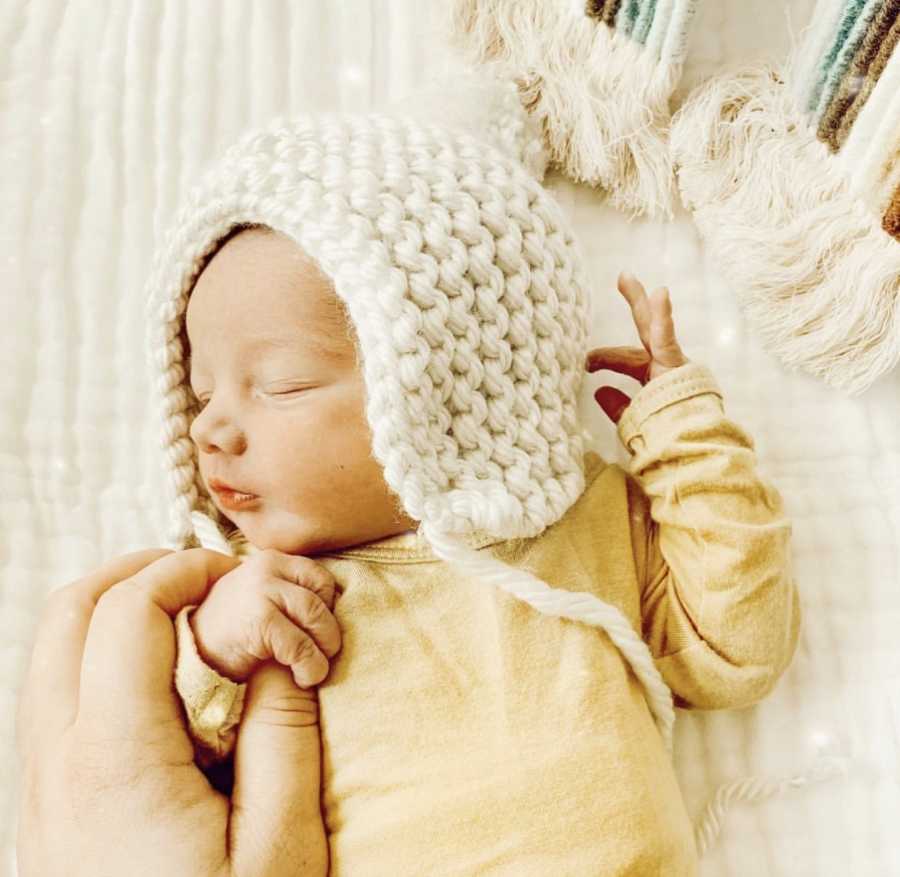
On October 1, 2019, we welcomed our rainbow baby into the world. After a year of unimaginable loss, he became our bright light, our living proof that miracles do happen. He’s more than a baby; he’s a reminder that hope can survive the darkest seasons, and that joy will return, even when it feels impossible.