Friday, August 10th, 2018, is a day I’ll never forget. I was in San Antonio, Texas, attending a conference, more than 1,100 miles from home. I woke up that morning feeling completely fine—just a little tired, but nothing unusual. I went about my morning as usual, unaware that my life was about to change forever.
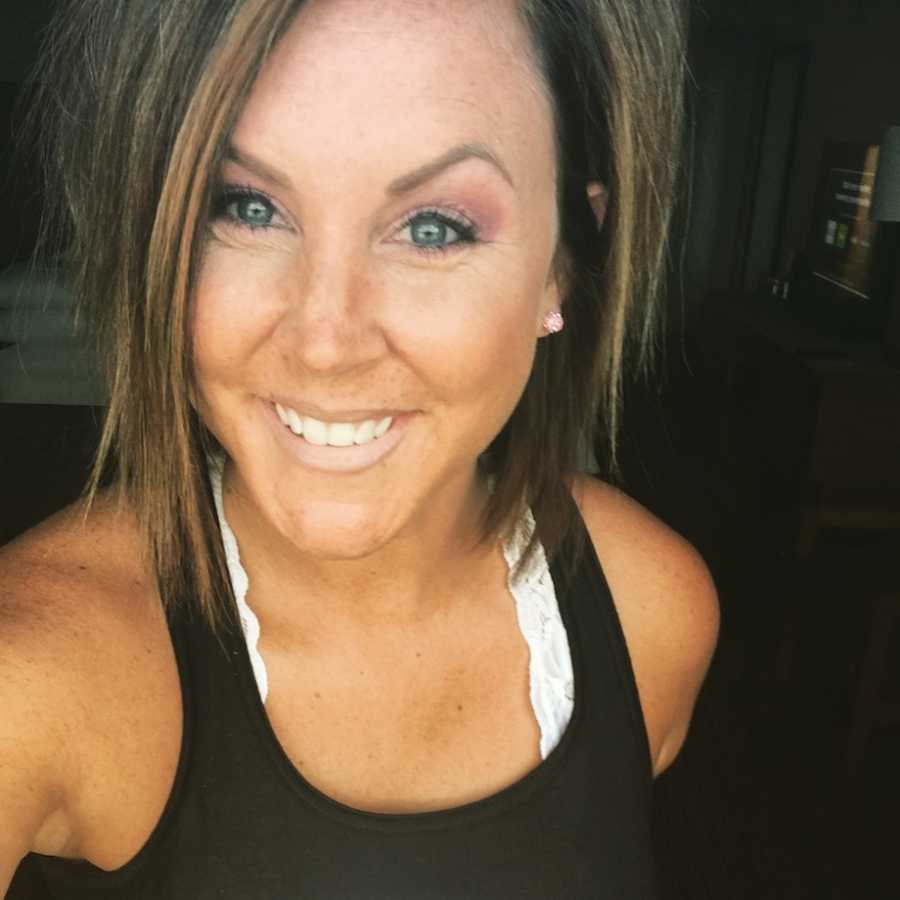
At 12:15 p.m., the first symptom hit me like a ton of bricks. A heavy, unexplainable weight pressed against my chest. I mentioned it to my friends, and they suggested it might be an anxiety attack. I returned to my hotel room and tried to rest, hoping it would pass. Over the next two days, the heaviness came and went, and I tried to ignore it. But on Sunday, we had an early flight back home, and a delay forced us to sprint to catch our connecting flight. That’s when it hit me: I couldn’t run. My body simply wouldn’t cooperate. I’ve always considered myself healthy, someone who eats well and exercises regularly. That moment told me something was very, very wrong.
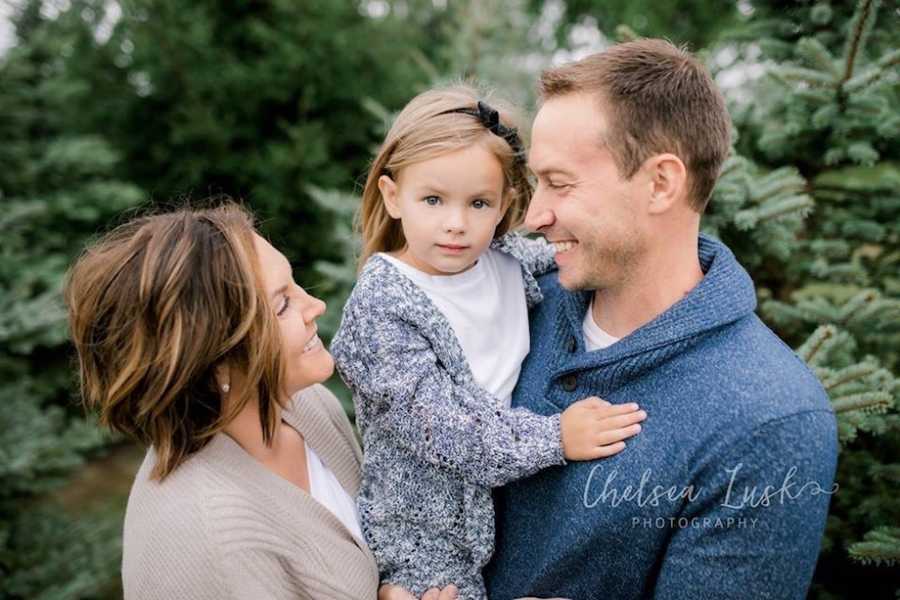
We made it back to Michigan safely, and for a brief moment, I thought the scare had passed. My one symptom disappeared, so I brushed it off, convincing myself—and others—that it was just anxiety. I resumed my normal routine, but that Monday, after a trip to the grocery store, I was so exhausted I had to take a nap. My husband, a former paramedic, immediately recognized something was off. He asked countless questions about how I felt and insisted we go to the ER. I resisted at first, not wanting to take up resources if nothing was wrong. But eventually, we left our 3-year-old daughter at my in-laws and went.
The ER doctors initially suspected a blood clot from traveling, so they ran tests. When my blood work came back normal, they performed a CT scan. Hours passed as we waited, talking about trivial things—where to eat, what we’d do after my release. Then the doctor walked in. I knew immediately something was wrong. His words hit me like a storm: “It’s not a blood clot. You have a five-inch mass between your heart and lungs.” I looked at my husband, unable to fully comprehend. He broke into tears, and in that instant, everything changed. Our lives, our routines, our sense of safety—everything shifted forever.
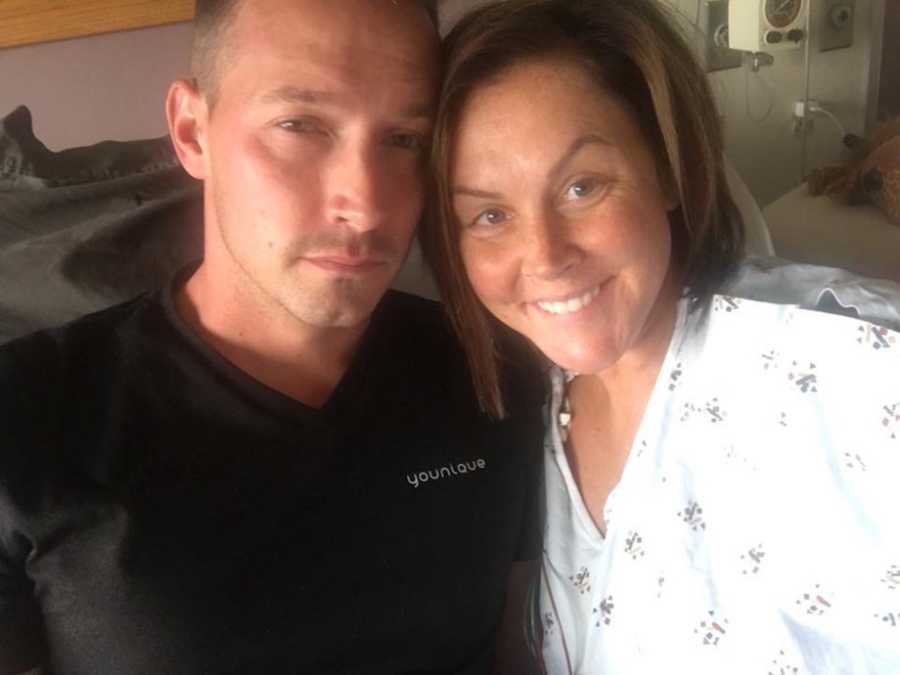
The next hours blurred together. I remember my husband calling our parents with the devastating news. My mind raced: “I’m too young to die. I have a 3-year-old daughter who needs her mom. I’m only 32—how can this happen?” And then, amidst the fear, something remarkable happened. My panic dissolved, replaced by a fierce determination. I prayed, and I made a choice: I was going to fight. I was going to stay strong. I was going to face this head-on. Two days later, after further tests and a biopsy, I was diagnosed with Hodgkin’s Lymphoma. Cancer. Many people called it the “good” cancer, with a survival rate of 92 percent. I now know there is no such thing as “good” cancer, and those words didn’t lessen the shock—but they did offer a glimmer of hope.
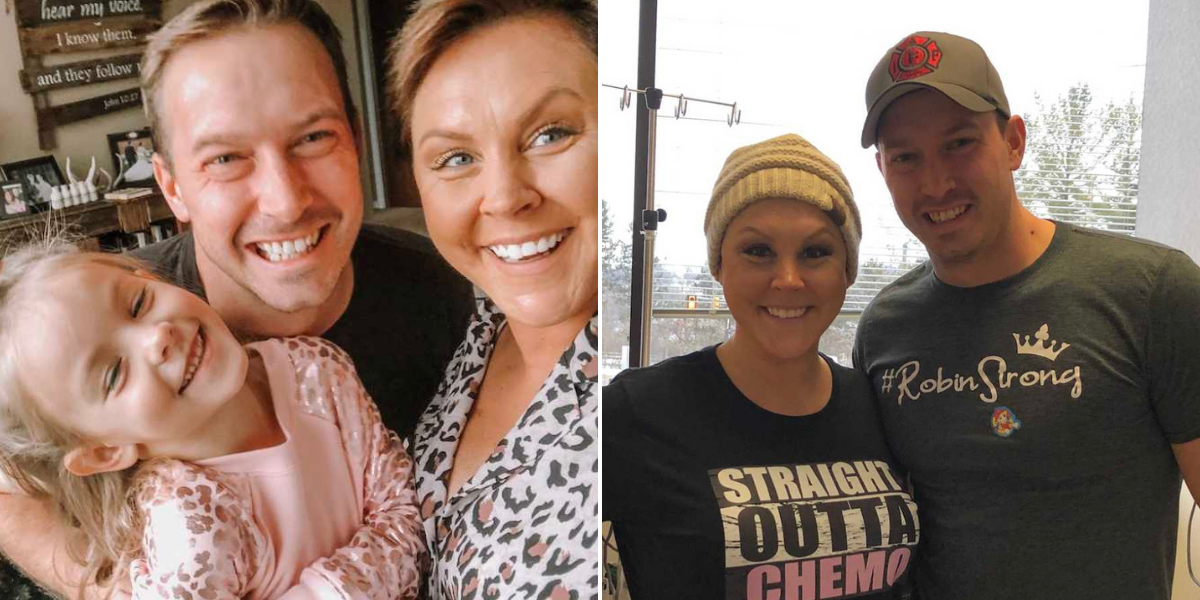
I was sent home that day and, in a few weeks, met with my oncologist. Chemotherapy—ABVD—was my only option, and I was determined to start immediately. The weeks leading up to my first infusion were stressful: arranging childcare, figuring out how my husband, a firefighter with 24-hour shifts, could care for me, and mentally preparing for what lay ahead. The support we received was overwhelming. Friends organized meal trains, fundraisers helped cover travel costs, and colleagues stepped in so my husband could take time off. Every possible need was anticipated and met with love.
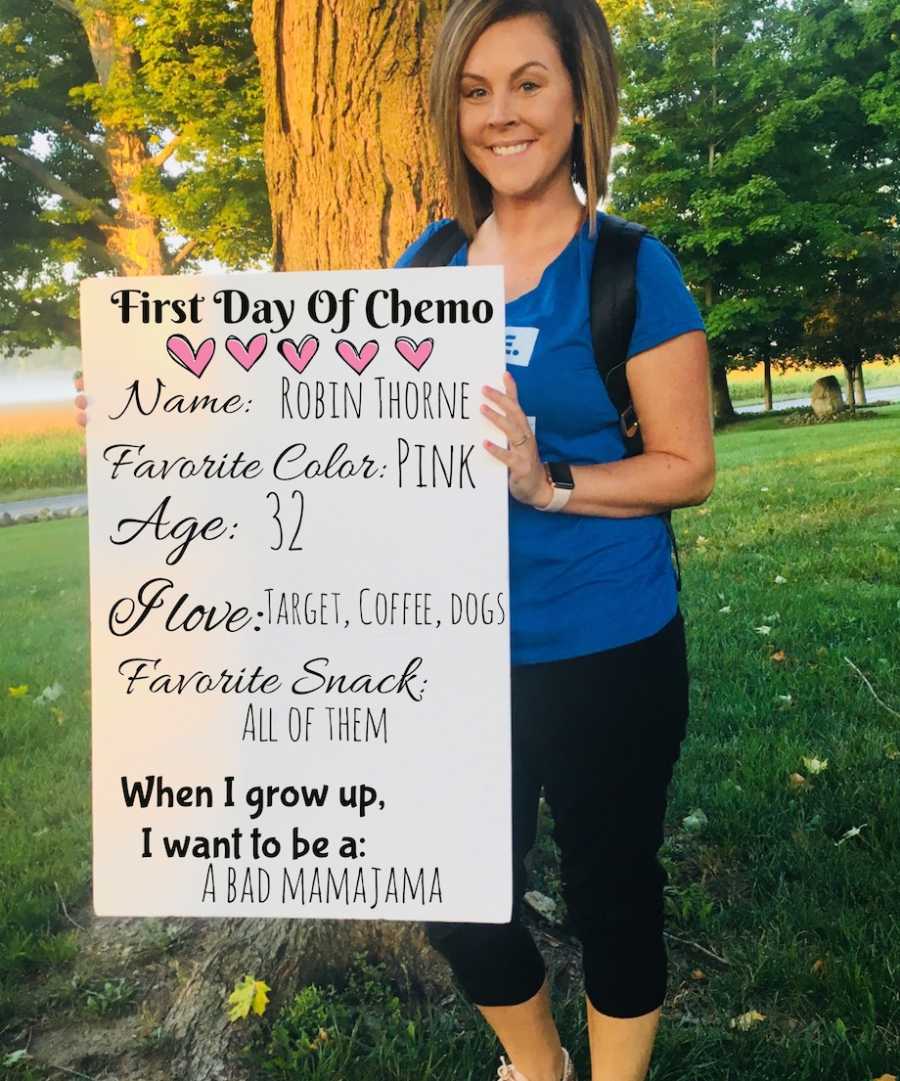
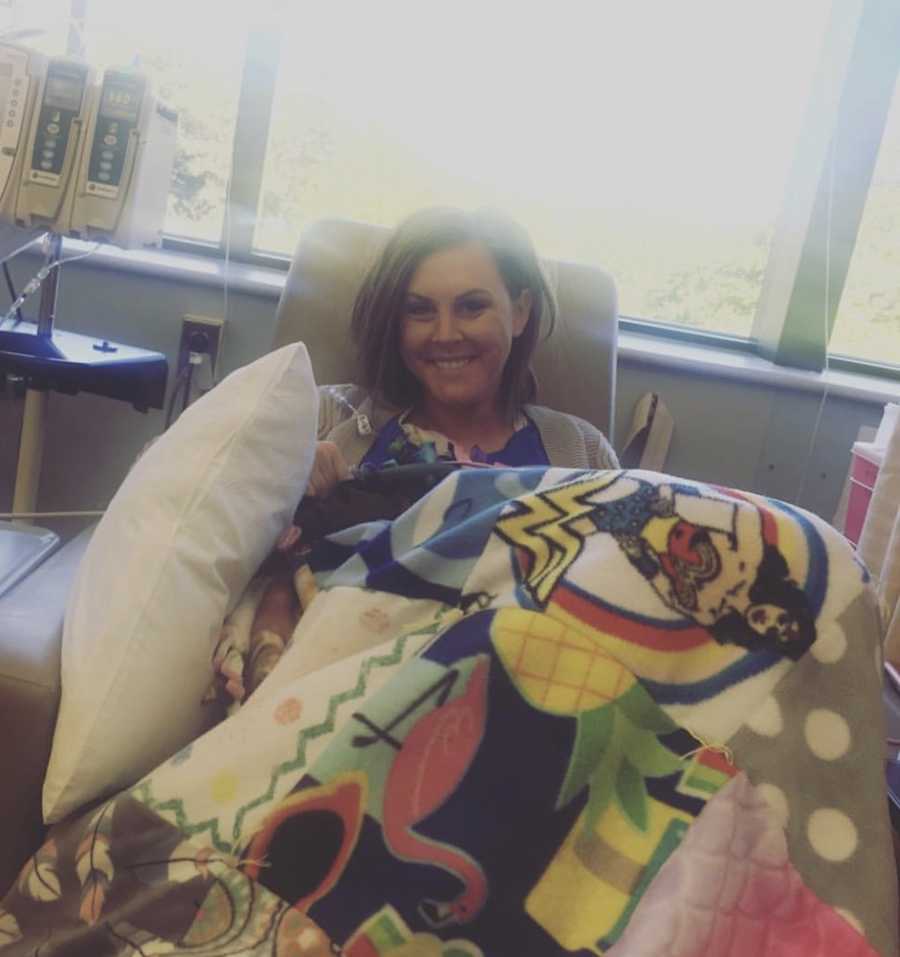
On the day of my first chemo, I was terrified. I had no idea what to expect. Sitting in the infusion chair, surrounded by others fighting their own battles, I couldn’t help but wonder about their stories. My nurse did everything she could to make me comfortable. I felt the chemo coursing through my veins, wrapped myself in the blanket friends had made, sipped hot chocolate, and snacked on hard candy. The treatment lasted three hours, and surprisingly, I felt fine afterward. I didn’t feel like a cancer patient—at least not yet.
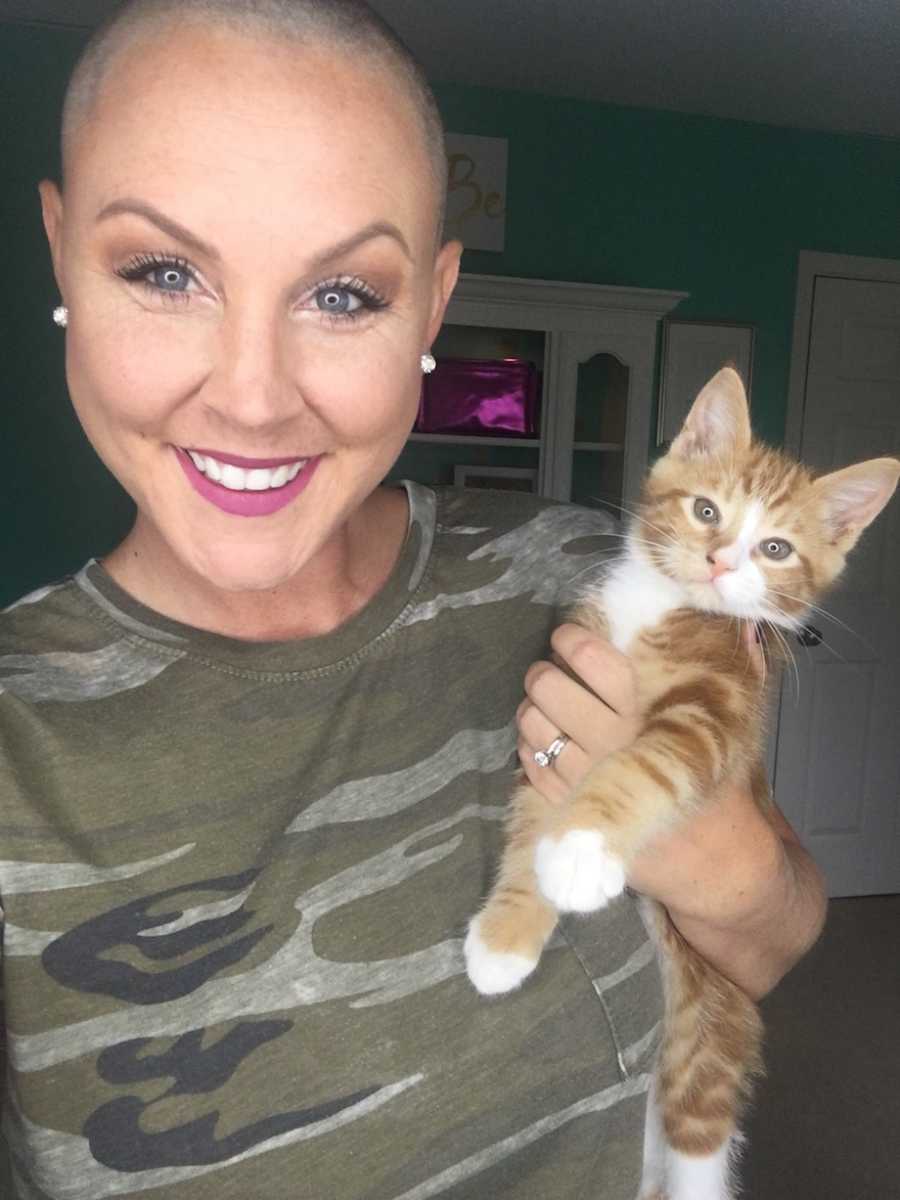
Before my second round, my hair began falling out. Known for my “good hair” since my twenties, I braced myself to shave it. On September 30th, 2018, I went live on Facebook, allowing my husband to shave my head in front of more than 2,000 viewers. Looking back at that video, I see his pain, even when I tried to be strong. Each chemo infusion was different. Some days I slept nearly 20 hours straight—the best sleep I’d ever had. Nausea was minimal, but the metallic taste lingered. Steroids and the port in my chest changed my appearance, and when I looked in the mirror, I barely recognized myself. But my attitude was something I could control, and I chose positivity.
My husband faced his own battle as a caregiver. His faith wavered, his emotions were raw, and our marriage endured strain I could never have anticipated. I often believe caregivers face challenges just as intense, if not more so, than patients. Thankfully, he sought help, and together we navigated these dark waters—for ourselves and for our daughter, who simply knew “Mom gets shots every other week.”
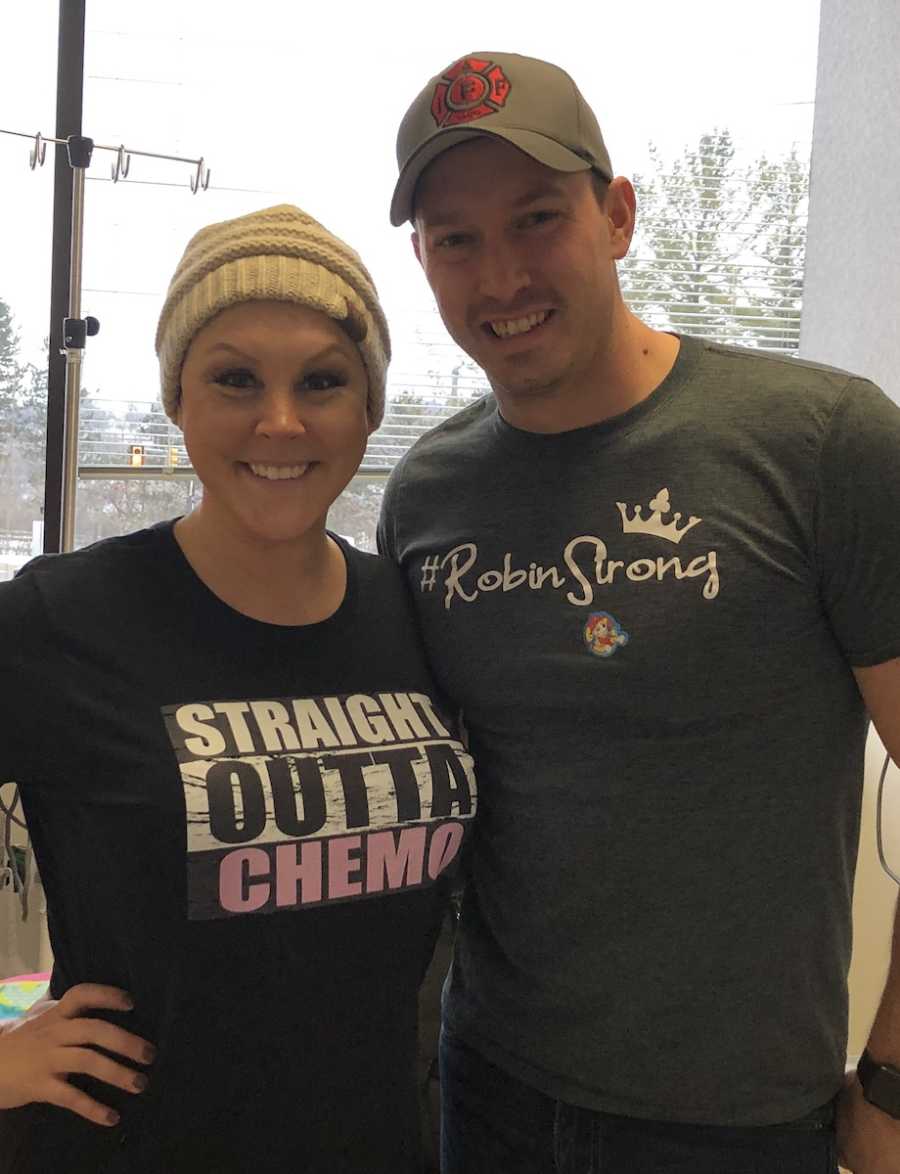
Finally, on February 13th, 2019, I completed my last chemo infusion. Three hours of treatment and it was over. I wanted to scream, hug the nurses, and tell everyone, “Peace out!” But as my port was de-accessed for the last time, I saw dozens of patients still in treatment. Some had no end date. Some were alone. Some were just beginning. Leaving the infusion center was bittersweet. Survivor’s guilt lingered, and still does, as my heart aches for those who weren’t as fortunate.
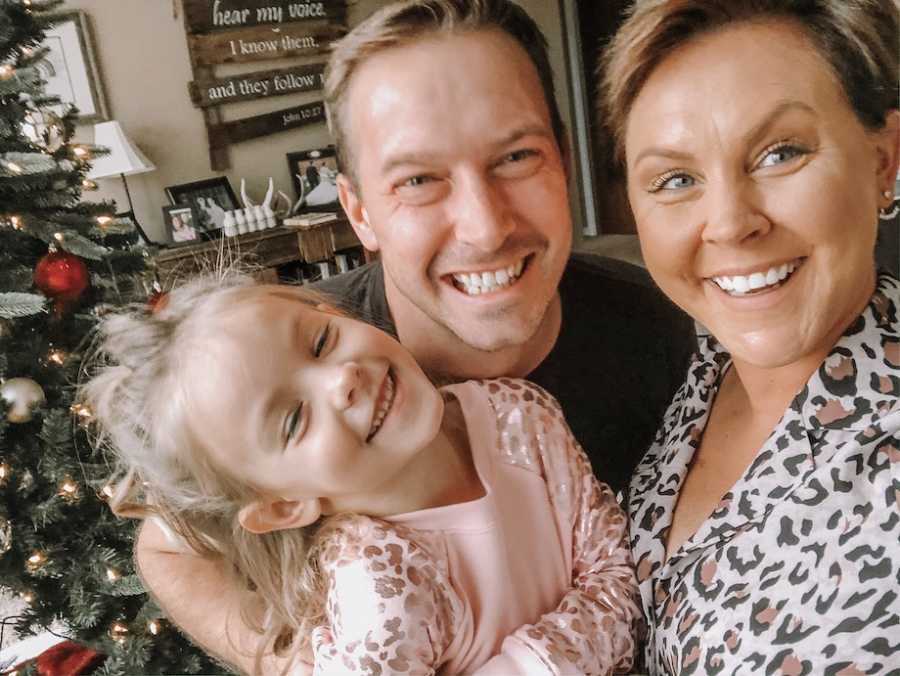
On April 9th, 2019, I received the news I’d been waiting for: remission. No evidence of disease. The months that followed were complicated. After fighting so hard for life, I struggled with how to move forward. Post-cancer life isn’t simple, and resources for survivors are limited. I learned that my feelings of being lost were common—but still deeply challenging.
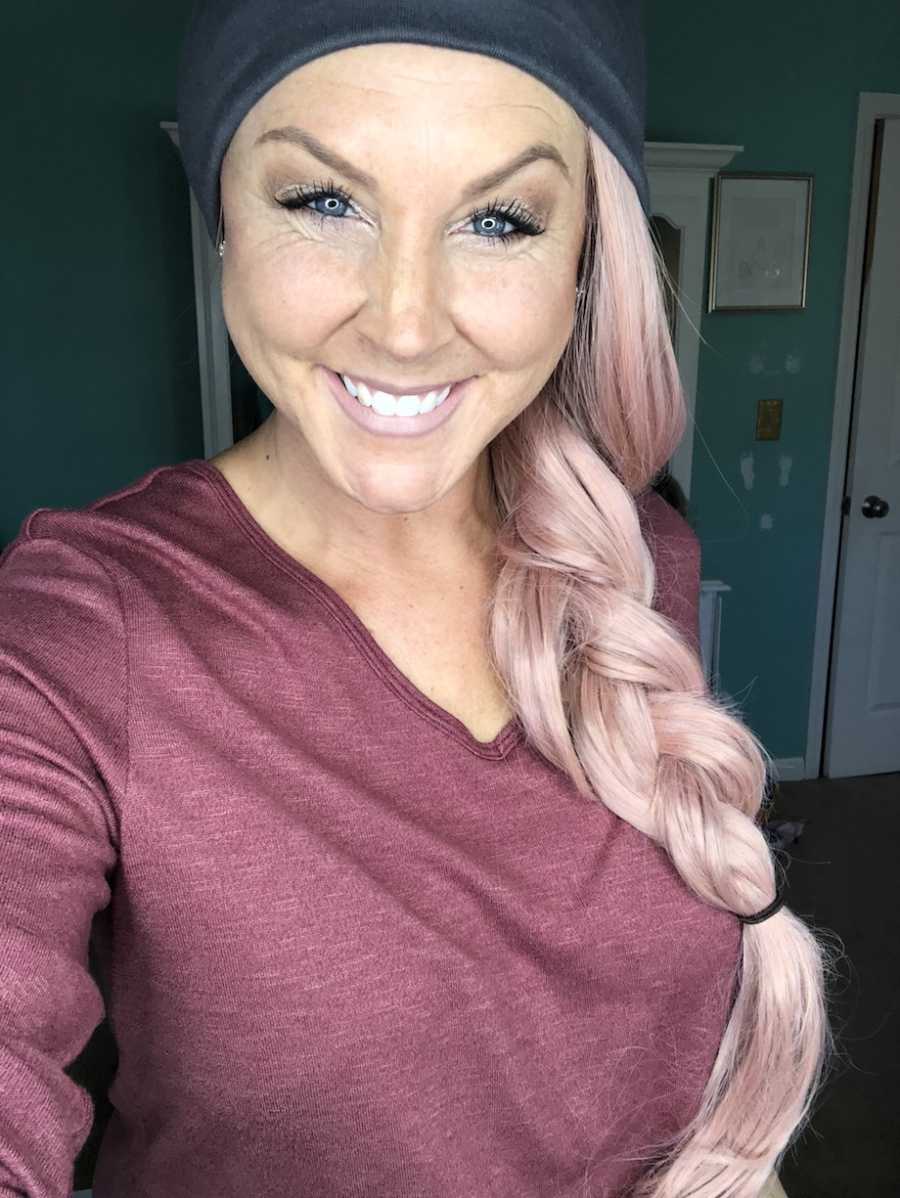
Today, I feel a renewed sense of purpose. I’m using my voice on social media, particularly YouTube, to share my story and show fellow survivors that hope exists. You are not alone. You are brave. You are loved. You are worthy. And above all, it’s okay to not be okay. There is a big, beautiful world waiting for us, and I intend to live it fully.